FEW people would imagine that a simple badminton match could change the course of a life.
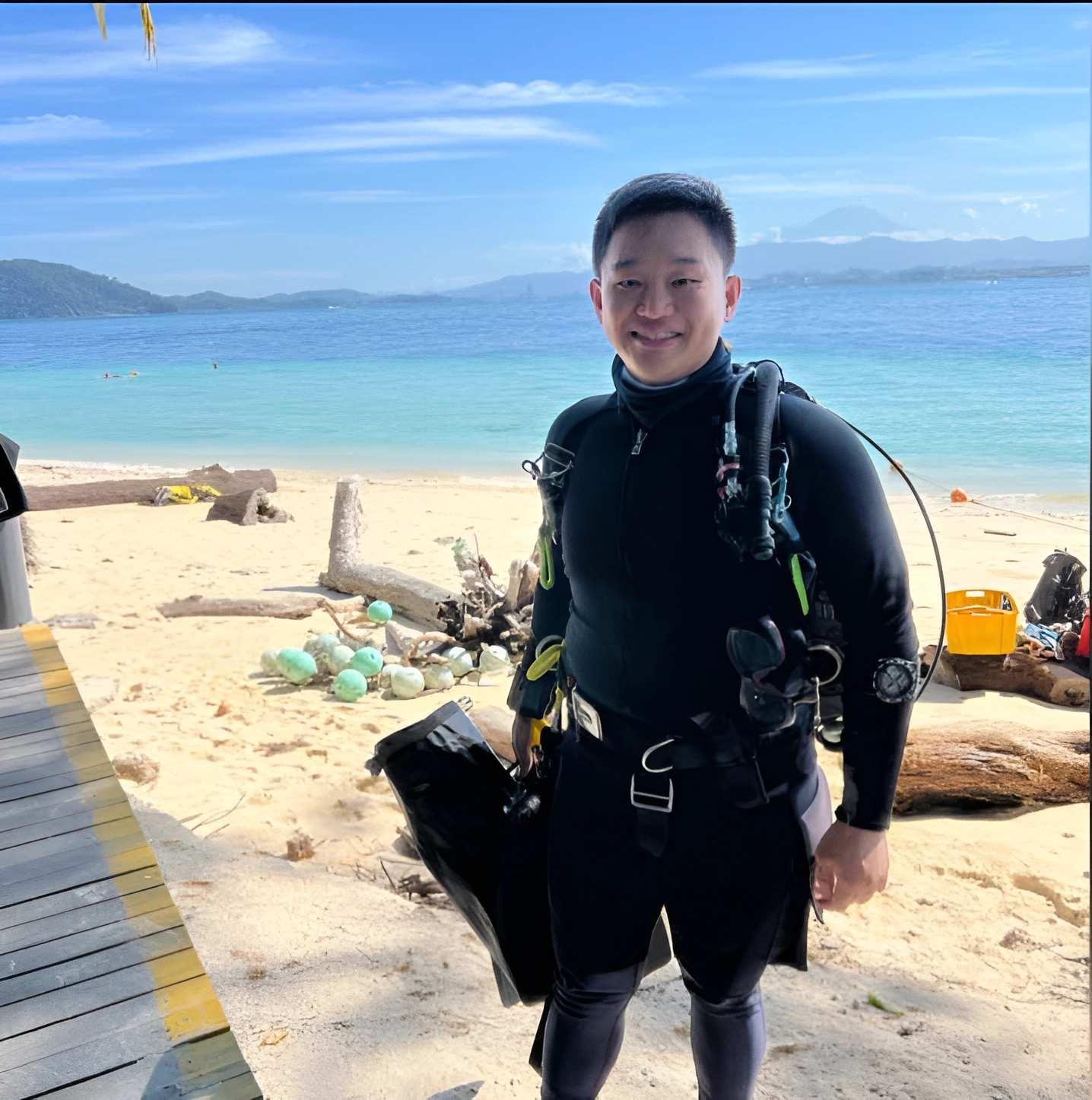
Yet for 31-year-old Wilson Kwan, owner of Borneo Dive Network, a friendly wager during his final week as an auditor ultimately steered him away from spreadsheets and financial statements and into the depths of the South China Sea.
Today, the diving entrepreneur spends much of his time exploring Sarawak’s underwater frontiers, from the coral gardens of Miri-Sibuti Coral Reef National Park to the remote waters of Luconia Shoals, championing both marine tourism and conservation along the way.
Looking back, Kwan still finds it remarkable how an unexpected challenge from his former manager became the turning point that revealed his true calling.
From balance sheets to buoyancy
“My manager challenged me and another colleague to join her Open Water Course if we lost our badminton match.
“We lost, and we paid the deposit for the course on the spot. That was the beginning of everything,” he recalled.
At the time, scuba diving was merely an item on his bucket list.
Fresh from earning his Open Water certification, Kwan was preparing for a different future altogether. Having resigned from his auditing career, he was pursuing his ambition of becoming a Chartered Accountant.
Then the COVID-19 pandemic arrived.
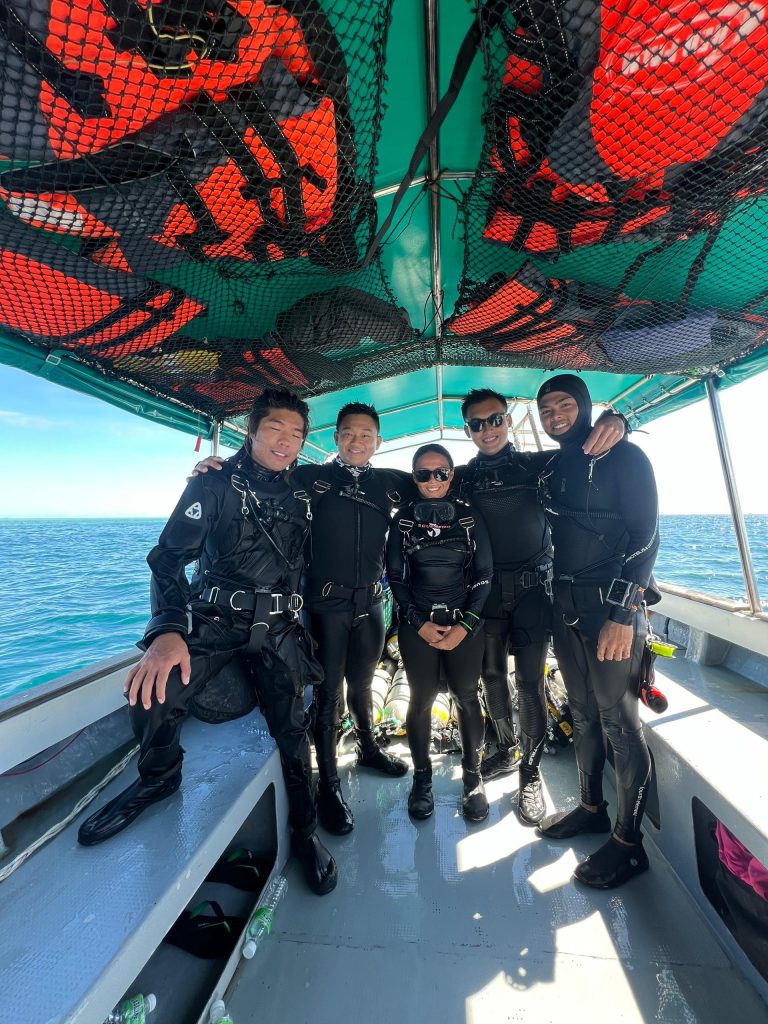
While studying online during lockdowns, he found himself constantly replaying memories of his first dives and thinking about the underwater world.
Initially, diving remained a hobby. But as the months passed, it gradually became the activity he looked forward to most.
“The more time I spent underwater, the more I realised it was the only thing I genuinely looked forward to every week,” he said.
The realisation prompted difficult questions about his future.
Eventually, Kwan chose passion over convention.
He pursued additional certifications, including Advanced Open Water Diver, Rescue Diver and Nitrox Diver, before progressing to Divemaster level in less than a year.
His rapid rise within the diving industry soon saw him become a shareholder in a dive centre, where he helped manage operations before eventually selling his shares.
Not long afterwards, an opportunity emerged that would shape the next chapter of his career.
The then-owner of Borneo Dive Network, a long-time friend of Kwan’s father, offered him the chance to take over operations as the company’s major shareholder with full voting rights.
Three years later, he continues to lead the company while working to place Sarawak firmly on the map as a diving destination.
Falling in love with the deep
For Kwan, the magic of diving has never faded despite thousands of hours spent underwater.
Many first-time divers, he said, imagine the ocean as a dark, empty environment. The reality is entirely different.
“The underwater world is constantly changing. One dive may be filled with colourful coral reefs, while another may reveal shipwrecks, schools of fish, turtles, sharks or fascinating macro marine life,” he explained.
He still vividly remembers his very first breath beneath the surface.
“For the first time in my life, I experienced complete silence, weightlessness and a feeling of freedom that is difficult to describe. It felt like flying.”
As he descended deeper, he found himself surrounded by schools of fish and marine creatures unlike anything he had encountered before.
That sensation remains unchanged even today.
“Even after thousands of dives, I still feel that same excitement every time I descend beneath the surface,” he said.
The ocean beneath Sarawak
While Sabah often dominates conversations about diving in East Malaysia, Kwan believes Sarawak possesses equally remarkable underwater treasures that remain largely undiscovered.
The Miri-Sibuti Coral Reef National Park alone spans approximately 180,000 hectares, making it one of Malaysia’s largest marine protected areas.
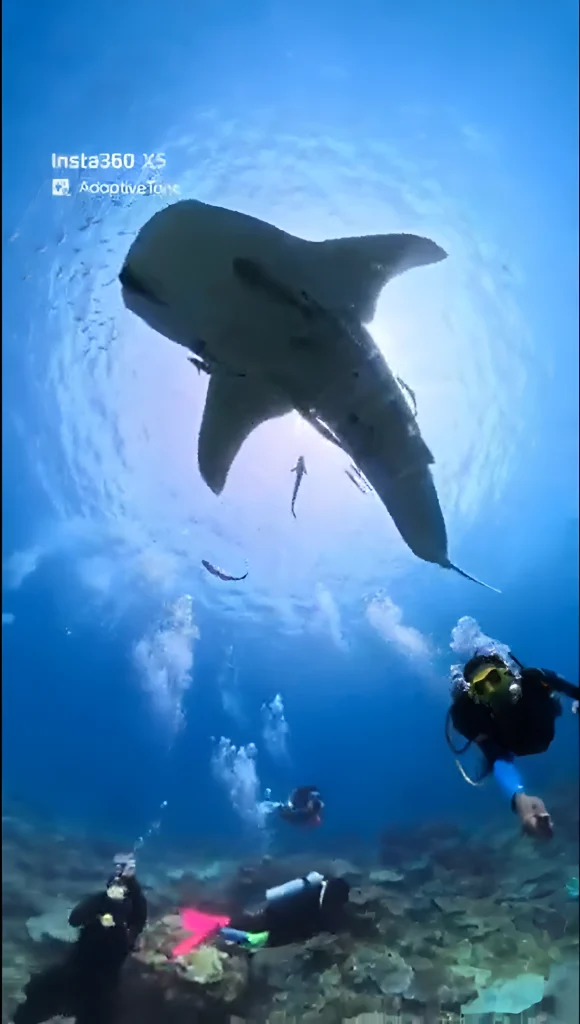
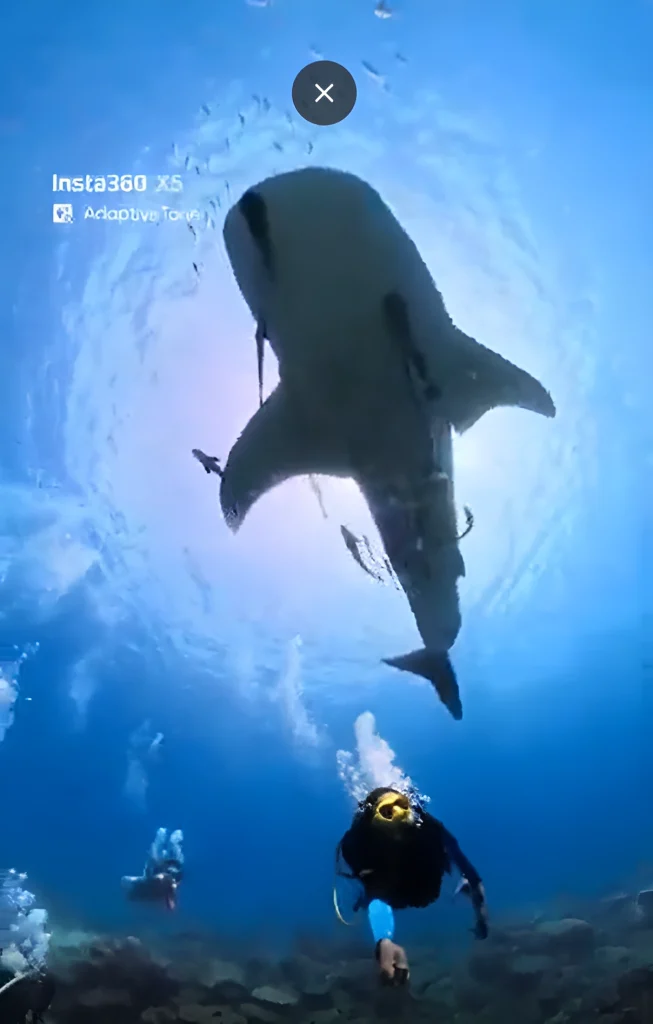
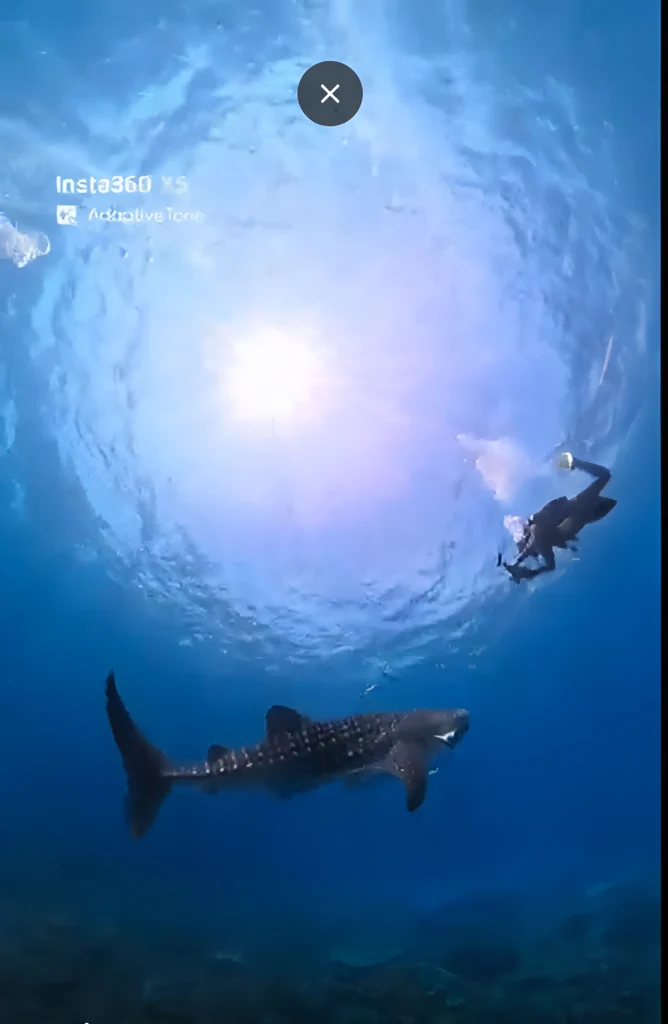
Its waters are home to vibrant coral reefs, whale sharks, turtles, dolphins, barracudas, giant groupers and a wide range of macro marine species.
What excites him most, however, is how much remains unexplored.
According to Kwan, less than 15 per cent of the marine park has been properly surveyed and documented.
“Every dive feels like there is still something new waiting to be discovered.
“That sense of exploration is becoming increasingly rare in today’s diving world,” he said.
He believes Sarawak remains an undiscovered gem that deserves greater recognition among local and international divers alike.
Life around the wreck
Among the many dive sites scattered across Sarawak’s coastline, one location stands above the rest in his personal ranking – the Kenyalang Wreck.
Situated approximately 15 nautical miles offshore at a depth of around 22 metres, the artificial reef attracts an astonishing variety of marine life despite often challenging visibility conditions.
Clownfish, snappers, pufferfish, sea snakes, stingrays, lobsters and giant groupers all thrive around the structure.
One encounter remains particularly memorable.
“A giant grouper suddenly emerged from inside the wreck and slowly swam past us.
“It was an incredible sight,” he recalled.
The abundance of marine life is so remarkable that he jokingly describes the site as an “underwater traffic jam”.
No matter how many times he visits, every dive offers something different.
Into the blue frontier
Perhaps the crown jewel of Sarawak diving lies much farther from shore.
Borneo Dive Network is currently the only dive centre in Sarawak organising liveaboard expeditions to Luconia Shoals, located more than 100 nautical miles offshore near the South China Sea.
The journey itself feels like an expedition into one of the state’s last marine frontiers.
Once underwater, visibility frequently exceeds 30 metres, revealing extensive coral reefs stretching beyond sight.
“It almost feels like flying through an endless blue world,” Kwan said.
Encounters with tiger sharks, manta rays, whale sharks, hammerhead sharks and giant groupers are not uncommon, making every trip an unforgettable experience.
No matter how many times he visits Luconia Shoals, he said, it never loses its sense of wonder.
Pressure under pressure
While diving offers moments of awe and wonder, it also demands discipline, preparation and calmness under pressure.
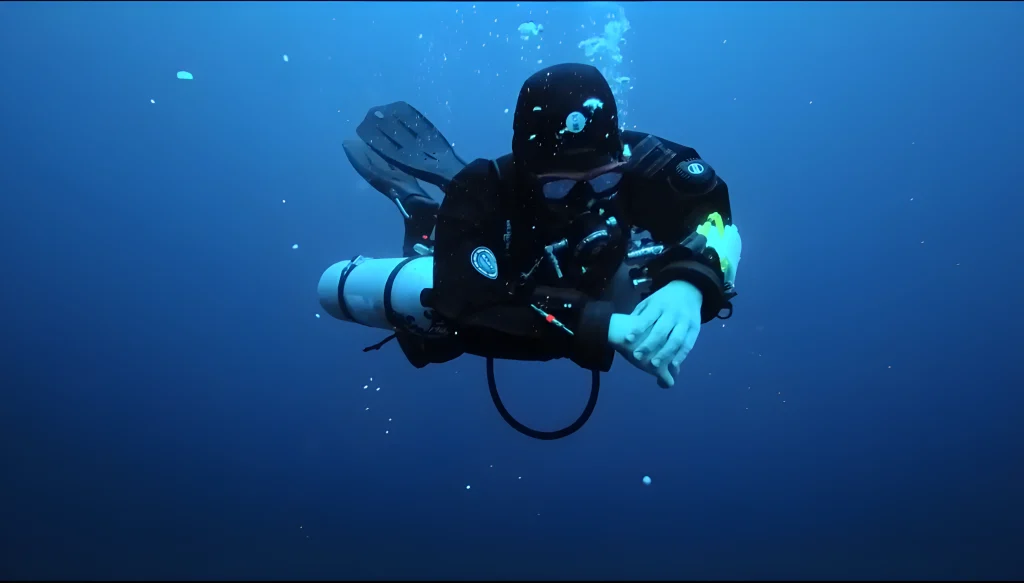
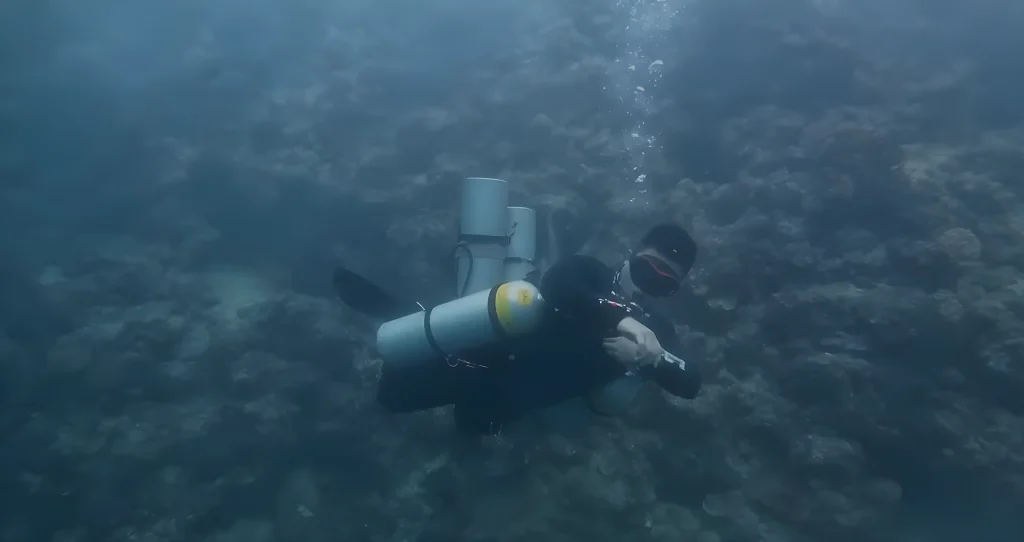
One of the most challenging experiences of Kwan’s diving career occurred during a technical dive reaching 150 metres.
The dive lasted more than four hours, including extensive decompression stops.
Everything proceeded smoothly until a decompression tank hose suddenly burst at approximately 25 metres depth.
With essential decompression gas rapidly escaping, the situation could have become dangerous.
Fortunately, training took over.
Kwan immediately shut off the tank valve, assessed the situation and worked with his support divers and instructor to replace the damaged hose underwater in less than two minutes.
The incident reinforced a lesson he continues to emphasise today.
“Panic is never the solution,” he said.
“Proper training, preparation and teamwork are what keep divers safe.”
What the reefs are telling us
His years beneath the surface have also given him a firsthand view of environmental challenges facing Sarawak’s marine ecosystems.
Climate change, rising sea temperatures and coral bleaching are increasingly affecting reef health worldwide.
Closer to home, destructive fishing practices, fish bombing, illegal coral collection and marine pollution continue to threaten local waters.
One striking example is the decline of seahorses, long associated with Miri’s identity.
Older divers often recall seeing them regularly in local waters decades ago.
Today, sightings have become exceedingly rare.
Despite these challenges, Kwan remains optimistic.
He believes conservation efforts, responsible tourism, education and sustainable marine management can still make a significant difference.
A growing diving community
Kwan is encouraged by the growing interest in diving among Sarawakians.
Just a few years ago, many residents were unaware that diving opportunities even existed in Miri.
Now, social media has helped showcase the region’s underwater attractions to a wider audience.
“We hear people say, ‘I’ve lived in Miri for decades and never knew there was diving here,’” he said.
More students, young professionals and families are now signing up for certification courses, creating a promising future for both marine tourism and ocean conservation.
Taking the plunge
For those who remain intimidated by the thought of venturing into the deep ocean, Kwan offers simple advice.
“Most fears come from uncertainty,” he said.
Diving, he stressed, is conducted in a safe and controlled environment under professional supervision.
Over the years, he has taught students as young as 12 and as old as 65.
Many began their journey with anxiety, only to finish with unforgettable memories.
“Don’t let fear stop you from trying something extraordinary.
“The only way to truly understand what diving feels like is to experience it for yourself,” he said.
A vision for Sarawak’s blue future
Looking ahead, Kwan’s vision extends far beyond operating a successful dive centre.
His dream is to see Sarawak recognised not only as a Malaysian diving destination but as one of Asia’s leading marine tourism hubs.
With its rich biodiversity, unexplored reefs and unique dive sites, he believes the state possesses all the ingredients needed to compete with the region’s most established destinations.
However, he insists that development must always go hand in hand with conservation.
Protecting reefs, reducing pollution and promoting sustainable tourism will be crucial to preserving the underwater world that continues to inspire him.
Ultimately, his goal is simple.
“One day, when people think about scuba diving in East Malaysia, I hope Sarawak will be one of the first destinations that comes to mind,” he said.