KUCHING: Sarawak is positioning itself with clear ambitions and supportive policies to accelerate the development of green hydrogen, as part of its long-term energy transition strategy.
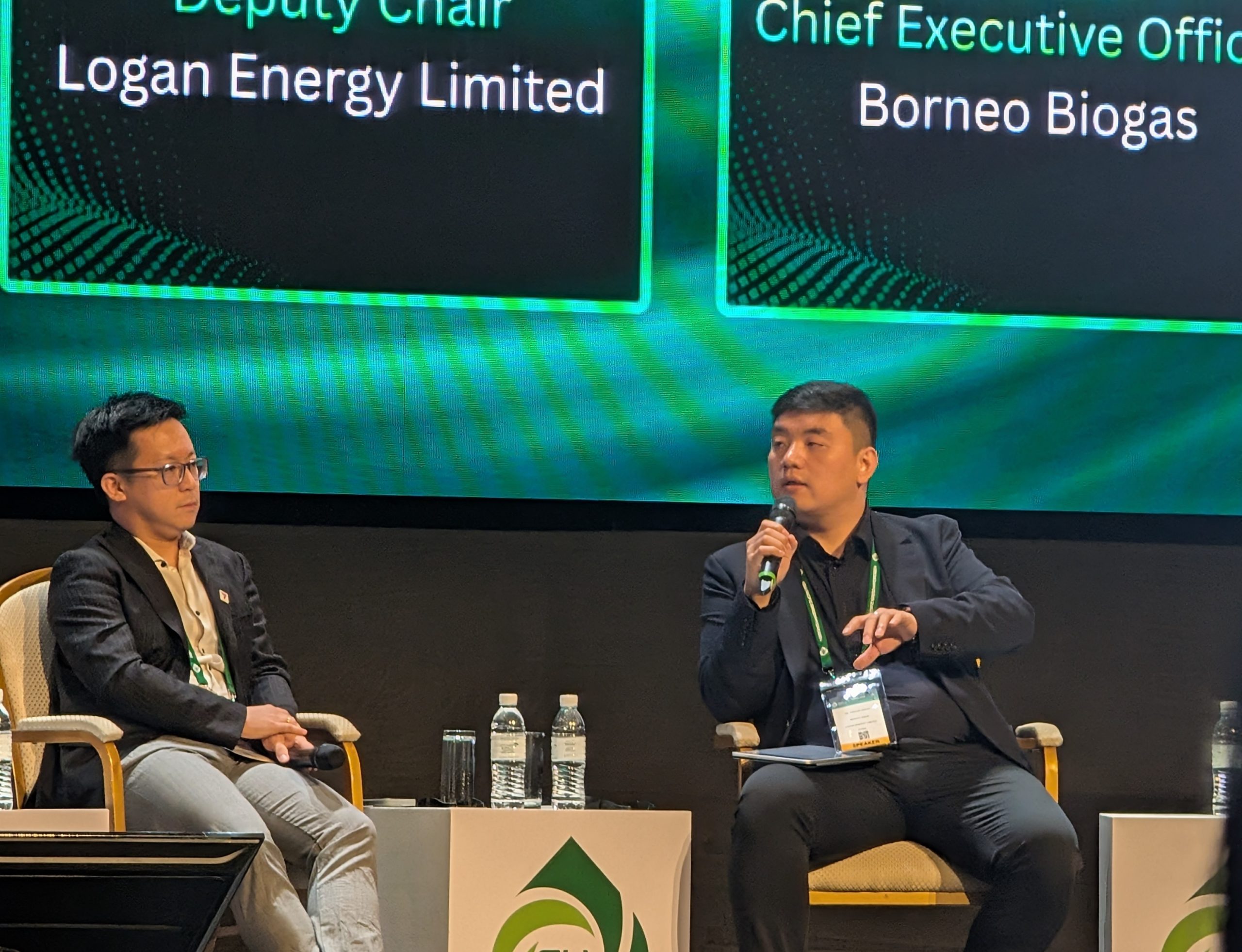
In stating this, Deputy Chair of Logan Energy Limited, Dr Yuxuan Zhang said Sarawak’s direction in building a hydrogen economy reflects strong strategic planning and aligns well with global trends in distributed renewable energy systems.
“Sarawak is now in a place with very clear ambitions and policies to drive the growth of green hydrogen,” said Dr Zhang.
He said this during a panel discussion on Clean Energy Integration for a Sustainable Energy Supply at the Asia Pacific Green Hydrogen (APGH) Conference and Exhibition 2026 at Borneo Convention Centre Kuching (BCCK) here on Wednesday.
He noted that Sarawak’s approach is well-positioned to leverage international experience, particularly from established hydrogen and renewable energy projects abroad, including integrated solar-to-hydrogen systems and distributed energy models.
Dr Zhang cited examples such as the Dorset Green Hydrogen Centre in southern England, where solar energy is deployed on open land to produce hydrogen.
The hydrogen is then stored and transported via trailers for distribution to nearby regions, while also supporting on-site operations such as vehicle refuelling.
He described this as a hub-and-spoke model that has been operating successfully for several years.
He added that future energy systems will be increasingly diversified, with electrification remaining the central transition away from fossil fuels, supported by a mix of renewables and emerging technologies.
“Biogas is, I think, the most ready,” he said, noting that its scalability depends heavily on biomass availability and could play a significant role in the energy mix, as seen in the United Kingdom.
However, he cautioned that the expansion of renewables also requires substantial investment in supporting infrastructure, pointing to grid congestion and long connection queues in the UK’s offshore wind sector as examples of systemic challenges.
“In the UK, offshore wind consists of 60 per cent of Europe’s best available resource, but the queue to get a grid connection is two years minimum, sometimes up to five years,” he said.
Dr Zhang emphasised that similar infrastructure constraints must be addressed early to avoid bottlenecks in renewable energy deployment, particularly as demand for electrification grows.
“So to solve that problem, you need to invest further into the infrastructure, and not every government is able to do so. I think for distributed renewables and hydrogens, that’s the place to be. And it’s a growing topic or trend.
“Green hydrogen, although very costly, if it is about energy security, it is not priced as gas. It is energy security,” said Dr Zhang.