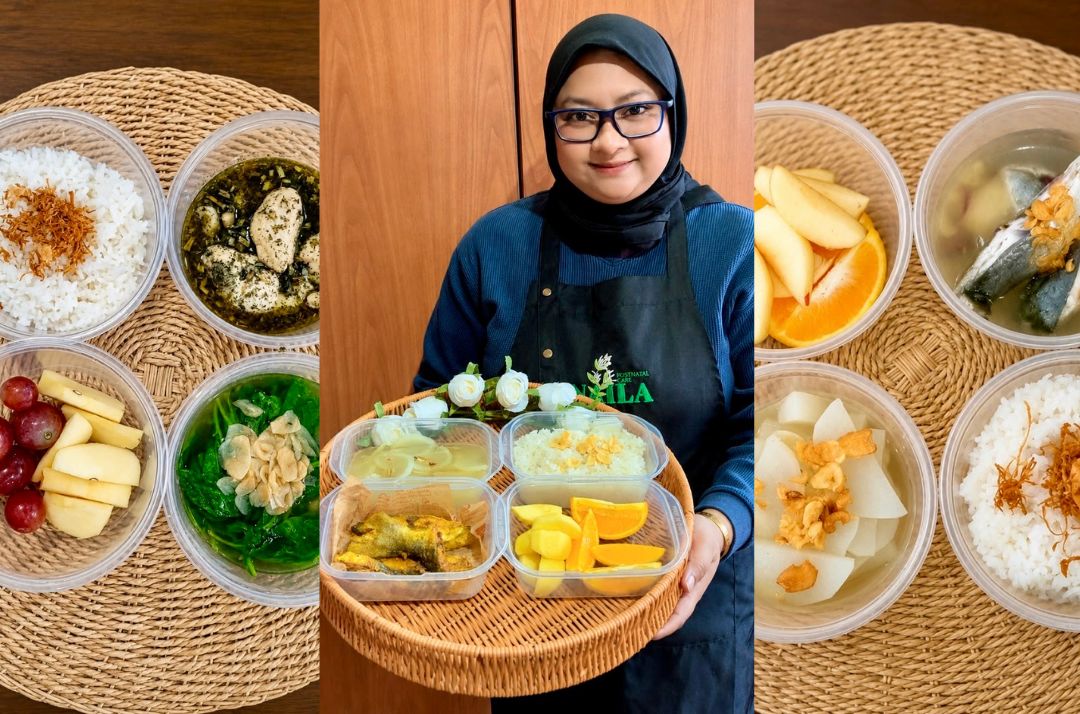
Once associated with bland meals and long lists of foods to avoid, confinement cuisine is evolving. By blending traditional practices with modern nutrition, providers are helping new mothers recover without sacrificing flavour, balance or variety.
Rethinking confinement food for modern mothers
CONFINEMENT food has long been associated with restriction.
For generations, new mothers have navigated a maze of dietary dos and don’ts, often enduring weeks of carefully controlled meals in the name of recovery. But attitudes towards postpartum nutrition are changing.
Today, the focus is shifting beyond tradition and dietary limitations towards a more balanced approach that combines nutritional science with time-honoured practices.
Alongside familiar ingredients such as ginger, turmeric and herbal remedies, greater emphasis is now being placed on ensuring mothers receive the nutrients needed to heal, regain strength and support breast milk production.
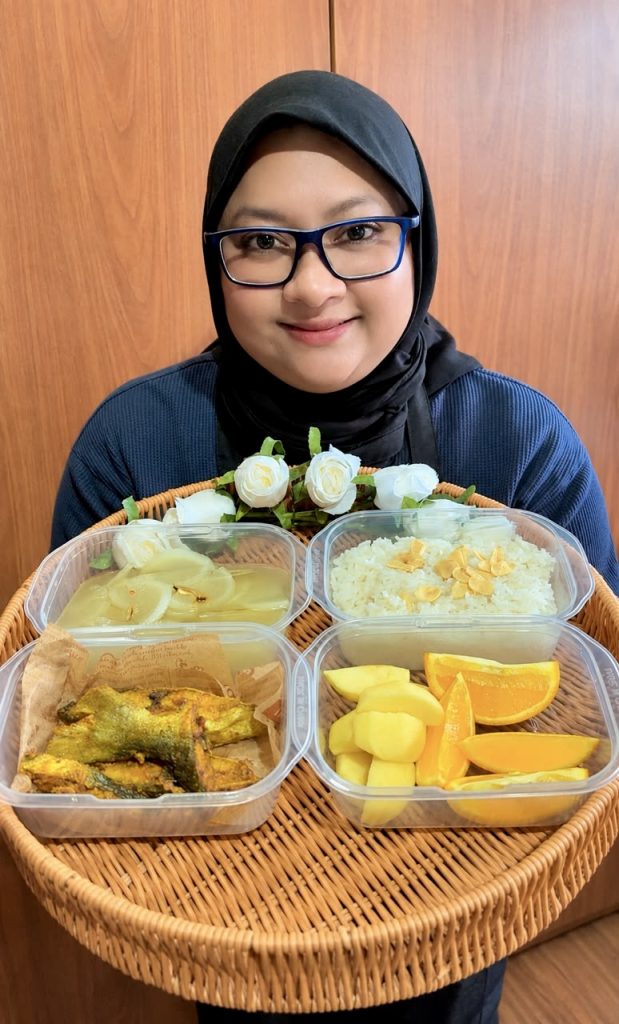
For Naila Syarfina Abdul Aziz, a 39-year-old postnatal care practitioner with 15 years of experience in the healthcare sector, the shift reflects a simple but important truth.
“The biggest misconception is that confinement food has to be extremely limited and consist only of a few dishes such as plain soup and dried fish.
“In reality, mothers need a varied and balanced diet to support recovery, breast milk production and overall health,” she said.
Far from being bland or monotonous, confinement meals can be both nourishing and enjoyable when prepared with the right ingredients and a clear understanding of a mother’s nutritional needs.
Nourishment for recovery
For Naila, confinement meals should do more than simply fill a plate – they should help mothers recover from one of the most physically demanding experiences of their lives.
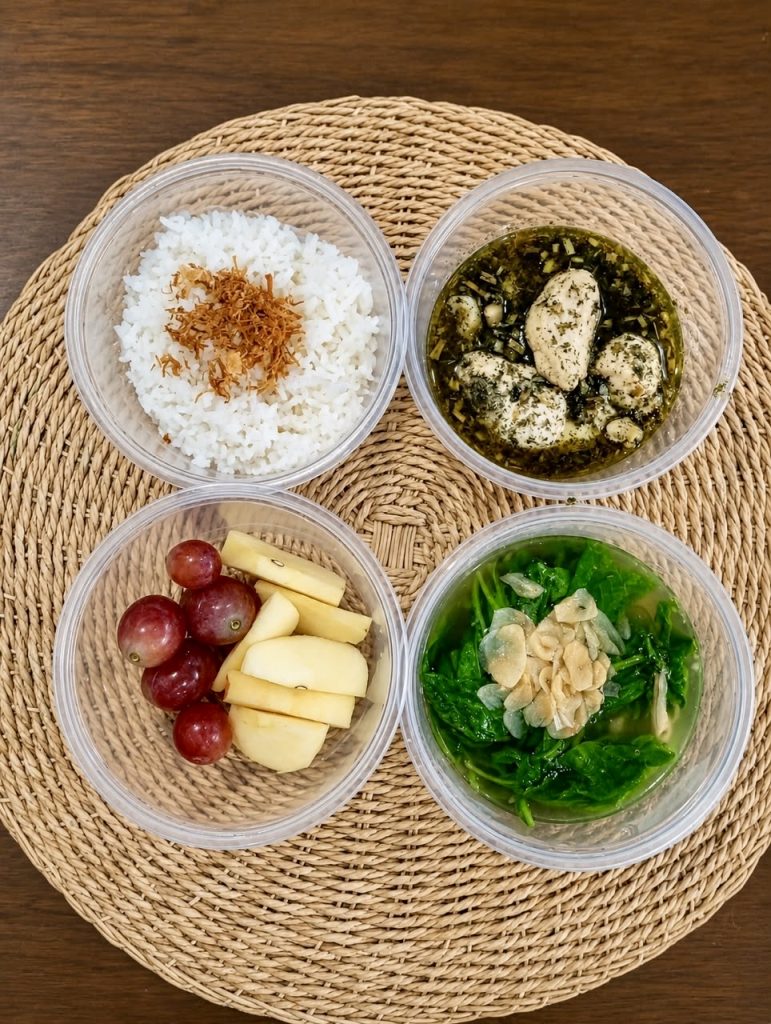
That, she said, means paying close attention to nutrients that support healing and recovery.
“Protein plays a key role in repairing tissues and supporting the healing process, while iron helps replenish blood lost during delivery. Calcium remains important for maintaining bone health, particularly for mothers adjusting to the physical demands of caring for a newborn.
“Other nutrients are equally vital. Vitamin C supports healing and helps the body absorb iron more effectively, while adequate fibre and hydration can ease digestive discomfort and help prevent constipation — a common challenge during the postpartum period,” she explained.
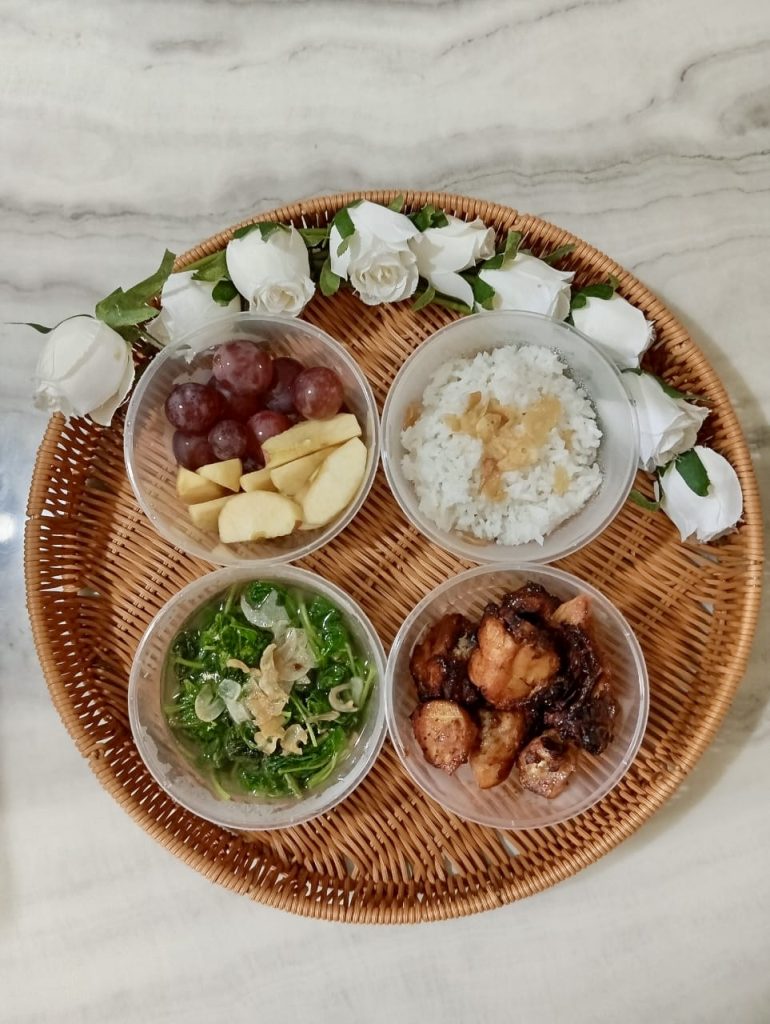
This understanding is one reason why Naila advocates Malaysia’s Healthy Plate concept, commonly known as the ‘suku-suku-separuh‘ approach.
By balancing carbohydrates, protein, vegetables and fruit within each meal, she said mothers are more likely to receive the nutrients needed to rebuild strength, maintain energy levels and reduce the risk of nutritional deficiencies.
Rather than focusing on what mothers should avoid, the approach shifts attention towards what the body genuinely needs during recovery.
Where tradition meets modern nutrition
While nutritional science plays an increasingly important role in postpartum care, Naila does not believe traditional practices should be abandoned.
Many confinement customs, she noted, have been passed down through generations and continue to hold cultural significance, with some offering genuine benefits when practised appropriately.
Ingredients such as ginger, turmeric and black pepper remain staples in many confinement kitchens, valued for their warming properties and long-standing place in traditional postpartum care.
However, she believes these practices should be applied alongside current health knowledge and tailored to each mother’s individual circumstances.
For breastfeeding mothers, factors such as a baby’s health condition – including jaundice – should always be considered. Any use of traditional herbs, she added, should be guided by suitability and professional advice.
“The best approach is to combine traditional and modern practices so mothers can benefit from both,” she said.
More than a confinement diet
The growing demand for more diverse confinement meals reflects a broader shift in how younger mothers view food and health.
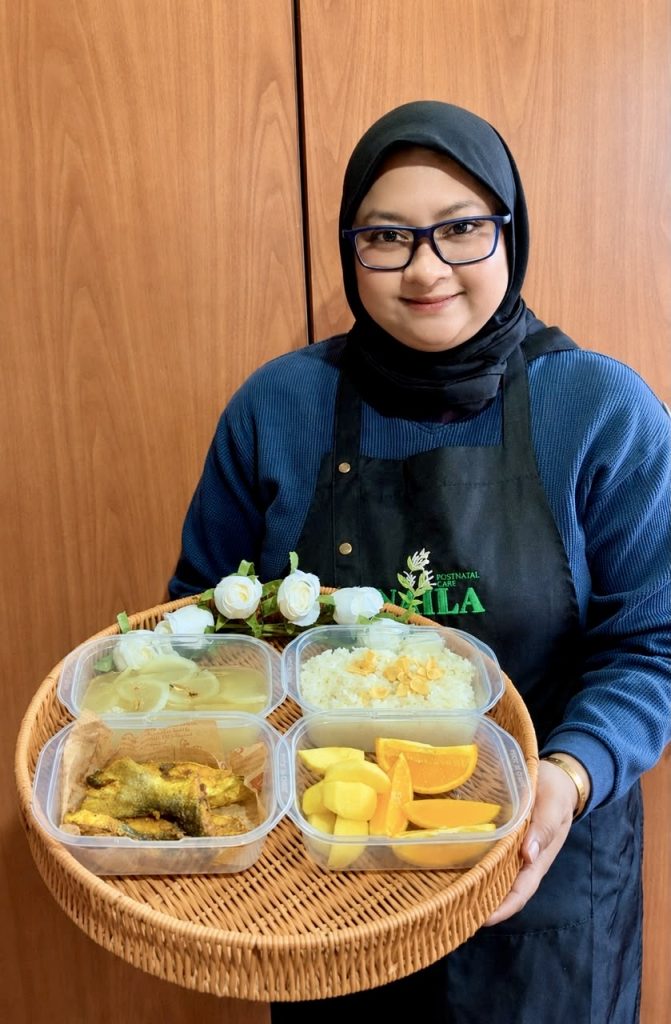
Unlike previous generations, many mothers today are more informed about nutrition and more selective about what they eat. While they continue to appreciate traditional elements, they are also seeking meals that are balanced, flavourful and aligned with modern dietary recommendations.
Many now prefer dishes that are lower in oil and salt and prepared using healthier cooking methods. Variety and convenience have also become increasingly important, particularly for mothers balancing the demands of caring for a newborn.
For Naila, menu diversity serves a purpose beyond simply satisfying different tastes.
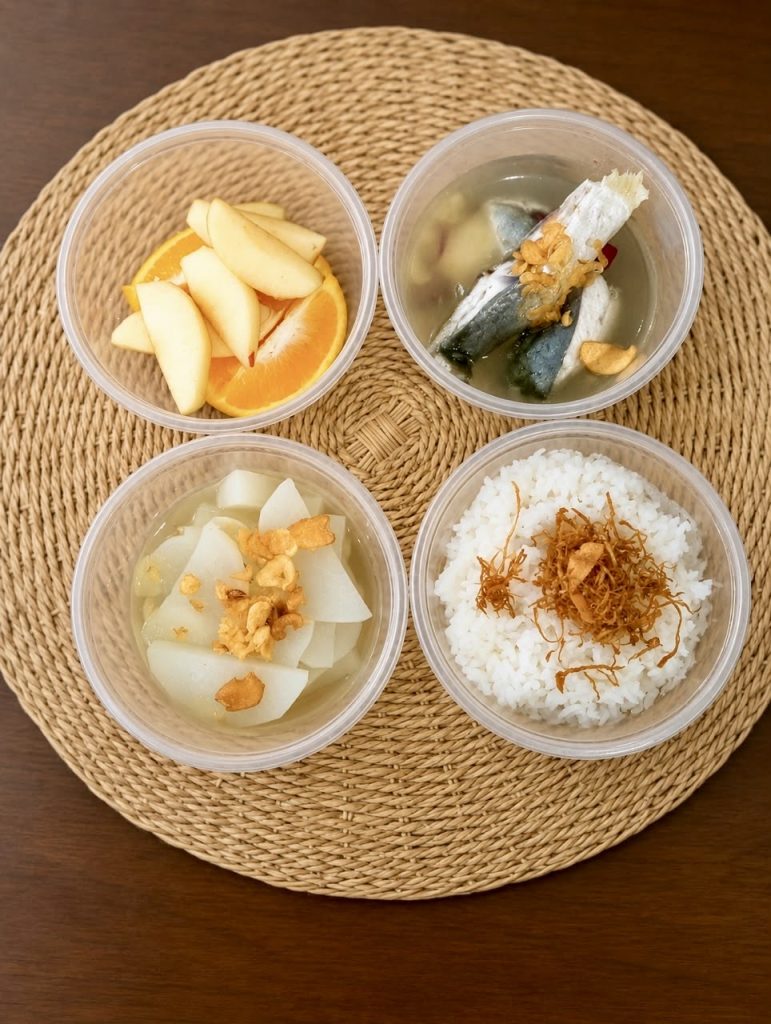
A confinement period can last several weeks, and repeatedly eating the same dishes may affect appetite and enjoyment. A wider range of meals helps mothers remain engaged with their food, making it easier to maintain adequate nutritional intake throughout recovery.
In Sarawak, where communities have long maintained distinct confinement traditions, that diversity is reflected in the meals themselves.
Malay confinement meals often feature spices such as ginger, turmeric and black pepper. Chinese families may favour herbal soups and tonics believed to support recovery, while Indian confinement diets frequently include nourishing dishes such as rasam, ginger-based preparations and ingredients associated with supporting breast milk production.
Among Indigenous communities, including the Iban and Bidayuh, confinement practices have traditionally centred on locally available ingredients and knowledge passed down through generations. Historically, some mothers were encouraged to consume simple meals consisting of rice, smoked or dried fish, wild vegetables and ginger-based drinks while avoiding foods considered unsuitable during recovery.
Although the ingredients and methods differ, Naila noted that the underlying objective remains remarkably similar across cultures.
“All confinement practices share the same goal, which is helping mothers recover after childbirth, regain their strength, support breastfeeding and receive adequate nutrition,” she said.
Feeding mother and baby
Nutrition during confinement also plays a crucial role in supporting breastfeeding.
Producing breast milk requires significant amounts of energy, with nursing mothers generally needing around 500 additional calories per day, according to Naila.
Foods such as oats, papaya and brown rice are often associated with sustained energy intake and support for hormones involved in milk production. At the same time, foods rich in Omega-3 fatty acids and DHA, including salmon, provide nutrients important for a baby’s brain and eye development.
Yet food is only one part of the equation.
Naila pointed out that emotional wellbeing also influences breastfeeding. A calm and comfortable environment during meals and feeding sessions can help stimulate oxytocin, the hormone responsible for the let-down reflex that allows milk to flow more easily.
A changing industry
One of the biggest changes in recent years has been the growing awareness of nutrition within the confinement food industry.
While traditional practices remain influential, modern confinement meals increasingly take into account nutritional science, food safety and the individual needs of mothers.
At the same time, meal delivery services and more flexible menu options have made specialised confinement food more accessible than ever.
Naila said such services are not merely about convenience, but also about helping families cope with the realities of modern life.
“At the same time, we are helping to ease the burden on mothers who go through confinement largely on their own. Many have husbands who are working, while some rely on elderly parents who may no longer have the energy to prepare confinement meals every day.
“By ensuring mothers continue to receive nutritious meals throughout their recovery, families can focus on supporting them in other ways,” she said.
As perceptions evolve, confinement is gradually being viewed less as a period of restriction and more as a time for recovery, nourishment and support.
Yet perhaps the most important lesson extends beyond confinement itself.
“Healthy eating should not only be practised during confinement. It should be part of our daily lives,” Naila emphasised.
Perhaps that is the real lesson behind modern confinement food: not simply how to nourish a mother for 30 or 44 days, but how healthy eating habits can support wellbeing long after the confinement period has ended.