KUCHING: Premier Datuk Patinggi Tan Sri Abang Johari TunOpeng’s leadership is expected to be a major factor influencing voter sentiment in the coming Sarawak election.
Political analyst Dr Hafizan Mohamad Naim believes Abang Johari has become one of the ruling coalition Gabungan parti Sarawak’s (GPS) strongest electoral assets, with his leadership closely tied to the themes of autonomy, stability and long-term development that resonate strongly with Sarawak voters.
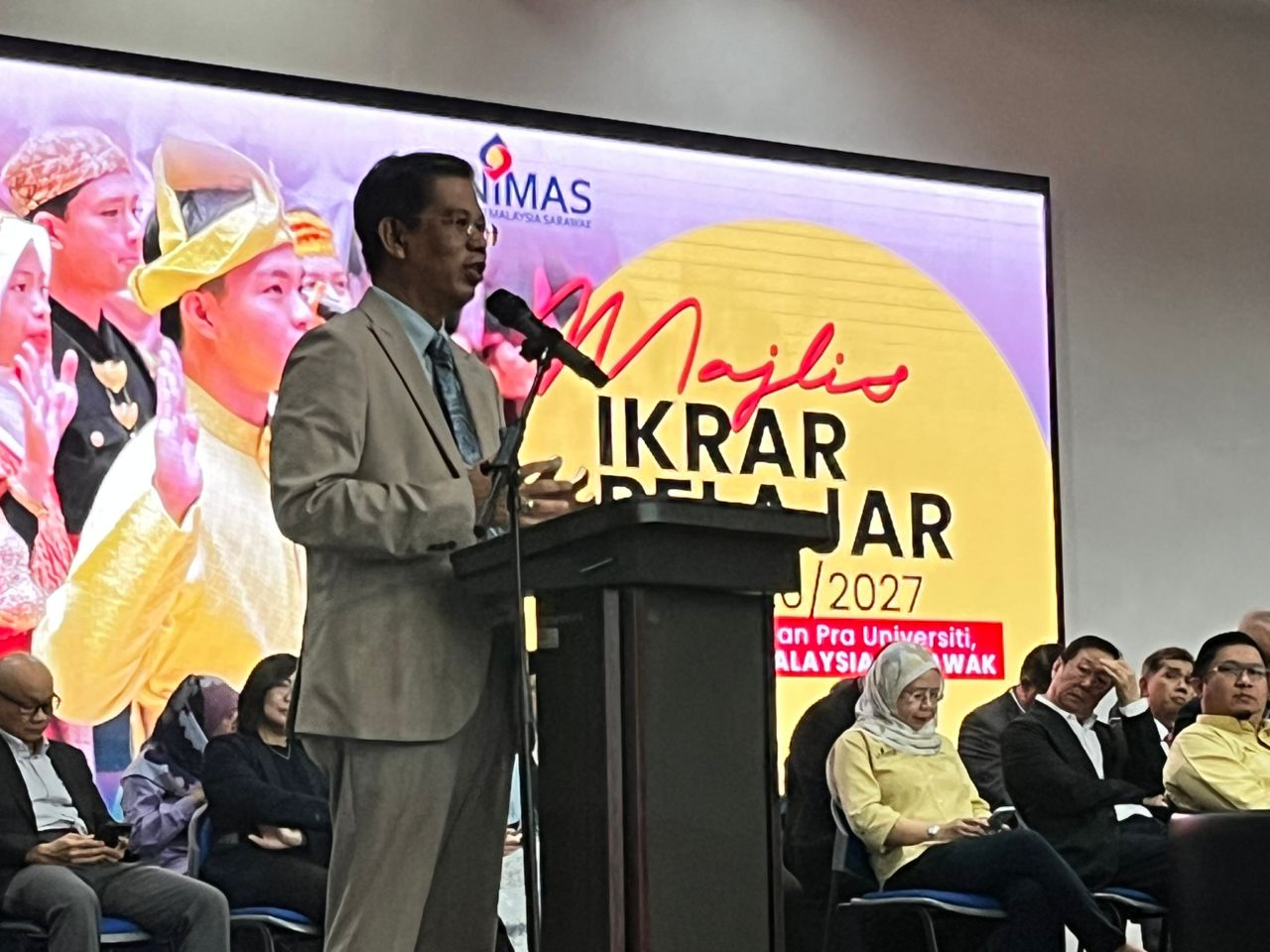
Hafizan, a senior lecturer at the Faculty of Social Sciences and Humanities, Universiti Malaysia Sarawak (UNIMAS), said Abang Johari’s significance stems from his success in transforming GPS into a strong state-based political brand that reflects Sarawak’s aspirations and interests.
“In Sarawak, voter sentiment is often shaped by local identity, development expectations and the perception that the state needs a government capable of speaking firmly on its behalf,” she said.
According to Hafizan, Abang Johari embodies three powerful ideas that are likely to influence electoral behaviour.
The first is autonomy.
She said the Premier has become closely associated with the “Sarawak First” narrative, which centres on state rights, the Malaysia Agreement 1963 (MA63), greater autonomy and Sarawak-based political control.
“Under the Sarawak First narrative, Sarawak must defend its rights and negotiate strongly with Putrajaya. This sentiment matters because voters may view the election as a way to ensure Sarawak continues to be led by a government capable of protecting the state’s interests,” she said.
The autonomy agenda, she added, goes beyond policy and touches on identity and political emotion, making it one of the most effective narratives for mobilising support.
The second factor is stability.
Hafizan noted that GPS has consistently projected itself as a coalition that offers continuity, order and predictable governance, qualities that remain important to voters.
“Voter sentiment is often influenced by whether the ruling coalition can continue delivering development, expanding rural infrastructure and protecting state revenue. These objectives are more likely to be achieved when the government is perceived as stable,” she said.
The perception of stability, she added, becomes particularly significant in an environment where voters are concerned about maintaining economic growth and ensuring development projects continue without disruption.
The third factor is development.
According to Hafizan, Abang Johari’s leadership is strongly associated with a forward-looking development agenda that includes the digital economy, infrastructure expansion, renewable energy, hydrogen technology, artificial intelligence and human capital development.
“These structured development narratives can generate positive sentiment and create confidence and aspirations among voters, especially younger voters who are looking toward future opportunities,” she said.
On whether these policies and initiatives will translate into electoral support, Hafizan said the impact is likely to be substantial, although not automatic.
She explained that policies are most effective electorally when voters perceive them as visible, credible and personally beneficial.
“In Sarawak’s case, many of Abang Johari’s policies are not abstract. They are linked to concrete and emotionally powerful themes such as Sarawak rights, state revenue, free tertiary education, infrastructure, rural development, energy transition, AirBorneo and the broader Post-COVID-19 Development Strategy 2030,” she said.
Among these initiatives, Hafizan believes the free tertiary education scheme has significant electoral appeal because it directly affects families, students and young voters.
“It sends a message that Sarawak’s stronger revenue position is being returned to the people through investment in future human capital. This creates tangible social benefits that voters can easily appreciate,” she said.
At the constituency level, she noted that voters often assess governments based on practical improvements to their daily lives, including roads, bridges, electricity, water supply and internet access.
“In many constituencies, voters do not separate local candidates from the state leadership. Supporting a GPS candidate can be understood as supporting the continuation of Abang Johari’s development agenda,” she said.
Ultimately, Hafizan argued that the autonomy and Sarawak-rights narrative may remain GPS’ most effective electoral advantage because it operates at a deeper emotional level.
“When GPS is framed as the defender of Sarawak rights, the election becomes a question of who has the legitimacy to safeguard the state’s interests. Once voters accept that framing, GPS gains an advantage even before local issues are debated,” she said.
For many Sarawakians, she added, Abang Johari’s leadership has become closely linked to state pride, autonomy and the vision of a more prosperous future, making him a central figure in shaping voter sentiment ahead of the state election.