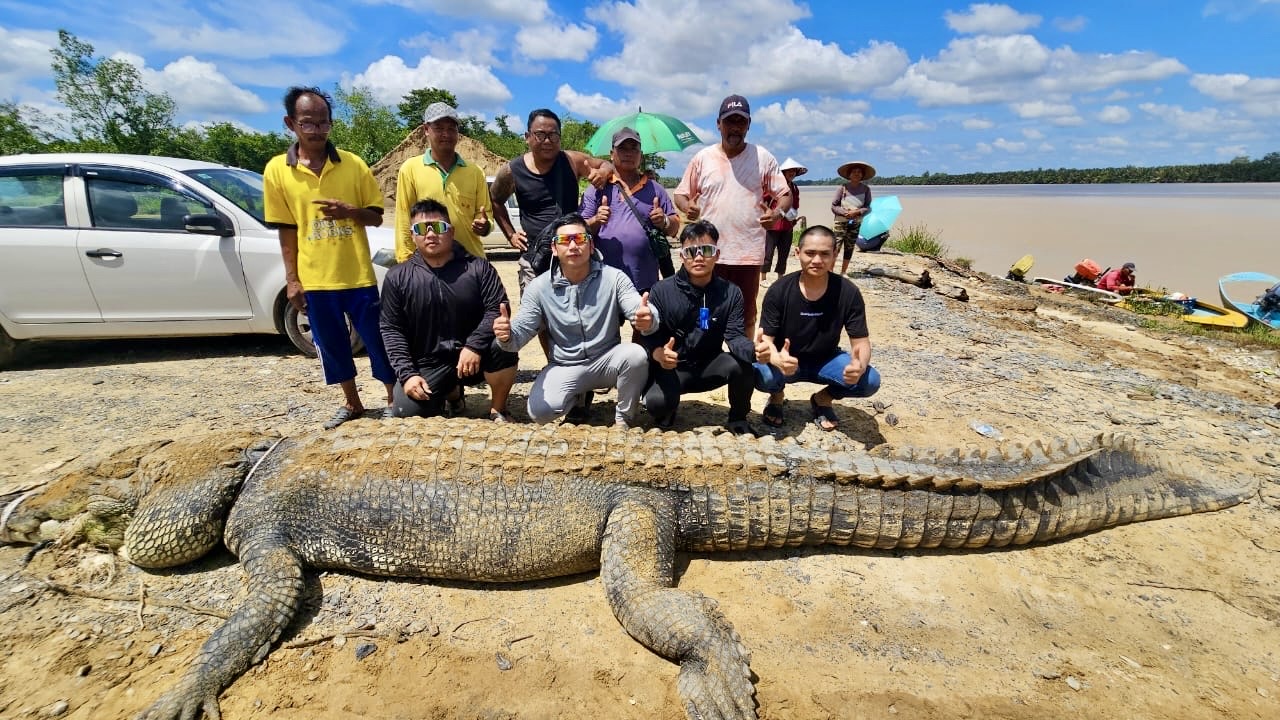
Jeferry Siew’s decision to apply for a crocodile hunting licence was driven not by hatred, but by a desire to protect river communities while maintaining respect for the reptile that has long shared Sarawak’s waterways.
Living between livelihood and fear
For generations, Sarawak’s rivers have sustained communities, carried families between settlements and provided livelihoods for countless fishermen.
Long before roads connected many rural areas, the river was a lifeline. Even today, many communities continue to depend on its waters for food, income and daily life.
Yet for those who earn a living on the river, something has changed.
What was once approached with familiarity is now often met with greater caution. A fishing trip, a boat journey or even a routine stop along the riverbank can come with an added sense of vigilance, shaped by growing concerns over crocodile encounters.
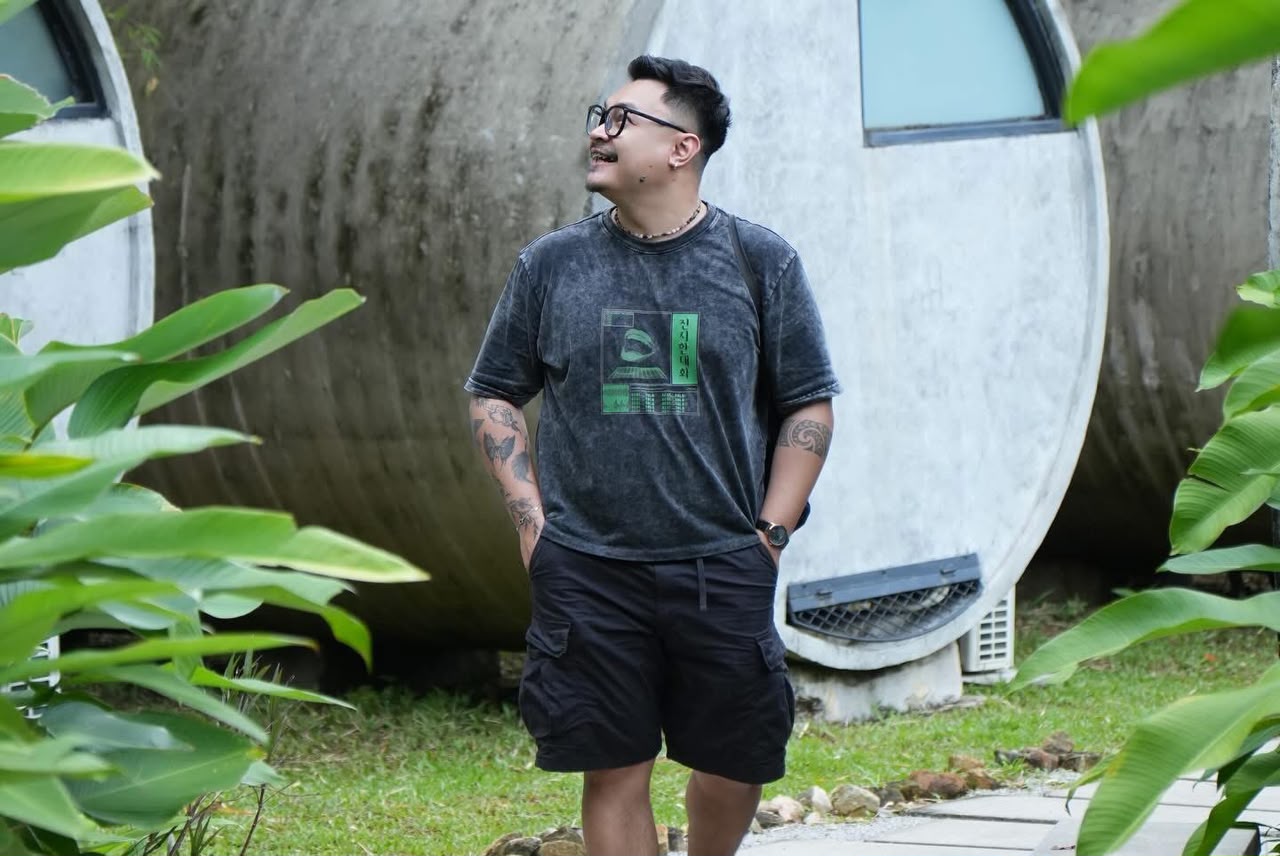
For 41-year-old Jeferry Siew from Sibu, those concerns are not merely headlines.
As a freshwater fish wholesaler who works closely with fishermen and riverine communities across Sarawak, he regularly hears stories of sightings, close encounters and the fears that increasingly accompany life on the water.
Standing at the intersection of two worlds — one dependent on the river and another shared with one of Sarawak’s most iconic predators — Siew eventually made a decision that may surprise some people: he applied for a crocodile hunting licence.
Yet his decision was never driven by a desire to eliminate crocodiles. In fact, it began with respect.
Lessons from the river
Growing up around rivers and rural communities, Siew developed a fascination with the natural world from an early age.
His interest in crocodiles emerged not because he wanted to hunt them, but because he wanted to understand them.
“My interest in crocodiles was never about wanting to hunt them. I wanted to understand their behaviour, their habitat and the role they play in the ecosystem,” he told Sarawak Tribune.
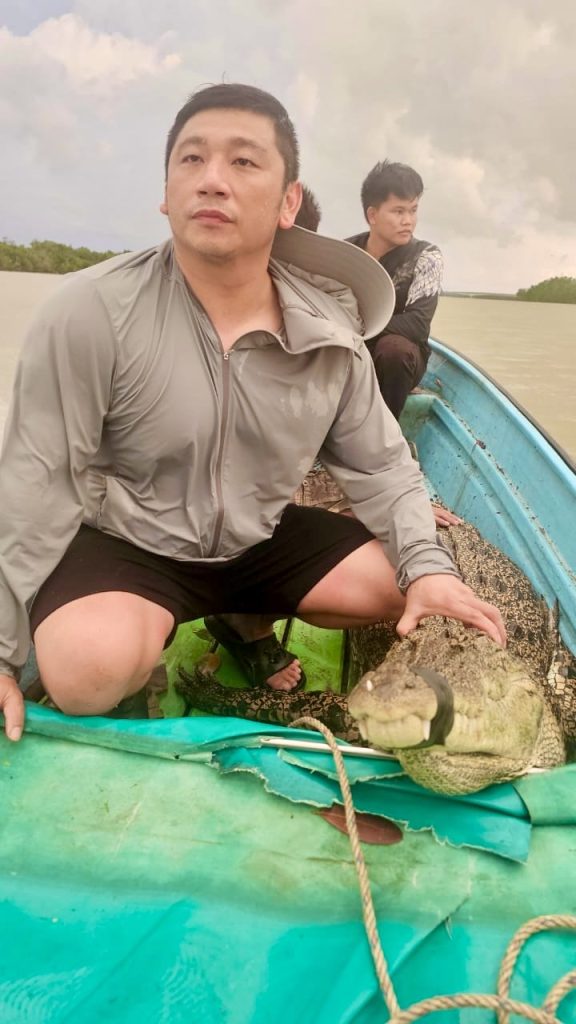
Like many Sarawakians, he was raised on lessons passed down by older generations. The river, he said, was always treated with respect.
“The elders always taught us to respect the river because it is a source of life and, at the same time, the natural habitat of crocodiles.
“We were taught to be careful, not to take safety lightly, and to understand that humans share nature with wildlife,” he said.
Those lessons remain with him today. Far from viewing crocodiles as enemies, Siew regards them as an important part of Sarawak’s natural heritage.
As apex predators, crocodiles play a vital role in maintaining balance within river ecosystems.
At the same time, however, he believes respect for crocodiles should not prevent honest conversations about the challenges faced by communities living alongside them.
That understanding would eventually shape the way he viewed the growing concerns being voiced by fishermen across the state.
When fear reaches the river
Through his work as a fish wholesaler, Siew is in regular contact with fishermen whose livelihoods depend entirely on the river.
Over the years, he has listened to countless accounts of crocodile sightings and concerns raised by those who spend long hours on the water.
In recent years, he said, those concerns appear to have become more frequent.
“Almost every few months, we hear news about crocodile attacks that result in injuries or loss of life,” he said.
Such incidents have consequences that extend beyond the immediate victims.
According to him, fear itself can become a burden carried by entire communities. Many fishermen, he said, have become increasingly cautious about venturing onto the river.
Some reduce the amount of time they spend fishing. Others avoid certain locations altogether. A few have even stopped fishing because they no longer feel safe.
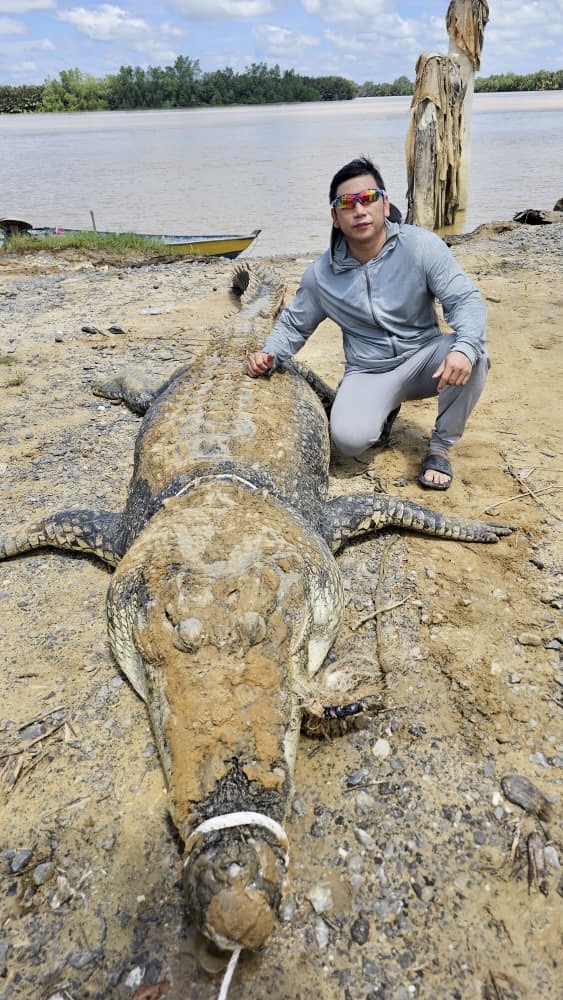
“When fishermen cannot go to the river, freshwater fish supplies are affected and family incomes suffer,” he said.
For communities that depend on fishing as a primary source of income, the impact can be significant. It was these concerns that eventually motivated him to apply for a crocodile hunting licence.
“My purpose is not because I hate crocodiles, but because I want to help manage human-crocodile conflict legally, professionally and responsibly,” he emphasised.
His decision initially caused concern among family members and friends. They knew that dealing with crocodiles was not easy and understood the risks involved.
“At first, they were worried because this is a high-risk activity.”
However, after learning more about his intentions and understanding that any action would be carried out according to established laws and safety procedures, they gradually became supportive.
Today, they continue to encourage him.
But for Siew, obtaining a licence is not simply about taking action against crocodiles. It is about knowing when action is necessary — and when it is not.
Respect, responsibility and balance
One assumption often directed at crocodile hunters is that they must dislike or fear the animals they pursue.
Siew disagrees.
“I do not agree with that perception. A person cannot manage an animal properly if they do not understand and respect it,” he pointed out.
For him, respect and responsibility go hand in hand.
He describes crocodiles as one of the most remarkable animals in nature and believes that understanding their behaviour is essential for effective management.
That respect also shapes his views on what it means to become a licensed crocodile hunter.
According to Siew, the role is not simply about removing animals. Rather, it involves making careful judgments that prioritise public safety while recognising the importance of wildlife conservation.
“The biggest responsibility is ensuring public safety without neglecting the importance of wildlife conservation. Not every crocodile needs to be removed,” he said.
That point is particularly important to him. Many people, he believes, assume that any crocodile spotted near a community should automatically be considered dangerous.
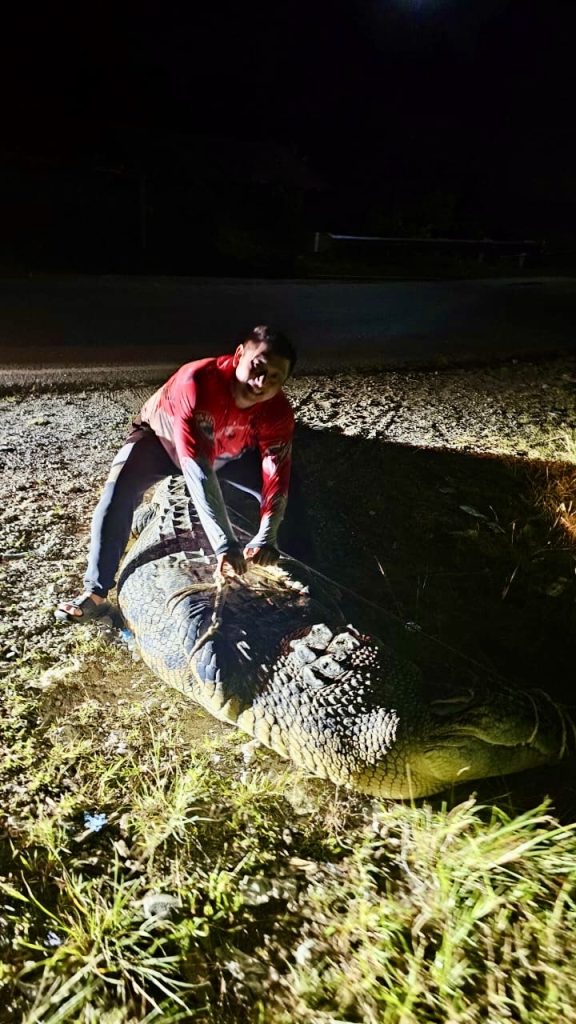
The reality is more complex. Most crocodiles are simply occupying their natural habitat and do not necessarily pose a threat to humans.
Determining whether a crocodile presents a genuine danger requires careful assessment.
Reports from local residents, the location of sightings, the frequency of appearances, the animal’s behaviour and the level of risk to nearby communities all need to be considered.
“Most crocodiles are simply living in their natural habitat. But when a crocodile repeatedly appears in areas used by people or displays aggressive behaviour, then the risk needs to be taken seriously.”
He also believes the wider conversation about crocodiles should avoid extremes. While public safety must remain a priority, he does not support indiscriminate hunting or the blanket removal of crocodiles.
Instead, he advocates effective population management, continuous monitoring, public education and targeted action against crocodiles that genuinely pose a threat.
“We need to find a balance so that humans and crocodiles can continue to exist together,” he said.
A river shared
Finding that balance has become increasingly important as people’s relationship with rivers continues to evolve.
While rivers remain central to life in many parts of Sarawak, they are no longer used in exactly the same way as they once were.
“There was a time when people swam, fished and carried out daily activities along riverbanks without thinking too much about it. Today, people are far more cautious,” Siew said.
Visiting the river now, he added, requires a greater level of awareness than before. Yet caution should not become fear. Instead, he believes river users must learn to adapt while maintaining respect for the environment around them.
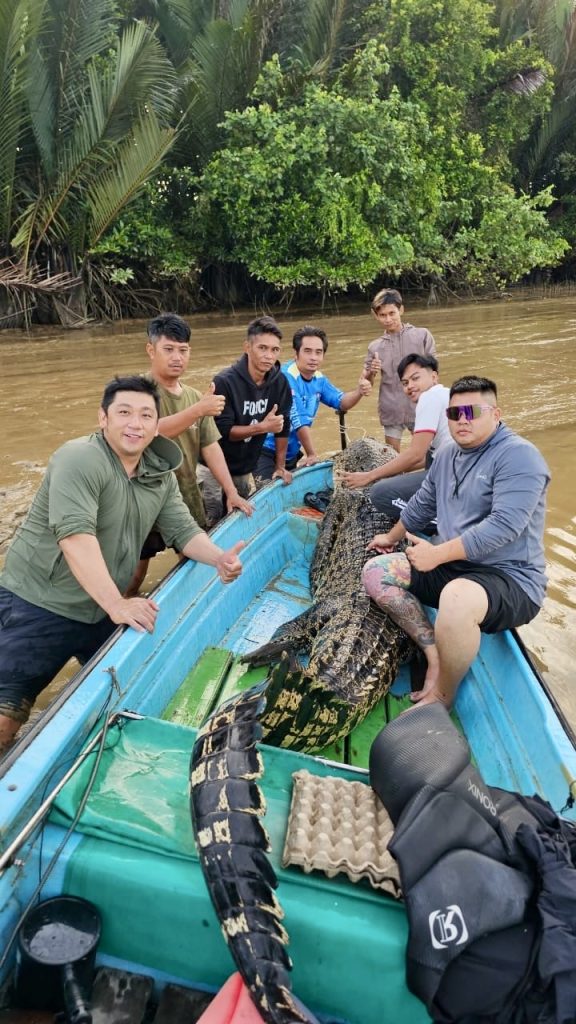
Beyond the issue of crocodile encounters, he is also involved in the sale and consumption of crocodile meat, an area that often sparks curiosity among the public.
Public acceptance of crocodile meat, Siew said, has improved compared to the past.
Many consumers now recognise it as an alternative source of protein, while others are becoming more interested in learning about crocodile-based industries that operate legally and sustainably.
He also noted that many people misunderstand what happens after a crocodile is captured or removed.
“People often think it is simply about catching the animal,” he said.
In reality, crocodile management involves far more than that. Every action must comply with regulations and procedures established by the authorities, including documentation, monitoring and adherence to the law.
For him, these processes are essential in ensuring that crocodile management remains responsible and accountable.
As World Crocodile Day draws attention to one of the world’s oldest and most misunderstood predators, he hopes the conversation will move beyond fear alone.
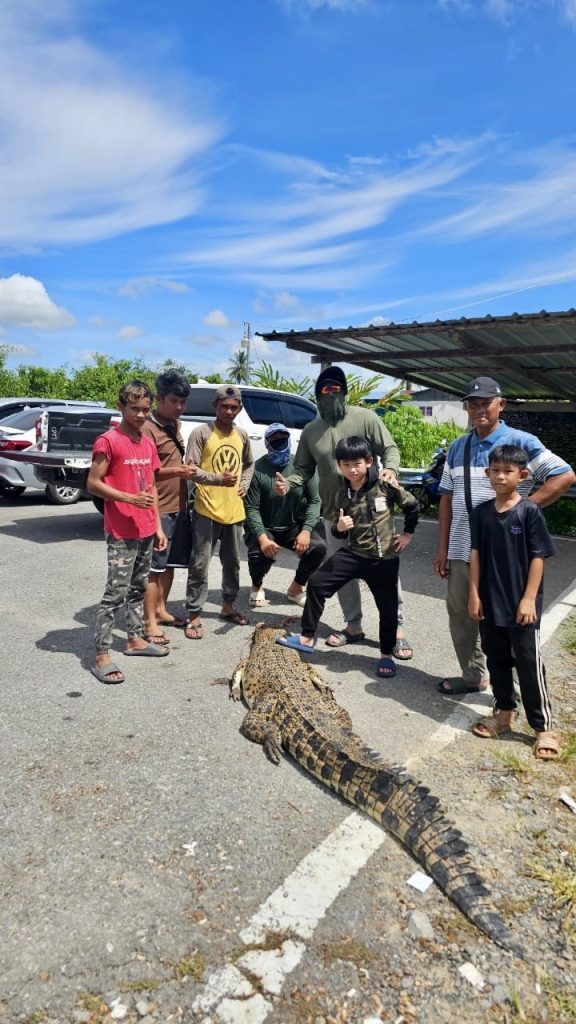
His message is not one of conflict. Nor is it a call to remove crocodiles from Sarawak’s rivers. Instead, it is a reminder that both people and wildlife have long depended on the same waterways.
He encourages those who live, work or travel along rivers to remain vigilant, avoid unnecessary risks, follow safety advisories and stay aware of their surroundings.
For fishermen and others whose livelihoods depend on the river, he believes awareness and discipline remain the best forms of protection.
Ultimately, his mission is simple.
“I do not oppose crocodiles and I do not hate crocodiles. I respect crocodiles as part of Sarawak’s natural heritage.
“But as someone who works with fishermen every day, I also see how fear of crocodile attacks affects their lives.
“We need to protect crocodiles, but at the same time we must ensure that communities that depend on the rivers can live and work more safely,” he said.
For Siew, the future is not about choosing between people and crocodiles. It is about ensuring that both can continue to coexist along the rivers that have sustained Sarawak for generations. After all, the river has long belonged to both.