KUCHING: Universities must move beyond treating research solely as an academic achievement and instead position it as an economic instrument capable of generating tangible value for society, says Universiti Malaysia Sarawak (UNIMAS) vice-chancellor Professor Dr Ahmad Hata Rasit.
He said the upcoming University Research and Innovation Investment Summit (URIIS) 2026 marks a significant shift in the country’s higher education and innovation landscape by creating a national platform dedicated to transforming research excellence into investible innovation.
“Research can no longer be viewed merely as academic output. It must serve as an economic instrument capable of creating real, tangible value for society.
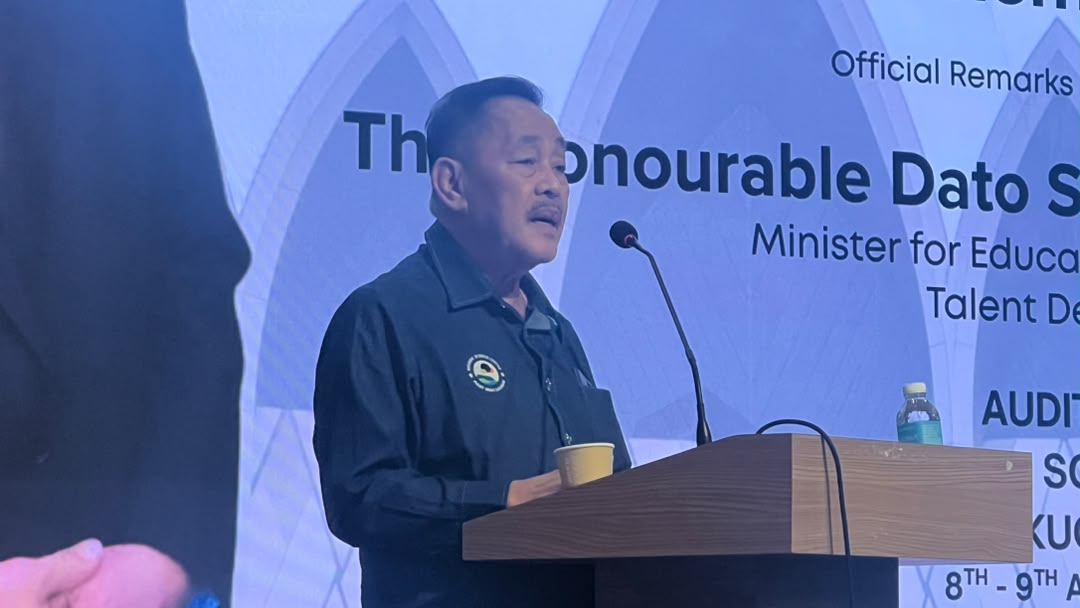
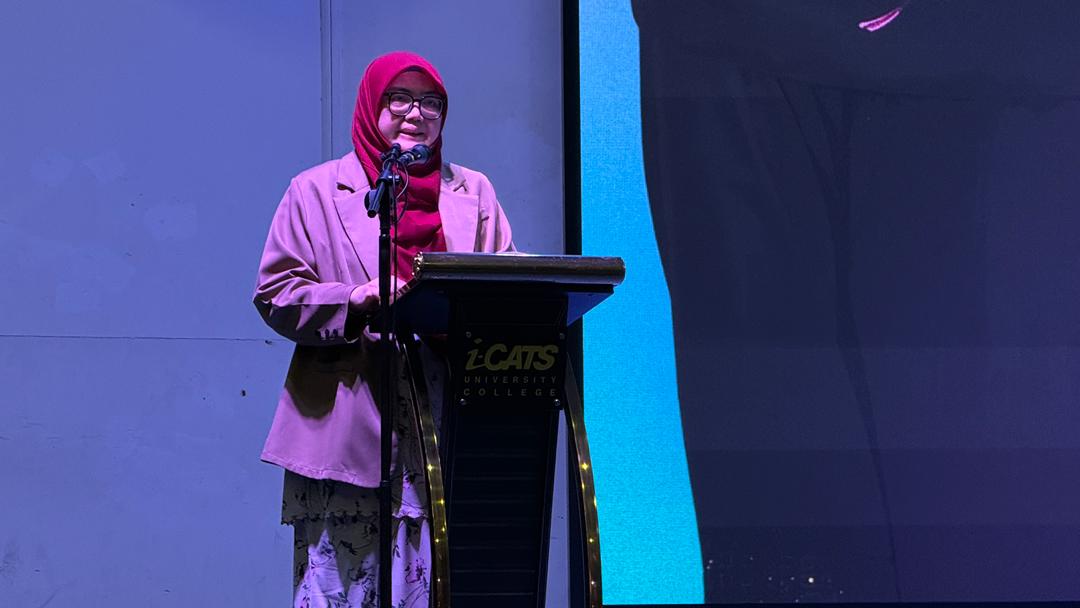
“URIIS 2026 is Malaysia’s inaugural national platform dedicated to transforming university research excellence into investible innovation,” he said in his opening and launching remarks at the Industry-University Research & Innovation Investment Dialogue 2026 Series 7, held in conjunction with the University Research & Innovation Investment Summit (URIIS) 2026 at i-CATS University College here today.
His speech was delivered by UNIMAS deputy vice-chancellor (Research and Innovation) Professor Dr Siti Noor Linda Taib.
According to Ahmad Hata, URIIS 2026, which will be held in Kuala Lumpur this September, is not a conventional academic exhibition but a curate and deal-oriented marketplace designed to connect industry challenges directly with university-developed solutions.
He said the initiative aims to position Malaysia’s public universities as strategic investment hubs for frontier research and commercialisation while aligning innovations with national frameworks such as the New Industrial Master Plan 2030 (NIMP 2030) and the National Energy Transition Roadmap (NETR).
“By building an ecosystem of investable research, universities will be empowered to generate economic value and reduce reliance on public funding.
“We want our laboratories and campuses to become places where venture capitalists, angel investors and multinational corporations come to co-create solutions,” he said.
Ahmad Hata stressed that the pre-event dialogue held in Kuching plays a crucial role in laying the groundwork for the national summit by bringing together industry players, academics and investors to identify real-world challenges and explore collaborative solutions.
He said the session would focus on sharing industry problem statements, discussing funding opportunities for joint projects and assessing gaps in academic and technical readiness levels to ensure innovations presented at URIIS 2026 are market-ready and attractive to investors.
The discussions centred on sectors where Sarawak and Borneo possess competitive advantages, including semiconductors, smart cities and artificial intelligence, sustainable energy, aerospace, agrotechnology, biodiversity and Technical and Vocational Education and Training (TVET).
“These niche areas align closely with the Post COVID-19 Development Strategy (PCDS) 2030 and support Sarawak’s aspiration of becoming a thriving society driven by data and innovation,” he said.
Ahmad Hata added that universities can no longer operate in silos and must work closely with industry partners to co-create technologies and sustainable solutions that address future economic and societal needs.
He reaffirmed UNIMAS’ commitment to serving as a strategic partner to industry, not only by producing talent but also by driving innovation and facilitating high-value investments through research commercialisation.