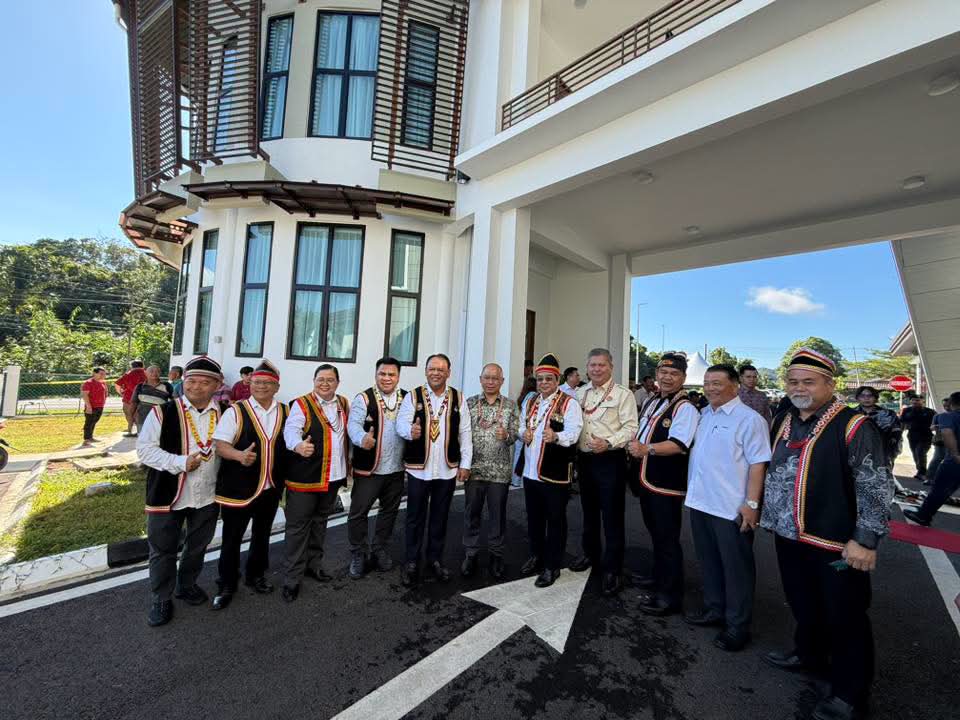
FOR generations, the Bidayuh community in Bau carried a shared aspiration – to have a cultural landmark that would stand as a proud symbol of their identity, heritage and unity.
Today, that dream has become a reality with the completion of the Bau Bidayuh Cultural Centre (BCC), a landmark project that is already transforming the social and cultural landscape of the district.
Strategically located along Jalan Jambusan Lama, the BCC is much more than a building.
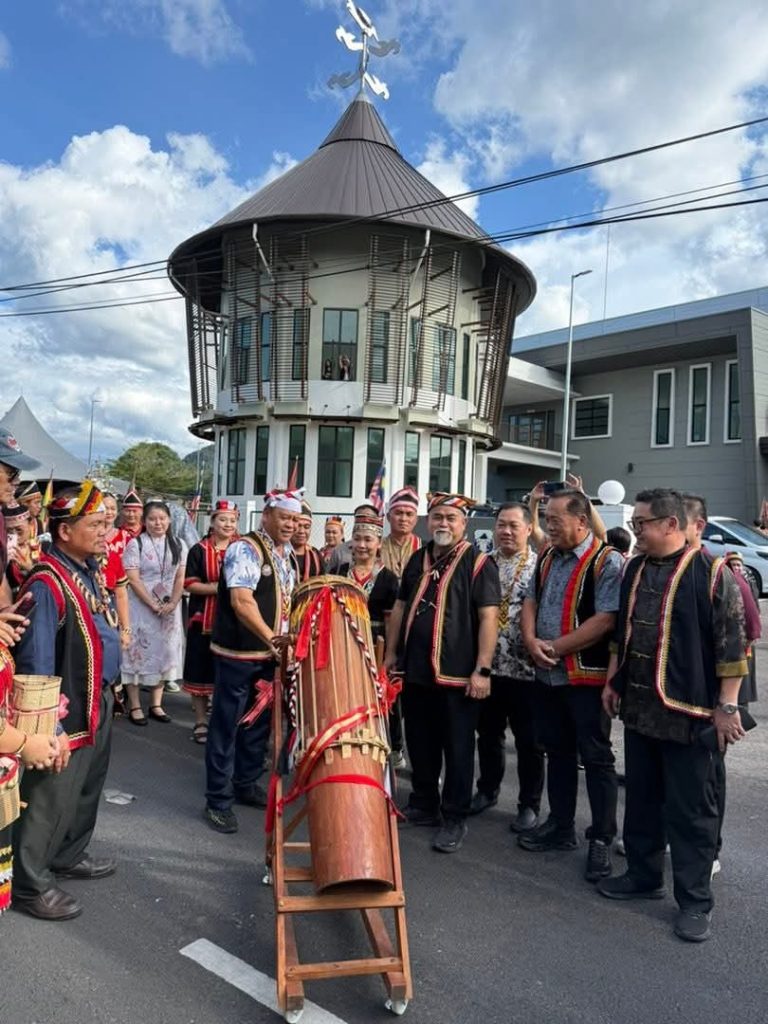
It represents the culmination of years of planning, community aspirations, and strong government support.
It is a place where culture, history, education and community development converge, ensuring that the rich heritage of the Bidayuh people continues to thrive for future generations.
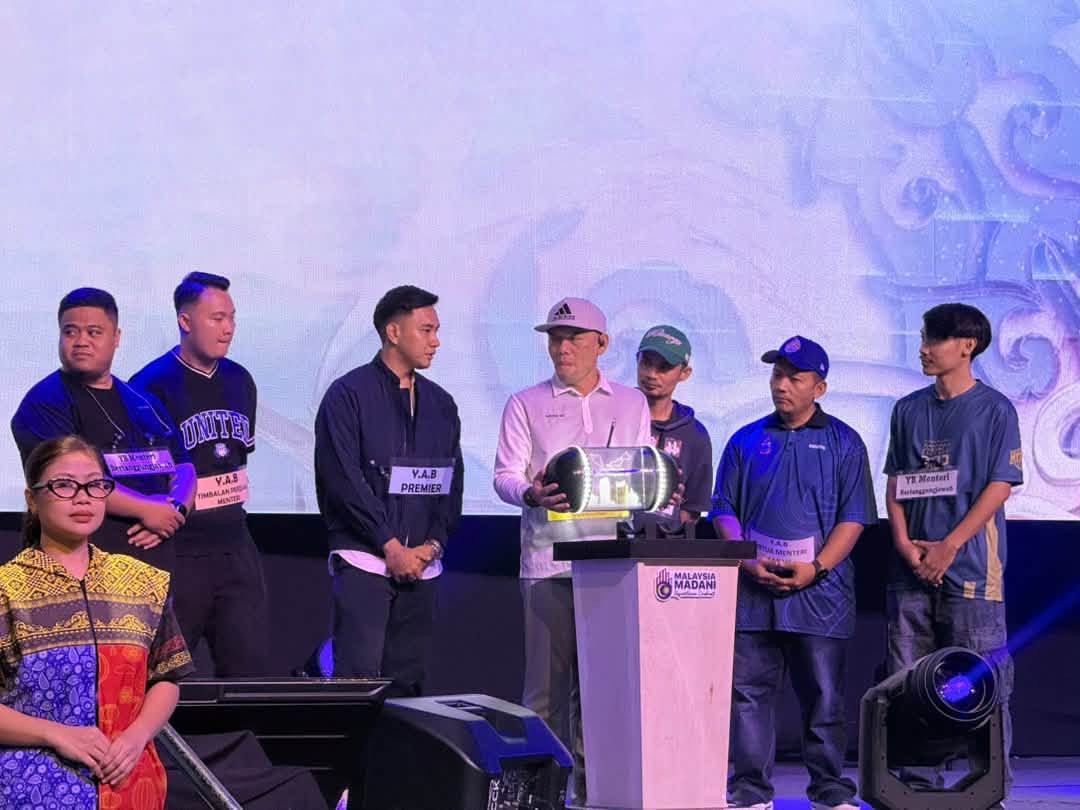
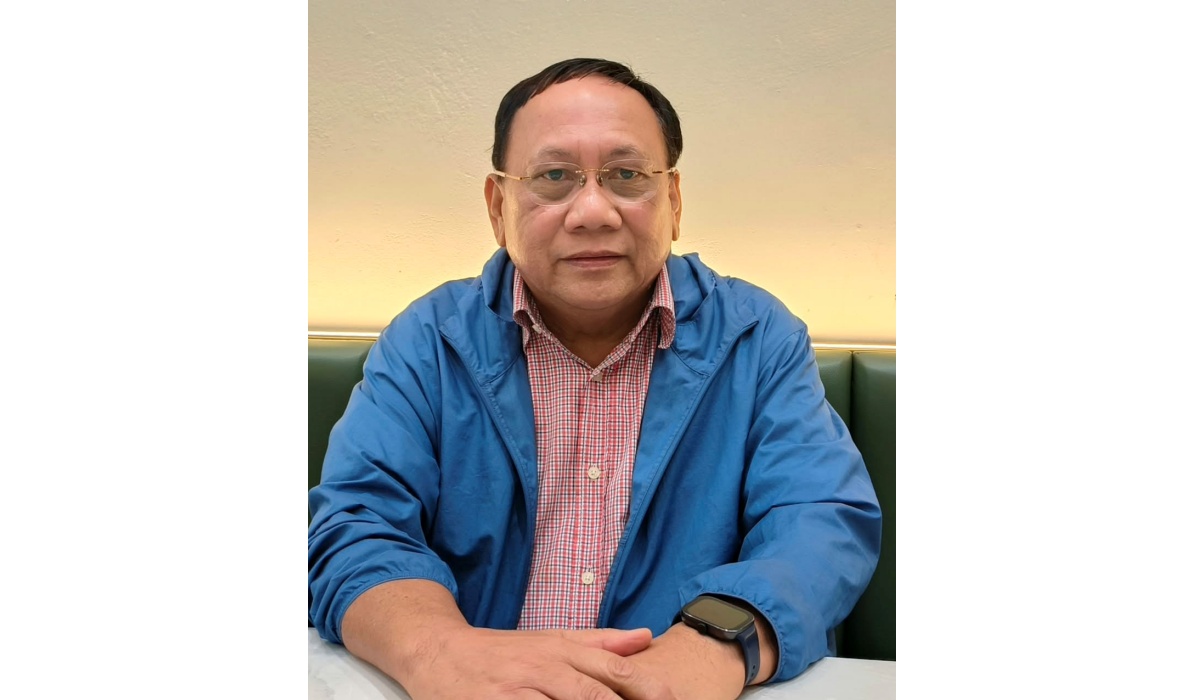
Deputy Minister for Transport (Riverine and Marine), Datuk Henry Harry Jinep, described the centre as the fulfilment of a long-held dream of the Bidayuh community in Bau.
“For a long time, the Bidayuh community in Bau has dreamed of having a centre that would serve as a symbol of our identity, heritage and unity. Today, that dream has finally become a reality,” he said.
According to Henry, the achievement did not happen overnight. Instead, it was the result of a clear vision, strategic planning, and collaboration among multiple stakeholders under the ‘Blueprint for Bau District 2016-2030’ and the ‘Greater Bau 2030 Initiative’.
These long-term development frameworks recognised that progress should not be measured solely through physical infrastructure and economic growth.
Equally important is the preservation of local culture, traditions and identity, which form the foundation of a community’s unique character.
The BCC was implemented under the People’s Project allocation with an approved cost of RM9 million. The project reflects the Sarawak Government’s commitment to ensuring that development remains inclusive and culturally grounded.
Henry expressed the community’s appreciation to Premier Datuk Patinggi Tan Sri Abang Johari Tun Openg and the Sarawak Government for their support, vision and financial allocation that enabled the project to become a reality.
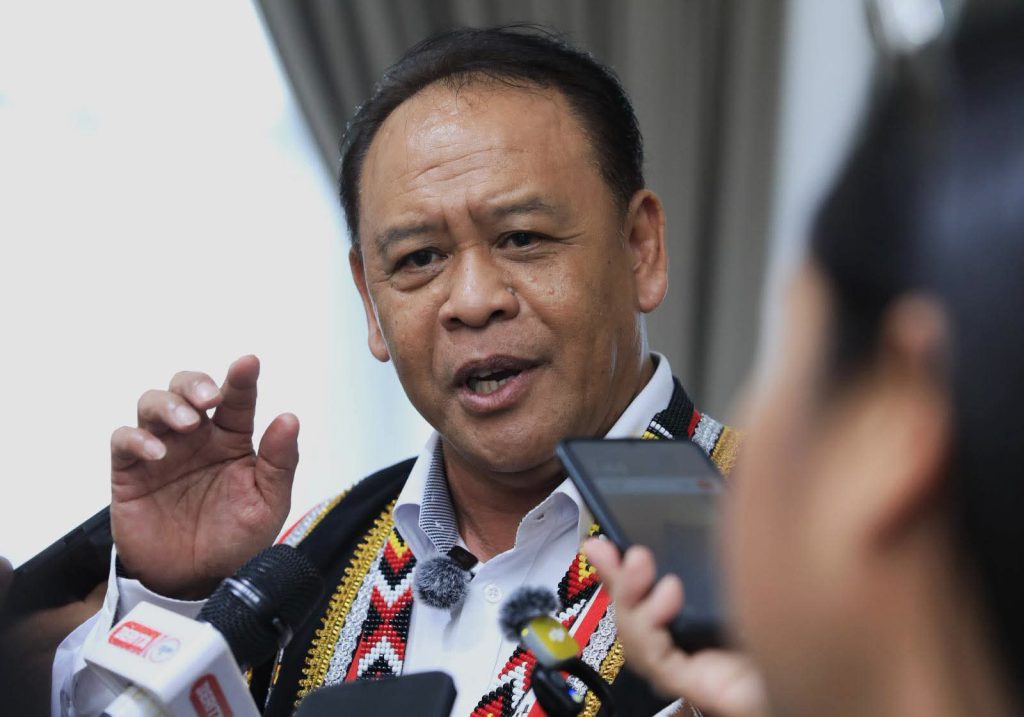
“Without the support and confidence of the Sarawak Government, this long-awaited dream of the Bidayuh community to have a cultural landmark of our own in Bau Town would not have been possible,” he said.
The journey towards establishing the cultural centre was not a short one. The idea was mooted as part of broader efforts to elevate Bau as a centre of cultural tourism and community development under the ‘Greater Bau‘ vision.
Years of planning, consultations and development work were required before the project finally took shape.
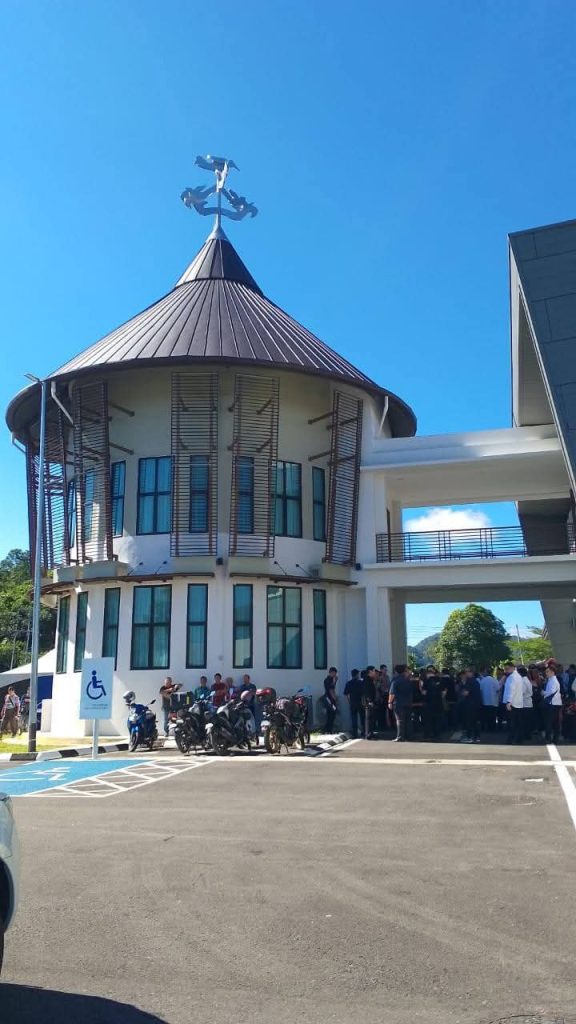
Today, the completed centre stands as a striking landmark that immediately captures attention through its iconic architectural design.
The front facade is modelled after the traditional Bidayuh Baruk, the distinctive round ceremonial house that has long served as a symbol of leadership, unity and community life among the Bidayuh people.
The incorporation of the Baruk design is significant because it visually communicates the centre’s purpose.
Visitors arriving at the complex instantly recognise its connection to Bidayuh heritage, making it one of the most identifiable cultural landmarks in the district.
Beyond its architectural appeal, the BCC offers modern facilities that meet the needs of contemporary communities.
The complex houses a grand multipurpose hall capable of accommodating more than 1,000 people or up to 100 banquet tables, making it the largest indoor event venue in Bau.
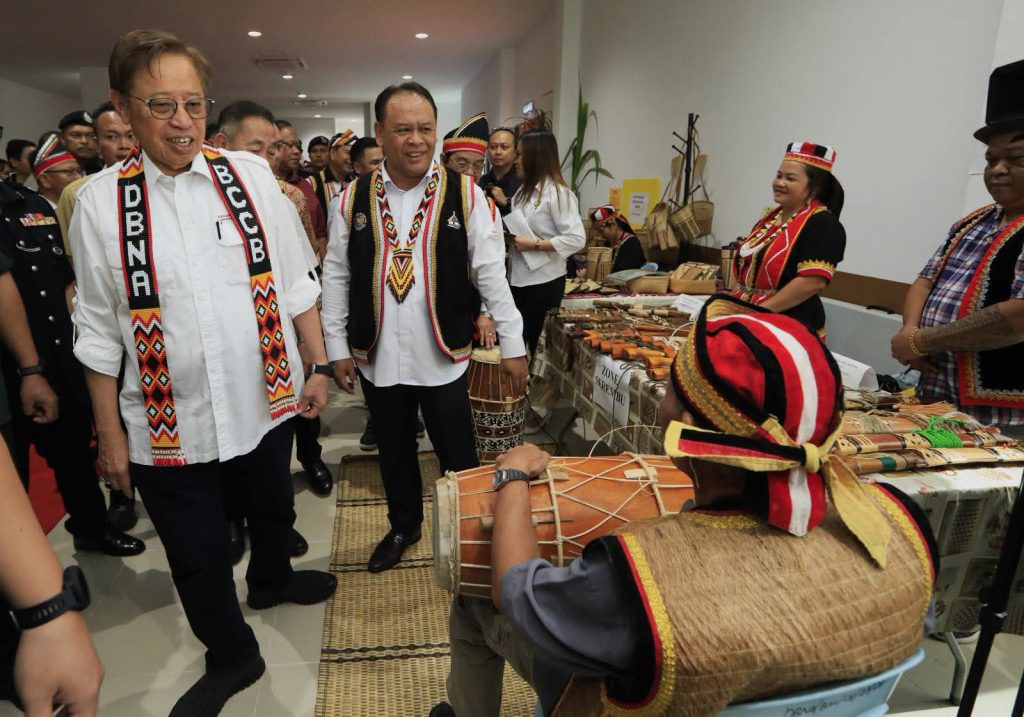
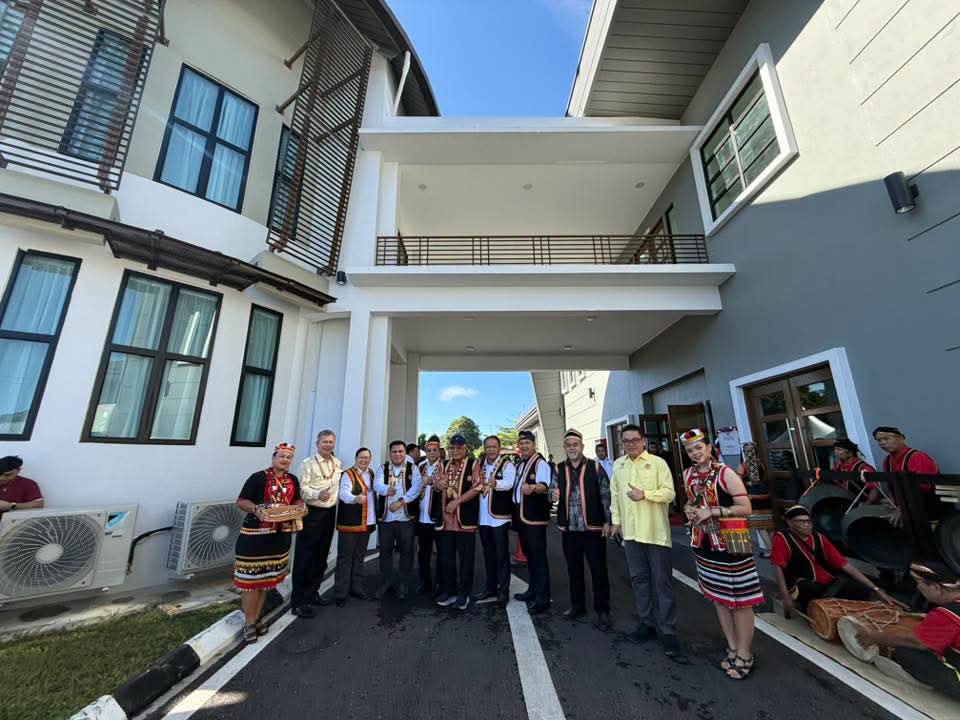
For many years, major community celebrations, weddings, conventions and cultural gatherings often relied on temporary tents and outdoor canopies, leaving organisers vulnerable to unpredictable weather conditions.
The new centre addresses this long-standing challenge by providing a comfortable and permanent venue for large-scale events.
The facility also includes exhibition spaces, meeting rooms, and a traditional Baruk, creating opportunities for cultural displays, educational programmes, and community engagements throughout the year.
Importantly, the Sarawak Government did not envision the BCC merely as another community hall. Instead, it was planned as a cultural landmark that would serve both present and future generations.
Henry noted that true development is achieved when communities are able to move forward without losing their identity and cultural roots. The BCC embodies that philosophy by combining modern infrastructure with cultural preservation.
The centre has already begun fulfilling its intended role as a community hub.
Since its completion, it has hosted a variety of programmes including the Bau Gawai Parade, youth development initiatives, and educational carnivals.
These activities demonstrate how the BCC is becoming a catalyst for community empowerment, youth engagement, and human capital development.
One of the most important aspects of the centre is its role in preserving and transmitting cultural knowledge. In an era of rapid urbanisation and globalisation, cultural traditions can easily be diluted or forgotten.
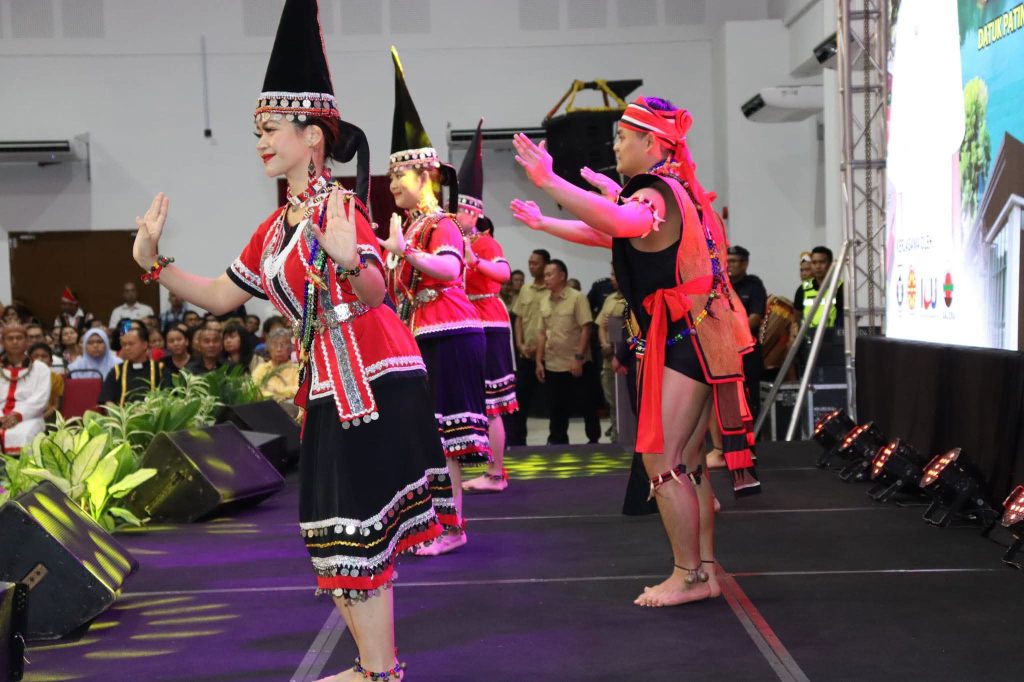
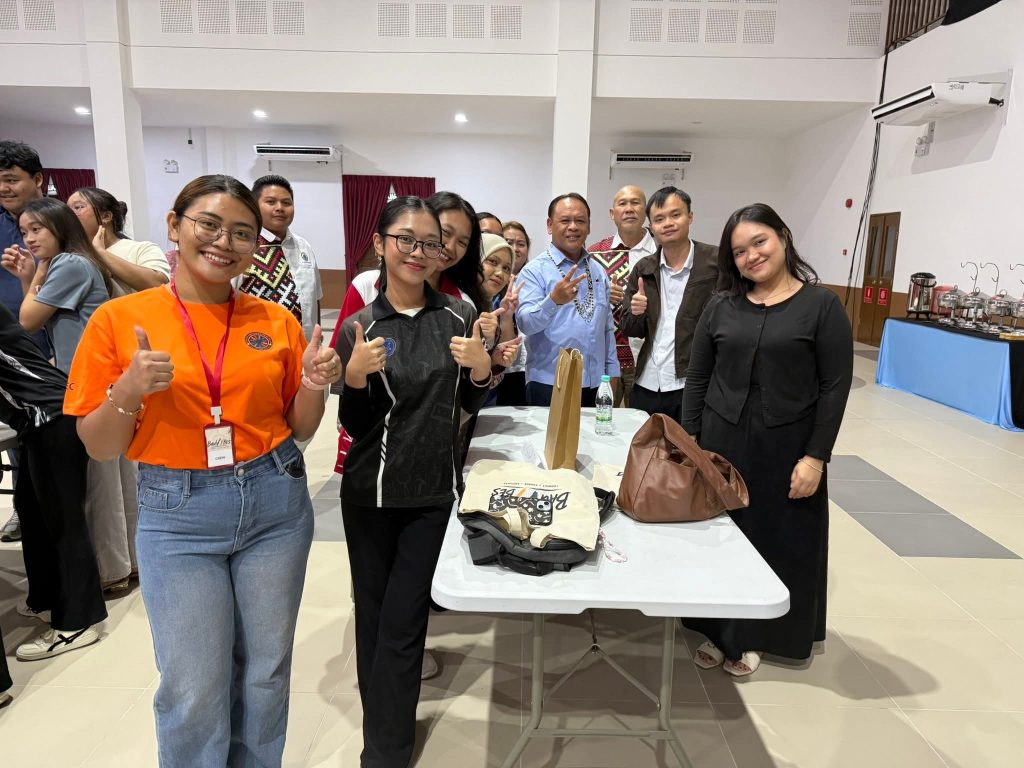
The BCC provides a dedicated space where the younger generations can learn about their heritage, study the Bidayuh language, and gain a deeper appreciation of their ancestral traditions.
The centre also serves as a platform for cultural performances, traditional arts exhibitions, and educational activities that help ensure cultural continuity.
Beyond the Bidayuh community, the BCC is expected to play a significant role in promoting tourism and economic development in Bau.
Situated near the Sarawak-Kalimantan border, Bau has increasingly positioned itself as a gateway destination for cultural and heritage tourism.
The BCC strengthens that positioning by offering visitors an authentic introduction to Bidayuh history, customs and artistic traditions.
Its exhibition galleries, performance spaces, and cultural programmes may provide opportunities for tourists to experience the richness of Bidayuh culture while contributing to the local economy through increased visitor spending.
The centre’s broader significance was highlighted by Minister of Education, Innovation and Talent Development, Datuk Seri Roland Sagah Wee Inn, who emphasised that the BCC is not intended exclusively for the Bidayuh community.
Although it bears the name Bidayuh Cultural Centre, Sagah, who is also Dayak Bidayuh National Association (DBNA) Adviser, stressed that the facility belongs to all communities.
People from different ethnic backgrounds are welcome to use the centre for cultural, social and community events, reflecting Sarawak’s longstanding tradition of inclusivity and multicultural harmony.
This openness reinforces one of the centre’s most important functions – serving as a bridge between communities while celebrating cultural diversity.
The management of the facility has been entrusted to DBNA, which is expected to handle bookings and coordinate a wide range of cultural, educational and community-based programmes.
Under DBNA’s stewardship, the centre is poised to become a vibrant venue for conferences, exhibitions, festivals, youth activities, and cultural exchanges that will benefit both residents and visitors.
As Bau continues to develop under the ‘Greater Bau’ vision and the Post COVID-19 Development Strategy (PCDS) 2030, projects such as the BCC illustrate the meaning of balanced development.
Roads, bridges and buildings remain essential, but sustainable progress also requires investments in people, culture and social cohesion.
The BCC stands as a testament to that belief. It is a symbol of a community’s resilience, a repository of cultural heritage, and a platform for future growth.
Most importantly, it demonstrates that development and tradition can coexist harmoniously. By preserving the past while embracing the future, the BCC has become not only a landmark for Bau but also a source of pride for Bidayuh communities across Sarawak and beyond.
For many, it is the realisation of a dream decades in the making. For future generations, it will serve as a living reminder of who they are, where they come from, and the heritage they are entrusted to preserve.