For many SMEs, digitalisation is no longer about adoption alone, but about how businesses can evolve from using tools to building stronger, more resilient, and future-ready operating systems.
Final part of a two-part series
How Malaysian SMEs can build future-ready businesses

For many small business owners, the journey towards digitalisation rarely begins with a grand strategy. It often starts with a simple need — faster payments, better customer tracking, or more efficient day-to-day operations.
But as businesses grow, those early solutions quickly become part of a larger question: how can Small and Medium Enterprises (SMEs) move beyond using digital tools to actually building digital-ready organisations? That question is now shaping how industry leaders define the next phase of SME growth in Malaysia.
The digitalisation paradox
In today’s business landscape, digitalisation has become almost unavoidable. From online sales platforms and automated accounting systems to customer management tools and AI-driven solutions, SMEs are presented with more options than ever before.
Governments, telcos, and private ecosystem players have also stepped up efforts to encourage adoption, offering funding schemes, workshops, and ready-made solutions aimed at helping businesses modernise.
Yet despite this surge in access and awareness, many SMEs continue to find themselves stuck at the same point, whereby they are aware of digital tools but unsure how to turn them into meaningful, long-term improvements for their business operations.
The result is a paradox: the more digital solutions available, the harder it becomes for some business owners to decide where to begin, what to prioritise, and how to ensure each step actually contributes to sustainable growth.
According to CelcomDigi Business Acting Chief Enterprise Business Officer Alex Foo, in many cases, it is a combination of overestimating technology and underutilising it.
“Some businesses may expect technology to resolve every challenge immediately, while others already have access to useful tools but are only leveraging a fraction of their capabilities.”
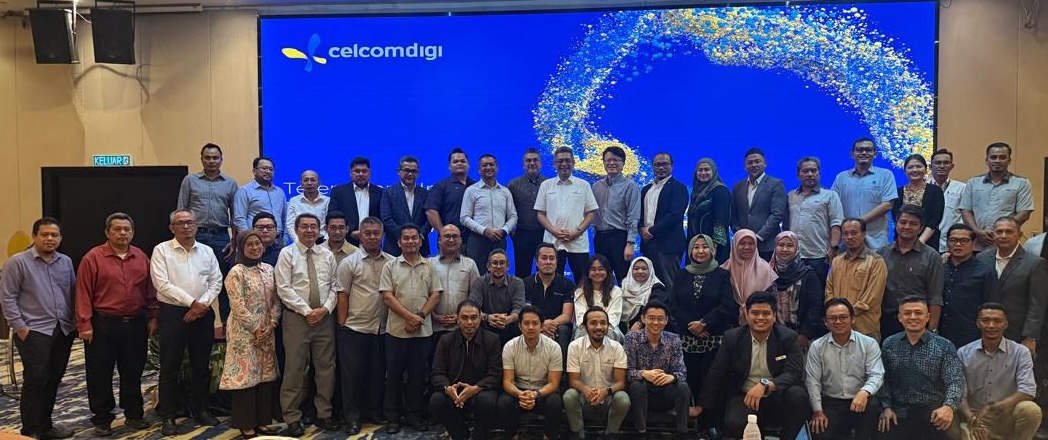
In a recent CelcomDigi MY5G SME Digital Workshop, Foo observed that many SMEs are interested in digitalisation, but there is a strong need for more practical and action-oriented guidance.
“Many existing programmes successfully create awareness, which is important. However, business owners are also looking for clearer answers to questions such as: What can I implement immediately? Who can support me? And where should I begin based on my current stage of growth?” added Foo.
Are SMEs using technology wrong?
The question facing many SMEs today is not whether they are using technology, but whether they are using it in the most effective way. In many cases, SMEs find themselves in one of two situations.
Some invest in digital tools with the expectation that they will immediately solve operational challenges, only to realise that technology alone does not fix deeper issues such as workflow inefficiencies or lack of coordination across teams.
Others, despite having access to useful systems and platforms, end up using only a fraction of their capabilities — often sticking to basic features while missing out on the broader benefits that could improve efficiency and decision-making.
Foo said that the issue is not a lack of tools, but how they are applied within the context of business growth.
“Technology delivers the greatest value when it is aligned to real business needs. For some SMEs, the starting point may simply be connectivity or digital payment systems. From there, it should evolve into automation and eventually more data-driven decision-making.”
This mismatch between expectation and application means that while digitalisation is widely adopted in principle, its impact on productivity and scalability can remain limited. Foo added that they often encourage businesses to first establish strong digital fundamentals, followed by automating repetitive processes, before exploring more advanced technologies.
“This phased approach tends to deliver more sustainable and measurable outcomes. Over time, this also helps businesses move from fragmented digital adoption towards a more integrated operating environment where systems, teams, and decision-making processes work more cohesively together.”
Connected, automated, intelligent
Redefining growth while leveraging technology, Foo said it can serve as a backbone for businesses. With a strong digital foundation in place, SMEs can gradually strengthen automation, improve operational efficiency, and make more data-driven decisions over time.
This, he said, was the philosophy behind CelcomDigi Business’ CoAI framework, whereby it helps businesses adopt technology in a practical and purposeful way, progressing from Connected to Automated to Intelligent growth.
With CoAI, SMEs have access to streamlined processes and unified data; they become more empowered to make decisions, innovate faster, and scale with greater confidence.
“Ultimately, technology is not the growth engine itself — it is what enables businesses to unlock the full potential of their people and build sustainable growth around them.”
As the framework encourages businesses to move step by step, the approach helps in building stability first, then efficiency, and eventually greater intelligence in how decisions are made and operations are managed.
Through the CoAI framework, businesses can strengthen their foundation by first becoming more Connected, then identifying areas that can be “Automated”, and over time becoming more “Intelligent” in how decisions are made using data and digital tools.
“More importantly, CoAI provides businesses with a clearer roadmap on how and where to start their digitalisation journey based on their current stage of growth, operational needs, and future ambitions,” said Foo.
But beyond technology adoption alone, it is also about helping businesses understand how digital capabilities can support stronger operations, empower teams, and create a more scalable business model over time.
Real-world lessons from SME founders
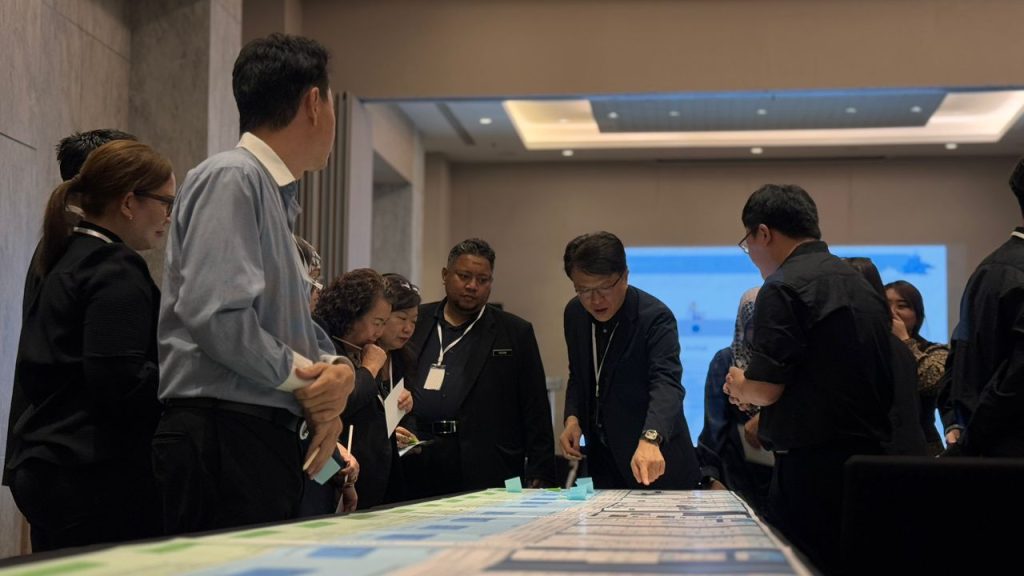
Attending the CelcomDigi MY5G SME Digital Workshop, food franchise Chunk & Dunk founder Adam Shamil shared that many SMEs initially viewed digitalisation primarily as a marketing tool or technology upgrade.
However, the workshop had changed the perspective of many, including himself, that digital capabilities can fundamentally improve operations, decision-making, scalability, and customer engagement.
“The workshop has taught us to be more structured, more data-driven, and more open to building sustainable systems rather than relying solely on manual effort or hustle. That shift in perspective can have a meaningful long-term impact on how they grow and manage their businesses,” said Adam.
Foo added that the workshop motivates SMEs to engage deeply with peer experiences and connect with others navigating similar scaling challenges; the value extends beyond knowledge-sharing alone.
It also provides greater clarity on how digital capabilities can strengthen operations and empower teams; businesses become more confident in delegation, systemisation, and pursuing growth that is sustainable rather than simply rapid.
From perfect plans to adaptive growth
For many SMEs, the pressure to get everything right from the start often slows progress more than it enables it. Business owners frequently delay digital adoption or expansion efforts because they are waiting for the “perfect” plan, the ideal system, or the most complete set of solutions before taking action.
However, industry leaders argue that in today’s fast-changing business environment, perfection is less important than adaptability.
“SMEs should not feel that they need to have everything fully figured out before taking the first step. Many business owners are managing multiple priorities simultaneously, and it is understandable that growth can sometimes feel overwhelming,” explained Foo.
However, Foo said that meaningful progress is often achieved through small, consistent improvements over time.
“Whether it is exploring a new sales channel, improving an internal process, adopting a digital tool, or building new capabilities, incremental progress can create significant long-term impact.”
In this context, growth is no longer a linear or rigid process but one that evolves as businesses learn, adjust, and respond to real-world challenges. Rather than aiming for perfect execution from the outset, SMEs are encouraged to focus on incremental improvements that build momentum over time. Each step forward strengthens operational capability, enhances decision-making, and prepares the business for the next stage of growth.
“Ultimately, the businesses that succeed are often not those moving the fastest, but those that remain willing to learn, adapt, and evolve continuously. SMEs already possess the resilience and entrepreneurial drive needed to grow. With the right support, tools, and confidence, they can continue building stronger and more competitive businesses for the future,” said Foo.