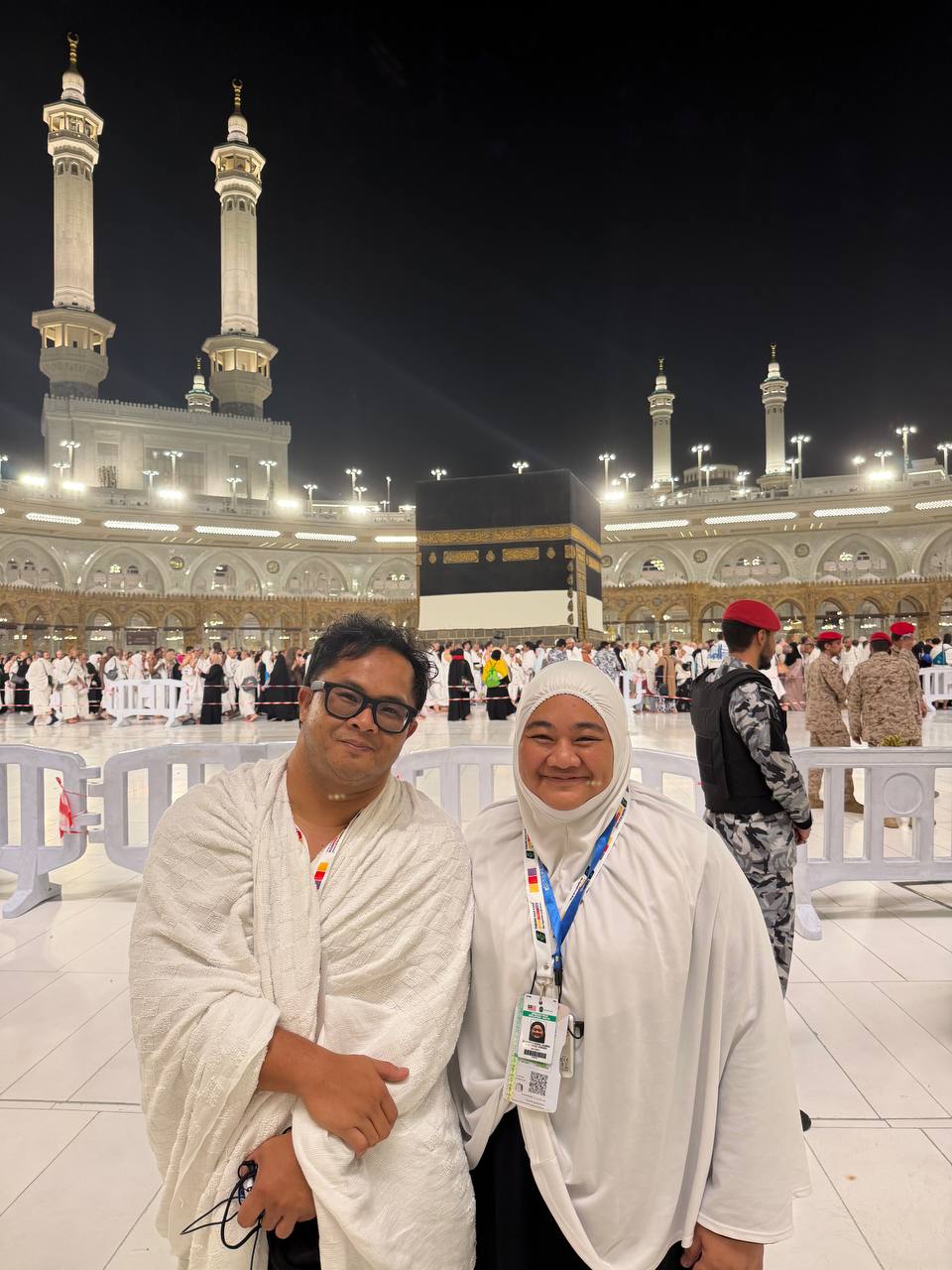
THERE are journeys that take us across countries and continents, and there are journeys that transform the soul.
My recent pilgrimage to the Holy City of Mecca to perform the Hajj was undoubtedly the latter; a journey of faith, humility, reflection and gratitude that would remain etched in my heart forever.
This year, I was blessed to be one of the 1,707,301 pilgrims who answered the call to Hajj, undertaking a life-changing spiritual journey to Mecca and fulfilling one of the five pillars of Islam.
The thought of standing among millions of fellow Muslims from every corner of the world, united in worship and devotion to Allah, was both a humbling and deeply moving experience.
Truthfully, the journey began long before boarding the aircraft.
It started with preparing the heart and mind: seeking forgiveness, making amends, learning the rituals, and praying for a safe and accepted pilgrimage. As departure day approached, excitement was accompanied by a deep sense of humility and a slight anxiety unlike any I have felt on previous trips.
Perhaps, however, the journey might have begun much earlier than that.
When my parents returned from performing the Hajj sometime around 1997 or 1998, they brought home a Hajj bracelet. I cannot remember the exact year, but I vividly recall asking for the bracelet and wearing it as though it were mine.
As a child, I did not fully understand its significance. I simply liked wearing it and imagining the distant land it had come from.
Even today, that old bracelet remains carefully tucked away in a small basket at home. It has survived house moves, life changes and the passing of years, quietly preserving a childhood memory I never thought much about.
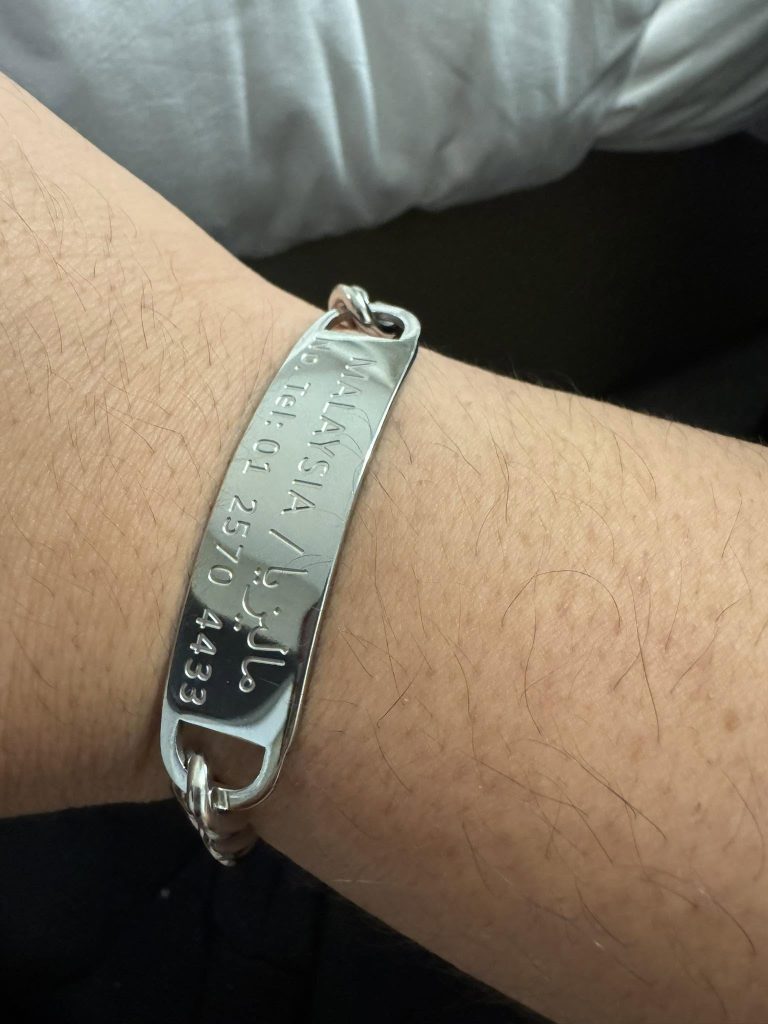
Then, nearly 28 years later, I found myself standing at the Tabung Haji departure centre preparing to embark on my own pilgrimage. When the Tabung Haji officer handed me my Hajj bracelet before our flight, I was suddenly overwhelmed with emotion. Tears welled up in my eyes as the reality of the moment settled in.
I finally had my own Hajj bracelet.
To many people, it may appear to be nothing more than a simple bracelet. Yet for Malaysian pilgrims, it carries profound meaning. It serves as an identification tag in the Holy Land, helping authorities identify and assist pilgrims should anything happen during the journey.
As I held the bracelet in my hands, I realised it represented far more than identification. Somehow, it felt like holding a small piece of a prayer that had waited nearly three decades to be answered. Perhaps, without even knowing it, my soul had quietly made that prayer all those years ago when I first slipped my parents’ bracelet onto my wrist and imagined what it would be like to walk the sacred paths of Hajj.
It was then that I had to constantly remind myself that I was not travelling as a tourist or visitor but as a guest of Allah.
Upon arriving at the King Abdulaziz International Airport in Jeddah, the first entry point for this journey, the magnitude of the pilgrimage became immediately apparent. Fellow Muslims from every corner of the world gathered with a common purpose, dressed in ihram and united by faith. All differences in nationality, language, wealth and social status disappeared immediately.
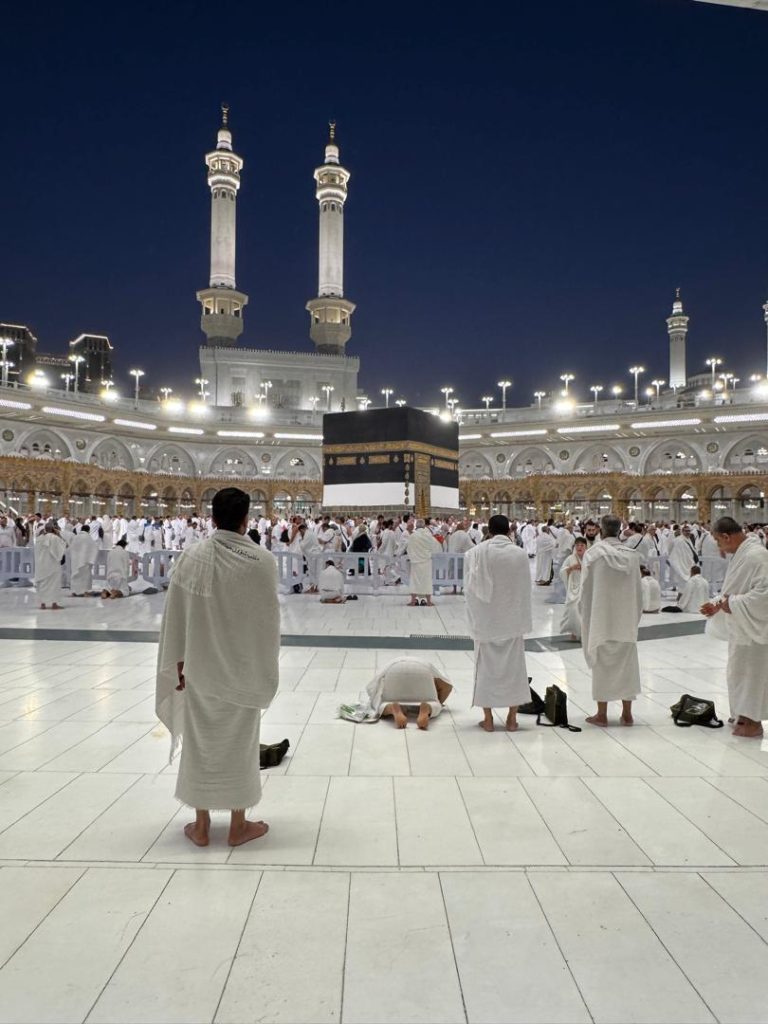
From that moment onward, every worldly distinction faded away. We stood equal before Allah as we continued our journey to Mecca.
We performed our Umrah soon after arriving in Mecca. Like many international pilgrims, we chose to perform Hajj Tamattu’, which began with Umrah before pilgrims left the state of ihram and later re-entered it to perform the obligatory Hajj rituals.
This form of Hajj requires the offering of Dam, a sacrificial animal, usually a goat or sheep, as an act of gratitude for being able to perform both the Umrah and Hajj in the same journey. It is not a penalty in this context but one of the requirements of Hajj Tamattu’.
The first sight of the Holy Kaabah was a moment beyond words. Surrounded by thousands of pilgrims, I found myself overwhelmed with emotion. Years of prayers, hopes and longing seemed to culminate in that single moment. Tears flowed freely as I gazed upon the House of Allah for the first time, offering prayers of gratitude and seeking His mercy and guidance.
Performing Tawaf around the Kaabah was a powerful reminder of humanity’s collective devotion to the Creator. Each step carried a sense of purpose and reflection. The rituals of Sa’i between Safa and Marwah brought to mind the perseverance and faith of Siti Hajar, whose unwavering trust in Allah continues to inspire Muslims worldwide.
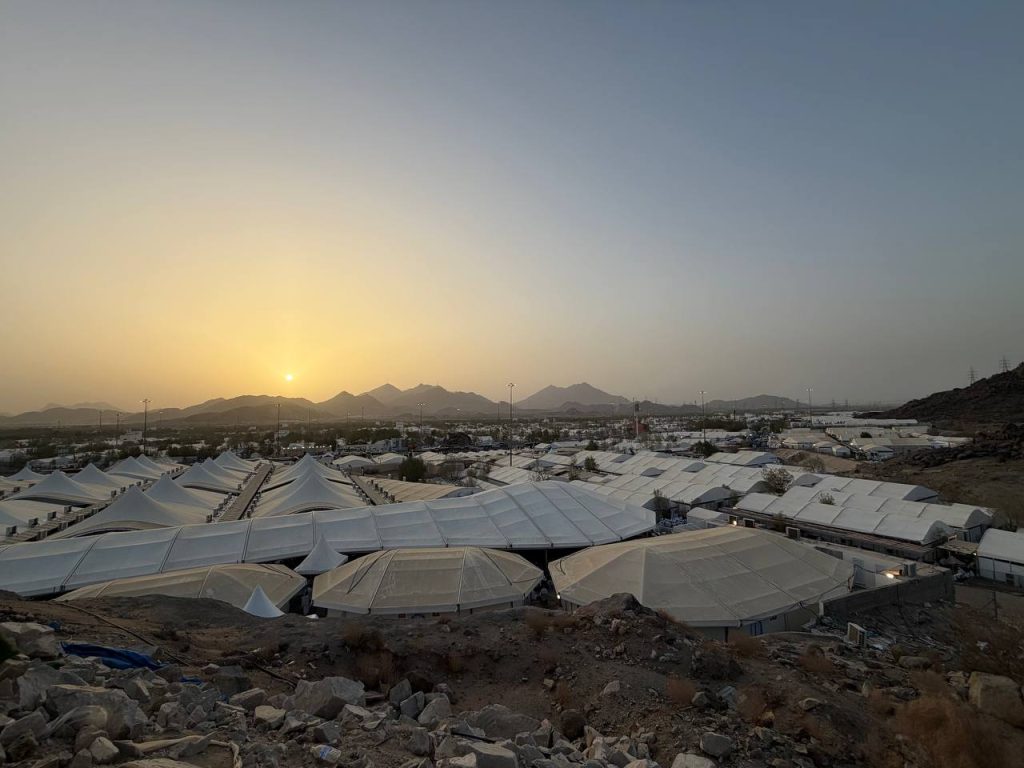
As the days of Hajj unfolded, each ritual carried profound spiritual meaning. Standing on the plains of Arafah was perhaps the most moving experience of all. Arafah is known as the pinnacle of Hajj, the Day of Arafah offered an opportunity for sincere repentance, prayer and reflection. Surrounded by millions of fellow pilgrims, I was reminded of the Day of Judgement when all humanity would stand before Allah.
As the sun set over Arafah, our journey continued to Muzdalifah, where millions of pilgrims gathered under the open night sky. There were no hotels or luxurious comforts, only the earth beneath us and the stars above.
In that vast open space, I was reminded of how little we truly needed in this life. For one night, all worldly comforts seemed insignificant, replaced by complete dependence on Allah and gratitude for His countless blessings.
The following day brought one of the most symbolic rituals of Hajj, the stoning of the Jamrah. We joined the steady flow of pilgrims making their way towards Mina to perform the ritual of stoning at the Jamarat Complex.
Each pebble represented a rejection of evil, temptation and the whispers of Satan, commemorating Prophet Ibrahim’s unwavering obedience when he resisted Satan’s attempts to dissuade him from fulfilling Allah’s command.
As I threw each stone, I found myself reflecting not only on the ritual itself but also on the personal struggles, weaknesses and negative habits that I hoped to leave behind. It became more than a physical act; it was a sincere commitment to become a better Muslim and a better person after returning home.
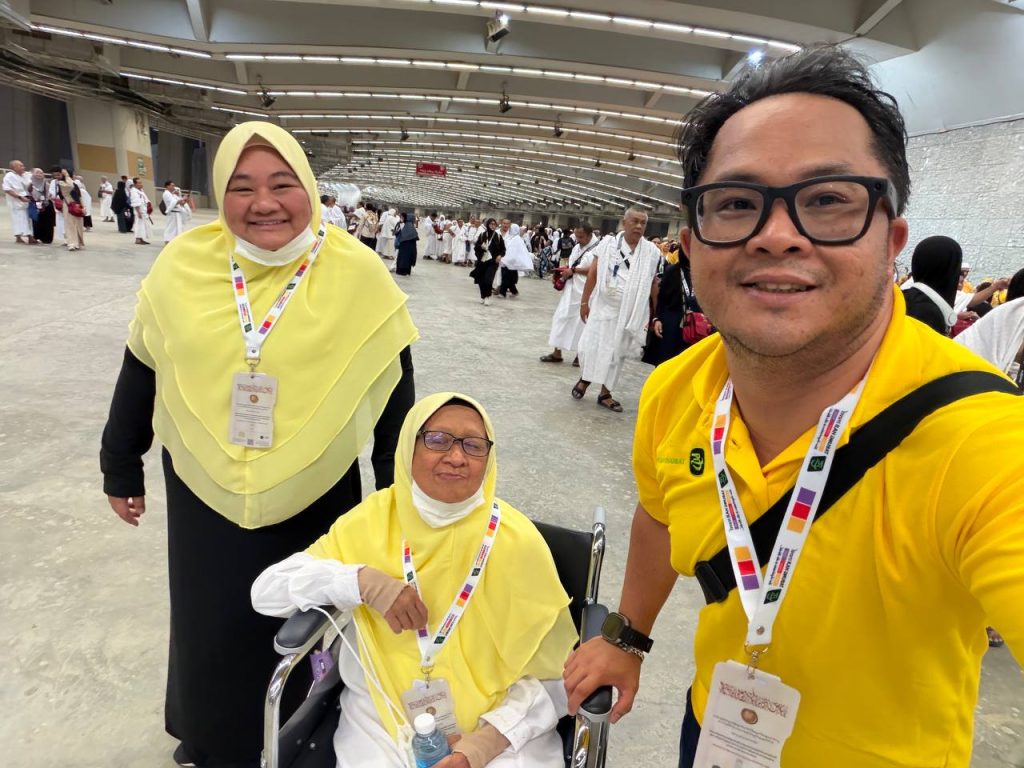
The journey, however, was not without challenges. The heat, crowds, long walks and physical demands tested patience and endurance. Yet these challenges became part of the lesson. Hajj teaches perseverance, gratitude and reliance upon Allah. Every difficulty seemed small when viewed through the lens of faith and devotion.
Beyond the rituals themselves, one of the most remarkable aspects of Hajj was witnessing the unity of the Muslim Ummah. Pilgrims from different cultures and backgrounds shared meals, offered assistance to one another and exchanged smiles despite language barriers. It was a powerful reminder that Islam transcended borders and united people through shared belief and purpose.
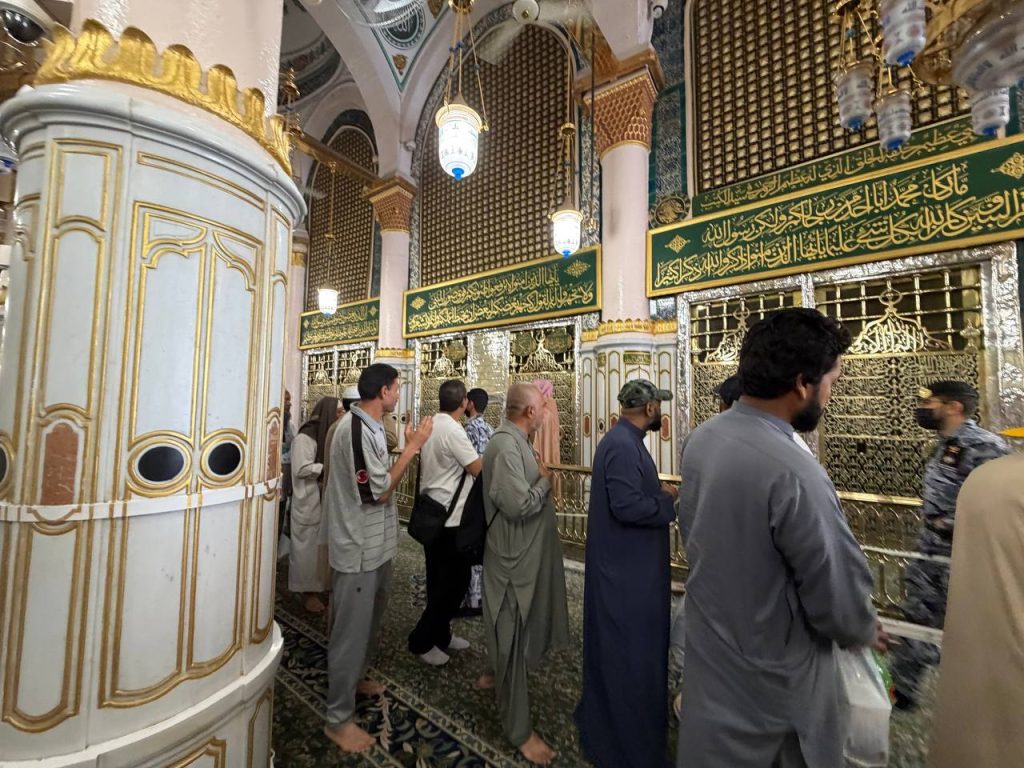
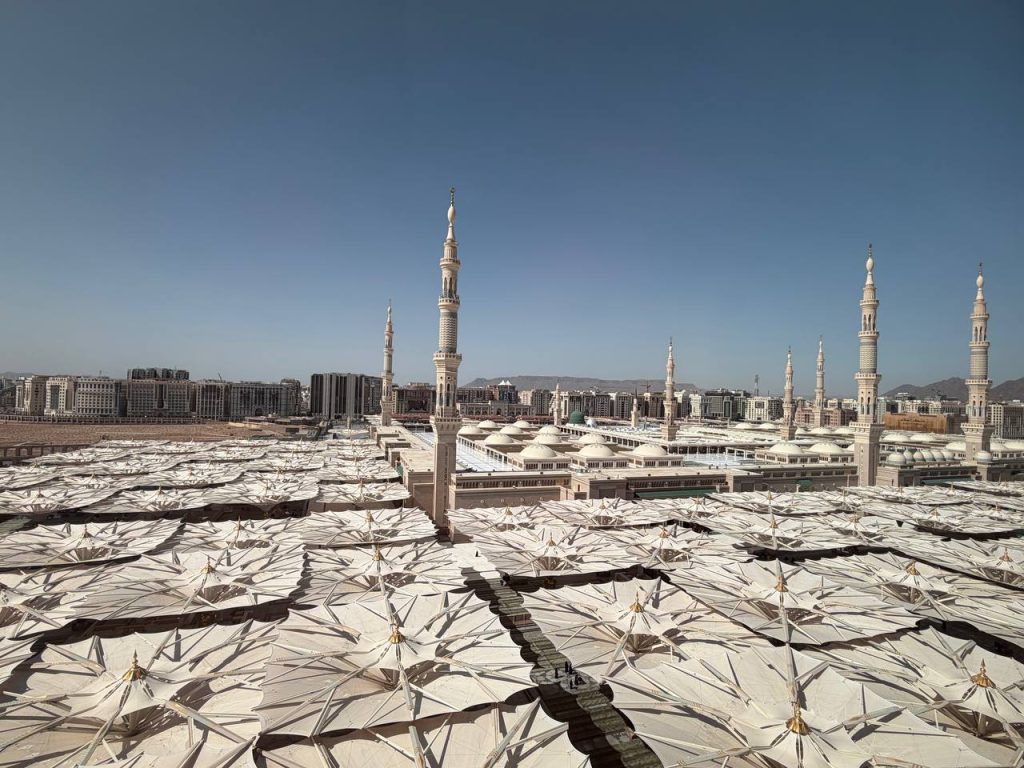
After completing the Hajj rituals, our journey continued to the blessed city of Madinah, a place unlike any other. If Mecca stirred the soul with its intensity and devotion, Madinah embraced the heart with a sense of peace and tranquillity that was difficult to describe.
Arriving in Madinah felt like coming home. The pace was gentler, the atmosphere calmer, and every corner of the city carried the beautiful reminder that this was the home of our beloved Prophet Muhammad (peace be upon him).
Walking through the streets of Madinah, visiting places connected to the Prophet’s life, and witnessing the warmth of the people made me appreciate even more the rich history of Islam and the sacrifices made by those who came before us.
As the pilgrimage finally came to an end, I found myself reflecting on the countless blessings I had received throughout the journey.
Hajj is not merely about completing a series of rituals. It is about returning home with a heart that has been softened, a soul that has been renewed, and a sincere determination to become a better servant of Allah. It teaches humility, patience, compassion and gratitude in ways that words can scarcely describe.
Leaving the Holy Land was perhaps the most difficult part of the journey. While my body was returning home, a part of my heart remained there. Yet I carried with me something far more valuable than souvenirs or photographs; a renewed faith, a deeper connection with Allah, and memories that would remain with me for the rest of my life.
Hajj is often described as the journey of a lifetime. Having experienced it firsthand, I now understand why. It is a journey that changes not only where you have been, but who you become.
And for that blessing, for being invited as a guest of Allah, I will remain forever grateful.