WHILE many young Malaysians leave their rural hometowns behind in search of the bright lights and corporate promises of the city, Awang Nasruddin Awang Marekan willingly chose a path lesser travelled by the young.
In 2018, after spending two years working in Peninsular Malaysia, the 35-year-old made a decision that surprised many. He packed his bags and returned to his village in Lingga.
Unspoken duty
He did not return to climb a corporate ladder, but to step into the muddy trenches of daily labour – answering an unspoken duty as the eldest son in a family of six siblings to help his aging father salvage and run the family’s agricultural dream.
That single choice has since transformed not only his family’s livelihood but has subtly reshaped the socioeconomic landscape of Kampung Tanjung Jaya.
“My father started everything from absolute scratch. We were not a wealthy family,” Awang Nasruddin recalled, his hands showing the hard work of his daily routine.
“He planted the oil palm trees himself and relied on assistance from the Department of Agriculture to develop freshwater fish ponds. I came home because there was no one else to lift the burden off his shoulders. The oil palm trees had matured and were ready for harvesting. I knew I couldn’t let my father’s sweat go to waste.”
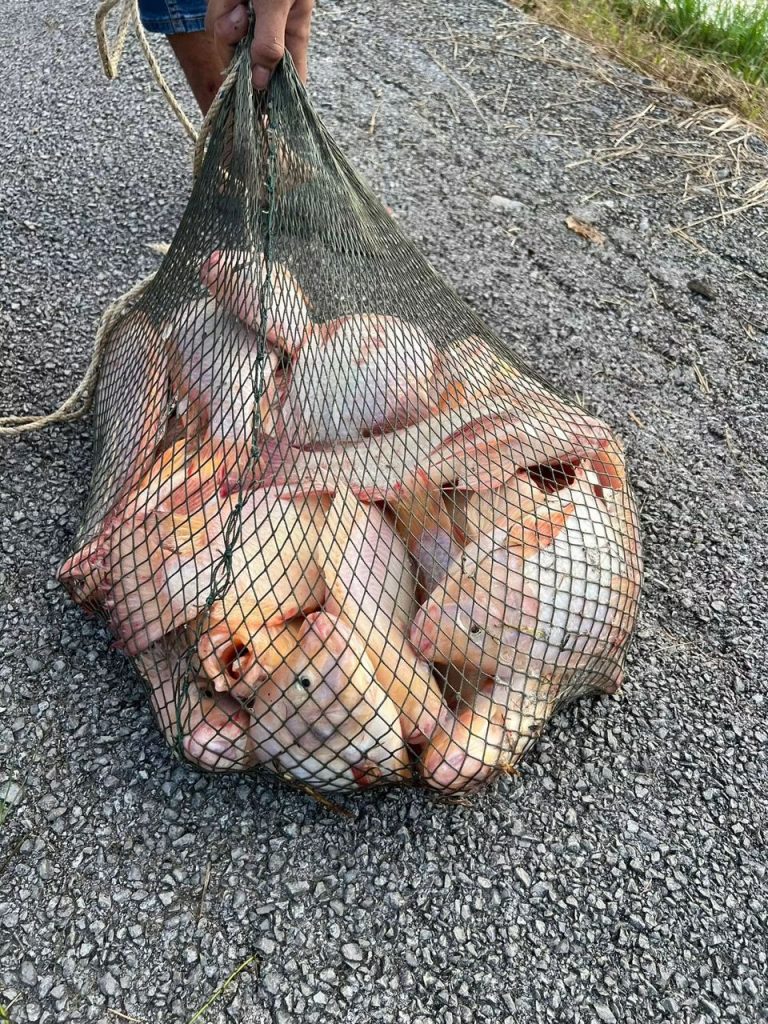
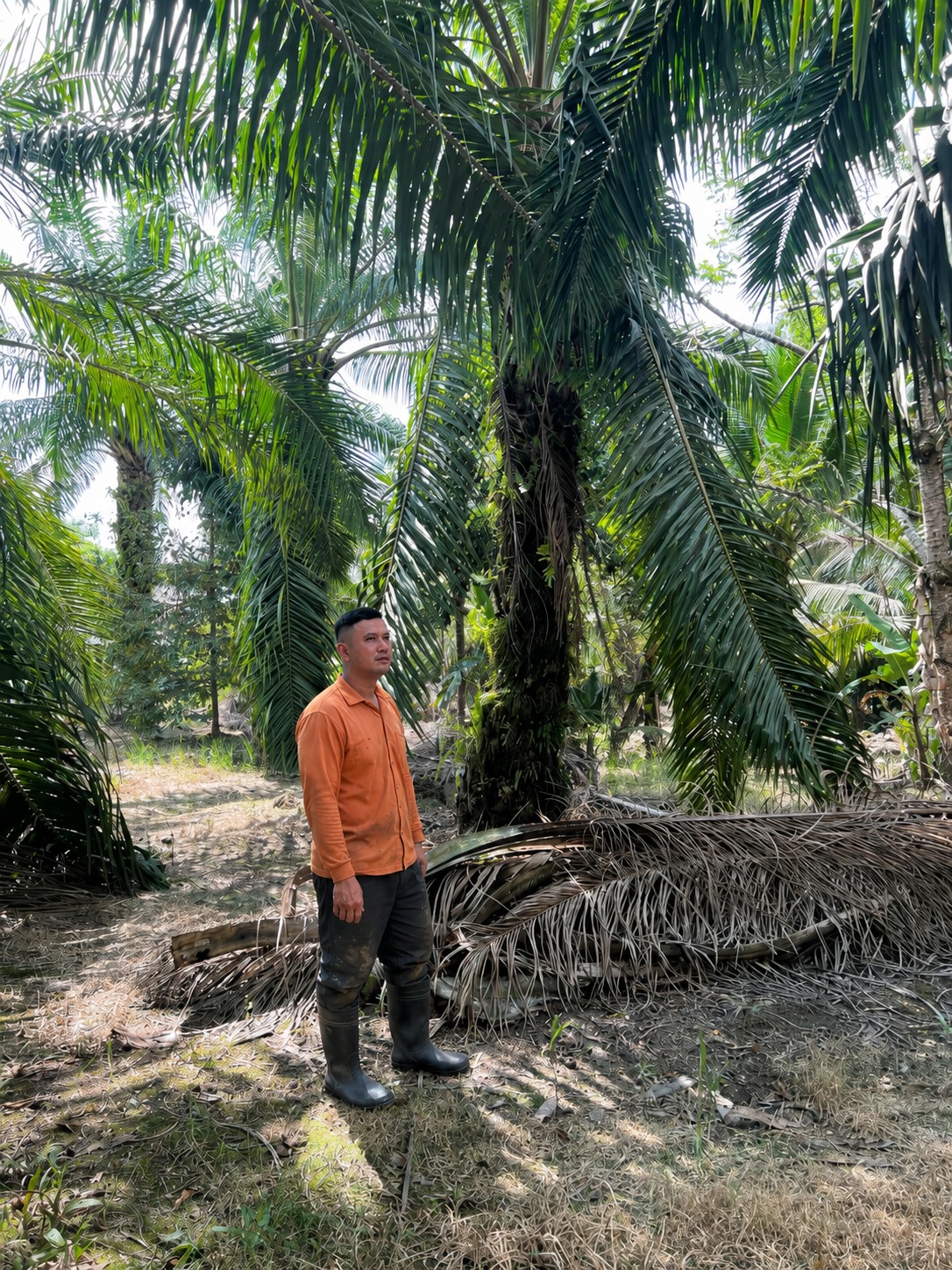
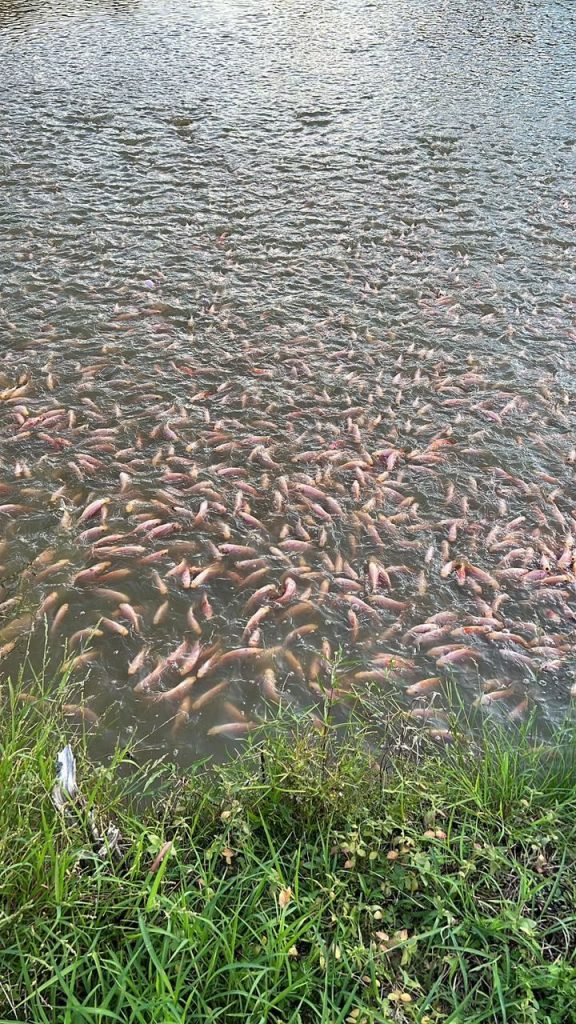
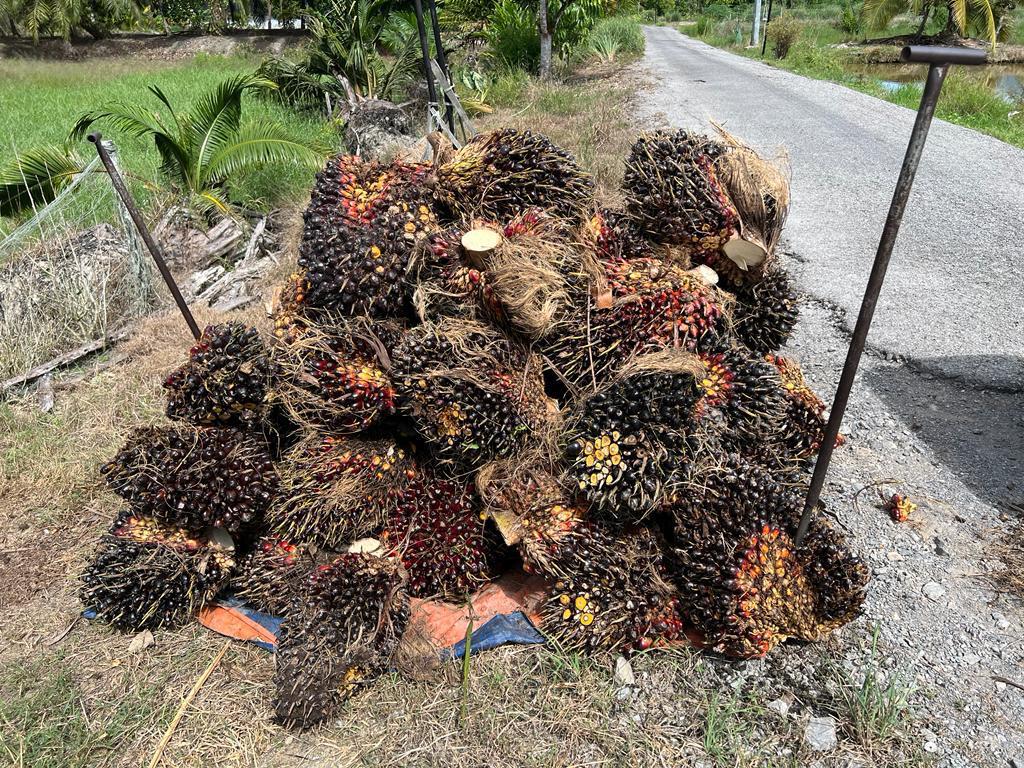
Today, he manages roughly 600 oil palm trees and two thriving tilapia ponds covering approximately five acres.

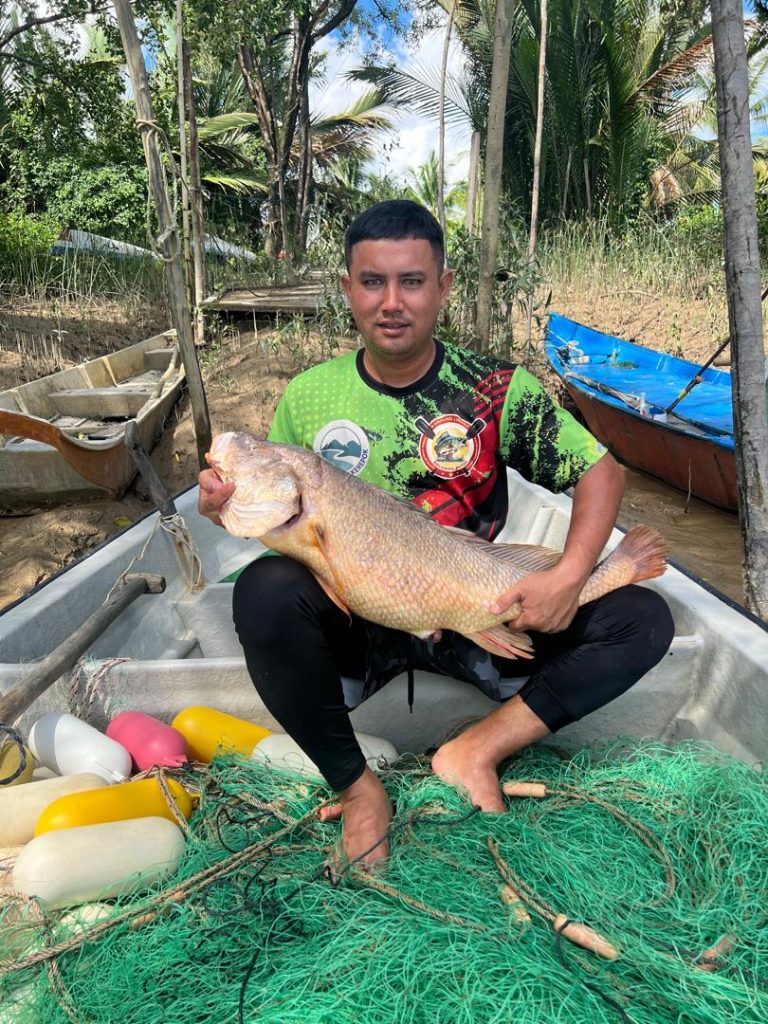
A showcase of fresh croaker fish (ikan terusan) weigh more than seven kilogrammes caught using his personal boat.
Starting from scratch
Yet, looking at his success now, one might easily forget that his journey began at the absolute bottom.
Awang Nasruddin did not simply inherit a functioning business; he humbled himself to learn the trade from scratch.
Before he could afford his own fishing boat to diversify his income, he spent long, exhausting days out at sea as an apprentice, swallowing his pride, following senior fishermen and saving every ringgit he earned.
“At first, I did not even have my own boat. I followed senior fishermen to sea and worked for daily wages. I kept my head down, learned the skills, and saved until I finally bought my own vessel,” he told Sarawak Tribune.
He brought that same relentless tenacity to the land.
Instead of acting like the boss’ son, he worked under veteran harvesters, learning how to cut fresh fruit bunches (FFB) efficiently before eventually building his own contract harvesting team.
“Today, I no longer harvest alone because production from our plantation has increased significantly,” he said.
His resilience faced its ultimate trial during the COVID-19 pandemic. With movement restrictions locking down traditional markets and local shops in Lingga shuttered, his fresh fish and agricultural produce had nowhere to go.
Instead of letting the harvest rot, the young entrepreneur pivoted online.
Social media marketing
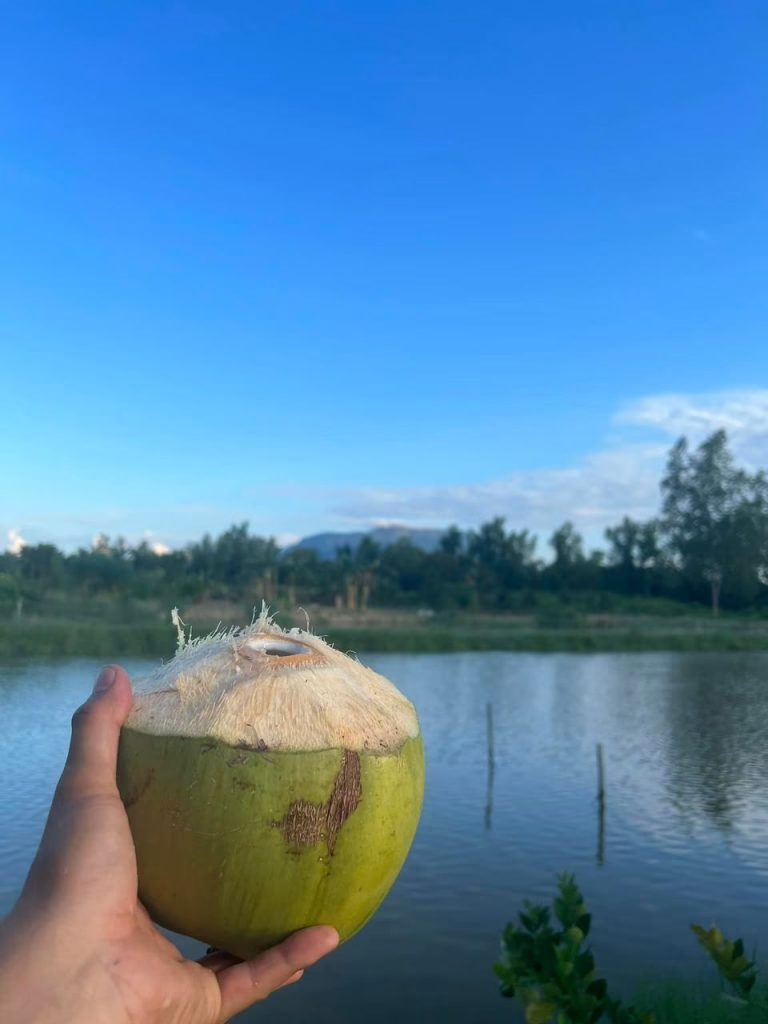
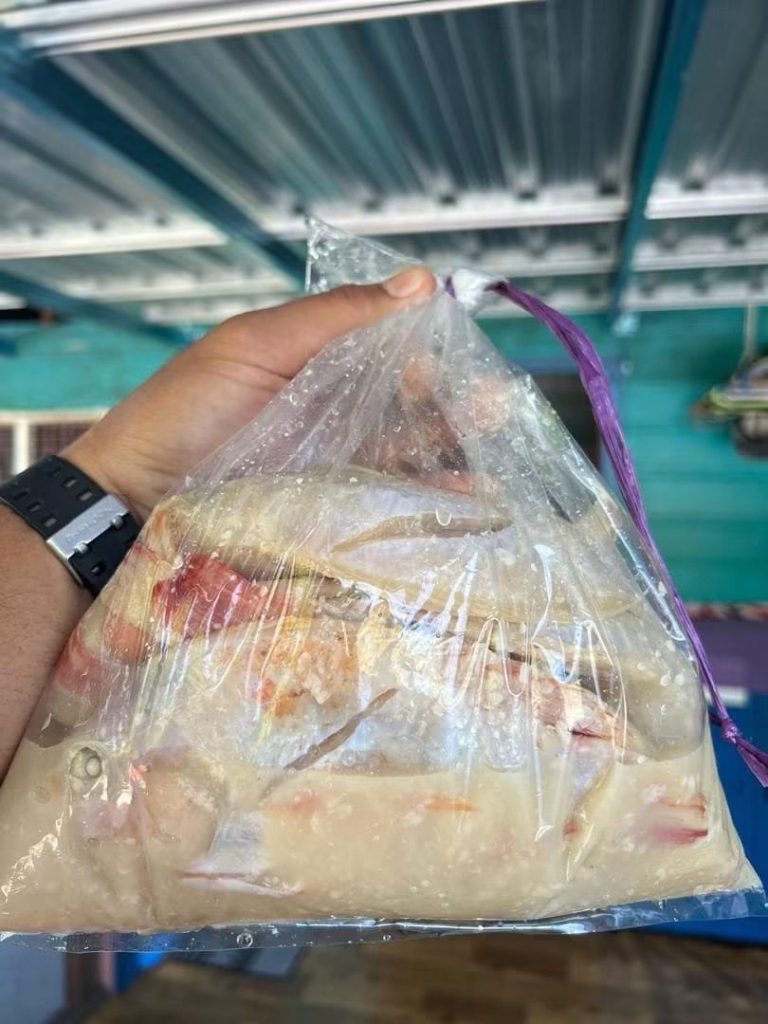
He turned to social media to market his products, transforming himself into a direct-to-door delivery courier, bringing fresh tilapia, farm produce, and pandan coconuts straight to the doorsteps of stranded customers.
“The pandemic taught me to be creative. It forced us to think outside the traditional market box,” he said.
But even with the pandemic now in the rearview mirror, farming in Lingga remains a test of endurance.
Awang Nasruddin openly acknowledged the persistent battles against unpredictable weather, severe labour shortages, and the gruelling realities of rural logistics.
In the oil palm sector, the absence of a localised collection centre in Lingga presents a daily hurdle, forcing smallholders like him to transport heavy harvests across long distances to Betong or Sri Aman – a race against time to maintain fruit quality.
Yet, the sheer volume of active farming and aquaculture generated by his enterprise eventually drew the attention of key government agencies.
Governmental recognition
Recognising the economic activity, the Department of Drainage and Irrigation (DID) and the Public Works Department (PWD) stepped in to upgrade the local roads and drainage facilities.
By fighting to save his family farm, Awang Nasruddin had inadvertently paved the way for his entire village, making the area accessible enough to encourage new families to move in and settle.
His efforts have also been bolstered by institutional backing.
Through the Malaysian Palm Oil Board (MPOB), he secured the Malaysian Sustainable Palm Oil (MSPO) certification and underwent vital plantation management training.
Today, he even blends traditional fishing with modern efficiency, using GPS technology to navigate the waters safely and accurately.
Looking forward, Awang Nasruddin’s eyes are on a grander horizon.
With the highly anticipated completion of the Sebuyau-Lingga road network expected to dramatically bridge the rural-urban divide, he plans to expand his distribution network across the length and breadth of Sarawak.
He hopes his journey stands as a living testament to the local youth that the soil still holds immense wealth.
“Don’t be ashamed to work in agriculture. It demands sweat and patience, but the rewards are profound if you are committed.
“If you have no experience, learn from those who do, and never be afraid to start from the absolute bottom. Success in the fields or at sea does not come overnight, but for those willing to learn, the future is right here at home,” he said.