
SARAWAK, fondly known as the ‘Land of the Hornbills’, is more than just a destination – it is a living tapestry of ancient rainforests, vibrant indigenous cultures, winding rivers, majestic waterfalls, and communities rich in heritage and hospitality. From the misty highlands of Ba’ Kelalan to the dense jungles of Ulu Baram, Sarawak offers experiences that are increasingly rare in today’s fast-paced world: authenticity, tranquillity, and a genuine connection with nature and people.
In recent years, tourism trends in Sarawak have evolved significantly. Travellers are no longer merely searching for luxurious accommodations or crowded tourist hotspots. Instead, there is a growing desire for meaningful journeys experiences that allow visitors to immerse themselves in local culture, reconnect with nature, and travel more responsibly. This shift has positioned Sarawak as one of the most promising destinations for eco-adventure and community-based tourism in the region.
One of the clearest reflections of this trend is the rising interest in hidden and lesser-known destinations. Lately, travellers are venturing beyond conventional tourist routes in search of untouched beauty and authentic local encounters.
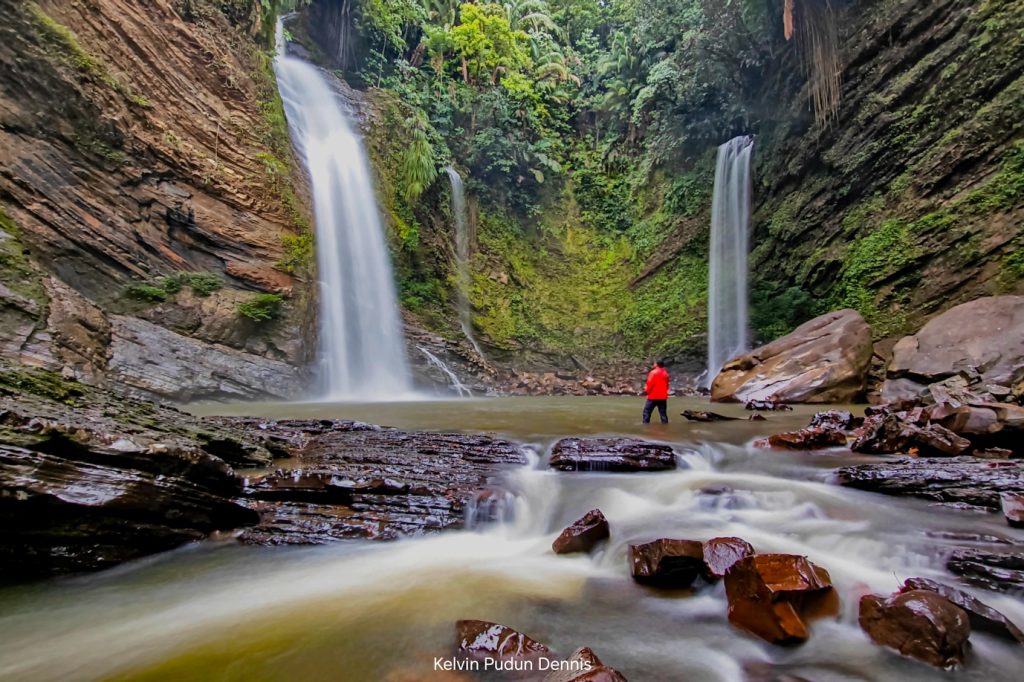
Deep within the Keluan and Ulu Baram region lies the breathtaking Three Sisters Waterfall, a destination that perfectly captures Sarawak’s raw natural charm. Located in Long San, in the Baram region of Sarawak, Three Sisters Waterfall is a remote, relatively unknown attraction surrounded by lush rainforest and accessible only via adventurous trekking routes and river crossings.
The waterfall offers more than scenic beauty – it offers a sense of discovery. The sound of cascading water, the cool forest air, and the untouched environment create an experience that feels both peaceful and exhilarating. This is one of many hidden gems in the Heart of Sarawak
For many travelers, destinations such as the Three Sisters Waterfall represent the future of tourism: immersive, adventurous, and deeply connected to the environment. Unlike overcrowded attractions, these hidden gems provide opportunities to experience nature in its purest form while encouraging visitors to appreciate the importance of conservation.
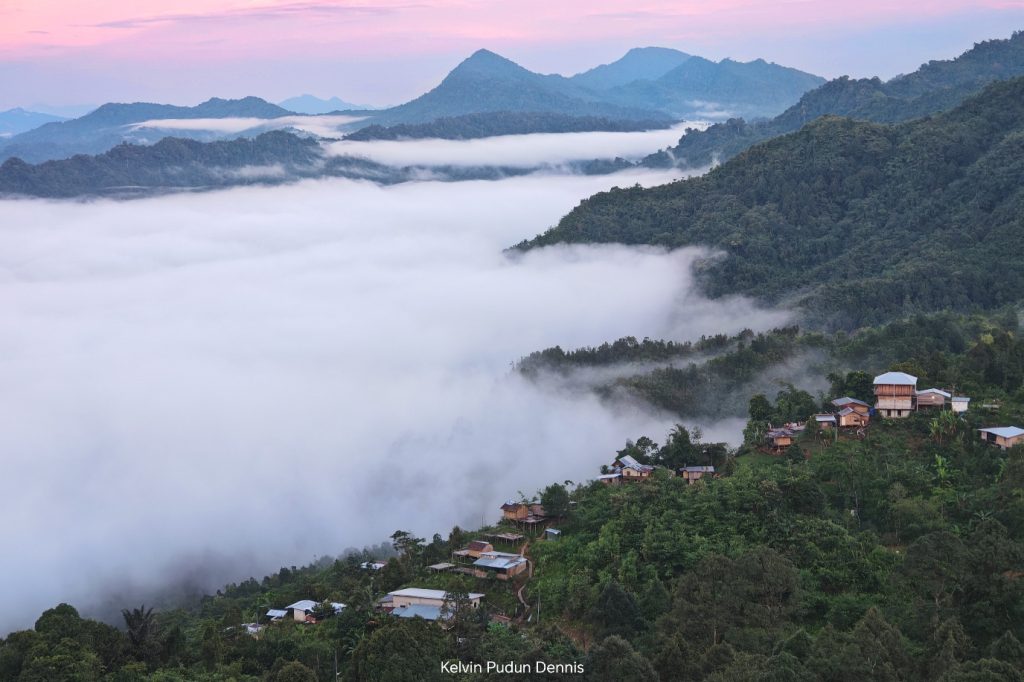
While the North offers wild adventure, the southern reaches of Sarawak offer a different kind of magic, the magnificent and captivating Kampung Sapit in Padawan, known as ‘kampung atas awan’ (village above the clouds), is a charming village renowned for its peaceful surroundings and rich Bidayuh cultural heritage.
Surrounded by majestic Mountains, lush greenery, and picturesque rural landscapes, Kampung Sapit offers visitors a rare opportunity to experience the simplicity and warmth of traditional village life. Visitors can immerse themselves in authentic cultural experiences through homestay programs, traditional cooking activities, exploration of local handicrafts, and meaningful interactions with the friendly village community.
Community-based tourism allows visitors not only to observe culture but to experience it firsthand. Sharing meals with villagers, listening to stories passed down through generations, and participating in daily activities create memories that go far beyond ordinary sightseeing. At the same time, such tourism models empower rural communities economically while preserving their cultural identity and traditions.
Adventure and experiential tourism are increasingly shaping the future of Sarawak’s tourism industry. Younger travelers and environmentally conscious tourists are drawn to activities such as jungle trekking, kayaking, caving, wildlife observation, and river expeditions.
Emerging destinations such as Jangkar Waterfall, Kampung Galau Sabal, and the ‘Jurassic Park’ landscape at Bengoh Dam are attracting local and domestic tourists.
Meanwhile, iconic attractions such as Gunung Mulu National Park, Niah National Park, and Bako National Park continue to attract global recognition for their extraordinary biodiversity and ecological significance. However, lesser-known destinations often provide equally enriching experiences without the pressures of overtourism.
However, with growing tourism comes growing responsibility.
As more people explore Sarawak’s hidden treasures, it becomes increasingly important to ensure that tourism development remains sustainable and respectful. The beauty of Sarawak lies precisely in its pristine rivers, untouched forests, and deeply rooted cultural traditions.
Without responsible practices, these invaluable assets could easily be damaged or lost.Being a responsible tourist does not require grand gestures. Often, it begins with small but meaningful actions.
Carrying personal trash out of natural areas, avoiding littering, and reducing single-use plastic use are simple habits that can significantly protect the environment. Rivers and waterfalls, which serve as vital ecosystems and water sources for local communities, should never be polluted with chemicals or waste materials..
Respect for local culture is equally essential. When visiting rural villages such as Kampung Sapit or Kampung Long Langai in Ba Kelalan, travellers should practise cultural sensitivity by dressing appropriately, seeking permission before taking photographs, piloting their drones, and respecting local customs and traditions.
Such gestures demonstrate appreciation and help foster mutual respect between visitors and host communities. Supporting local businesses is another powerful form of responsible tourism.
Choosing local guides, purchasing handmade crafts, dining at local eateries, and staying in community-operated homestays ensure that tourism revenue directly benefits the people who safeguard these destinations.
This contributes not only to economic development but also to community resilience, particularly in rural regions where employment opportunities may be limited.
Local Sarawakians themselves have an equally important role to play. Domestic tourism can transform communities while reducing the environmental impact of international travel. By choosing to explore destinations within Sarawak, local residents become ambassadors of sustainable tourism and environmental stewardship.
Social media can also serve as a powerful platform for positive influence. Sharing responsible travel practices, promoting hidden local destinations ethically, and encouraging environmentally friendly behaviours can inspire others to travel more consciously. Community initiatives such as village clean-up programs, river conservation campaigns, and eco-tourism awareness activities further strengthen this movement toward sustainable tourism.
The economic impact of local tourism should never be underestimated. Every visit to a rural destination supports a network of small businesses – from homestay operators and food vendors to transport providers and local artisans. In areas such as in Long Tanid and other interior regions of Sarawak, tourism can become a sustainable source of income that reduces dependency on limited economic sectors while preserving natural and cultural heritage.
Ultimately, Sarawak’s greatest strength lies not only in its landscapes but also in its people, traditions, and way of life. The state possesses a rare combination of biodiversity, indigenous heritage, and authentic rural experiences that many destinations around the world are struggling to preserve.
As tourism trends continue to shift toward authenticity, sustainability, and meaningful experiences, Sarawak stands at a promising crossroads. Destinations such as the magnificent Three Sisters Waterfall, the welcoming community of Kampung Sapit, and countless other hidden gems represent more than tourist attractions – they represent opportunities for responsible growth, cultural preservation, and environmental protection.
The future of tourism in Sarawak depends on how we choose to travel today. By becoming responsible tourists who protect nature, respect communities, and support local livelihoods, we ensure that the beauty and spirit of Sarawak will continue to inspire future generations.
The views expressed here are those of the writer and do not necessarily represent the views of Sarawak Tribune.