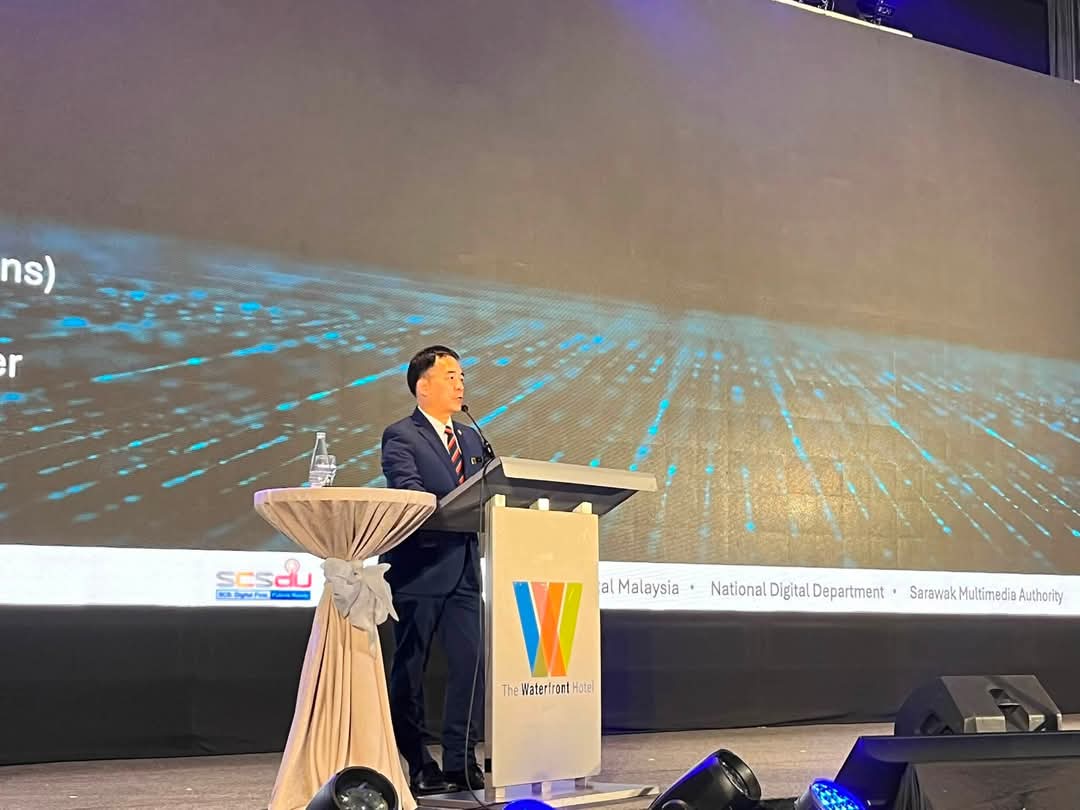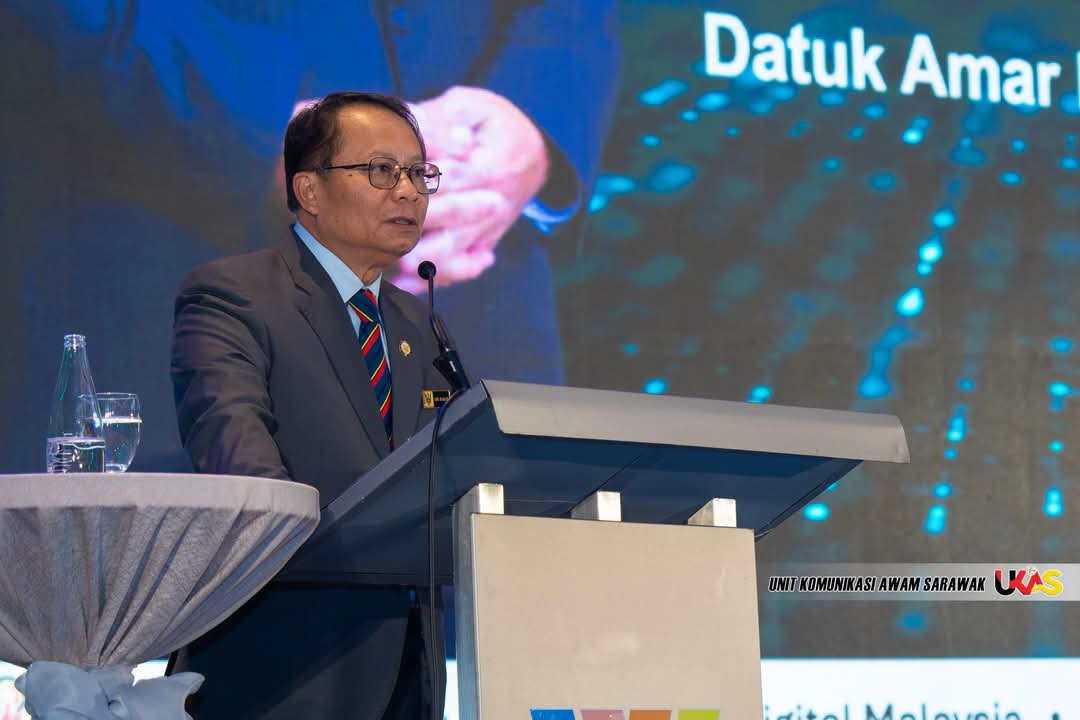
KUCHING: Data governance, artificial intelligence (AI) and emerging technologies have become strategic assets in Sarawak’s push to strengthen public service delivery and accelerate its digital transformation agenda, said State Secretary Datuk Amar Mohamad Abu Bakar Marzuki.
He said the state has moved beyond viewing digital technologies as supporting tools, describing them instead as key enablers of Sarawak’s long-term transformation agenda.
“In this regard, the Sarawak government has taken concrete steps to establish the necessary physical and digital foundations, including the development of data centres, connectivity hubs, cloud computing platforms and high-performance computing capabilities, as well as initiatives such as the Kuching AI Data Campus.
“These investments clearly demonstrate one thing — Sarawak is not merely talking about digital transformation; it is steadily turning it into reality, progressing from infrastructure development towards a comprehensive digital ecosystem,” he said.
He said this when launching the Sarawak Data Governance Framework (SDGF) 2026 at a hotel here today.
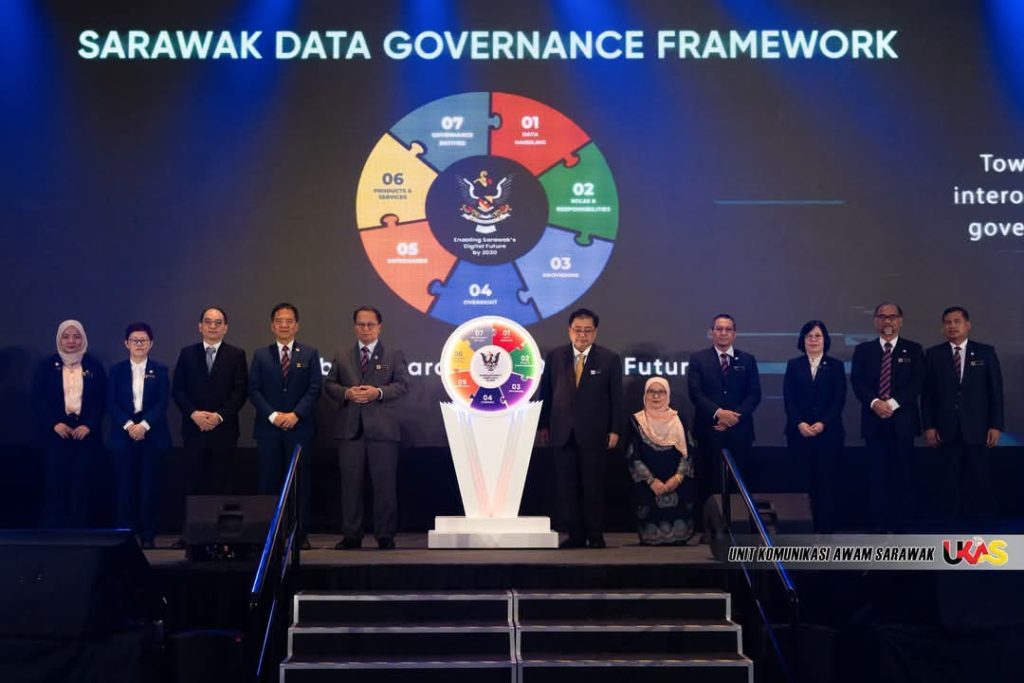
Abu Bakar said Premier Datuk Patinggi Tan Sri Abang Johari Tun Openg’s recent working visit to Bristol, United Kingdom, underscored the importance of trusted, secure and well-governed data in supporting industries such as semiconductors, aerospace, high-performance computing and AI.
He said the technologies have wide-ranging applications in Sarawak, including forestry, earth observation, disaster management, carbon tracking, maritime monitoring and improving service delivery in rural and remote areas.
Emphasising the role of the Sarawak civil service (SCS), he said civil servants are not only policy implementers but also policy makers, coordinators and system designers responsible for translating data into policy, information into decisions and evidence into action.
He urged all ministries and agencies to ensure government data remains consistent, secure, reliable and responsibly shared to enable the SCS to become a data-driven, policy-led and future-ready institution.
Without strong data governance, he warned, the government risks fragmented systems, duplication of work, inconsistent information and poor coordination between agencies.
“If the data being used is weak, outdated or incomplete, then the outcomes generated will also be weak.
“That is why data governance is not merely a technical requirement. It is a responsibility of the public sector and reflects an institution’s discipline in ensuring that data is managed with integrity, quality and reliability,” he said.