KUCHING: The ninth International Digital Economy Conference Sarawak (IDECS) 2026 will be held on Oct 5 and 6 at the Borneo Convention Centre Kuching (BCCK).
It will bring together industry leaders and innovators under the theme, “Scaling Innovation Ecosystems for a Borderless Economy: Earth, Orbit and Beyond.”
Sarawak Multimedia Authority (SMA) deputy general manager Dr Suhaila Jaffar said the conference would continue to serve as a key platform to drive innovation and strengthen Sarawak’s digital economy agenda.
She said the conference would also feature the Digital Economy Awards (DEA) 2026, with the presentation ceremony taking place during the IDECS 2026 gala dinner.
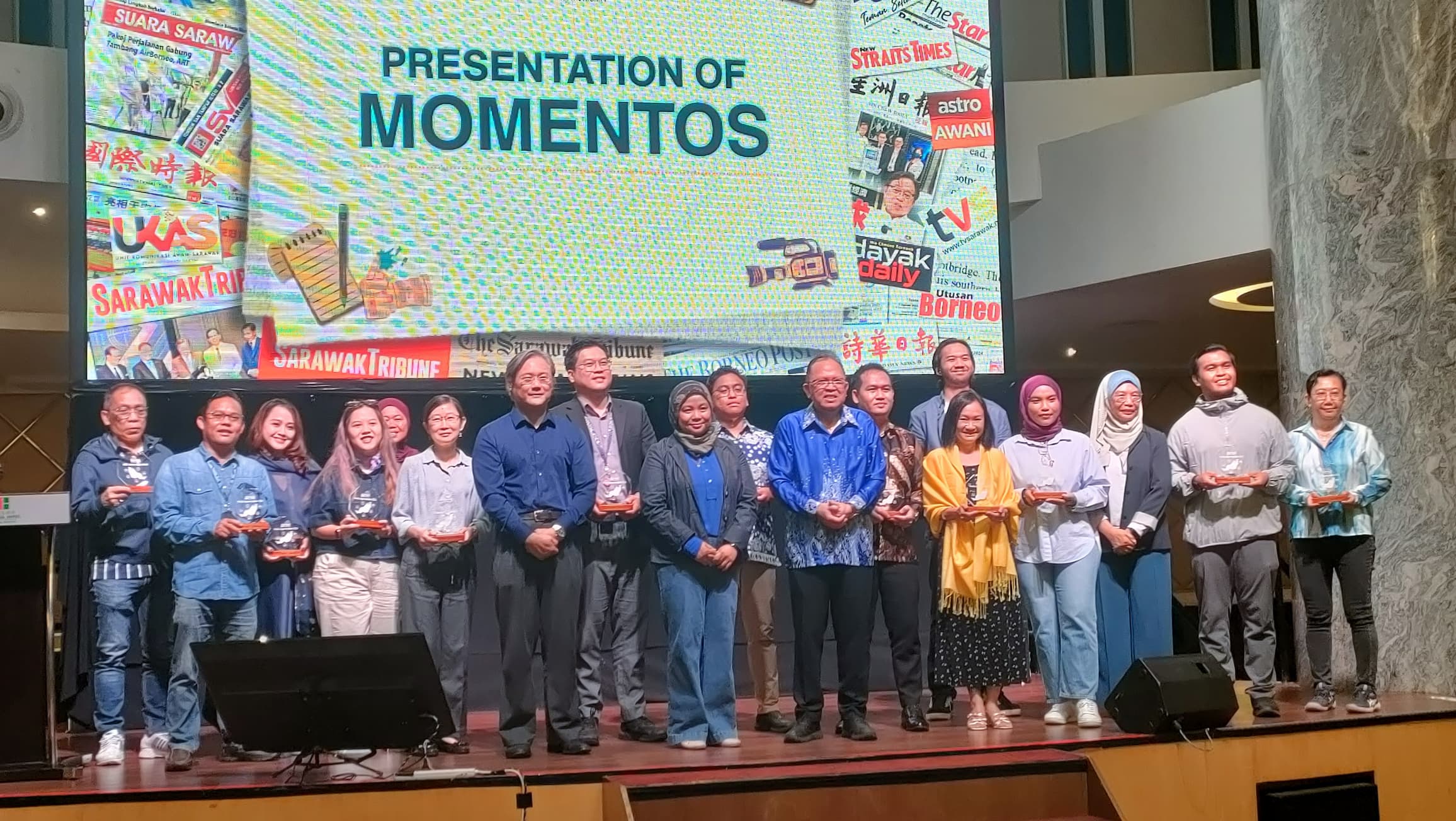
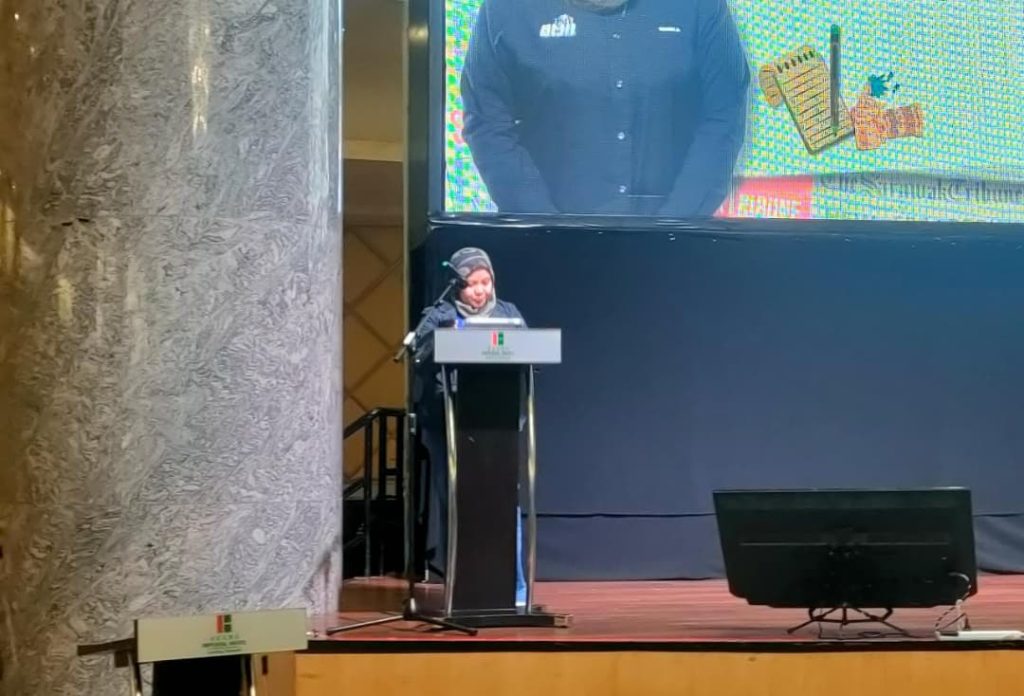
“The awards aim to recognise organisations and individuals that have demonstrated outstanding strategies and initiatives in driving digital transformation, sustainability and inclusive growth, while contributing significantly to Sarawak’s digital economy agenda,” she said during the SMA Media Appreciation Night 2026 here on Thursday (Aug 6).
Suhaila said seven award categories would be contested, with each category winner receiving RM10,000, while the overall Premier Award recipient would take home RM20,000.
She added that submissions for the awards opened on Jul 6 and will close on Sept 6.
Earlier in her speech, Suhaila expressed appreciation to media practitioners for their continued support in communicating SMA’s initiatives and highlighted the crucial role of journalists in delivering accurate and credible information amid the rapid spread of misinformation on digital platforms.
“Despite advances in artificial intelligence (AI), journalism cannot be replaced as trust, editorial judgement, ethics and accountability remain uniquely human qualities,” she said.
On Sarawak’s digital development, she said internet and 4G coverage across populated areas had reached 94.5 per cent as of the second quarter of 2026, with 576 operational 5G sites established throughout the state.
“The implementation of the Telecommunications Infrastructure Fees (TIF), which came into force on Jan 1 this year to support the sustainable development and regulation of telecommunications infrastructure across Sarawak,” she added.
Meanwhile, Suhaila said SMA launched the Sarawak Smart City Framework earlier this year to guide local authorities in implementing smart city initiatives tailored to the state’s needs.
She noted that six local authorities have achieved Smart City Level 1: Early Adopter recognition over the past three years, while SMA aims for the remaining 23 local authorities to attain the same status by 2030.
She also highlighted the recent launch of the Sarawak Data Governance Framework (SDGF), describing it as a comprehensive framework to strengthen government data management, security, accountability and data sharing while supporting digital transformation initiatives such as AI, cloud services and cross-agency collaboration.
According to her, the framework aligns with the Post COVID-19 Development Strategy (PCDS) 2030, the Sarawak Digital Economy Blueprint 2030 and the Sarawak 13th Malaysia Plan (2026–2030).
“Sarawak’s digital transformation aspirations require close collaboration between government agencies, industry players and the media to build a more connected, innovative and digitally empowered state,” she said.