Series Title: Part 3: The leaving generation
IN the previous part of this series, I returned to Rumah Melinggang in Baleh, travelling along a road that has replaced the river route my family once depended on to get home.
For me, it was a journey filled with memories.
But beyond my own experience lies a much bigger story.
Across Baleh’s 138 longhouses, elders sitting on the ‘ruai’ have watched their communities change in ways they could never have imagined. They remember when the river was the only way in and out of the interior, carrying children to school, families to Kapit and neighbours between longhouses.
Every journey depended on the weather and the river’s water level. Reaching town took hours, and there was no certainty the trip would be smooth.
Today, roads stretch deep into the interior, connecting communities that were once accessible only by longboat. Children travel to school more easily, farmers have better access to markets and essential services are closer than before.
Yet perhaps the biggest change has been the opportunities those roads have created.
Many young people have left Baleh to pursue higher education, careers and new experiences elsewhere. The question is no longer whether they will leave, but whether Baleh will remain the place they choose to return to.
When the river shaped life
For Tuai Rumah Umbar Bunsu, 65, memories of growing up in Baleh remain vivid.
Life in the 1970s was never easy.
Without roads, every trip to school, town or the clinic depended on the river. Longboats were the only means of transport, but even owning one with an engine was beyond the reach of many families.
“Everything was difficult back then. Going to school was difficult, transportation was difficult, even getting food was difficult,” he recalled.
Going to school meant travelling long distances by river. After classes, students collected firewood before cooking simple meals with vegetables brought from home. Families relied largely on what they could grow, catch or gather from the forests and rivers around them.
Umbar’s own family lived much like many others in Baleh. His father travelled between villages buying rattan and rubber, while farming, fishing and collecting forest produce provided both food and income for the household.
“The river was our life,” he said.
The river connected communities, carried families to town and provided food for the table.
“In those days, people caught fish only to eat. There was no market for it like there is today.”
Trips to Kapit were rare and carefully planned, usually to sell forest produce and buy necessities that were unavailable in the longhouse. Depending on river conditions, the journey could take between six and seven hours. During the dry season, boats often struggled through shallow stretches, making an already long journey even longer.
Today, Umbar drives to Kapit in just a few hours.
The river no longer determines when he can travel, but the memories of those journeys have stayed with him.
The children who left
For Umbar, the greatest change is not how people travel.
It is the opportunities that have become available to the younger generation.
Farmers can now transport vegetables, fish, wild game and forest produce to market more easily. Medical care is easier to reach, and everyday life is no longer as demanding as it once was.
His four children now live outside the longhouse, with some working in Kapit and others farther away.
“They come home. Maybe every couple of months, and especially during Gawai,” he said.
Like many parents in Baleh, Umbar understands why young people leave.
They leave to study, work and build their own lives.
But each time they return, the longhouse comes alive again, reminding him that although the journey home is much shorter today, it remains just as important as it was when the river was the only road.
A journey home made easier
For Tuai Rumah Baling Budit, 62, Baleh’s transformation is measured by a journey he has made countless times throughout his life.
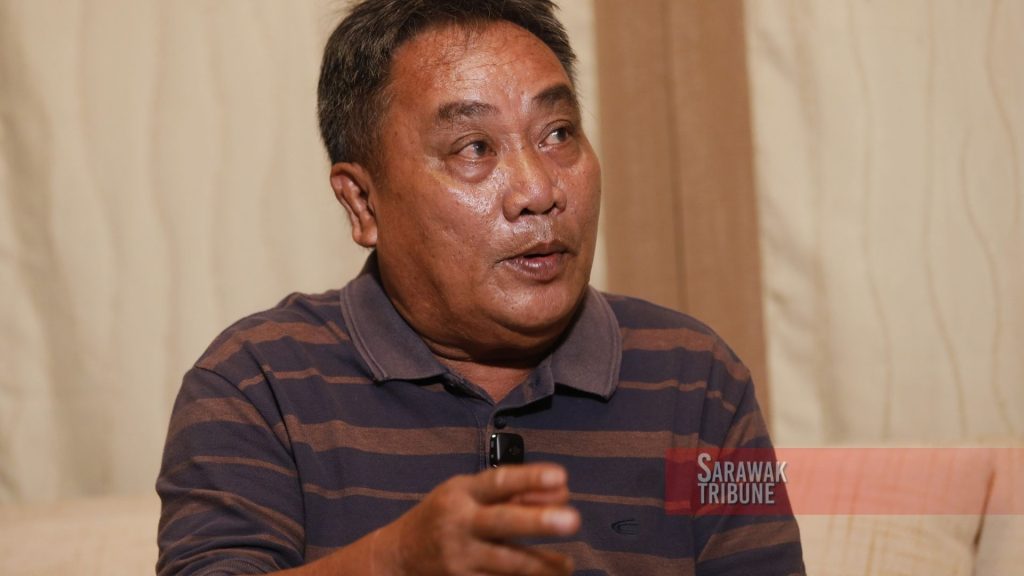
There was a time when reaching Kapit from his longhouse meant spending about four hours on an express boat. Today, the same journey takes around one hour and 20 minutes by road.
“As children, we depended entirely on the river. There were no roads. Everything was by boats,” he said.
Like many of his generation, Baling grew up when the river shaped almost every aspect of daily life. It carried children to school, brought families to Kapit for supplies and connected longhouses scattered across the interior. It was also where children learnt to swim, neighbours gathered after a day’s work and fishing provided food for the family’s evening meal.
But life along the river was never easy.
Travelling during periods of high water could be dangerous, while the dry season brought its own challenges as boats struggled through shallow stretches. A trip to town or the nearest clinic was rarely straightforward.
“Going to Kapit was difficult. Going to the clinic was difficult. Those were our biggest challenges,” he recalled.
Today, those journeys no longer take an entire day. Roads have made healthcare, education and everyday travel far more accessible, changing life for communities that were once isolated.
For Baling, however, one of the biggest differences is not how quickly people can leave Baleh, but how much easier it has become for them to come home.
In the past, family members who left to work or study often stayed away for long periods because travelling back to the longhouse was costly and time consuming.
“The roads have made it easier for them to come back,” he said.
Now, Gawai Dayak, Christmas and other family gatherings bring children and grandchildren home more often. Longhouses that are usually quiet throughout the year become lively again, filled with conversations, shared meals and the familiar laughter of relatives reunited under one roof.
Still, Baling believes development is a journey that is not yet complete.
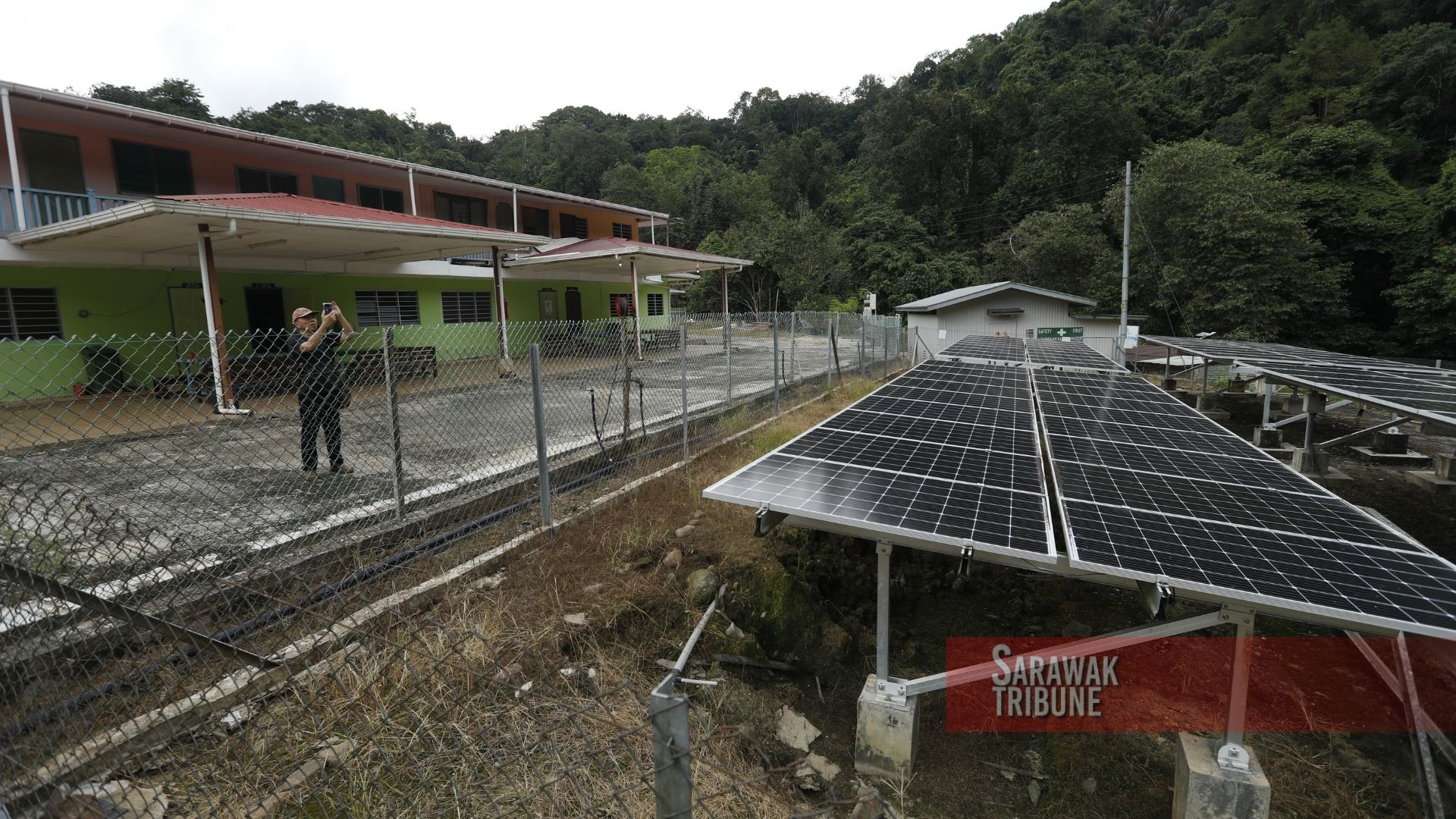
His longhouse continues to rely on solar power, but ageing batteries limit the electricity supply. Mobile phone coverage also remains unreliable, forcing residents to look for stronger reception before making a call.
“It is better than before, but there is still more to improve,” he said.
Among all the changes he has witnessed, there is one that lingers in his mind.
“The river used to be clean,” he said quietly.
He remembers a time when families bathed along its banks, children spent their afternoons swimming and the river provided fish for the dinner table. It was more than a means of transport. It was where daily life unfolded.
While Baling welcomes the roads, better accessibility and opportunities that development has brought to Baleh, he believes those changes have also altered the river that once sustained the community. To him, the river remains a reminder of a childhood that younger generations will never know in quite the same way.
Why they leave
For Jennifer Jantai, 46, the story of Baleh’s younger generation is not about abandoning home.
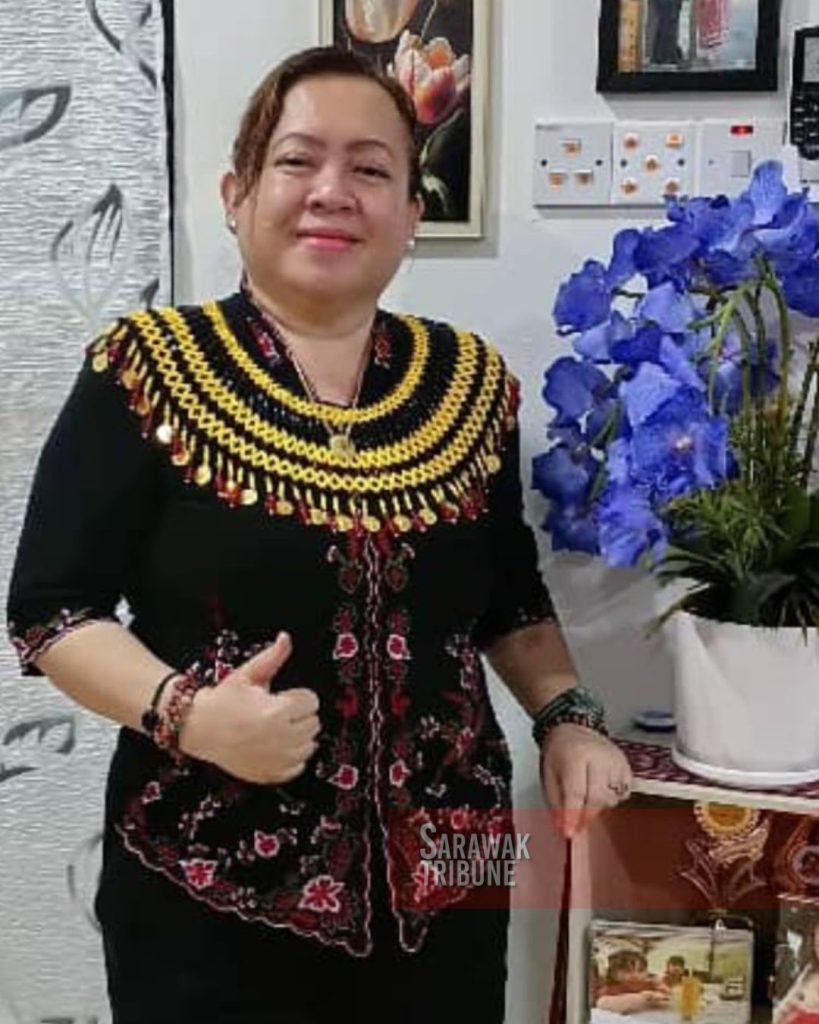
It is about searching for opportunities while carrying their roots with them.
Although she did not spend her entire childhood in the interior, Baleh has always remained part of her identity.
Her family’s roots trace back to Rumah Melinggang, where generations before her had lived. Because her father was frequently transferred for work, Jennifer grew up in Sarikei, Bintulu, Sibu, Kuching and Kapit, giving her the opportunity to experience life beyond the interior while remaining closely connected to her family’s longhouse.
Those experiences, she said, helped her understand why many young people choose to leave rural communities.
After completing a degree in Social Science at Universiti Malaysia Sarawak (UNIMAS), she joined the public service before eventually returning to Kapit, where she now serves with the Sarawak Public Communication Unit (UKAS).
Looking back, Jennifer believes it is only natural for young people to venture beyond the communities where they were raised.
“When you’re in your twenties, you want to see something new. You want new experiences and opportunities,” she said.
For many, that means pursuing higher education, building careers or simply gaining exposure to a different way of life. Leaving, she said, is not about rejecting Baleh, but about embracing opportunities that may not always be available in the interior.
Jennifer understands that journey because she has lived it herself.
Growing up in different towns exposed her to new people, new places and different perspectives. Yet every visit back to Rumah Melinggang reminded her where her family’s story began.
She believes many young Sarawakians share that same feeling.
As they grow older, priorities begin to change. Parents age, younger relatives grow up, and family gatherings become increasingly meaningful. Festivals such as Gawai Dayak and Christmas are no longer just celebrations but occasions that bring generations together under one roof.
Many eventually return to work in Kapit or choose to live closer to their parents. Even those who settle elsewhere continue making the journey home for important family occasions, ensuring their ties to the longhouse remain strong.
“Baleh is still home. People leave to learn and to work, but many of them want to come back,” she said.
For Jennifer, development has made those homecomings easier. Roads have opened opportunities for people to explore the world beyond Baleh, but they have also shortened the journey back to the families, traditions and communities that continue to shape who they are.
Building a place worth returning to
For Tuai Rumah Andan Ganai, 53, Baleh’s transformation is a story still being written.
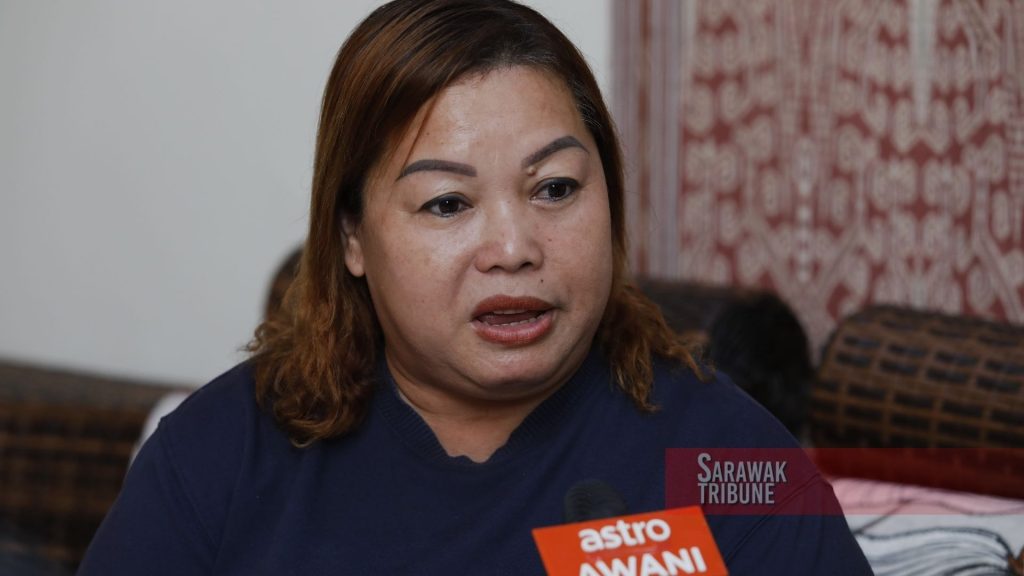
As the leader of her longhouse, she has witnessed how improved connectivity has reshaped life in the interior. Journeys that once depended entirely on the river can now be made by road, giving residents easier access to healthcare, education and essential services.
She remembers a time when travelling to Kapit required careful planning, with every trip dictated by weather and river conditions.
Today, those challenges have eased, allowing farmers to transport vegetables, fish and forest produce more efficiently, while families can travel with greater ease.
But to Andan, development is not measured only by the roads that have reached Baleh.
She believes communities in the interior still need reliable electricity, stronger mobile and internet connectivity and continued investment to improve the quality of life for residents.
“We have come a long way. But there is still more that can be improved,” she said.
She also understands that many young people will continue leaving Baleh to pursue higher education and employment.
Rather than seeing migration as a loss, Andan believes the greater challenge is ensuring the community continues progressing so that returning home remains an attractive choice.
“The important thing is that they never forget where they come from,” she said.
For her, development is not about preventing young people from leaving.
“It is to build a Baleh that they will always be proud to return to,” she said.
Home remains
For generations of Baleh residents, change has always been part of life.
The river that once served as the community’s lifeline has gradually given way to roads, opening opportunities that earlier generations could scarcely imagine.
Yet throughout conversations with the people of Baleh, one message remained constant.
Home is not defined by how long someone stays away.
It is found in the familiar voices that echo across the ‘ruai’, in the stories shared by elders, in the laughter that returns during Gawai and Christmas, and in the traditions passed from one generation to the next.
Many of Baleh’s younger generation may leave to study, work and build lives elsewhere.
But leaving home does not mean leaving it behind.
For those who grew up along the banks of Baleh’s rivers and within the walls of its longhouses, home remains the place where family, identity and belonging come together.
The journey may now be made by road instead of river, but for many, the destination has never changed.