KUCHING: The Rubber Industry Smallholders Development Authority (RISDA) Anchor Buyer initiative has successfully collected 8,328 metric tonnes of rubber from smallholders nationwide as of July 31, with Sarawak contributing 183 metric tonnes to the total.
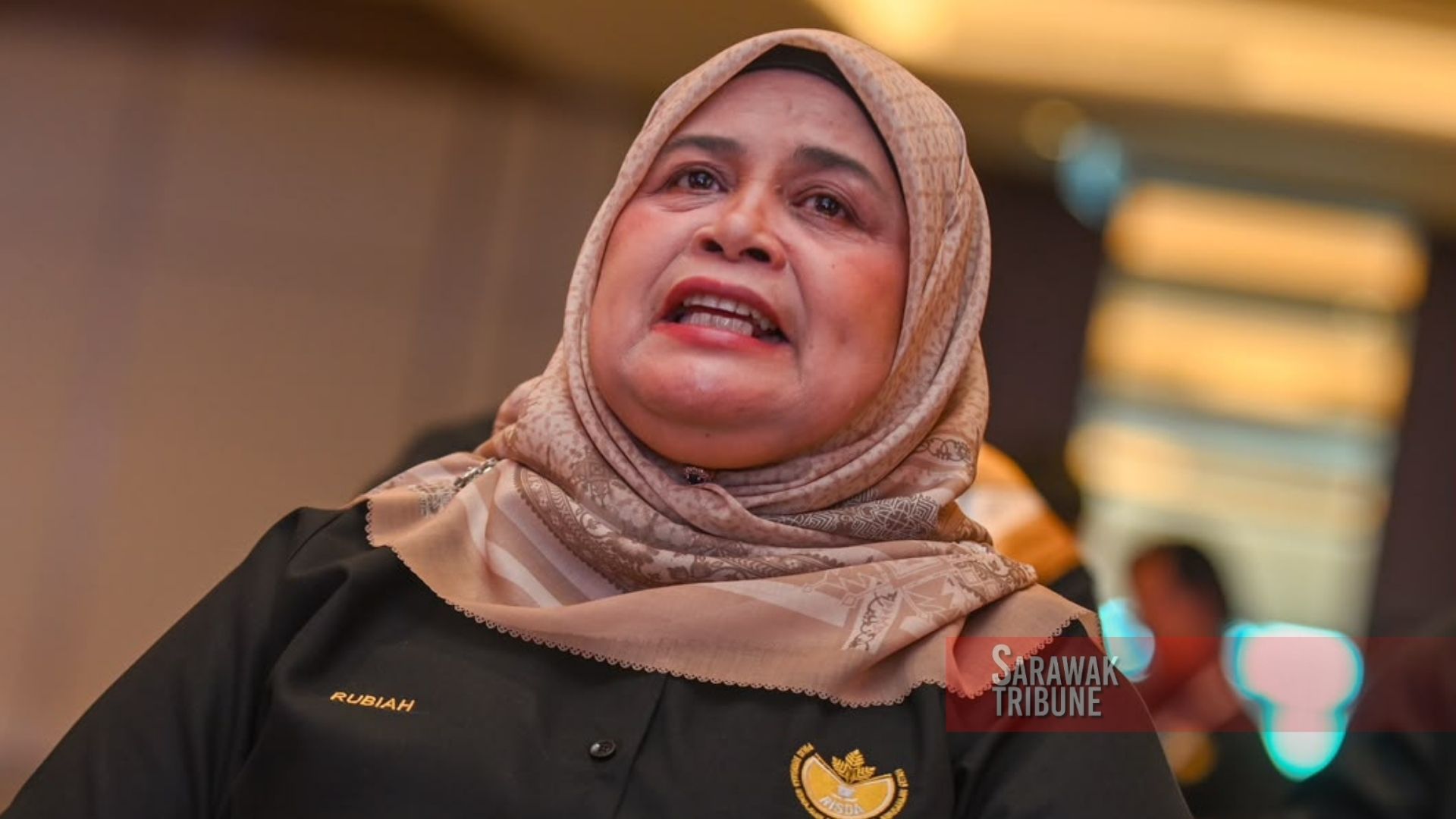
Deputy Minister of Rural and Regional Development Datuk Rubiah Wang said Betong and Samarahan recorded the state’s highest purchase volumes at 66.22 metric tonnes and 61.10 metric tonnes, respectively.
She highlighted that the achievement demonstrates the initiative’s success in providing a structured and competitive marketing platform for local smallholders.
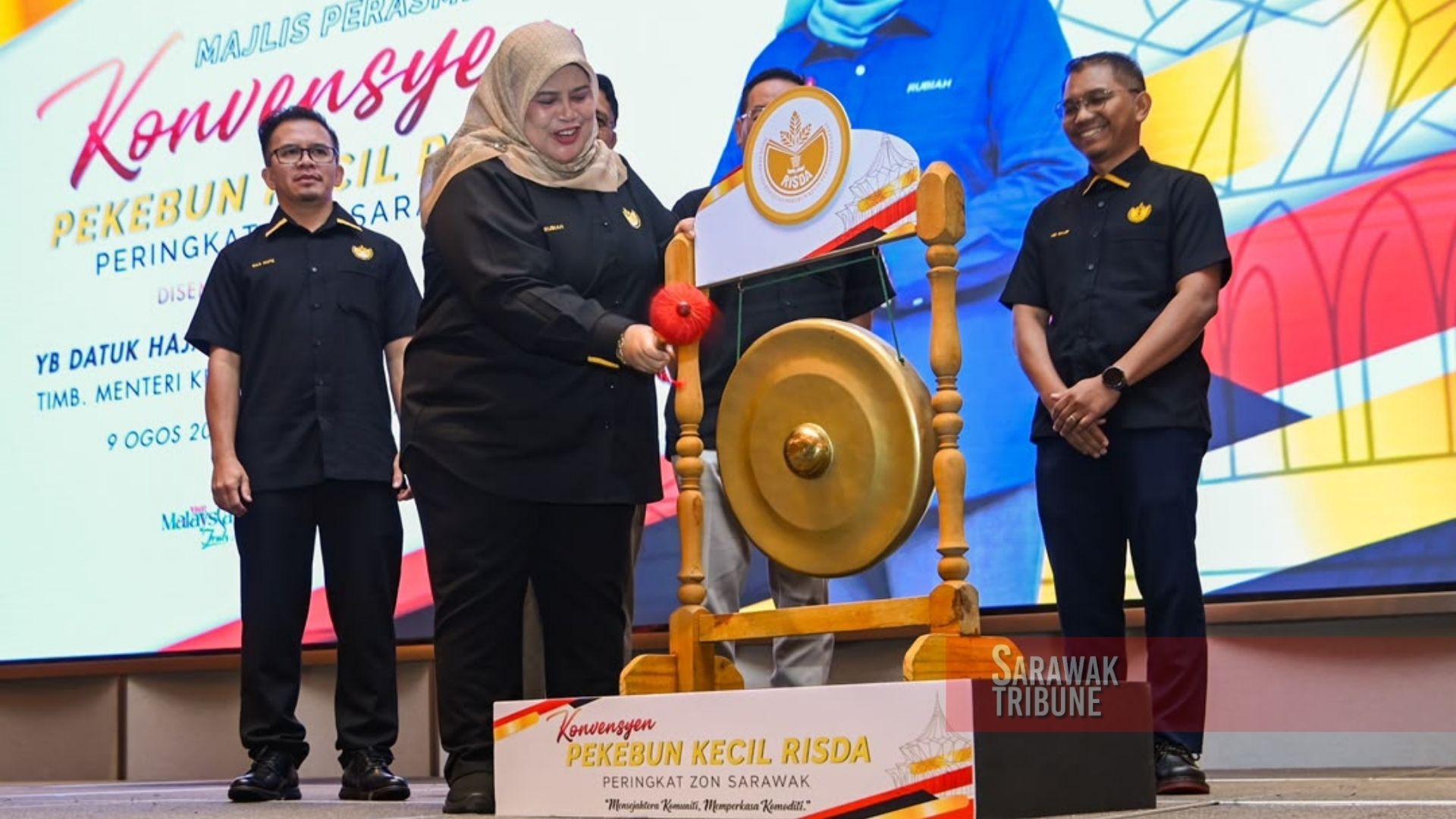
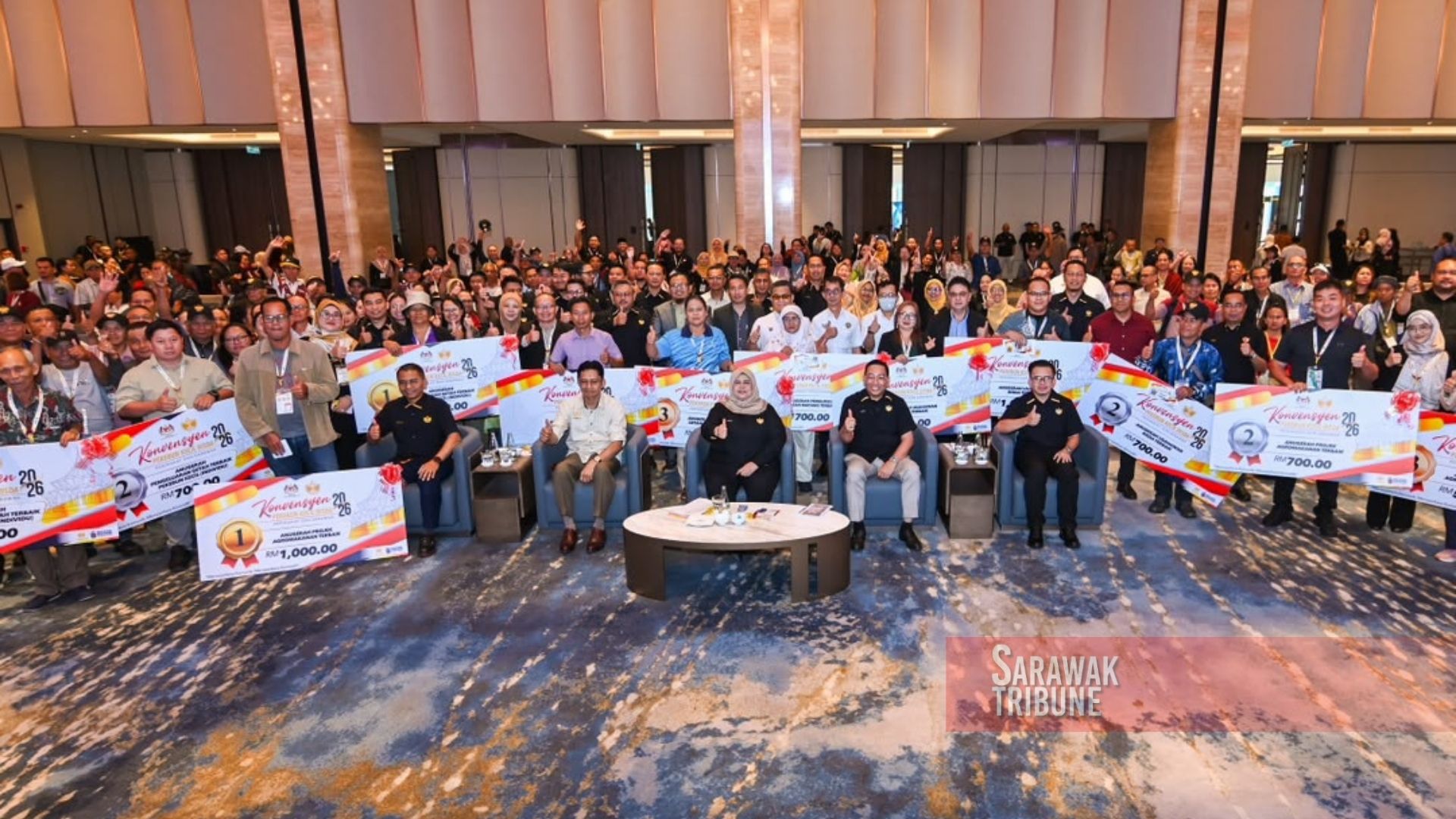
“Through this approach, RISDA does not merely purchase produce; it connects smallholders to an efficient marketing ecosystem to ensure transparent transactions, faster payouts, and better prices,” she said when officiating the RISDA Smallholders Convention for the Sarawak Zone 2026 at Voco Hotel today.
Rubiah noted that the program, managed by agency subsidiary RISDA Plantation Sdn Bhd, aligns with national efforts to streamline supply chains and ensure dignified returns for smallholders.
To support seamless marketing logistics, she added that RISDA is actively developing agricultural access roads to ease transport from rural farms directly to collection points.
She encouraged smallholders to market their yield collectively and maintain strict quality standards to maximize profit margins and reduce operational costs.
Looking ahead, Rubiah urged RISDA to explore building dedicated rubber processing facilities in Sarawak to drive downstream development.
“Sarawak should not rely solely on raw material sales. Processing activities and downstream development hold immense potential to create higher value, generate jobs and increase local incomes,” she added.