KUCHING: Research and innovation must translate into practical solutions that improve lives and benefit communities, said Deputy Premier Datuk Amar Dr Sim Kui Hian.
He said discoveries that remained in laboratories or ideas that failed to reach industry could not deliver their intended value to society.
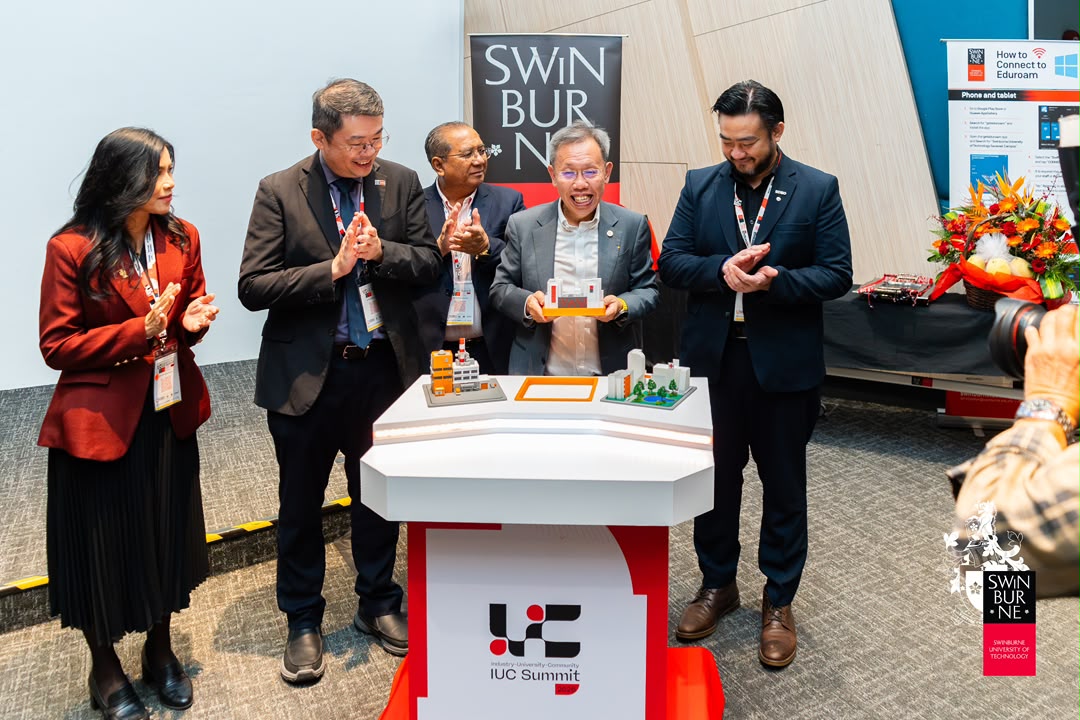
“Innovation only matters when it makes a difference to people. That is why this summit matters,” he said when officiating at Swinburne University of Technology Sarawak Campus’ Industry-University-Community (IUC) Summit 2026 here today (Aug 12).
Dr Sim, who is also Minister of Public Health, Housing and Local Government, said research should not merely generate new knowledge but also create value for people and society.
He noted that artificial intelligence, hydrogen, robotics and digital transformation were important drivers of progress, but their success should ultimately be measured by their impact on people’s lives.
The two-day summit, held from Aug 11 to 12 under the theme “Bridging Gaps, Breaking Barriers, Co-Creating Success”, attracted more than 250 participants from Sarawak and neighbouring regions.
It brought together researchers, industry leaders, government representatives, community partners and students to explore partnerships in research, technology and commercialisation.
Swinburne Sarawak Pro Vice-Chancellor and chief executive officer Ir Professor Lau Hieng Ho said the university remained committed to connecting global knowledge with local aspirations through collaboration.
“For our students, these engagements provide invaluable opportunities to gain experience beyond the classroom, work on real problems, develop professional skills and understand how their knowledge can contribute to society,” he said in a speech delivered by Deputy Pro Vice-Chancellor (Academic) Ir Professor Sim Kwan Yong.
Meanwhile, Deputy Pro Vice-Chancellor (Research) Professor Dr Ida Fatimawati Adi Badiozaman said the university’s Research Masterplan 2030 guided multidisciplinary studies addressing Sarawak’s priorities, including renewable energy, digital transformation, healthcare, healthy ageing and sustainable development.
She cited the Ageing Sarawak initiative, which engaged more than 6,000 older adults statewide, as an example of research informing policy and strengthening community practices.
“It was never simply about collecting data; it was about listening, understanding, learning and generating evidence that can shape better policies, strengthen practice and improve lives,” she said.
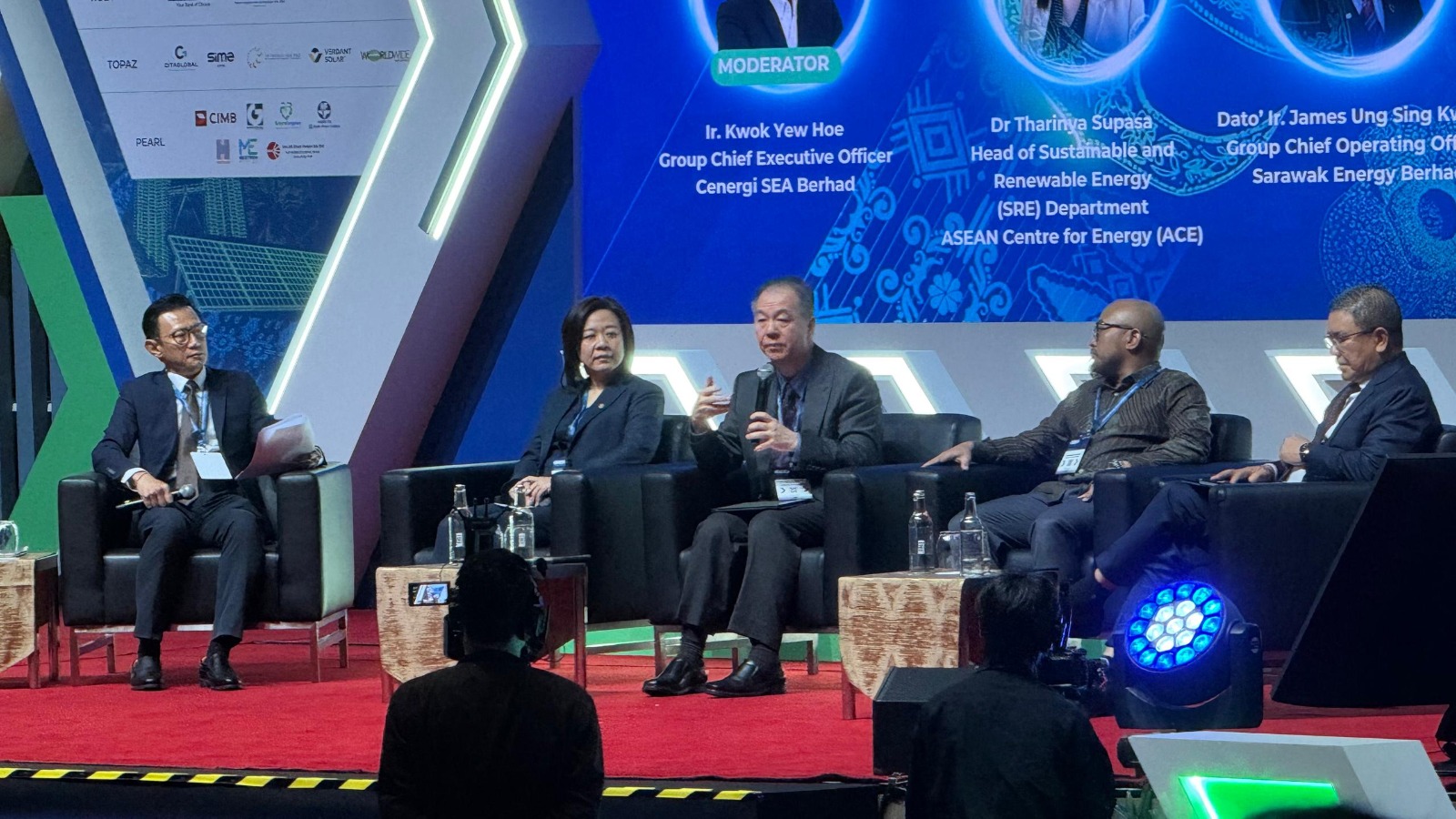
According to Swinburne Sarawak, the summit also featured thought leadership panels, a research exhibition, an innovation pitching competition and strategic networking sessions.