KUCHING: Sarawak’s digital transformation must be accompanied by firm safeguards for data security, privacy, accountability and inclusivity.
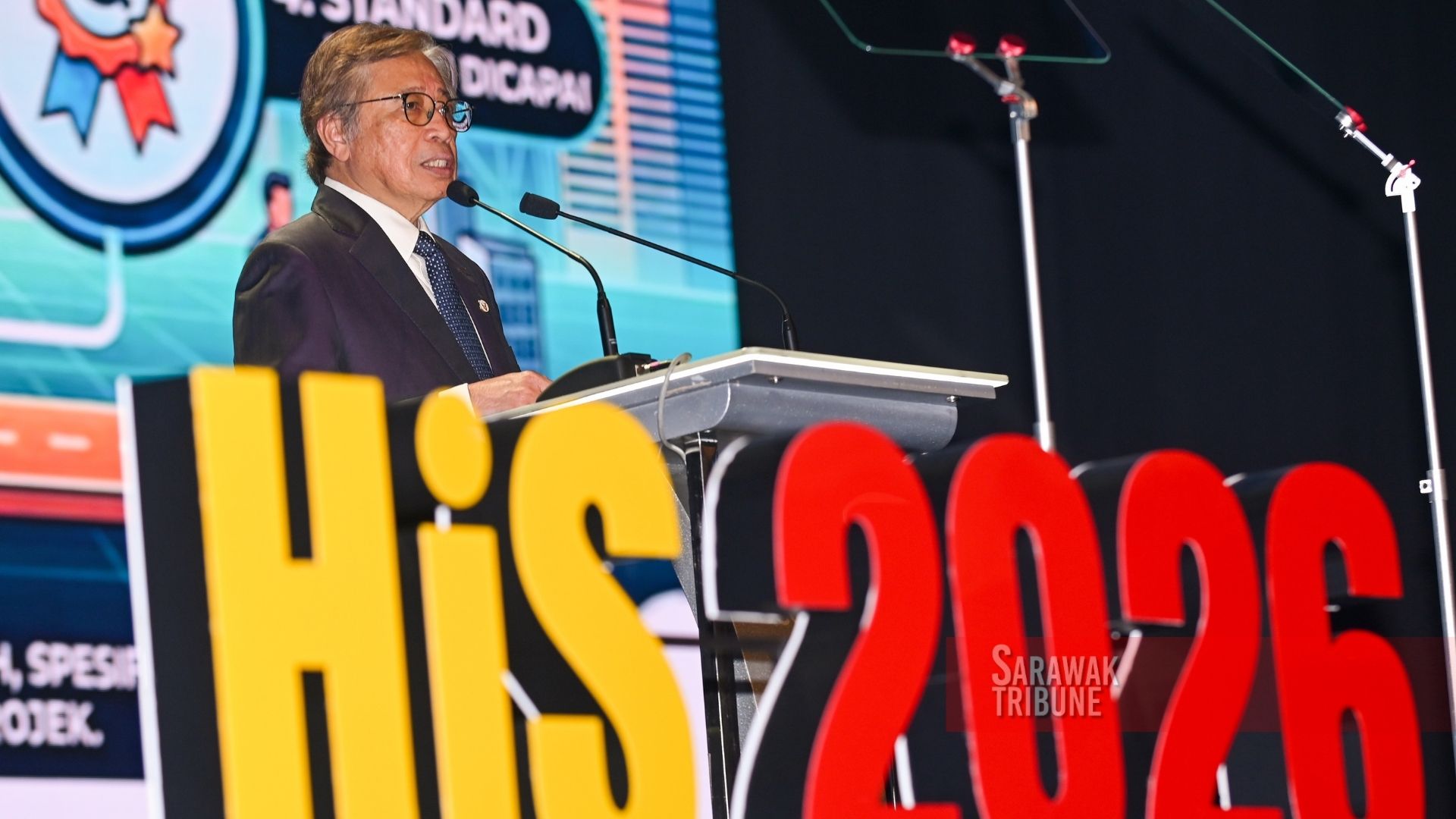
Premier Datuk Patinggi Tan Sri Abang Johari Tun Openg said while technology could improve administrative efficiency and make public services easier and faster, every digital initiative must remain firmly guided by the principles of integrity.
“Data security, privacy protection, accountability and inclusivity must be given due attention so that digital transformation genuinely strengthens the people’s confidence in government services,” he said.
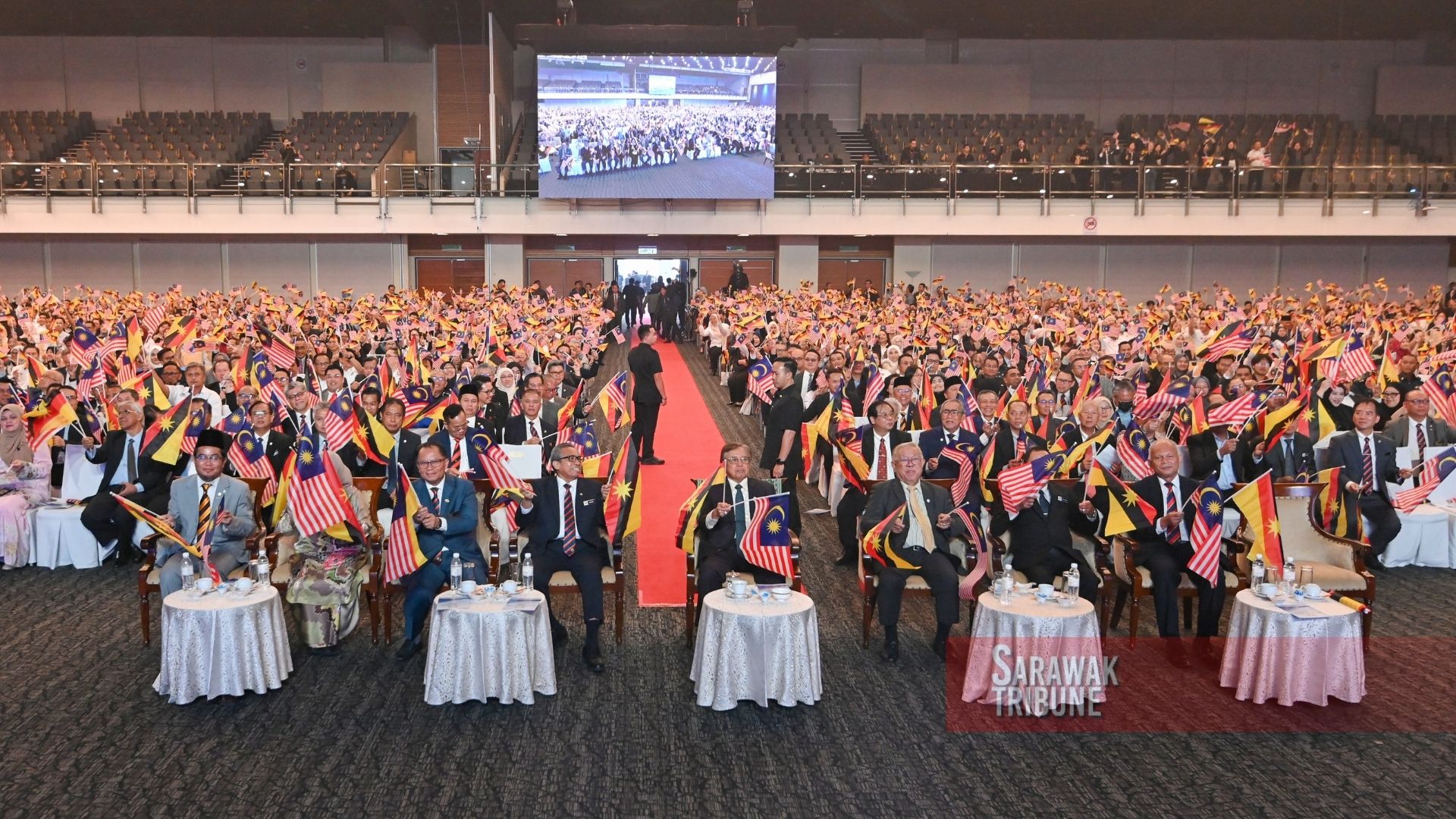
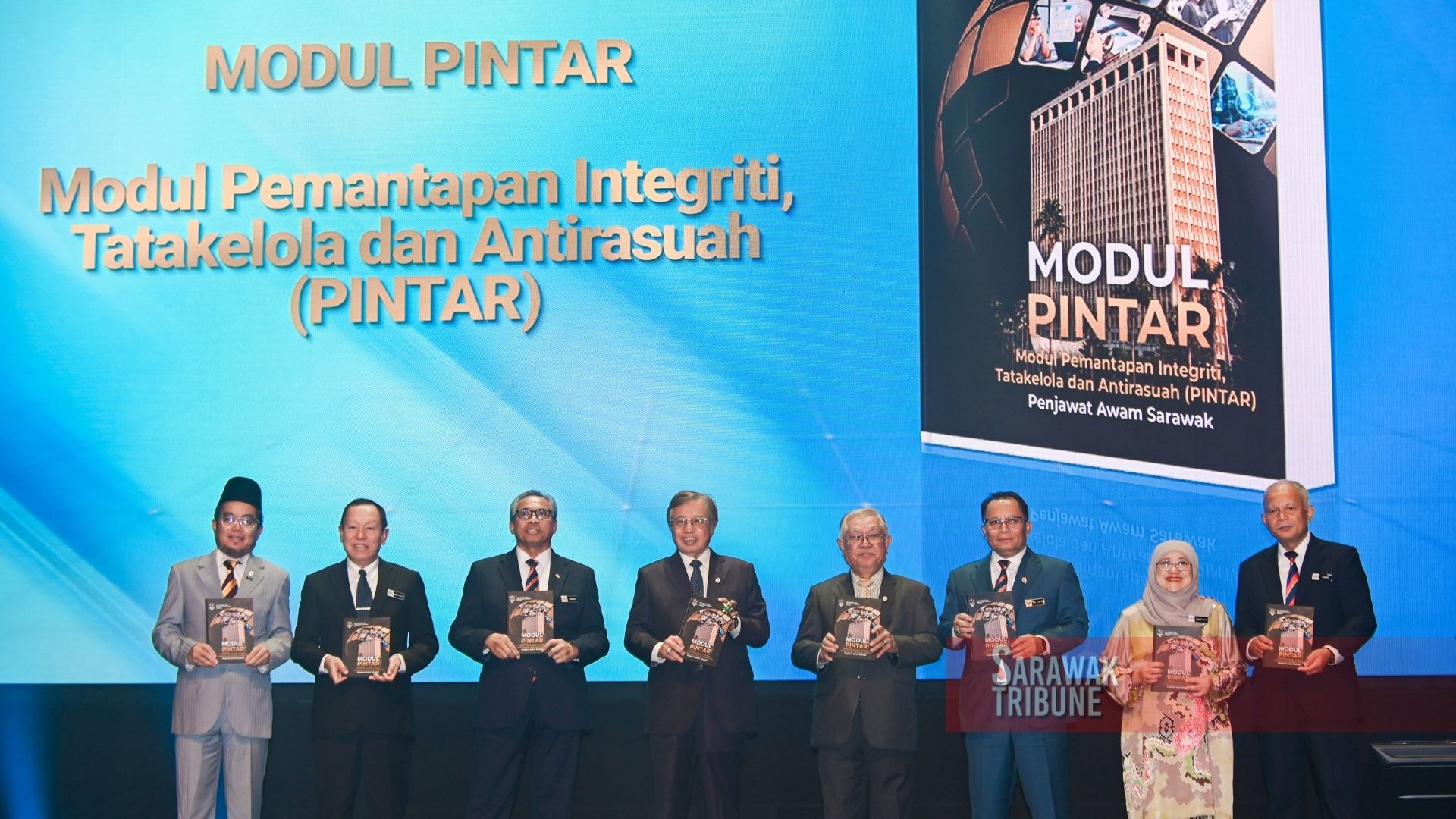
He said this when officiating at the Sarawak Integrity Day 2026 celebration at the Borneo Convention Centre Kuching (BCCK) here today.
Abang Johari said the state government continues to strengthen its digital transformation to improve government administration and the delivery of services to the people.
He cited initiatives such as SarawakPass, S PAY GLOBAL and the development of the Sarawak Science Centre as examples of the state government’s efforts to harness technology to create services that were more convenient, efficient and effective.
However, he stressed that technological advancement could not be separated from integrity and public accountability.
“Digital transformation should ultimately strengthen rather than undermine the trust people placed in government institutions and services,” he said.
Abang Johari said the same integrity-based approach must be applied across Sarawak’s wider development agenda, including the energy, education, economic and digital sectors.
He stressed that every development initiative must be based on trust, transparency and responsibility.
“Whether in energy development, education, the economy or digitalisation, the ultimate objective is to ensure that every advancement delivers meaningful benefits to the people and strengthens Sarawak’s prosperity,” he said.
On the state’s green energy agenda, Abang Johari said the Sarawak Energy Transition Policy, introduced in 2025, represented a strategic step towards transforming the state’s energy sector.
The policy covers the development of renewable energy, energy efficiency, clean hydrogen and low-carbon technology.
He said the success of the agenda should not be measured solely by the value of investments attracted or the level of economic growth achieved.
“The true measure of success will be the extent to which the development created opportunities for Sarawakians through highly skilled employment, local human capital development and improvements in quality of life.
“To prepare Sarawakians for emerging economic sectors, the state government has continued to emphasise education and talent development,” he said.
Abang Johari said the Free Tertiary Education Scheme (FTES) was a strategic long-term investment intended to produce competitive and highly skilled human capital.
He also said Sarawak’s economic progress must move in tandem with human capital development to ensure opportunities and benefits were shared fairly and widely among its people.
“The FTES would help prepare Sarawakians for the future needs of industries in fields such as artificial intelligence, green energy, semiconductors, biotechnology and the digital economy,” he added.