KUCHING: Armed with frontline experience rather than engineering degrees, HMI Medical’s nurses are helping design the smart hospital wards of tomorrow.
Their responsibilities have moved beyond bedside care into workflow design, healthcare informatics, equipment assessment and technology development.
Their insights helped shape HMI’s proprietary smart ward system, created not merely to digitalise hospital work but to rethink how care is delivered from the ground up.
The nurse-driven approach has already produced Malaysia’s first next-generation smart ward at Mahkota Medical Centre in Melaka and will help shape the upcoming Regency Specialist Hospital Kuching.
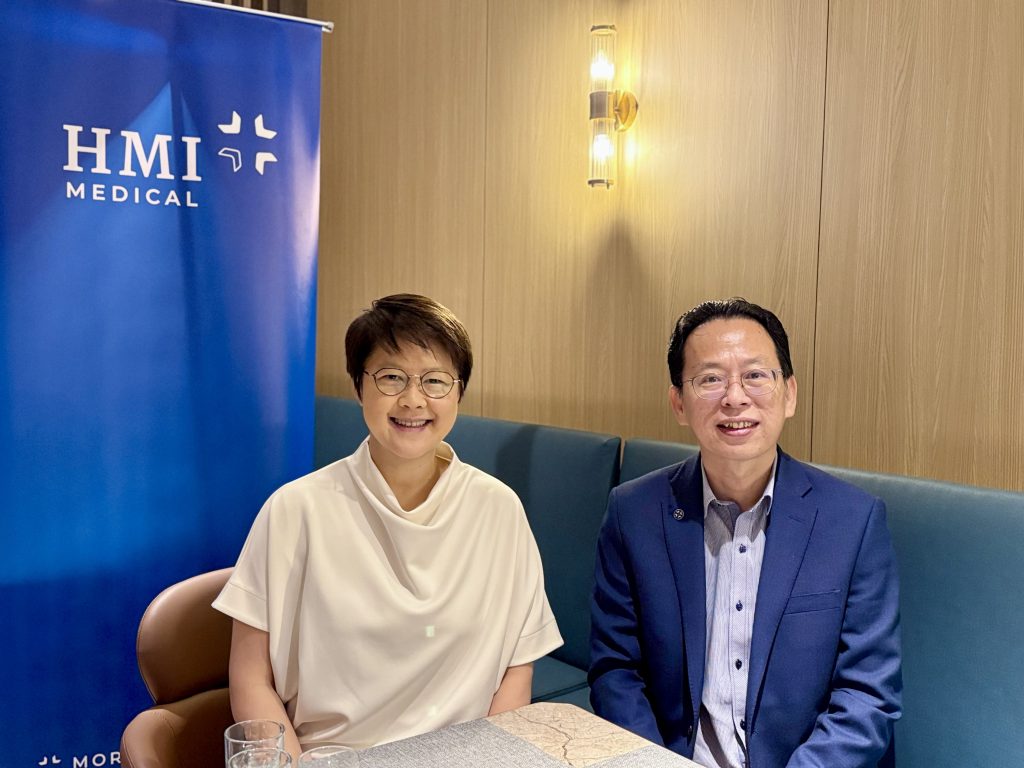
HMI Malaysia chief executive officer Stanley Lam said the system differed from conventional hospital technology because it was not simply purchased and customised from an external vendor.
Instead, nurses mapped out the workflows, identified inefficiencies and worked with HMI’s technology and project teams as well as programmers from Taiwan to develop it.
“The nurses are at the core of the product because they know best how to serve patients, improve the experience for doctors and handle information seamlessly,” he said during an exclusive interview at Sheraton Kuching on Tuesday (Aug 11).
Lam, who previously served as Mahkota’s chief executive officer for more than 10 years, said involving nurses throughout the process gave them a sense of ownership over the resulting technology.
He said this distinguished HMI’s system from off-the-shelf products which may be customised without the same level of participation from those expected to use them every day.
While software developers may understand how to build a digital product, nurses bring practical knowledge of patient needs, clinical routines and the flow of information within a hospital ward.
Their involvement allowed the project team to examine not only what could be digitalised but also which steps could be removed, simplified or redesigned altogether.
“We own the intellectual property of the smart ward system, but the nurses were the ones who developed the workflows and went through the processes.
“This is something we found very difficult to replicate because the nurses own the system and know best how to serve patients better.”
Since its introduction, the system has reportedly drawn visits from other Malaysian hospitals seeking to understand how HMI developed and implemented it.
For HMI Medical’s Executive Director and Group Chief Executive Officer, Chin Wei Jia, introducing technology into a hospital involves more than transferring an existing manual process onto a screen.
She said simply digitalising an inefficient process would not necessarily improve the experience of patients or healthcare workers.
“When technology comes in, we do not just take the existing process and digitalise it, but change the process so that we can do more with less.
“Technology allows us to reduce the number of steps required and improve how the work is carried out.”
The development process brought together nurses, doctors, information technology specialists, project teams, equipment vendors and external partners.
A senior doctor with relevant experience also supported the project, while vendors helped ensure the system could function alongside the medical equipment used in the wards.
Despite the range of technical expertise involved, Chin said nurses remained its key drivers because their daily interaction with patients gave them the clearest view of what worked and what needed to change.
Their responsibilities eventually extended into areas rarely associated with conventional nursing, including equipment assessment, ergonomics and product development.
At times, the nurses had to think almost like product engineers as they examined whether equipment and its attachments were safe, practical and suitably positioned for use.
They also had to consider whether the technology could be incorporated into clinical routines without creating additional burdens for nurses, doctors or patients.
“It gave our nurses an opportunity to do things beyond their usual duty of care by becoming a key part of the project team and getting involved with technology.
“They had to be very innovative, almost like product engineers, as they looked at the equipment, ergonomics and safety of the different components.”
The project also provided them with exposure to technology development and project management while giving their clinical knowledge a direct role in shaping the finished system.
Chin said the nurses involved were proud of what they had achieved and had since continued contributing to other improvement projects within the group.
“We are very proud of what they achieved, and they continue to do more in other areas.
“We have also seen improvements in service levels within the wards based on feedback from our patients.”
For Lam, the project demonstrated why the role of nurses must evolve as hospitals become increasingly digital.
Nurses in Malaysia have traditionally been expected to concentrate on clinical care, but he said their knowledge could also play an important role in healthcare informatics.
Combining clinical understanding with the ability to organise and use digital information could make technology more effective for patients and medical teams.
“The world has moved towards digitalisation, so it is important for us to expand the role of nurses into informatics.
“They know how to care for patients, and when that knowledge is combined with informatics, it becomes very powerful.”
The smart ward forms part of a wider digital transformation across HMI Medical, which operates healthcare services spanning primary care, specialist care, hospitals, diagnostics, telemedicine and corporate health administration.
Electronic medical records already provide the foundation across the group, allowing medical information to be connected more effectively throughout a patient’s care journey.
HMI has also invested in applications and digital services that allow patients to manage appointments, retrieve medical information and access care with fewer administrative obstacles.
Artificial intelligence and data analytics are being introduced to improve efficiency, support quality processes and help patients find the appropriate services more quickly.
Chin said technology should ultimately reduce friction and guide patients through their care journey as seamlessly as possible.
The experience gained through Mahkota Medical Centre provides HMI with an existing model for applying those ideas in a major tertiary hospital.
Opened in 1994, Mahkota has grown into one of Melaka’s longest-established private hospitals, serving both local and international patients.
Its track record in healthcare innovation includes Malaysia’s first next-generation smart ward, alongside international and national accreditations for healthcare quality.
Mahkota is now advancing its smart hospital journey through a new 10-storey block scheduled to be completed in phases from 2028.
The expansion will bring its total capacity to 430 beds by 2029 and include a smart-enabled intensive care unit with enhanced digital monitoring for complex critical-care cases.
It will also feature a fully digital pathology laboratory, new operating theatres, additional inpatient and day-care facilities and an expanded cancer centre.
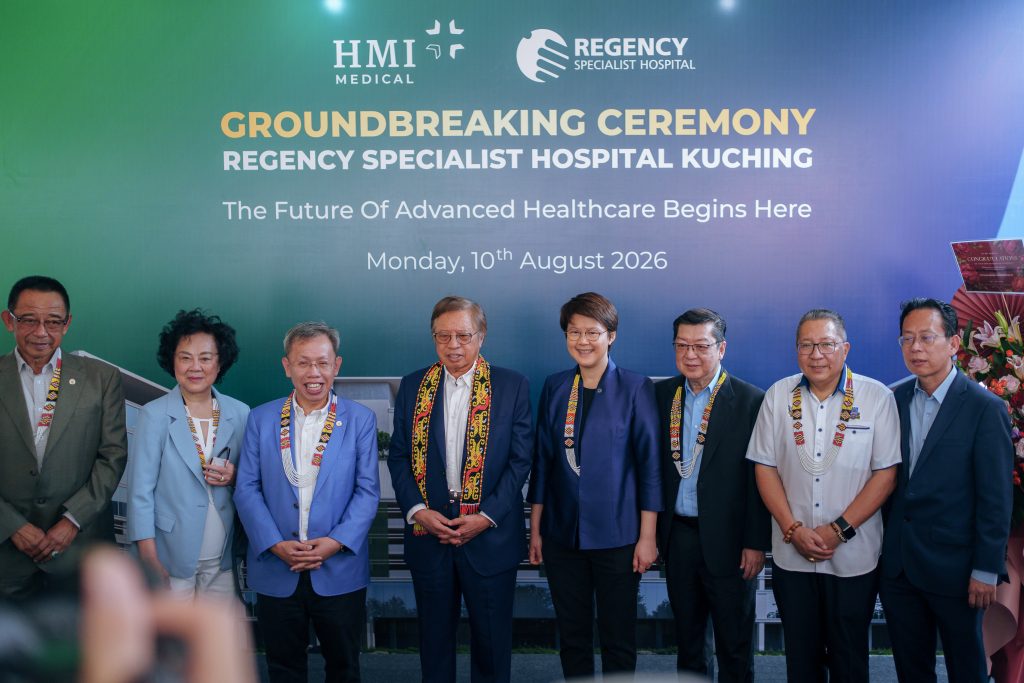
Those lessons will now help inform the development of Regency Specialist Hospital Kuching, HMI Medical’s first private hospital in Sarawak.
Scheduled to open in 2029, the 300-bed tertiary hospital at The NorthBank will include smart wards, advanced operating theatres, intensive care facilities and a comprehensive cancer centre.
It will draw on the clinical and operational experience of both Mahkota and Regency Specialist Hospital in Johor while incorporating systems suited to Sarawak’s evolving healthcare needs.
The Kuching hospital is being designed as a smart facility from the outset rather than having digital systems added after its physical and clinical workflows have already been established.
“When we talk about smart wards, it is not just about the word ‘smart’.
“The objective is to improve the patient experience, strengthen clinical safety and help nurses perform their tasks more efficiently,” Lam said.
Technology, however, will not replace the human judgement at the centre of healthcare.
Instead, HMI’s approach places those closest to the patient at the heart of deciding how digital tools should function and which problems they should solve.
For the nurses involved, the smart ward represents more than a technological upgrade.
It gives their experience at the bedside the power to influence the design of an entire hospital system.
By giving nurses a voice in that process, HMI is allowing the people who understand the ward most intimately to help determine how the hospital of the future should work.