KUCHING: Sarawak should move decisively to position itself as a regional leadership development hub while leveraging its tourism potential to establish a new niche in leadership tourism.
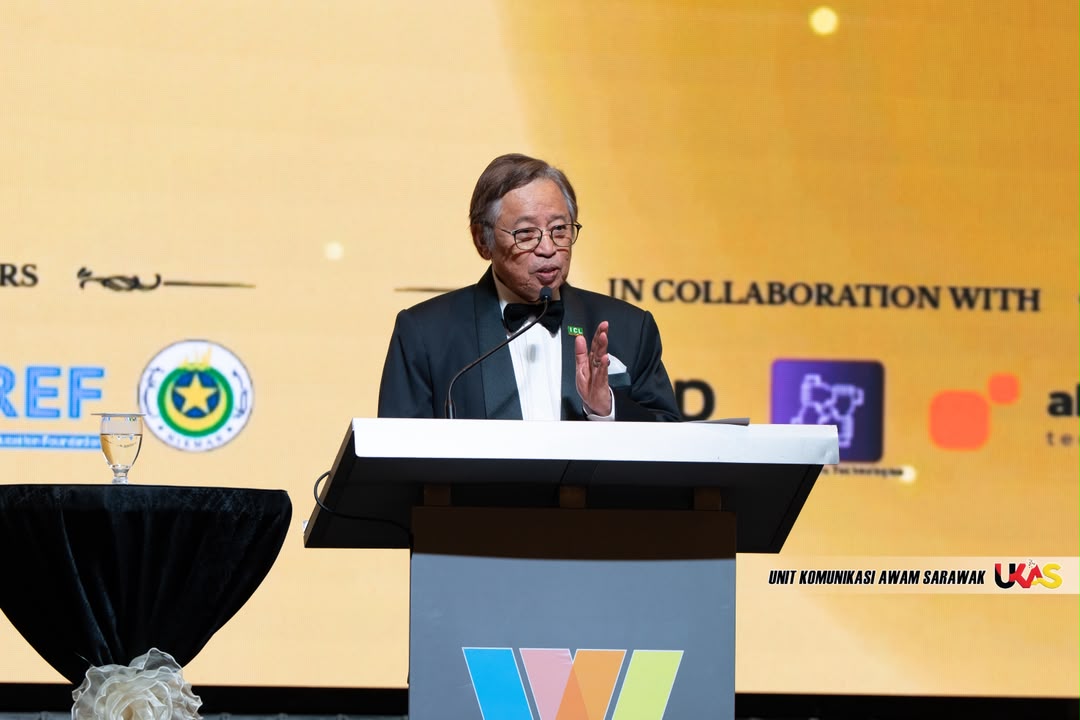
Premier Datuk Patinggi Tan Sri Abang Johari Tun Openg said the establishment of the Institute of Contemporary Leadership (ICL) marked an important step towards institutionalising leadership development and nurturing future leaders equipped to navigate increasingly complex global challenges.
“The future of leadership is not something we wait for; it is something we create together. We have defined the essence of contemporary leadership and recognised the need to institutionalise its principles.
“Now, it is time to act to turn Sarawak into a leadership development hub. And with Sarawak’s huge tourism potential, Sarawak can at the same time be a hub for leadership tourism,” he said when officiating at the launch of the ICL and Professional Certificate in Contemporary Leadership (PCCL) alumni dinner here on Sunday (Aug 16).
He said the evolving global landscape required a new approach to leadership that not only addressed present challenges but also anticipated future complexities.
“This is where research and development is important. From its research and development work, ICL has developed a new approach to leadership development based on strategic foresight, trustworthiness and inclusivity — leadership traits that we hold dearly in Sarawak,” he said.
Abang Johari said strategic foresight was particularly important in anticipating challenges, identifying opportunities and aligning actions with long-term objectives.
He cited the formulation of the Post COVID-19 Development Strategy (PCDS) 2030 as an example of foresight leadership, recalling how he had called for a strategy that looked beyond the conventional five-year planning period.
“We must prepare for 10 years, PCDS 2030, and perhaps later beyond 2030. This is what we call foresight leadership. You must know the trend and the changing circumstances that must be considered when we want to formulate new policy,” he said.
On the PCCL programme, he said its combination of online learning and a residential attachment in the United Kingdom was intended to provide participants with academic grounding and international exposure.
He said exposure to different cultures could help future leaders build confidence and develop the ability to engage effectively in an international environment.
Abang Johari also stressed that leadership was built on three fundamental pillars namely strategic foresight, trustworthiness and inclusivity.
He said great leaders were not simply born but had to be nurtured, developed and equipped with the right knowledge, skills and values through structured training, continuous learning and mentoring.
“Leadership excellence cannot be left to chance. Leaders must be nurtured, trained, mentored and equipped with the necessary principles and practices, and this requires a sustained effort by a dedicated institution,” he said.
Abang Johari said ICL is therefore established not merely to produce leaders but to shape leadership itself through research and development.
He said the institute could help ensure future leaders were capable, ethical and visionary, while contributing to sustainable progress.
On leadership tourism, he said Sarawak’s unique development experience could serve as a “live classroom” for regional and international cohorts, corporate executives, ASEAN youth networks and universities.
He said participants could study Sarawak’s development model under PCDS 2030 through areas including strategic foresight in clean energy and renewable energy transition, governance through decentralised rural development and digital public services, as well as inclusivity through social harmony and cultural preservation.
“By treating the geographical, institutional and cultural landscape of a host destination as a live laboratory, travel shifts from a leisure activity to an active catalyst for cognitive development,” he said.
Abang Johari said the leadership tourism concept could create a dual benefit by cultivating talent while generating direct economic returns for Sarawak.
Meanwhile, he congratulated the 59 participants who had graduated from the first two PCCL cohorts, with the third cohort is currently undergoing the programme and is scheduled to graduate in the United Kingdom next month.