KUCHING: Sarawak’s push into aerospace technology is aimed at harnessing satellite-generated data to better understand and unlock the State’s natural resources, rather than producing astronauts, said Premier Datuk Patinggi Tan Sri Abang Johari Tun Openg.
He said aerospace technology would become increasingly important as data emerged as a major resource, particularly in supporting research, analysis and the identification of Sarawak’s resources.
“Everyone is asking why Sarawak wants to explore aerospace. What is Sarawak doing? Are we talking about space because we want to produce astronauts?
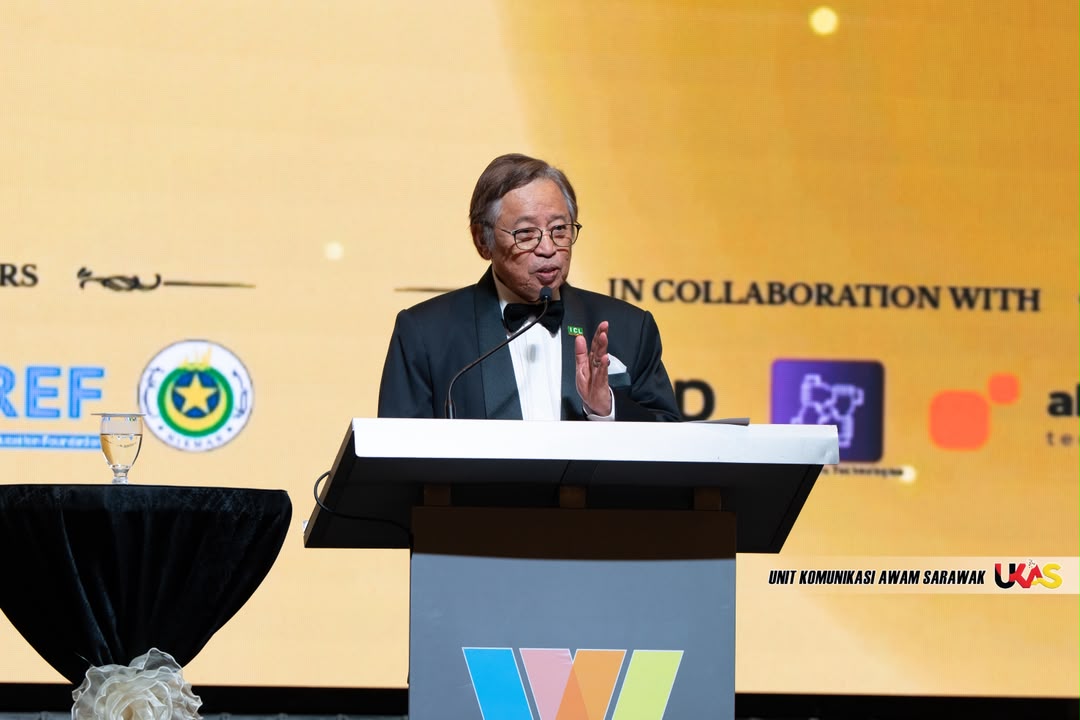
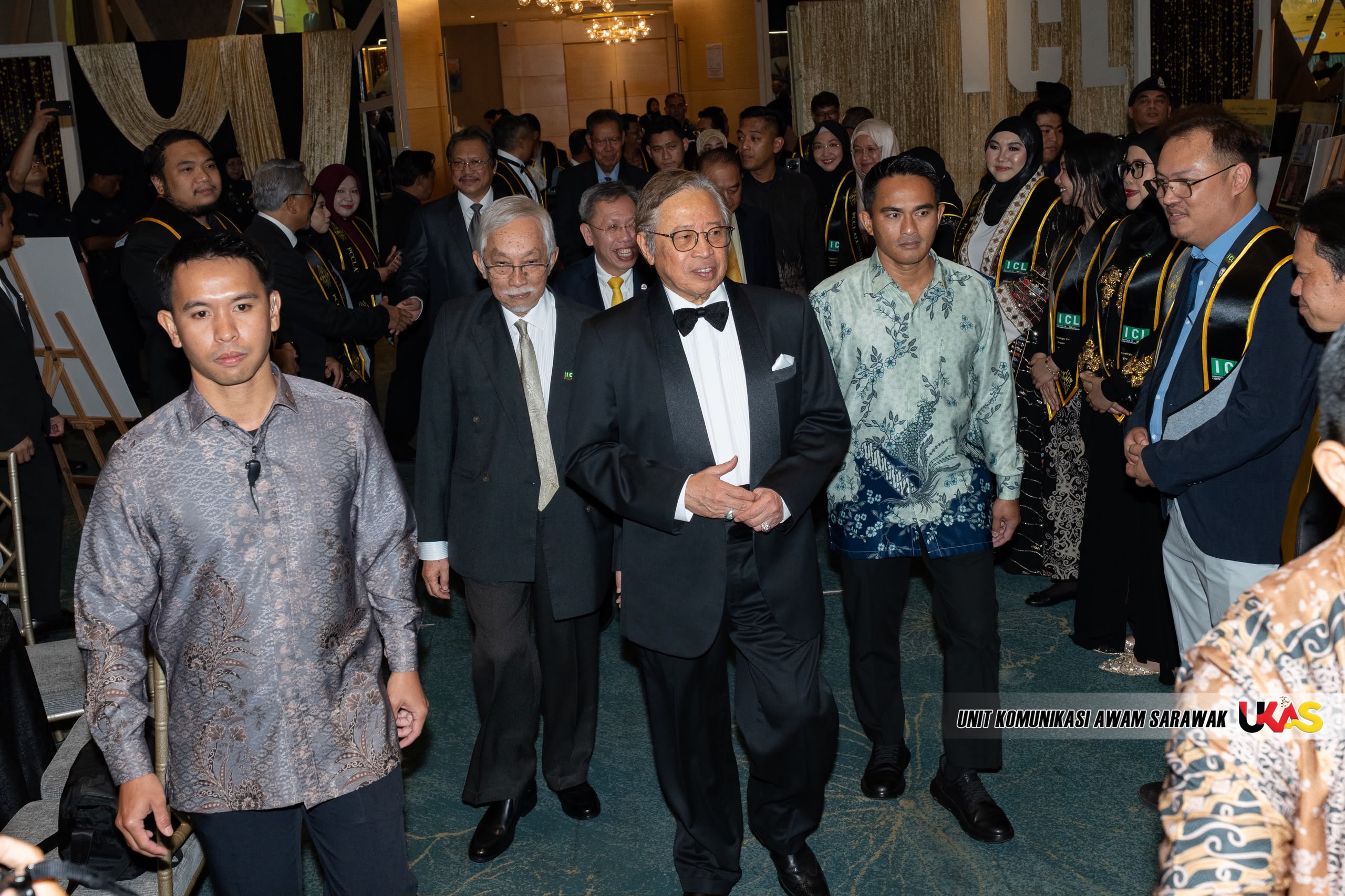
“Actually, no. What we want to explore is data,” he said this in his speech when officiating the launch of the ICL and Professional Certificate in Contemporary Leadership (PCCL) alumni dinner here on Sunday.
He said data is becoming a new source of economic value, with the ability to collect, analyse and interpret data creating opportunities to develop new products and solutions.
“Data is the new resource. People say data is the new oil. You can digest the data, analyse the data and produce new things from it,” he said.
According to him, satellites would provide an important means of obtaining such data, prompting Sarawak to pursue plans to launch its own nano-satellite, or CubeSat, into Low Earth Orbit (LEO).
He said the state is also exploring matters relating to the use of spectrum, which was essential for transmitting signals between satellites and ground-based systems.
“I asked our Attorney General, if you have rights under the ground, you must have rights above the ground. That above ground is spectrum,” he said.
Abang Johari said Sarawak would need to work with the Federal Government on the sharing and use of spectrum, given that satellite communications relied on signals travelling through space.
He said signals from Sarawak’s planned LEO nano-satellite could subsequently be used to gather information that would help the State better understand and explore its resources.
Abang Johari said advances in aerospace and other technologies are already making it possible to determine the presence of resources such as oil through data and technological analysis.
“Today, through that technology, you can know whether there is oil or not there. These are new technologies, and you have to look into the future,” he said.
He stressed that research would therefore be crucial as Sarawak sought to harness emerging technologies and convert information into greater value for the State.
Abang Johari also linked the aerospace initiative to the need for a new generation of leaders capable of responding to rapid technological and economic changes.
He expressed hope that the contemporary leadership programme would produce leaders who are not only interested in holding leadership positions but were also capable of adapting to new ideas and translating them into action.
“I hope this contemporary leadership programme will bring about leaders who not only want to become leaders, but leaders who can adapt to new ideas and translate ideas into action. And that will benefit everybody,” he said.
He added that the leadership institute could eventually expand its reach beyond Sarawak to the ASEAN region, leveraging the strength of the regional bloc to contribute towards a stronger global economy.
“Not only Sarawak — perhaps this leadership institute can expand throughout ASEAN. With the strength of ASEAN, we will become a powerful bloc in terms of the global economy,” he said.