KUCHING: Artificial intelligence (AI) should be embraced by creative industry players as a productivity tool, but human creativity, judgement and lived experience will remain key factors that distinguish one creator from another.
Far Out Solutions Sdn Bhd founder and chief executive officer Fay Lee said AI is already helping creative teams reduce the time spent on routine production tasks, allowing them to focus more on storytelling, ideas, and creative decision-making.
“I’m all for my team using AI. It’s better to adopt it now. It’s not going away.
“It takes away a lot of the time for you to do localisation of content, like changing languages or asset variations or doing first drafts of anything.
“It saves a lot of time so that the team can actually do the real human work, the creative part, making the story, making the story around purpose, intent and, of course, the client’s objectives,” she said.
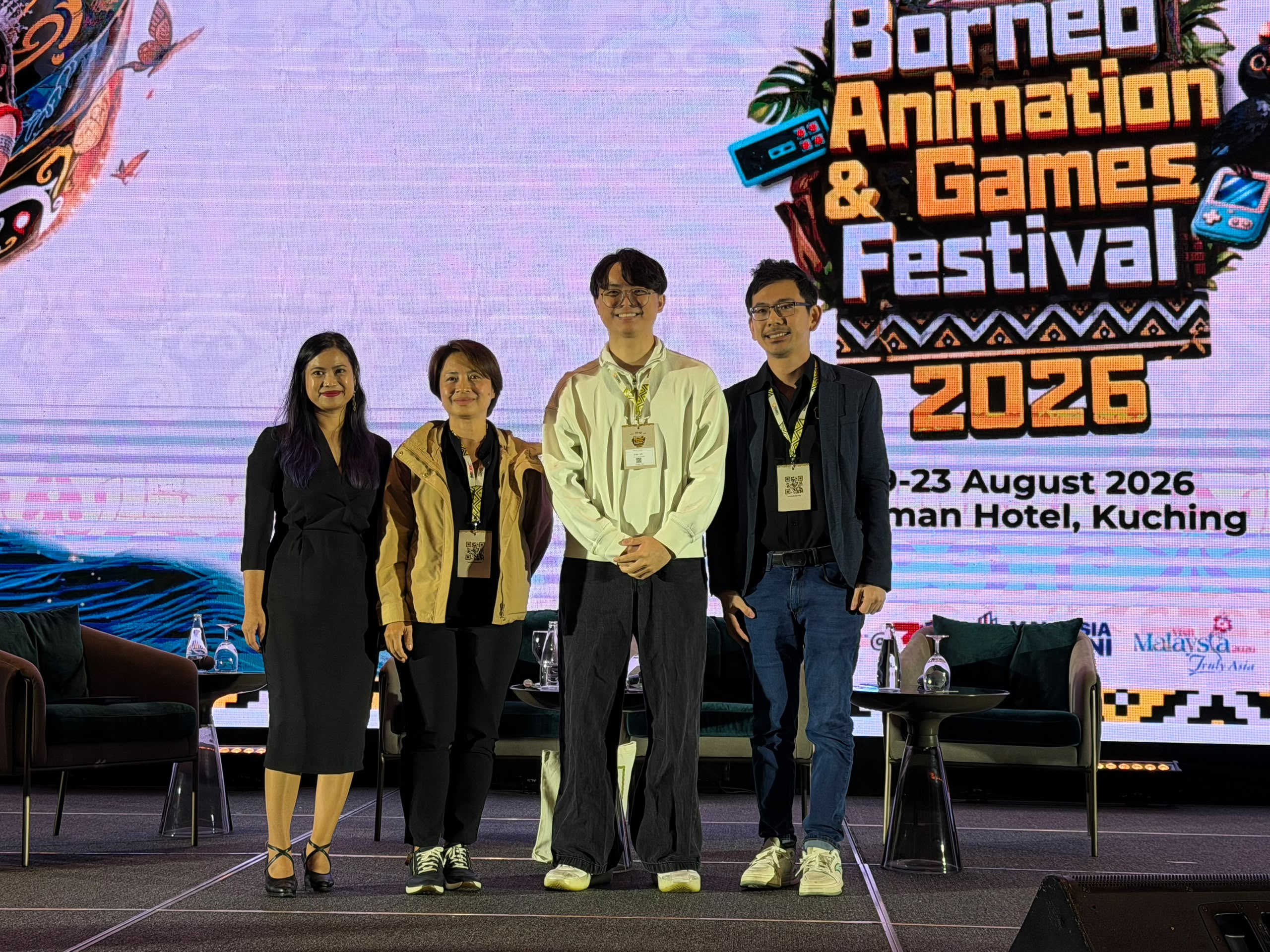
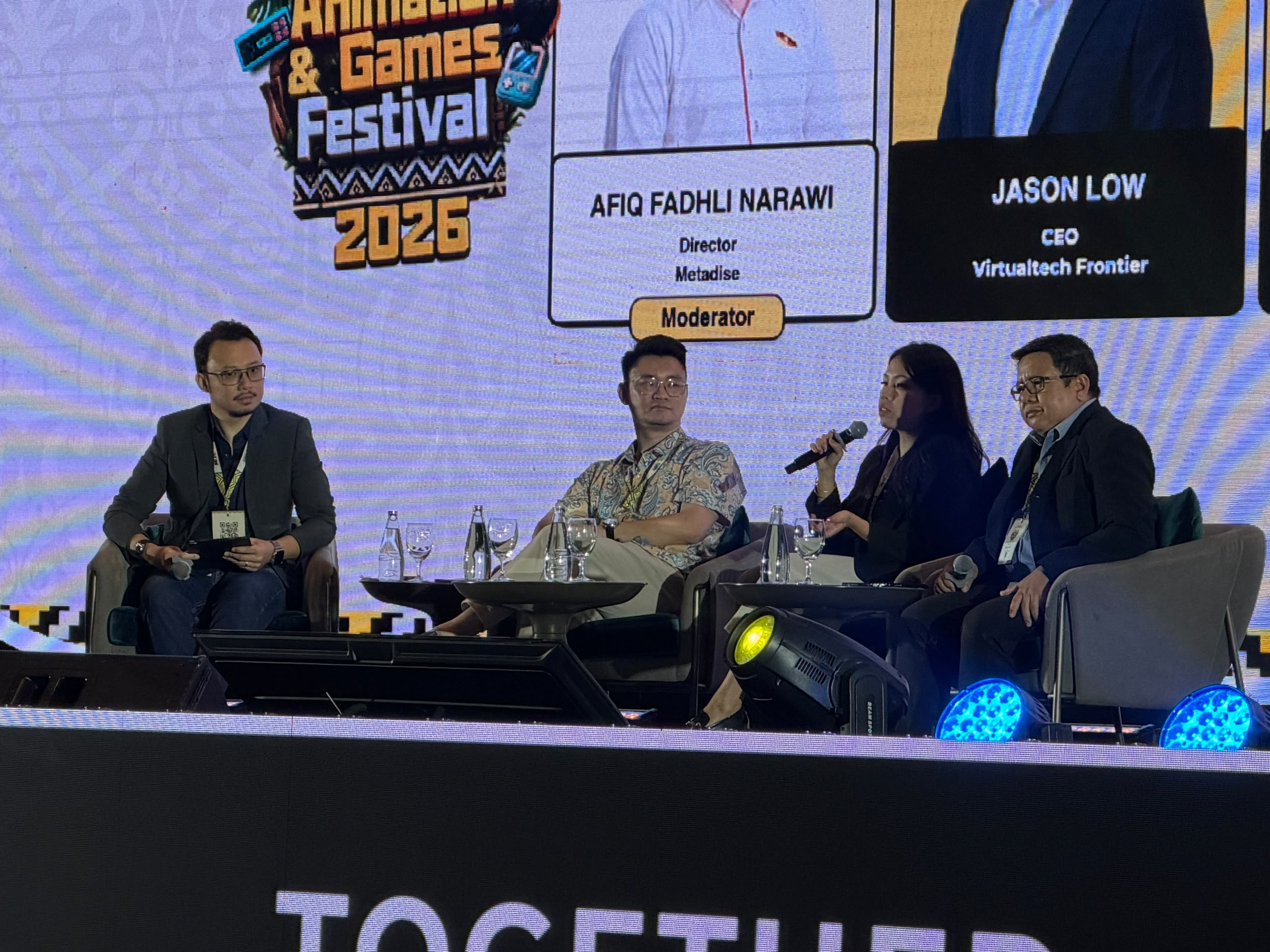
She said this during a panel session, ‘Powering Animation and Games Through Creative Tech’, at the Borneo Animation and Games Festival 2026 held at Pullman Hotel yesterday (Aug 20).
Lee said the growing availability of AI could also allow smaller creative studios to operate more efficiently without necessarily having the manpower of larger companies.
While citing her own company, she said a small team could now use AI to handle numerous supporting tasks while its members concentrated on work requiring human judgement and creativity.
“I’m a team of five, but it can act like a team of 30.
“So we’re way more capable of getting AI to do all the nitty-gritty stuff while we focus on the real things that matter, like selecting the clients and winning jobs,” she said.
However, Lee stressed that investment in people remained crucial, particularly for smaller animation, games, and creative technology companies.
She said companies should prioritise their human resources, including employees’ skills, decision-making abilities, and ability to work effectively as a team.
“I think it’s the resources and looking for people with integrity first and foremost, because that’s something that AI can’t produce.
“AI is basically scraping off information from the Internet, but it does not have lived experiences like you and I.
“It wouldn’t know values growing up in Sabah. It wouldn’t understand how we interact with different people. It wouldn’t have that sense of human aspect,” she said.
Meanwhile, Virtualtech Frontier chief executive officer Jason Low said having access to the same AI tools would not necessarily produce identical results among creators.
He likened AI to established creative software, where different designers could use the same tool but still produce vastly different work.
“Yes, everyone has the same tools. It’s the same with everyone who used to have Photoshop, for example.
“But the end output of the image will still look very different, even if the direction is the same. You give three different designers; they’ll still do it differently,” he said.
Low said the quality of AI-generated work ultimately depended on the person directing, refining, and making the final creative decisions.
“At the end of the day, it’s still very related to who’s the one using it and the maturity of the person using it,” he said.