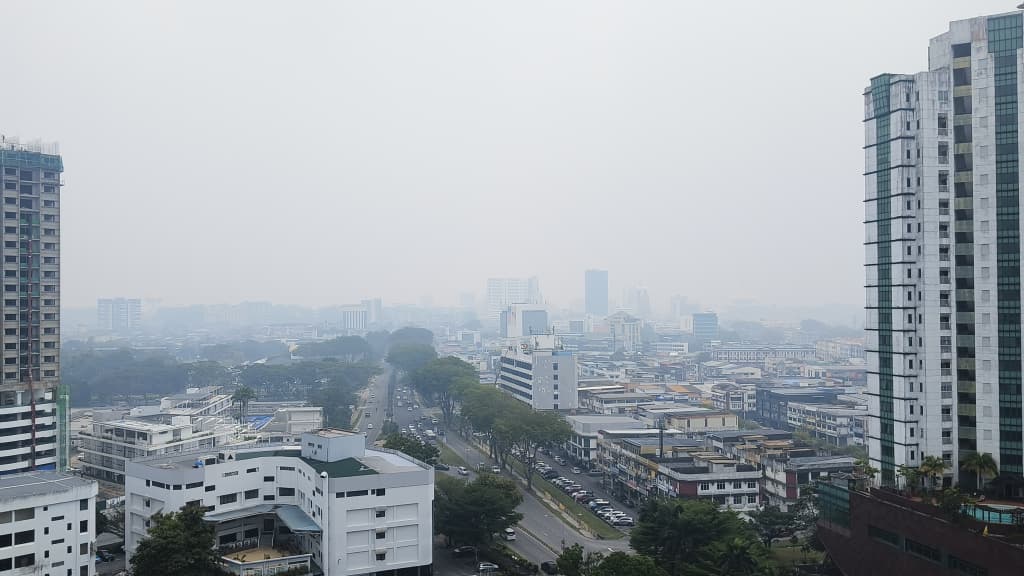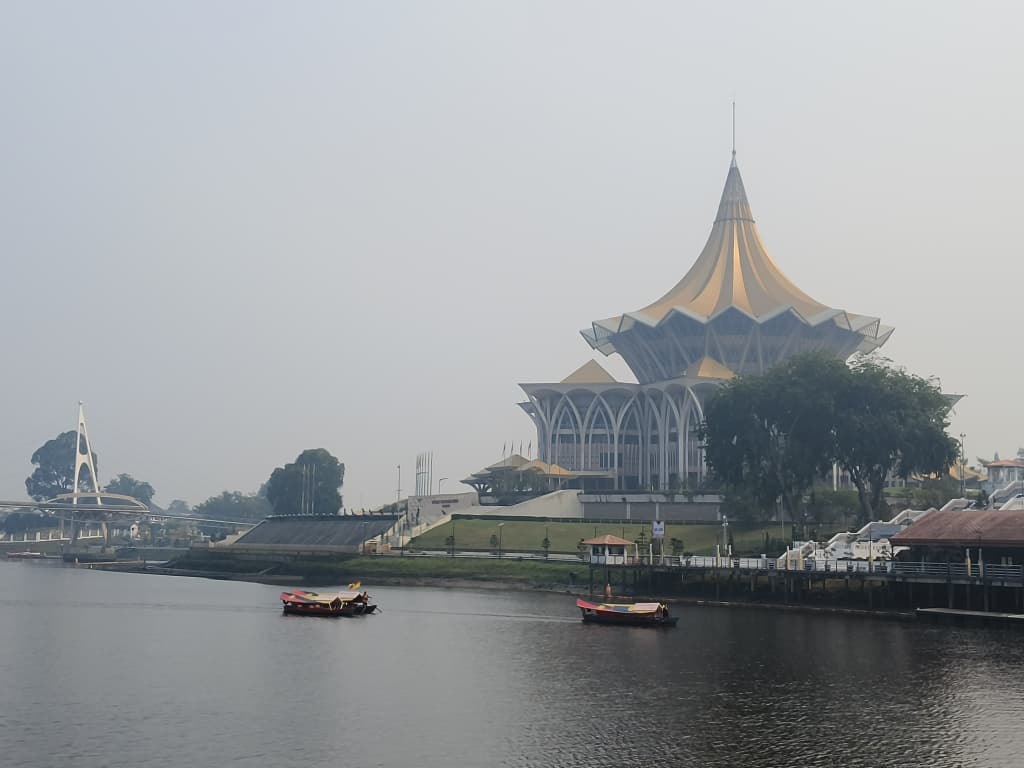
KUCHING: Haze must be treated as a long-term structural problem rather than an emergency dealt with during each dry season, says World Wide Fund for Nature (WWF)-Malaysia.
Its Conservation Director Dr Jason Hon said the recurring problem was rooted in how land is managed, with climate change and prolonged dry conditions potentially worsening its impact.
“We need to treat haze as a structural problem, one rooted in how land is being managed, rather than simply an emergency to be managed each dry season.
“As climate change brings intense heat and increasing risks of prolonged dry conditions, the consequences could become even more severe,” he said in a statement.
Hon said prolonged dry conditions associated with this year’s El Niño were expected to last until early next year, posing greater risks to both the environment and people.
He said haze exposed millions of people to unhealthy air quality, increasing the risk of respiratory illnesses and other health complications, particularly among children, the elderly and those with existing medical conditions.
Its economic impact was also significant, affecting businesses, tourism, transportation and overall productivity.
“Haze is a worrying environmental problem, particularly when caused by unsustainable land clearance and forest fires.
“Beyond its immediate impact on human health, haze can disrupt reforestation efforts, damage ecosystems and wildlife habitats, and affect the food chain,” he said.
WWF-Malaysia also called for stronger regional cooperation among Southeast Asian governments in tackling transboundary haze, while stressing that countries must continue addressing fires within their own borders.

It said while some fires may originate outside Malaysia, preventing and managing fires domestically remained equally important.
Turning to Sarawak, Hon said particular attention should be given to peatlands, with the state having the largest peatland area in Malaysia at about 1.7 million hectares.
“Sarawak has the largest area of peatlands in Malaysia, totalling 1.7 million hectares.
“These peatlands are important assets that contribute to environmental protection and economic resources and ought to be sustainably managed to maintain and enhance long-term social and economic benefits,” he said.
Hon explained that peatlands in their natural condition serve as significant carbon stores and retain water that helps buffer against fires.
However, when peatlands are drained or degraded, their water tables drop and the peat dries out, making it highly flammable.
Once ignited, peat fires can burn underground for weeks or even months while releasing large amounts of smoke and greenhouse gases.
He cited recent peatland fires in Sri Aman, Daro and Kuala Baram as examples of how difficult and costly such fires could be to manage once they start.
Hon said mitigating peatland fires required proactive and long-term measures, including maintaining high water tables and strengthening fire prevention and early warning systems.
As such, WWF-Malaysia stressed that addressing transboundary haze was a shared responsibility involving governments, businesses, local communities, civil society organisations and consumers.
It said community-led conservation efforts and greater demand for sustainably produced products could also contribute towards protecting forests and other critical ecosystems.