From the winding lanes of Lijiang Old Town to the soaring peaks of Yulong Snow Mountain, Lijiang offers a captivating blend of ancient heritage, ethnic culture and spectacular natural beauty.
A Tale of Old Streets and Snowy Peaks
Among the many places I visited during my recent tour of Yunnan Province, Lijiang left one of the deepest impressions on me. Combining ancient history, rich ethnic culture and breathtaking mountain scenery, the city offers an unforgettable travel experience that feels like stepping into a living painting.
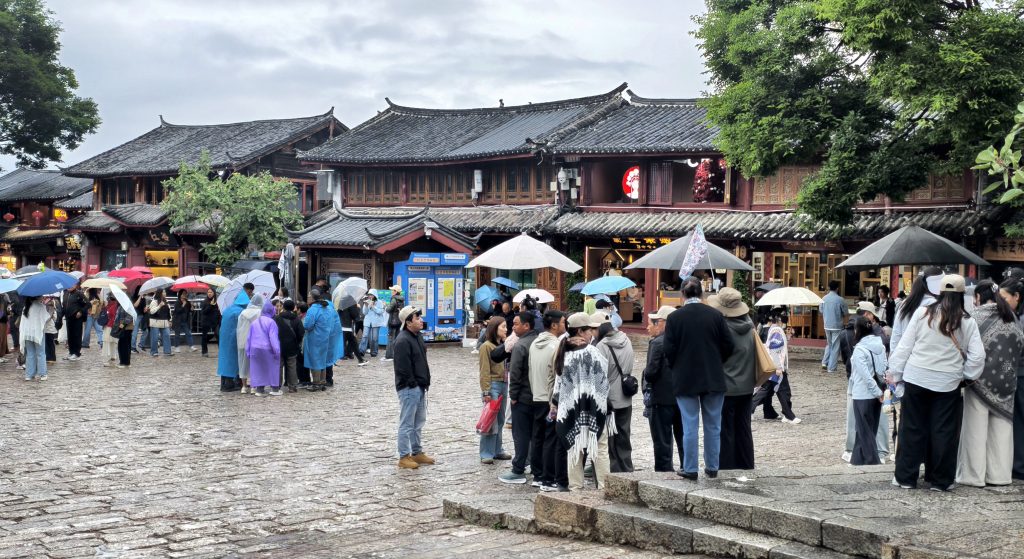
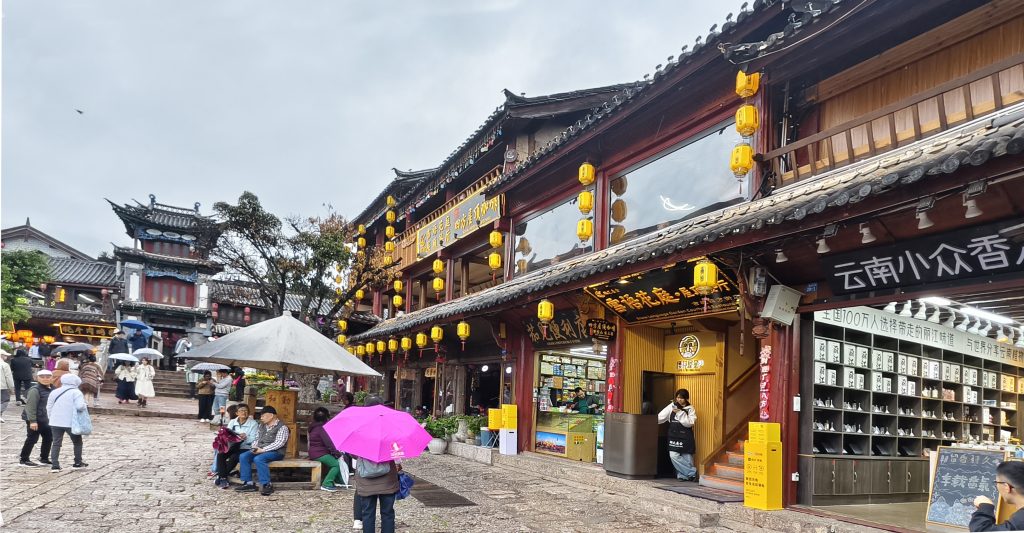
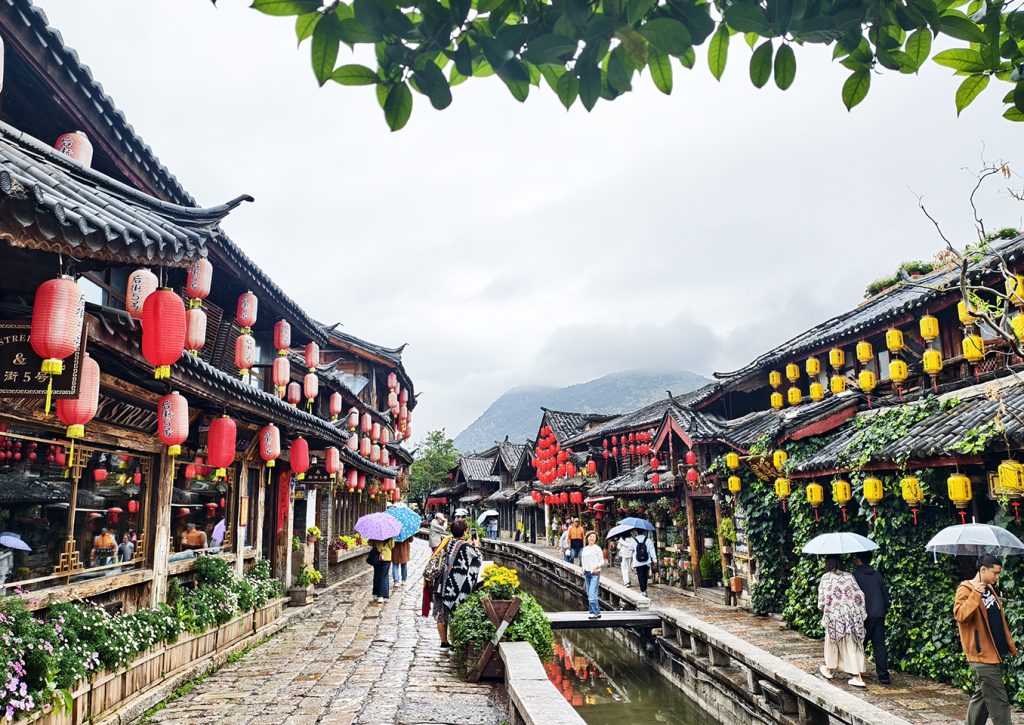
My exploration began at Lijiang Old Town, a UNESCO World Heritage Site that has preserved much of its original charm despite attracting millions of visitors each year. As I wandered through its maze of narrow, cobbled streets, I was immediately captivated by rows of beautifully preserved wooden shophouses displaying traditional handicrafts, silver ornaments, tea, local delicacies and colourful souvenirs.
Lijiang was once an important commercial centre along the Ancient Tea Horse Road (Cha Ma Gu Dao), where caravans transported Yunnan tea to Tibet and returned with horses and other valuable goods. Although today’s merchants mainly cater to tourists, the town has retained much of its historical atmosphere.
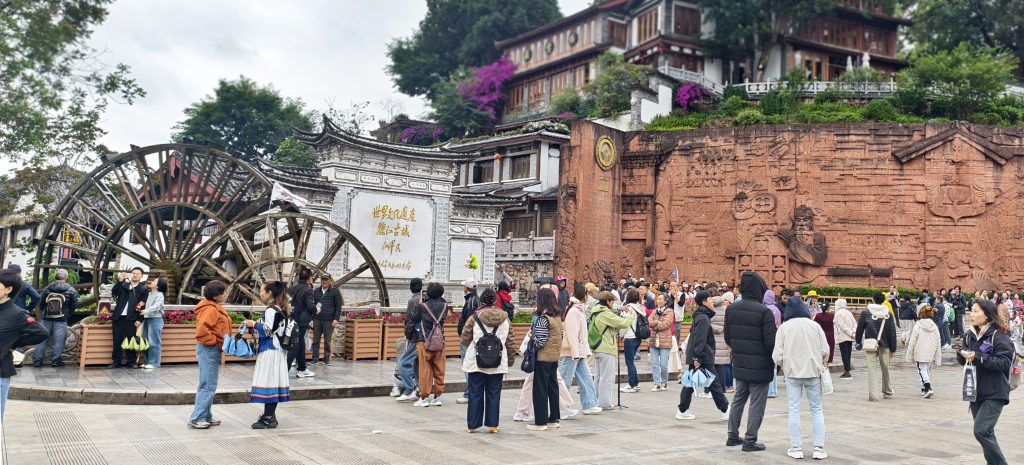
The bustling Sifang Street forms the heart of the old town. Standing in the square, I could imagine the lively scenes of centuries ago, when traders from different regions gathered here.
One landmark that caught my attention was the Giant Wooden Water Wheel at the entrance to the old town. Almost every visitor stopped to take photographs beside this iconic structure, now regarded as a symbol of Lijiang. Nearby, a huge rock face engraved with a monumental relief mural provides another striking reminder of the town’s long history.
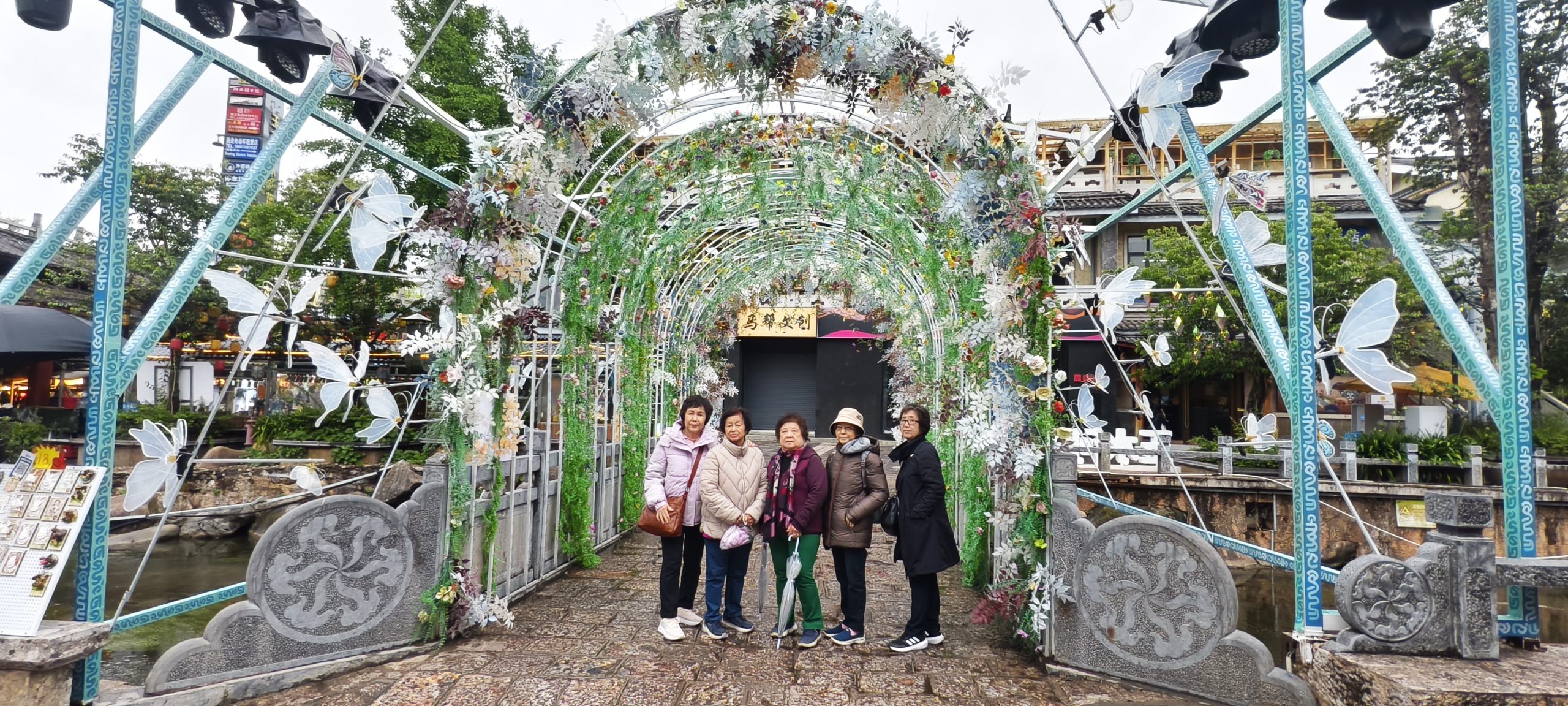
What I enjoyed most was strolling beside the clear canals flowing gently through the old town. The waterways run parallel to rows of traditional buildings, while numerous stone bridges connect both sides of the streets. Sitting at a small café overlooking the canal and listening to the soothing sound of flowing water, I could easily understand why Lijiang is often described as one of China’s most beautiful ancient water towns.
However, I was disappointed to see that the plants and flowers along the canals were not as well maintained as those shown in travel brochures, taking away from the beauty of the surroundings.
A short distance from the old town lies the peaceful Black Dragon Pool Park, a beautifully landscaped garden renowned for its crystal-clear pond. On a fine day, the still water perfectly reflects the majestic Yulong Snow Mountain in the background, creating one of Yunnan’s most photographed scenes. Ancient pavilions, graceful stone bridges and traditional Chinese architecture make the park a delightful place for a leisurely stroll.
For a bird’s-eye view of the ancient city, visitors can climb Lion Mountain, located within the old town. From the summit, Lijiang’s tiled roofs stretch out below, while the snow-capped peaks of Yulong Snow Mountain dominate the distant horizon. On clear days, the panoramic view is simply unforgettable.
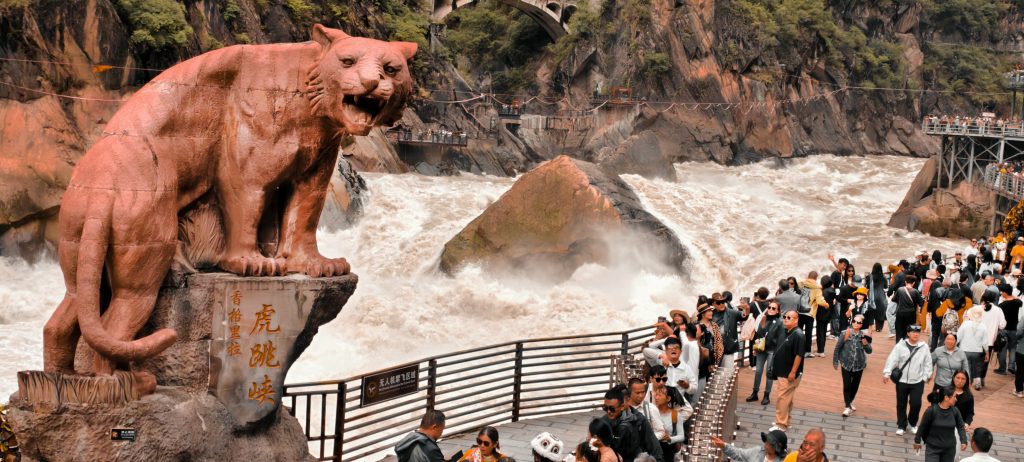
Nature lovers should not miss spectacular Tiger Leaping Gorge, one of the deepest river canyons in the world. Located about 80km from Lijiang Old Town, the mighty Jinsha River crashes through towering cliffs, creating roaring rapids and dramatic scenery.
According to local legend, a tiger once leapt onto a rock in the river and then across the narrowest section of the gorge while escaping from hunters, giving the gorge its colourful name.
No visit to Lijiang is complete without experiencing Yulong (Jade Dragon) Snow Mountain, about 30km from the old town. Visitors can ascend the mountain by cable car to an observation deck at 4,506m above sea level, enjoying magnificent views of snow-capped peaks, glaciers and alpine meadows along the way. More adventurous visitors can go as high as 4,860m.
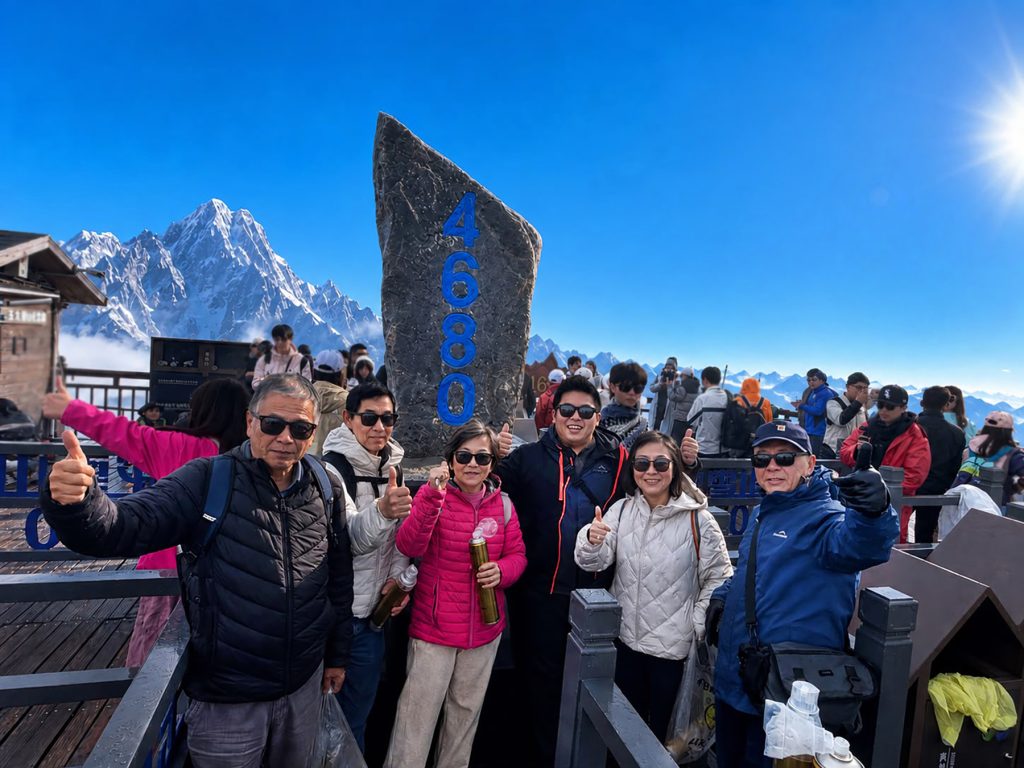
Because of the high altitude, oxygen levels are considerably lower. Many visitors carry portable oxygen canisters to ease the discomfort caused by altitude sickness. Travellers are advised to walk slowly, avoid strenuous activity and drink plenty of water to minimise the risk of discomfort.
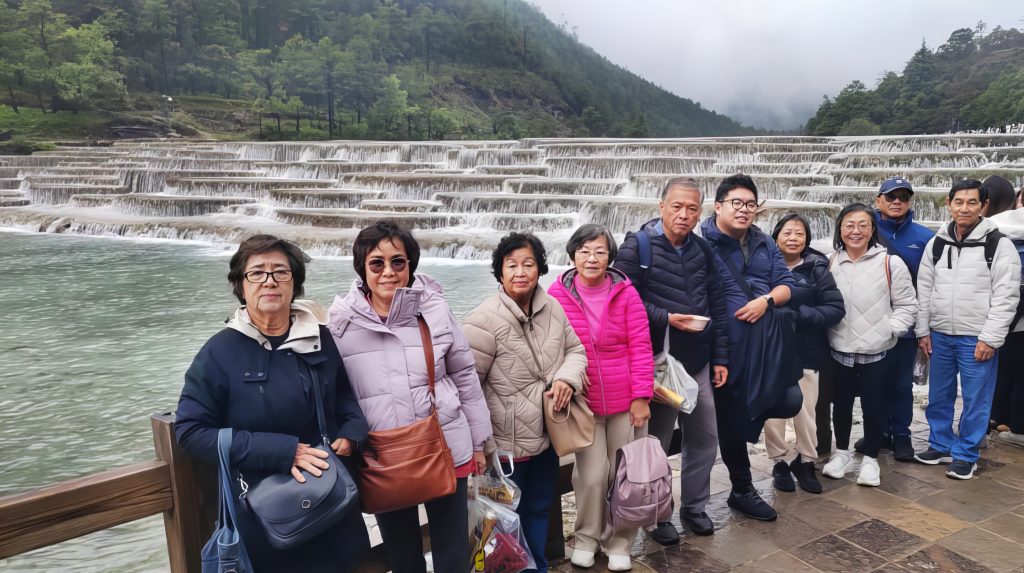
At the foot of the mountain, visitors are rewarded with equally stunning attractions. Baishui River, fed by glacial meltwater, features white limestone terraces and crystal-clear pools, adding another layer of natural beauty to the landscape.
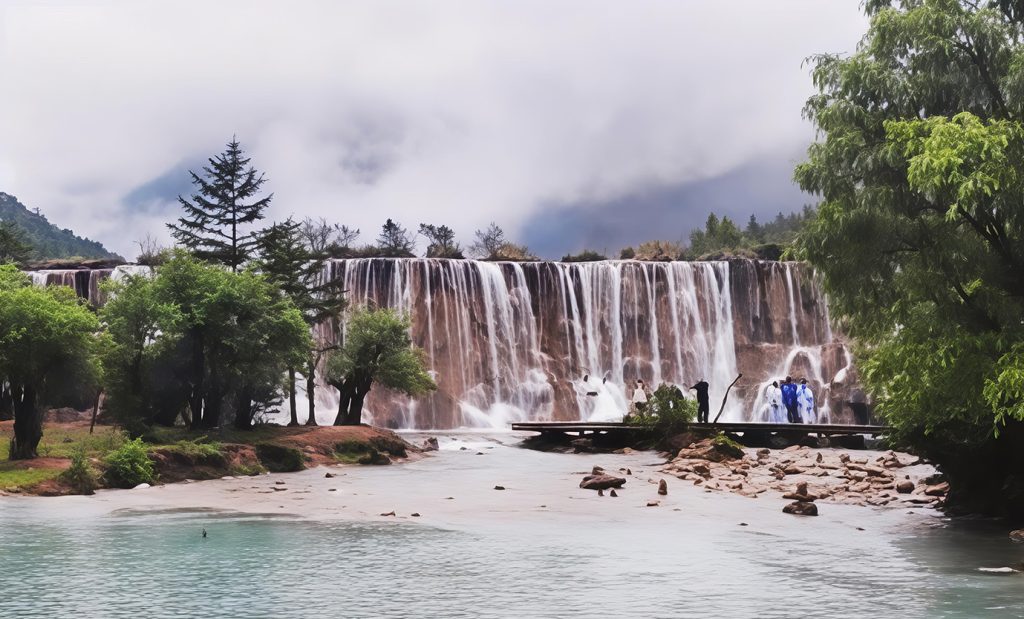
Downstream, the river forms the colourful Blue Moon Valley, with several waterfalls. The area is often described as a “mini Jiuzhaigou”.
From its centuries-old trading streets and tranquil gardens to its dramatic gorges and snow-covered peaks, Lijiang offers an extraordinary blend of history, culture and natural wonders. It is a destination that leaves visitors not only with memorable photographs but also with a deeper appreciation of one of China’s most enchanting regions.