KOTA SAMARAHAN: Falling river levels could further disrupt water treatment and supply to drought-hit communities across Sarawak, warns Datuk Seri Fatimah Abdullah.
The Women, Childhood and Community Wellbeing Development Minister said prolonged dry weather had already affected communities relying on rainwater, gravity-fed systems and other alternative sources.
“In some areas, river levels have also begun to fall.
“When I returned to Dalat, I could see the difference in the river level during high tide compared with before,” she said after launching the Samarahan Division Sarawak Women@Work programme at the Sarawak Farmers’ Organisation Authority Hall here today (Sept 2).
Fatimah said lower water levels at intake points would reduce the amount of raw water available for treatment and distribution to households.
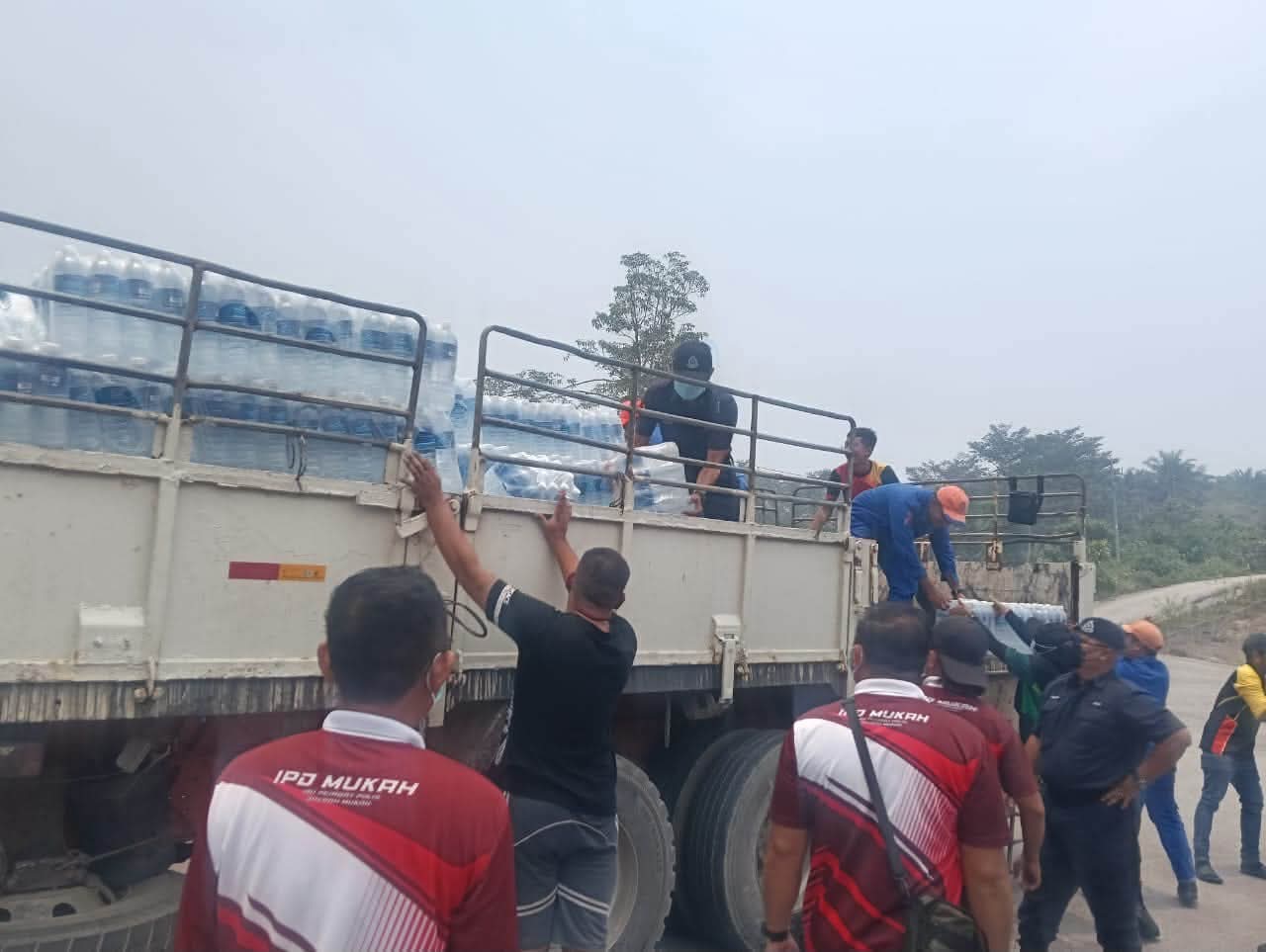
A total of 375 residents from 94 families in Kuching and Sri Aman received 750 cartons of 1.5-litre bottled drinking water after the drought disrupted their water supply.
According to the 2026 Dry Season Clean Water Delivery Report dated Aug 31, Kampung Pasir Hilir in Biawak, Lundu received 670 cartons for 335 residents from 84 families.
Another 80 cartons were delivered to 40 residents from 10 families at Rumah Perindu, Sungai Pisang in Lingga, Sri Aman.
Fatimah said the Sarawak Social Welfare Department coordinated its bottled water deliveries with the Rural Water Supply Department (JBALB), which supplied water using tankers.
She said some communities without piped water depended on rainwater harvesting or the Sarawak Alternative Water Supply (SAWAS) system.
SAWAS treats water from sources such as rivers before distributing it to households.
Fatimah urged residents experiencing water supply problems to immediately notify their respective divisional or district disaster management committee chairmen.
“The amount delivered is calculated according to the number of people in each household, their daily drinking water needs and how long the supply is required,” she said.