Homegrown innovation unlocks capacity
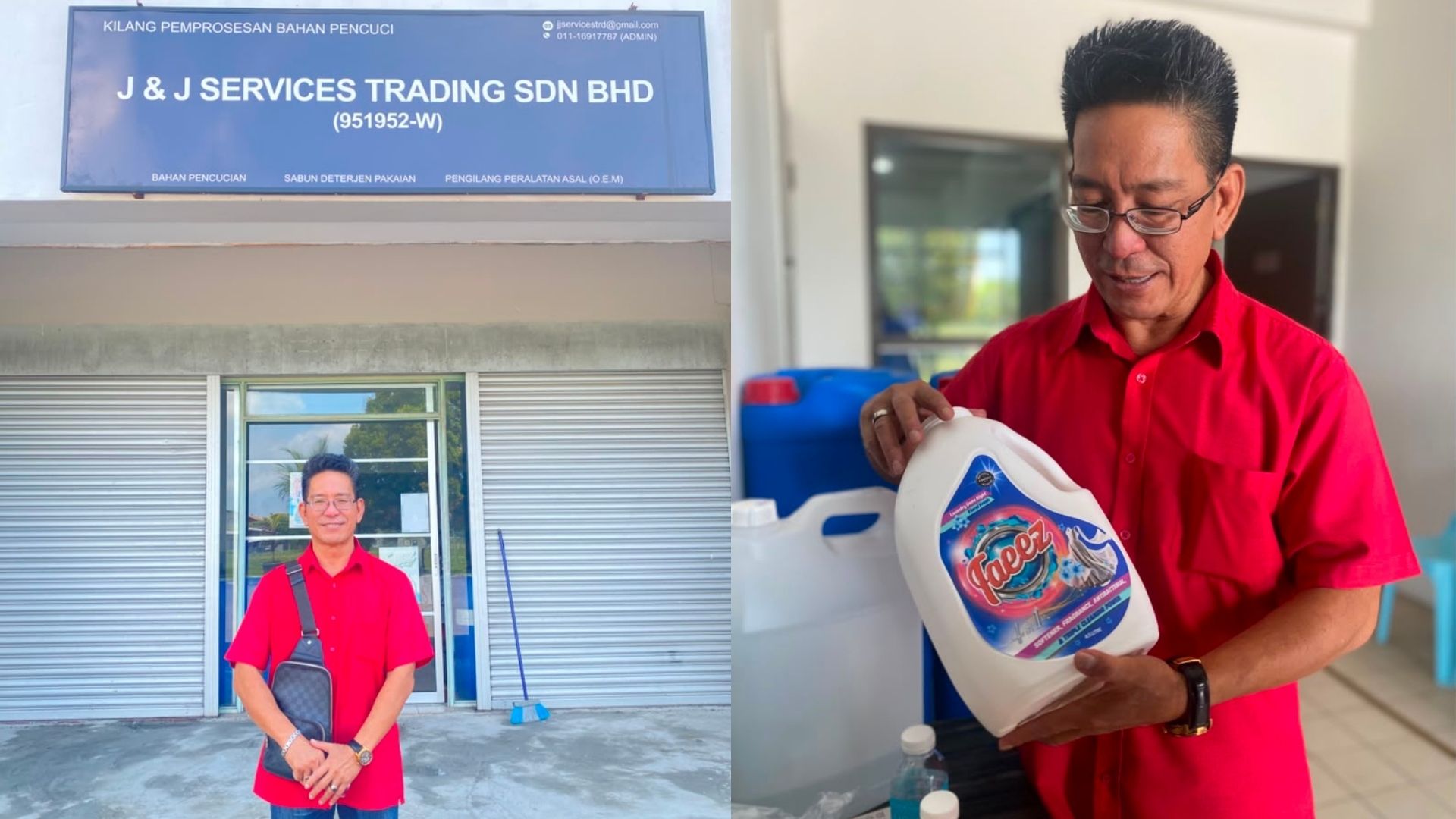
KUCHING: FAEEZ Detergent is turning to locally designed machinery and lean production to increase manufacturing capacity as the Sarawak-based company expands its original equipment manufacturer (OEM) and retail businesses.
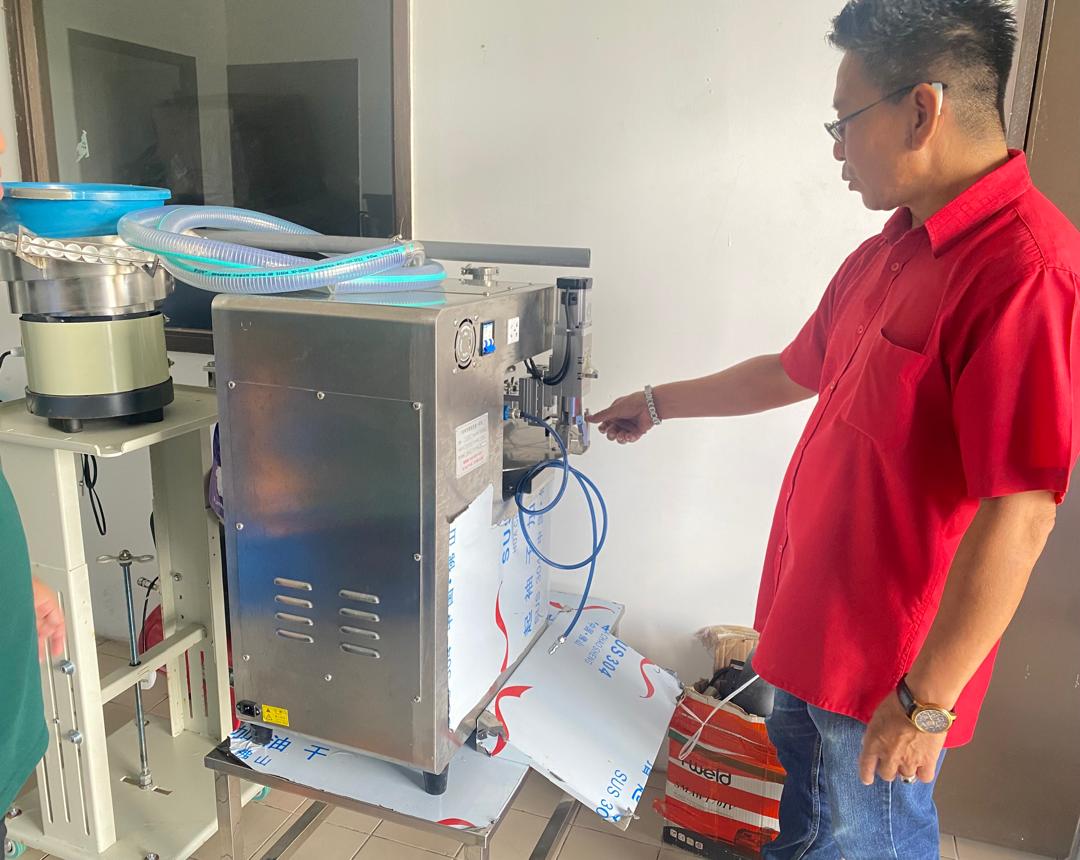
Founder Addruce Mijim Abdullah said seven customised machines have been developed for its 2,500 sq ft factory at Mara Halal Industrial (MHI) Park Demak Laut, enabling the company to handle high-volume production with a smaller workforce.
Rather than importing complete production lines, FAEEZ designs the machinery itself before engaging local fabrication workshops to build the equipment according to its specifications.
“The machines are designed locally and fabricated by local workshops based on our specifications,” he said during an interview with Sarawak Tribune at the factory.
Its automated filling systems can produce between 10,000 and 20,000 detergent refill packs within a few hours, processing each pack in about three to four seconds.
Automation has also allowed FAEEZ to keep its production team lean.
Addruce said only one worker is required to operate its semi-manual filling system, mainly to load ingredients before the automated process takes over. Additional workers are deployed when production demand rises.
“We invest heavily in machines that make work easier. What previously required a large workforce can now be managed by a much smaller team,” he said.
The higher production capacity is helping FAEEZ grow its OEM operations, producing detergents for businesses to sell under their own brands.
Orders typically range from three to five tonnes, while formulations can be adjusted according to customers’ preferred fragrances and product specifications.
“We can establish an agreement, set a minimum order quantity and produce under the customer’s own brand,” he said.
FAEEZ is also strengthening its own retail presence, including securing shelf space at supermarket chain Everwin.
The company started with small-scale manual production in Semarak and initially relied on agents to distribute its products before moving towards direct retail distribution based on market data and consumer demand.
Addruce said getting products onto supermarket shelves requires substantial investment from suppliers, which bear the costs of promotions, displays, banners and product placement.
“We pay for the promotional materials, banners and product placement. It is a partnership with the supermarket to build sales and brand awareness,” he said.
As competition increases, FAEEZ intends to focus on market segmentation, product quality and further production improvements.
“The market is still growing. We are not afraid of competitors because there is room for everyone if we continue improving our products,” Addruce said.
The company plans to continue investing in automation to improve efficiency and ensure it has sufficient capacity as demand grows.
“If demand increases significantly, we must be prepared,” he said.