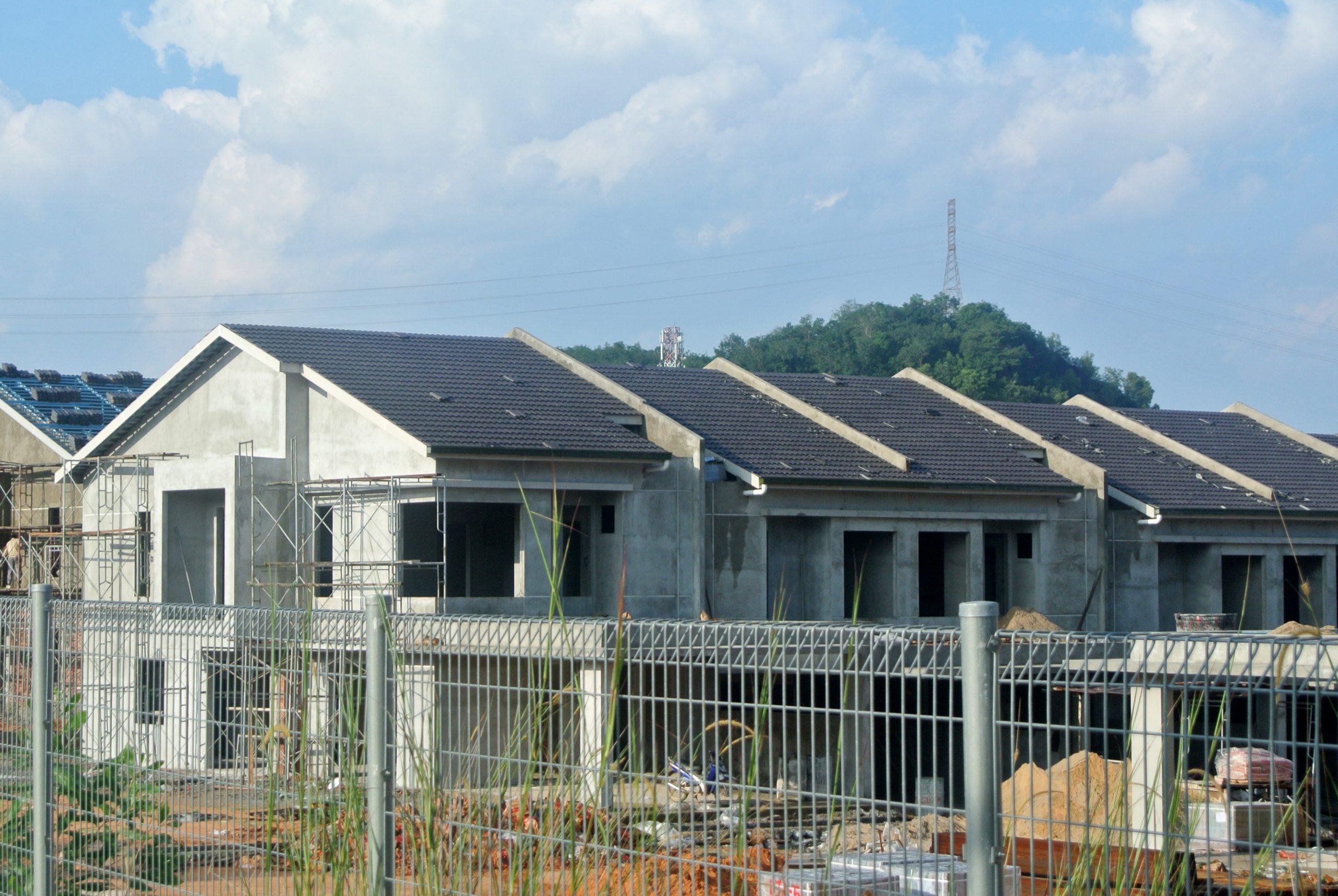
A possible price rise should never dictate such a major financial commitment
KUCHING: The possibility of higher house prices next year should not pressure buyers into making a property purchase they may not be financially ready for.
Head of Research and Postgraduate Studies at the Faculty of Business and Management, UCSI University Sarawak Campus, Assistant Professor Dr Hiew Lee Chea said affordability, housing needs and how long buyers intended to keep the property mattered more than trying to time the market.
“Buyers should not just buy a property because they think they may have to pay more for it in the future,” she told Sarawak Tribune.
She acknowledged that rising construction, labour and transportation costs, together with regulatory compliance requirements, could put upward pressure on property prices.

However, Hiew cautioned against assuming that prices would definitely increase next year.
Her comments followed recent advice by SHEDA Sibu branch chairman Wong Siong Nee that prospective homebuyers should consider purchasing now before prices rise next year.
Hiew said property prices were influenced by a range of factors, including construction costs, housing supply, household income, financing conditions, employment prospects and overall economic confidence.
“While there may be more upward pressure on new-launch prices than on sub-sale properties, nobody can say for certain that all house prices will increase next year, as property markets don’t move in lock step,” she said.
Higher construction costs could lead to higher launch prices for some projects, she said, but the same trend might not apply across the entire market.
Sub-sale prices could vary according to the seller’s motivation, location, property condition and local demand.
“Even with an increase in new-launch prices, buyers might find good deals and bargain for a good price,” she said.
Hiew said buyers should instead ask whether a property suited their financial circumstances and long-term plans.
“If the home is affordable and will meet the family’s long-term needs, buying now might make sense if the family is planning to stay in the home for the next 10 to 20 years.
“For those who plan to move in a few years, though, because of work or lifestyle, renting might offer more flexibility,” she said.
She also urged buyers to consider the full cost of ownership, including mortgage repayments, maintenance and repairs, insurance, assessment rates, quit rent, renovation expenses and management and sinking fund charges.
Debt-service ratio, income security and emergency savings should also be assessed before taking on a property purchase.
“While a house price rise might impact you once, the borrowing costs, maintenance costs, and ownership commitments can impact you for decades. Buyers should not be concerned about timing, but instead focus on affordability,” she said.
First-time buyers should also budget for deposits, legal fees, stamp duties, valuation fees, loan documentation, insurance-related costs and moving expenses.
Hiew warned that using up all available savings to buy a home could leave households vulnerable to unexpected financial pressures.
“Having sufficient emergency reserves should continue to be important,” she said.
For investors, she said expected capital appreciation should not be the sole consideration, with rental demand, rental yield, occupancy prospects, maintenance requirements and cash-flow sustainability equally important.
Hiew said there was no single right time to enter the property market.
Instead, buyers should purchase when a property was affordable, feasible and suited their circumstances.
“The right property decision is not just about market conditions; it is about where you work, your marital status, the number of children you have, your responsibilities towards an ageing parent, and how long you want to stay in the property.
“A house should fit your life plan, not just your investment plan,” she said.