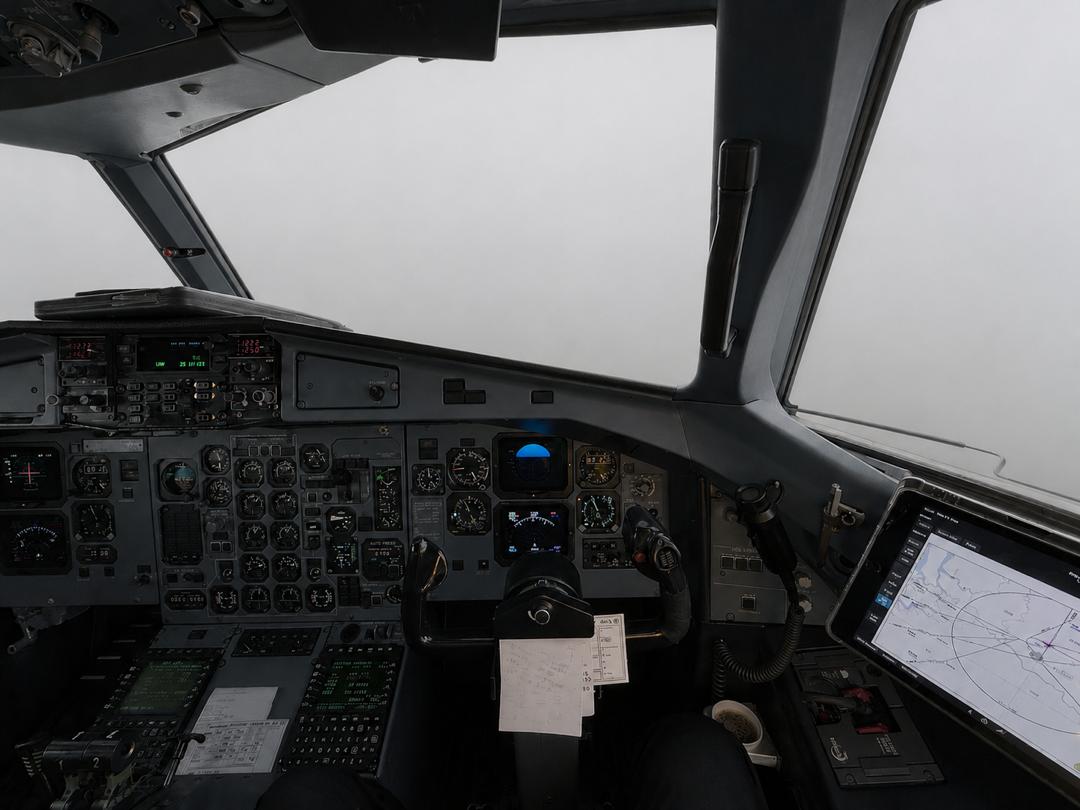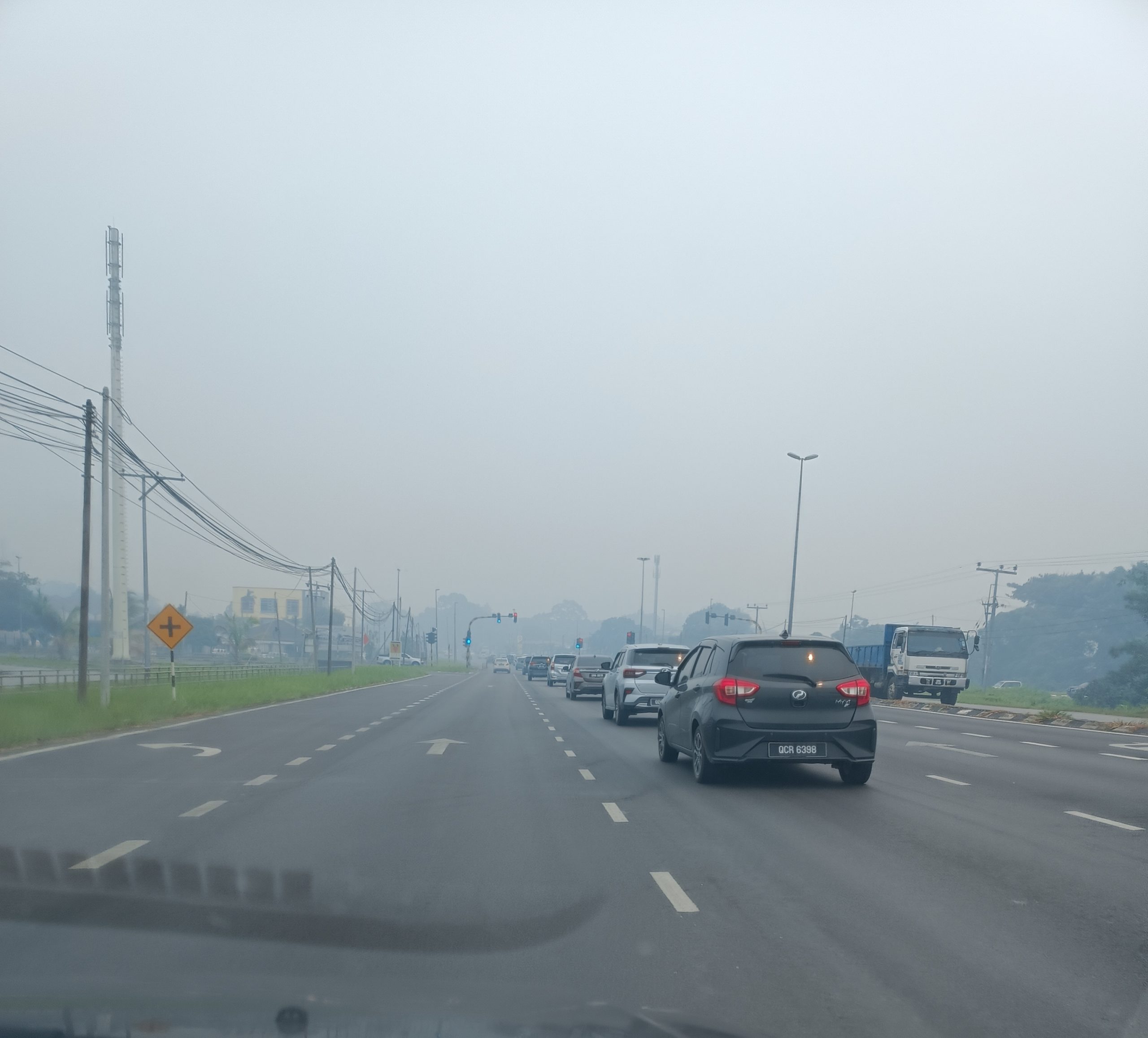
THE haze hanging over Sarawak is not merely reducing visibility—it is quietly stealing childhood.
When the Air Pollutant Index (API) surged beyond the hazardous level of 200, classrooms emptied, playgrounds fell silent and children retreated behind closed doors.
For thousands of students, the familiar rhythm of school life was replaced by indoor confinement, the return of online learning and may be face masks.
Malaysian medical experts and government officials have issued stark warnings that the consequences of prolonged haze exposure on young children extend far beyond temporary, smoky days, threatening permanent, lifelong physical and cognitive damage.
The damage touches children’s lungs, learning, emotional well-being and long-term development.
Playgrounds replaced by four walls
Childhood is built on movement, friendship and discovery. Yet during severe haze episodes, those experiences disappear almost overnight.
Following dangerously unhealthy air quality across several districts, outdoor school activities, co-curricular programmes and sports training were suspended. School carnivals and community events were postponed, while parents were advised to keep children indoors.
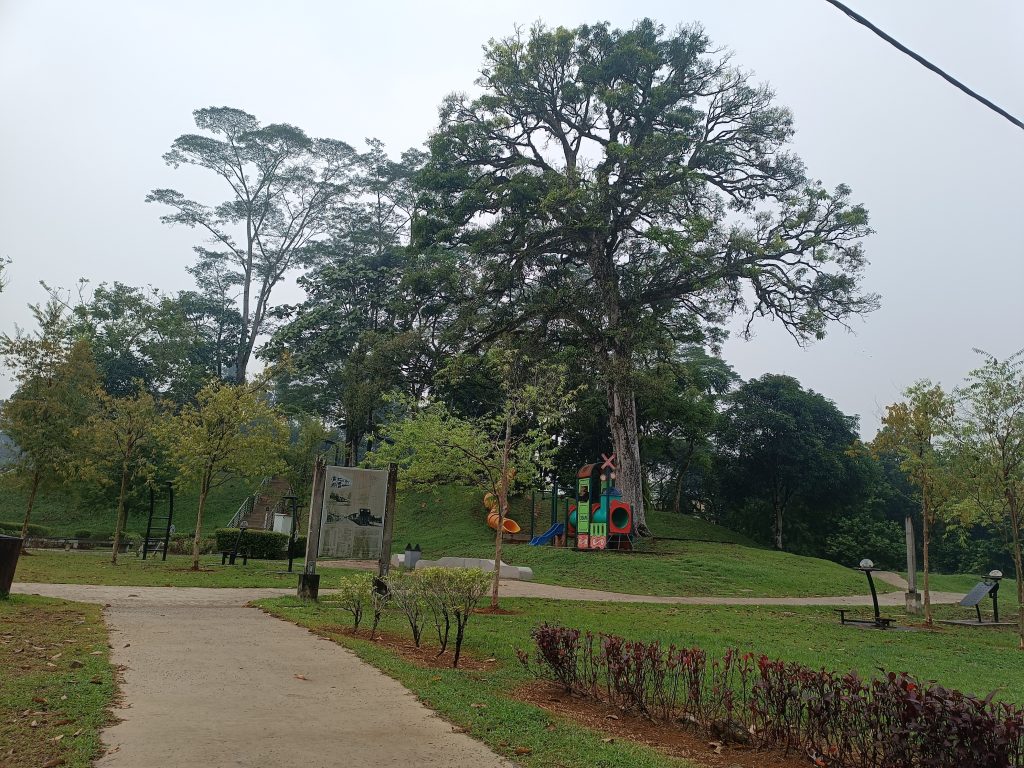
For many young Sarawakians, football fields, cycling paths and neighbourhood playgrounds have been replaced by living rooms and mobile screens.
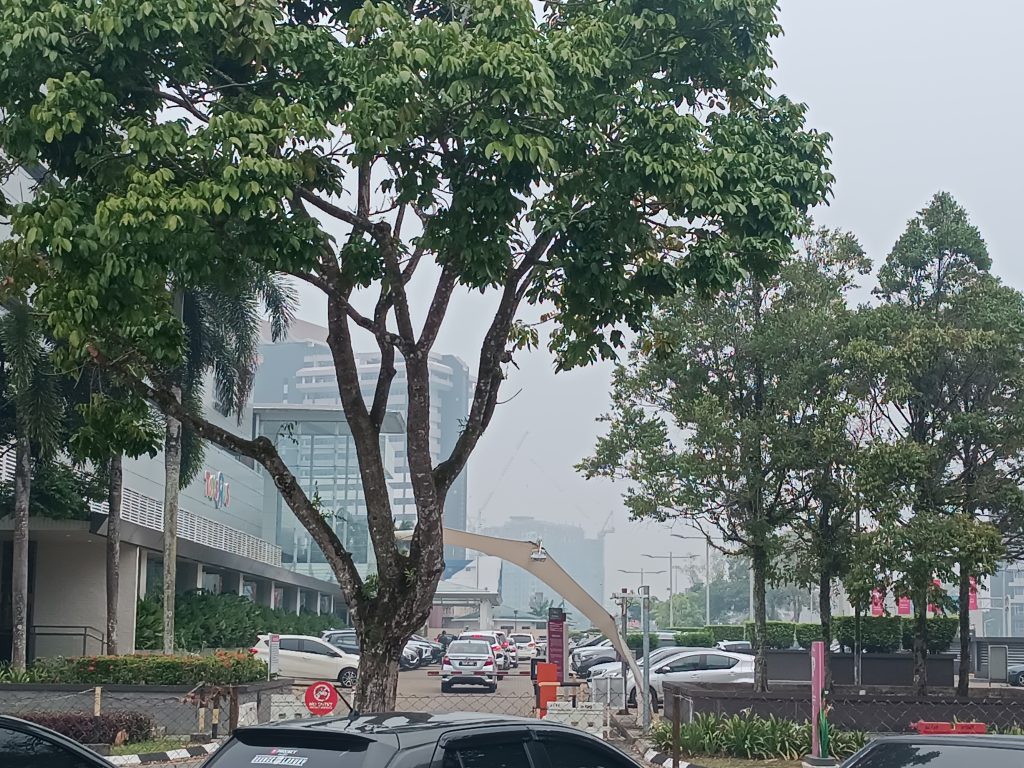
Paediatricians say the restriction is necessary because children inhale more air per kilogram of body weight than adults, making them especially vulnerable to toxic fine particles known as PM2.5.
A recent posting in the UNICEF Europe & Central Asia Facebook stated that children’s lungs, brains and immune systems are still developing, making them especially vulnerable to prolonged haze. It also said evidence shows that fine particulate matter from wildfire smoke can be up to ten times more harmful to children’s respiratory health than pollution from other sources.
Learning interrupted again
The haze has also reopened painful memories of the Covid-19 pandemic.
A total of 710 schools under 14 district education offices (PPDs) in Sarawak have temporarily closed from Sept 7 to 11 due to the ongoing haze, affecting 238,303 students.
The Sarawak Education Department (JPNS) said the latest decision followed continued monitoring of Air Pollutant Index (API) readings, with several areas in the state recording unhealthy air quality.
Schools were instructed to activate Home-Based Teaching and Learning (PdPR) to ensure lessons continued while safeguarding students’ health.
While PdPR provides educational continuity, educators acknowledge it is no substitute for classroom interaction. Younger pupils struggle to concentrate online, while working parents face renewed challenges juggling employment with childcare and supervising lessons at home.
Tiny lungs, bigger risks
The greatest concern lies inside the lungs of growing children.
Professor Dr Jamal Hisham Hashim, an environmental health specialist, said PM2.5 particles produced by forest and peat fires are small enough to penetrate deep into the lungs and enter the bloodstream.
“Children are not simply smaller adults. Their lungs and immune systems are still developing, making them significantly more susceptible to pollution exposure,” he said.
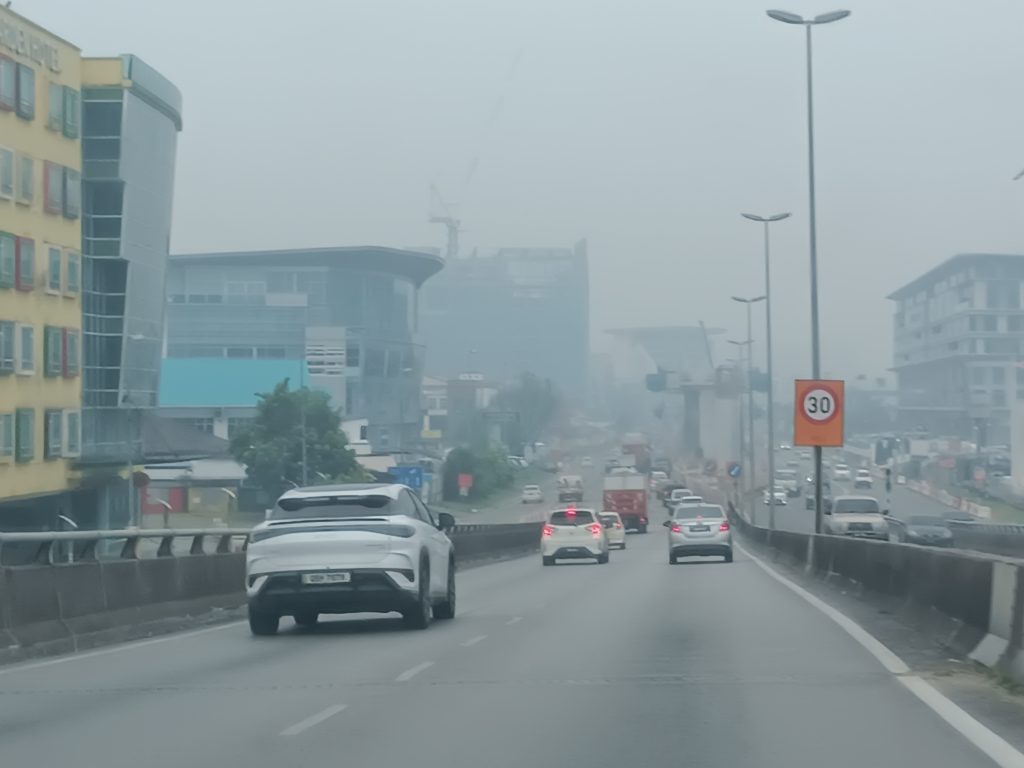
According to the World Health Organisation (WHO), PM2.5 is among the most dangerous forms of air pollution because the microscopic particles bypass the body’s natural defence mechanisms.
Medical specialists warn that prolonged exposure increases the risk of asthma, pneumonia, reduced lung function and chronic respiratory diseases later in adulthood.
“The higher the level of air pollution they breathe, the greater the decline in lung function. This means that the impacts of pollution are not always immediately visible, but gradually harm children’s health,” Paediatric Respirologist Dr. Cynthia Centauri was quoted as saying by The Star).
Hospitals seeing the warning signs
Doctors across Malaysia have consistently reported increases in respiratory illnesses during major haze episodes.
Consultant paediatricians say the most common conditions among children include persistent coughing, wheezing, asthma attacks, sore throats, burning eyes and upper respiratory tract infections.
Children with existing asthma or allergies often experience the most severe symptoms, with some requiring emergency treatment.
The Malaysian Thoracic Society advises parents to seek immediate medical attention if children develop difficulty breathing, persistent chest tightness or unusually rapid breathing during haze conditions.
Health experts stress that prevention remains the strongest defence: limiting outdoor exposure, wearing properly fitted masks when necessary, maintaining indoor air quality and ensuring children remain well hydrated.
The invisible wound: anxiety
Not every injury caused by haze can be measured by a stethoscope.
Child psychologists say repeated environmental crises create uncertainty and anxiety among children.
“We have lots and lots of evidence that experiencing these kinds of extreme events—the storms, the wildfires, etc.—is associated with threats to mental health, increases in anxiety, depression, [and] post-traumatic stress disorder,” said Professor Susan Clayton, PhD, psychologist and member of the American Psychological Association’s Climate Change Advisory Group.
Instead of checking whether it is raining, many now wake up asking about the day’s API reading.
The psychological burden becomes especially pronounced when schools close repeatedly. Social isolation, disrupted routines and reduced physical activity can contribute to irritability, loneliness and emotional stress, particularly among younger children who rely heavily on peer interaction.
According to Tshiamo Matabane, Clinical Psychologist (UNICEF expert on climate anxiety) children under 13 years may start worrying about such events happening.
Parents also report children becoming fearful of going outdoors, associating grey skies with danger rather than adventure.
Losing Sarawak’s natural childhood
For generations, growing up in Sarawak has meant climbing hills, playing beneath rainforest canopies and watching distant mountains stretch across the horizon.
The haze erases that landscape.
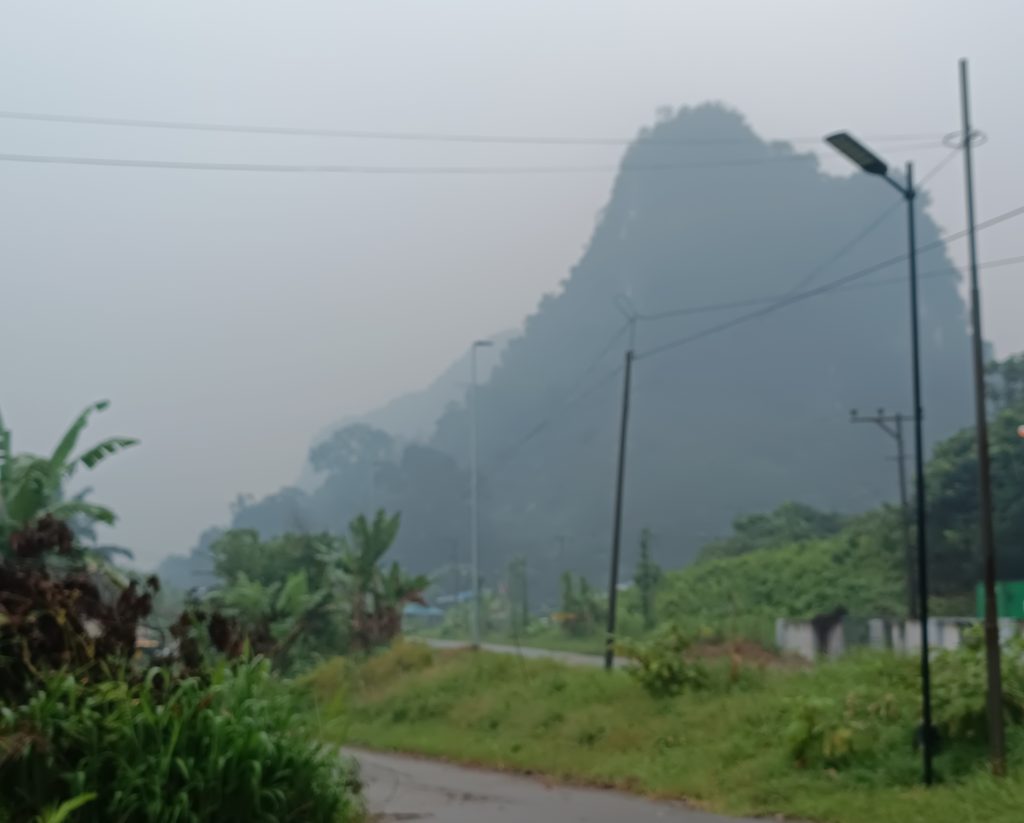
Where children once recognised the outline of Mount Serapi or the greenery surrounding their communities, they now see a blanket of smoke and breathe air carrying pollutants from fires hundreds of kilometres away in Kalimantan.
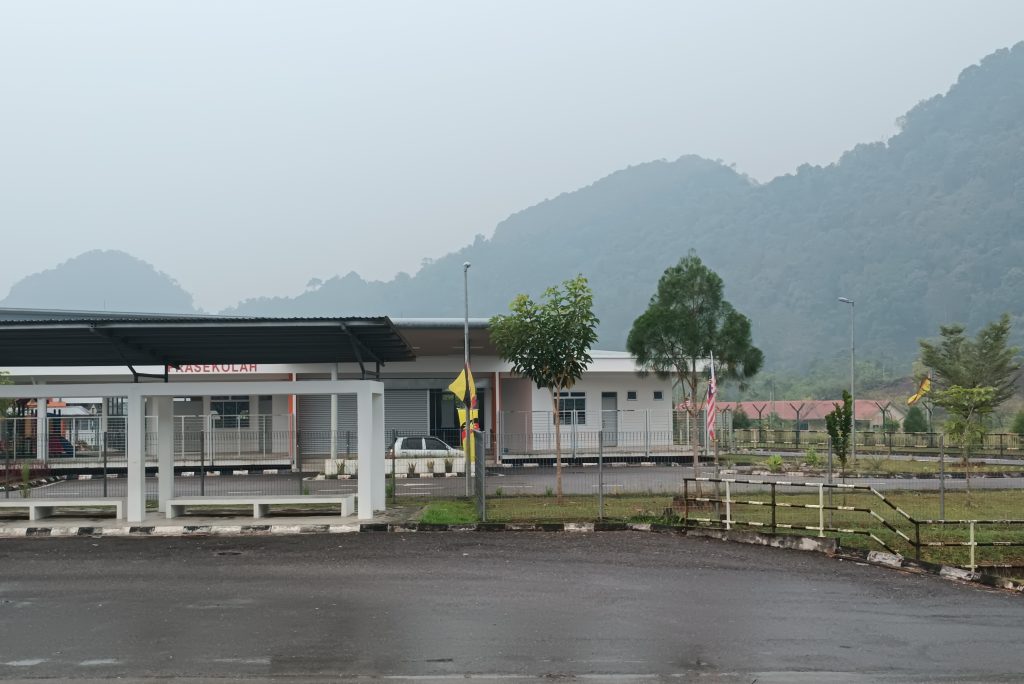
Environmental researchers argue that this loss of connection with nature carries lasting consequences.
Outdoor play is essential not only for physical fitness but also for cognitive development, emotional resilience and creativity.
As the Southwest Monsoon continues, authorities remain vigilant, but experts agree that protecting children requires more than temporary school closures.
It demands stronger regional cooperation to combat transboundary fires, better public health preparedness and sustained efforts to ensure every child can breathe clean air.
Because every day spent behind a mask is another day of childhood that cannot be returned.