Growing up should be about more than meeting expectations and chasing achievements. As World Children’s Day is celebrated, parents are reminded to give children the space to play, make mistakes, express themselves, and grow at their own pace.
Childhood is more than grades and achievements
BEING a parent is certainly no bed of roses. This is particularly evident as we raise children in the 21st century, where demands and expectations continue to grow, often leaving parents to navigate the delicate balance between providing the best for their children and allowing them the freedom to simply enjoy childhood.
From academic pressures and extracurricular commitments to the growing influence of digital media and social expectations, children today face challenges that extend beyond the classroom. While parents naturally want their children to excel and have a promising future, the pressure to keep up can sometimes overshadow their emotional well-being and individual needs.
For me, raising my teenage son has been a journey of learning and understanding, particularly as he navigates his own challenges at school. His experiences have reminded me that children do not all learn or develop at the same pace, and that academic performance should never be the sole measure of their potential.
This concern was also highlighted by clinical psychologist Amy Yao of 20db Therapy Tree, who believes greater attention should be given to children’s emotional and psychological well-being rather than measuring their development predominantly through academic achievements.
Yao said children today are growing up in an increasingly demanding and fast-paced environment, with some experiencing anxiety, difficulties with emotional regulation, low self-esteem, problems with peer relationships, bullying and pressure to fit in.
She noted that increased exposure to social media and digital content has also introduced children to unrealistic standards, social comparisons and information they may not yet have the emotional maturity to process.
“What’s important to recognise is that children may not always have the words or ability to communicate what they are experiencing, and their emotional struggles may sometimes surface through changes in their behaviour,” she said.
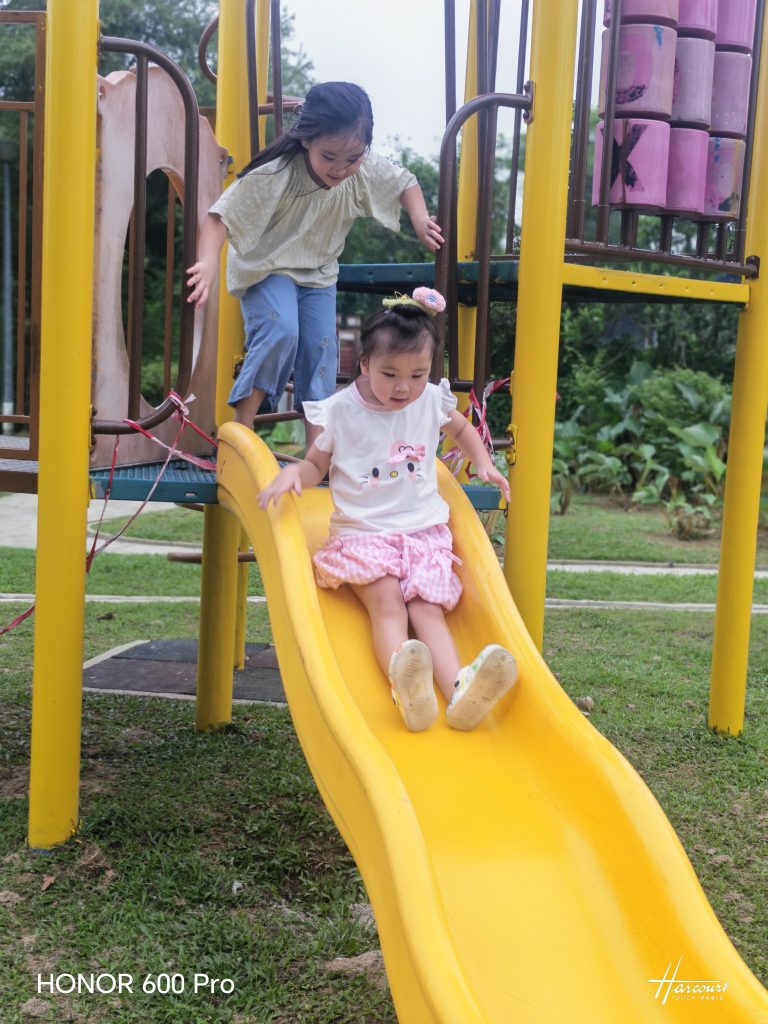
The pressure to perform
One of the challenges facing children today is the growing emphasis on academic achievement, examinations and extracurricular accomplishments. While these are important aspects of a child’s development, Yao cautioned that an excessive focus on performance could come at the expense of other equally important aspects of childhood.
She explained that some children may begin associating their self-worth with their grades or achievements, believing they are more valued when they perform well.
“Parents naturally want the best for their children, but it’s crucial to remember that children develop at different paces and have different strengths. We need to allow them room to learn, make mistakes and discover their abilities without feeling that they constantly have to prove themselves,” she said.
However, children’s struggles are not always immediately apparent. What may seem like minor changes in behaviour can become more noticeable over time if the underlying concerns are left unaddressed.
While occasional tantrums, moodiness, frustration and reluctance to follow instructions are generally part of growing up, Yao advised parents to pay attention when such behaviours become more frequent, intense or prolonged.
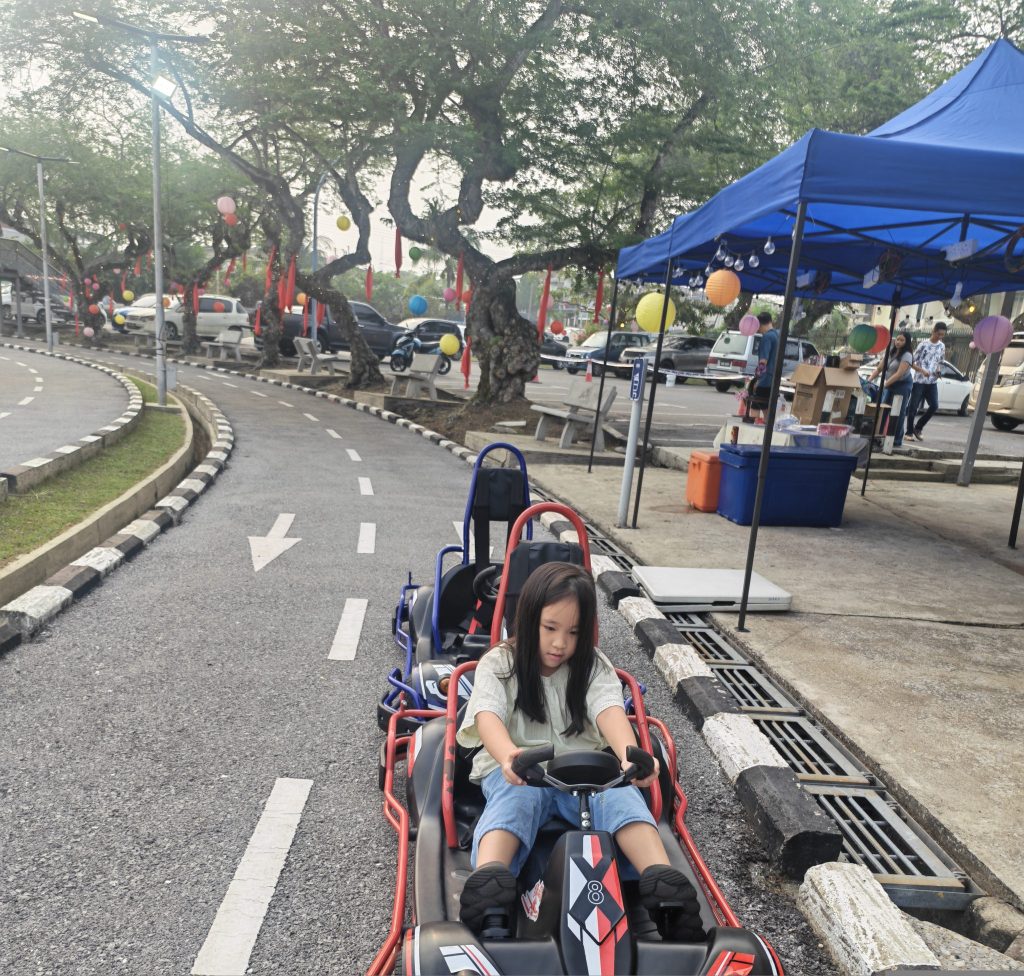
She said parents should look out for changes in their children’s usual behaviour, particularly when these begin affecting their daily routines and ability to function.
“For example, a child who was previously quite sociable may suddenly withdraw from their friends, lose interest in activities, become unusually irritable, have persistent sleep difficulties, complain frequently of physical discomfort or become increasingly reluctant to attend school,” she explained.
Such changes may indicate that something is troubling a child emotionally. Nevertheless, Yao stressed that parents should avoid immediately labelling these behaviours as problematic or dismissing them as merely a phase.
Instead, they should look at the overall pattern and consider what might be happening in the child’s life. If the concerns persist or begin interfering with daily functioning, seeking professional guidance and support would be helpful.
The silent struggles of a child
At times, a child’s emotional struggles may also stem from the home environment. Yao highlighted that parents may unknowingly contribute to their children’s stress through excessive expectations, frequent comparisons with other children, over-scheduling activities and placing too much emphasis on academic performance.
Even seemingly harmless remarks can have an impact.
Statements such as “It’s nothing to cry about”, “Don’t be so sensitive” or “Other children can do it, why can’t you?” may be intended to encourage children, but could instead leave them feeling that their emotions are neither understood nor accepted.
“Although these comments may be intended to encourage resilience, children may instead feel that their emotions are not understood or accepted,” she said.
Yao added that children are often perceptive and can pick up on the emotional atmosphere at home, including their parents’ anxieties and expectations.
This does not mean parents have to get everything right. What matters is being aware of how their words and reactions may affect their children, and being willing to make adjustments.
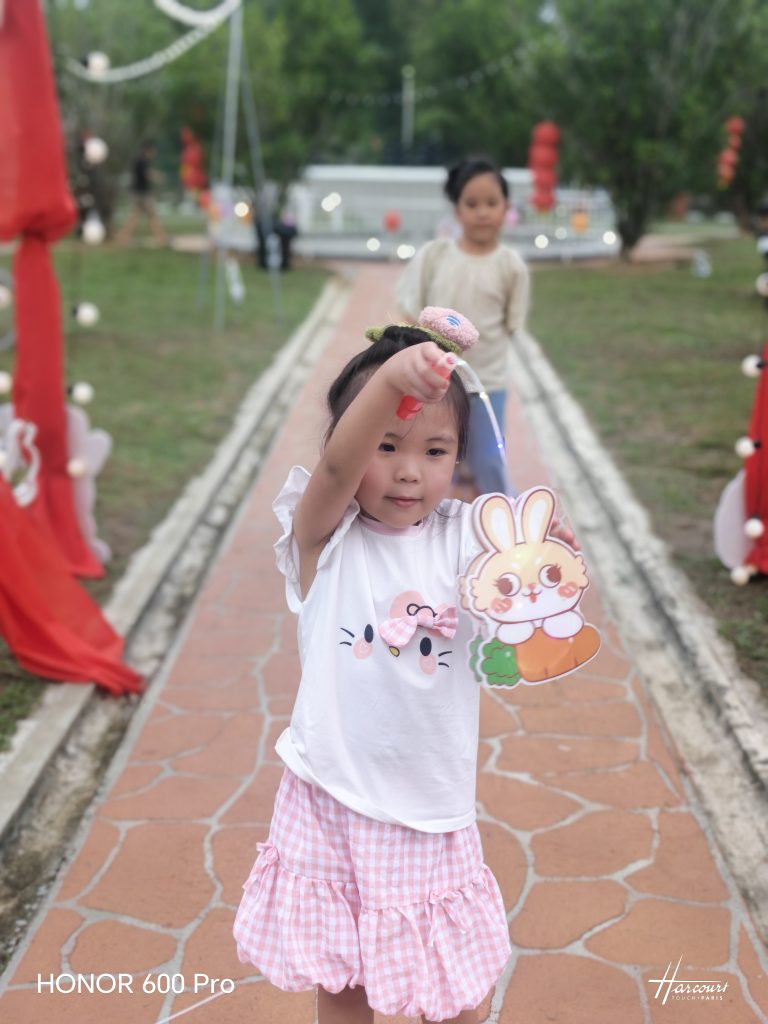
Making room for childhood
Beyond academic performance, Yao believes children need opportunities to experience childhood without every activity being structured around learning objectives or measurable outcomes.
One way to achieve this is through unstructured play, which allows children to explore, imagine, create and learn at their own pace without constant adult direction.
Through play, children develop important social and emotional skills, including sharing, taking turns, negotiating, solving problems and managing disagreements. They also learn to cope with frustration and disappointment when things do not go their way.
“Play is also a natural way for children to express their thoughts and emotions, particularly when they may not yet have the vocabulary to communicate their feelings. Sometimes, what children cannot express through words, they can communicate through play,” she said.
Yao added that excessive screen time could affect several areas of children’s development, particularly sleep, attention, emotional regulation and social interaction.
Spending too much time on digital devices may also leave children with fewer opportunities for meaningful face-to-face interactions, physical activities, outdoor exploration and imaginative play.
Rather than simply banning screens, she believes parents should help children develop a healthier relationship with technology by setting appropriate boundaries and monitoring the content they access.
Importantly, screen time should not come at the expense of sleep, play, family interaction and other essential childhood experiences.
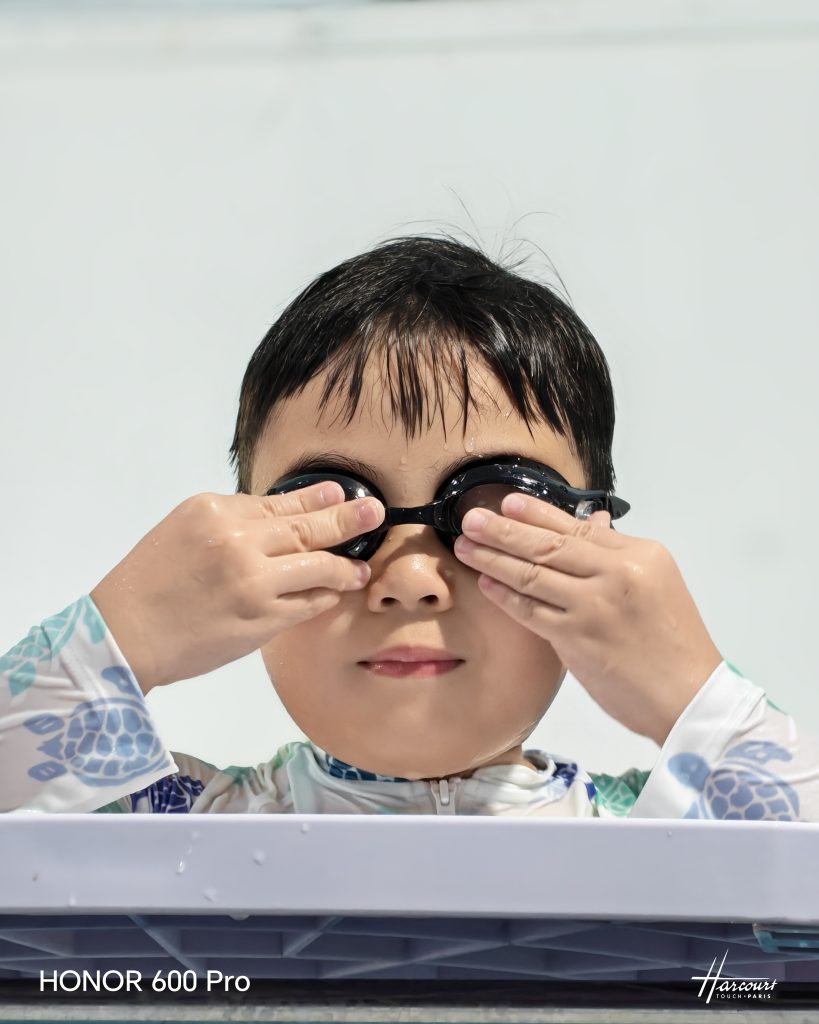
A home where children feel heard
While schools and communities play an important role in children’s development, Yao said the home remains a crucial environment where children should feel safe expressing themselves.
She emphasised that parents need to create an atmosphere where children feel heard and accepted, without being immediately judged, criticised or corrected whenever they share their worries.
One way to achieve this is to make regular conversations part of family life, even when they revolve around seemingly small or ordinary matters.
“Sometimes, children are more willing to open up during casual activities, such as having meals together, driving or playing, rather than during formal conversations where they feel they are being questioned,” she said.
She also encouraged parents to acknowledge their children’s feelings instead of immediately dismissing their concerns or rushing to provide solutions. For instance, rather than telling a child not to worry, parents could acknowledge their feelings by saying, “That sounds difficult” or “I can understand why you feel that way.”
“When children know that they can express their feelings without fear of being scolded or dismissed, they’re more likely to approach their parents when they encounter difficulties,” she said.
Ultimately, children should know that they do not have to pretend to be happy or strong all the time, especially at home.
Beyond the family
Nonetheless, Yao believes ensuring a healthy and meaningful childhood should not rest solely on parents. Schools, communities and society also have a responsibility to create environments where children can grow beyond academic achievements.
She called for greater emphasis on emotional literacy, resilience, empathy and social skills, alongside access to safe schools, mental health support, meaningful friendships and opportunities for play and exploration.
“Most importantly, we need to remember that childhood is not simply a preparation for adulthood. It’s an important stage of life in its own right,” she said.
As the world observes World Children’s Day, her words serve as a timely reminder that while preparing children for the future is important, we should not become so focused on the adults they will eventually become that we overlook the children they are today.
After all, children deserve more than a childhood filled with targets and expectations. They deserve to feel loved and valued, have room to make mistakes, enjoy the freedom to discover themselves and, above all, have the opportunity to simply be children.