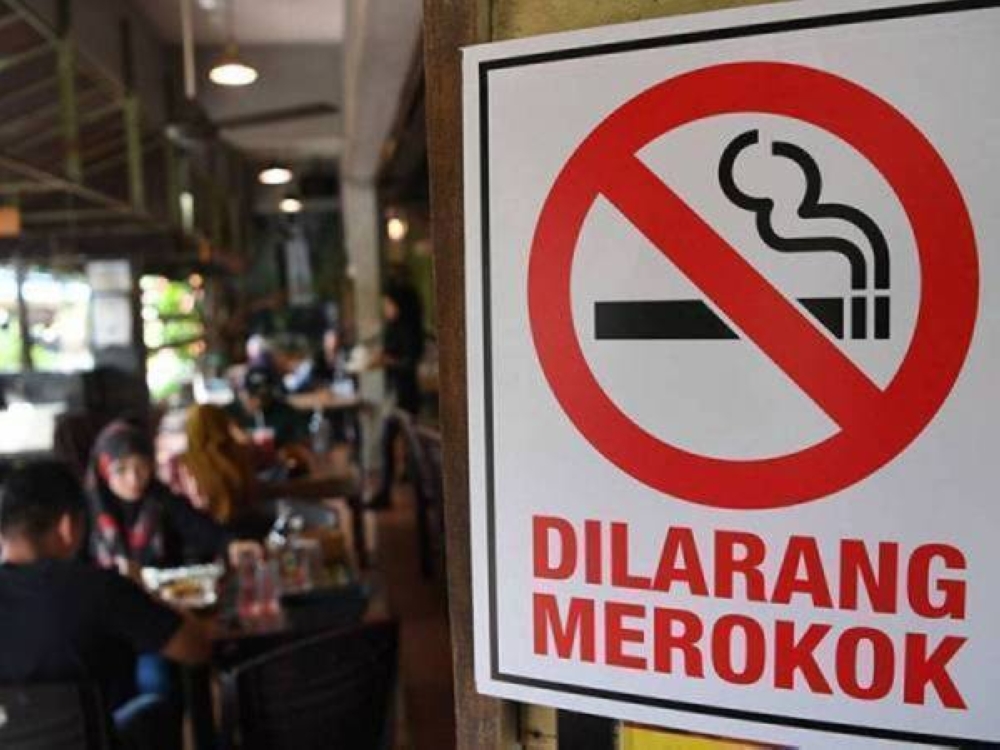
As Malaysia considers new restrictions on vape products, and as Sarawak continues aligning its public health measures with national direction, the debate around regulation versus prohibition has re-emerged with urgency.
While bans are often seen as the quickest way to curb access, global evidence paints a very different reality.
In virtually every country where vape prohibitions have been implemented, demand has not disappeared.
Instead, it has migrated underground, creating lucrative opportunities for smugglers while stripping governments of oversight, tax revenue and consumer safety controls.
The lesson repeated across jurisdictions is clear: regulation protects consumers and governments, whereas bans empower the illicit market.
Australia: A Prescription-Only System that Fuelled an Illicit Boom
Australia offers one of the clearest examples of how prohibitions can backfire when consumer demand remains strong.
When the country introduced a prescription-only system for nicotine vaping, it aimed to limit youth access and ensure that only smokers seeking cessation support could obtain the products legally.
However, the policy created an enormous gap between demand and legal availability.
That gap was quickly filled by organised crime.
Reports from the Australian Border Force (ABF) show that seizures of illegal disposable vapes surged dramatically after the prescription model was introduced.
Officers intercepted container-level shipments, often involving millions of units, indicating highly coordinated operations by criminal syndicates.
The growth of this illegal trade became so substantial that it featured prominently in Australia’s Senate Inquiry into Vaping Regulation in 2023, which highlighted how illicit operators had effectively replaced legitimate retailers in meeting consumer demand.
Youth access also increased because illegal sellers had no incentive to enforce age restrictions.
With legitimate pharmacies constrained by prescription requirements, many consumers—both adults and teenagers—turned to unregulated channels operating through social media and encrypted platforms.
As a result, the intended benefits of the prohibition were not realised. Instead, illegal products with unknown ingredients became more accessible, while the government lost control over pricing, quality and distribution.
Australia has since acknowledged that the prescription-only model did not deliver the intended public health outcomes.
In response, the government has begun revising its policy framework, signalling a shift towards tighter regulation rather than broad prohibition.
The Australian experience demonstrates that when consumers are shut out of legal avenues, they inevitably turn to illicit markets, giving organised crime a foothold that is difficult to dislodge.
Singapore: Even the Strictest Enforcement Cannot Eliminate Demand
Singapore is widely known for its uncompromising regulatory environment, and its approach to e-cigarettes reflects this philosophy.
The Tobacco (Control of Advertisements and Sale) Act bans the import, sale, possession and use of vaping products, with some of the stiffest penalties in the region.
Enforcement is frequent and coordinated across multiple agencies, including the Singapore Police Force, Health Sciences Authority (HSA) and Immigration and Checkpoints Authority (ICA).
Despite this comprehensive prohibition, illegal vape activity has persisted. Enforcement reports regularly describe weekly or near-weekly operations recovering hundreds or thousands of disposable vapes from clandestine sellers.
Many of these sellers operate through Telegram groups, TikTok accounts or encrypted messaging platforms, which allow them to evade detection while maintaining direct access to consumers.
Cross-border smuggling from Johor continues to be reported, despite the threat of heavy fines and imprisonment.
Singapore’s experience shows that even the most robust enforcement regime struggles to eliminate demand.
Instead of disappearing, the market simply shifts into the shadows where consumer protections do not exist.
With no retail licensing, no safety standards and no traceability, users are left with unregulated products that may contain high nicotine concentrations, contaminants or poorly manufactured batteries.
The Singapore model reveals the inherent limitations of prohibition in a world where access to digital platforms, informal couriers and cross-border supply chains is almost limitless.
Thailand: A Ban That Created Its Own Underground Industry
Thailand also maintains a complete ban on the importation and sale of vape products, but like Australia and Singapore, it has faced consequences that undermine the objectives of prohibition.
Reports from the Royal Thai Police and the Ministry of Commerce indicate that despite the ban, a widespread informal vape economy has taken root.
Vendors operate discreetly in major urban centres, night markets and online platforms, supplying products imported illegally through various channels.
The ban has also created friction in the tourism sector.
Several high-profile incidents involving tourists being penalised for possession of vape devices generated international attention, leading to debates within the government about whether the ban is practical or sustainable.
In recent years, Thailand’s Ministry of Digital Economy and Society, along with other government agencies, has openly discussed the need to revisit the policy, acknowledging that the current approach has reduced oversight without meaningfully reducing use.
Thailand’s experience reinforces a recurring trend: banning vape products does not curb demand, but rather fuels a fragmented and often unmanageable underground market.
Consumers continue to purchase these products, but in the absence of regulatory frameworks, safety and quality cannot be guaranteed.
Enforcement also becomes inconsistent and resource-intensive, diverting attention from other public health priorities.
Lessons for Sarawak: Regulation Strengthens Public Health, Bans Don’t
As Malaysia refines its national regulatory landscape, Sarawak stands at an important crossroads.
The state has a strong governance culture and a track record of implementing pragmatic policies tailored to local realities.
In the context of vape regulation, this pragmatism is vital.
One of the most significant consequences of a ban would be the loss of tax revenue.
Countries that regulate vape products, including the United Kingdom, New Zealand and many EU member states, collect substantial revenue through excise taxes and licensing.
These funds can be channelled into public health initiatives, smoking cessation programmes or youth education campaigns.
Conversely, a ban would eliminate these revenue opportunities entirely, as consumers would simply turn to untaxed, unregulated black-market sellers.
Regulation also enables enforceable age restrictions.
In a controlled retail environment, officials can conduct compliance checks, issue penalties and revoke licences when sellers violate the law.
Under a ban, age restrictions become functionally impossible to enforce because the entire market operates in the shadows.
This has been evident in both Australia and Singapore, where youth have had little difficulty accessing illegal products through informal networks.
Safety standards and traceability are additional areas where regulation significantly outperforms prohibition.
Without a regulated framework, consumers cannot know the ingredients, nicotine strength or manufacturing standards of the products they use.
Regulation allows authorities to mandate ingredient disclosure, impose nicotine limits, require child-resistant packaging and introduce track-and-trace systems to monitor product movement from manufacturer to retailer.
These mechanisms reduce the risks associated with counterfeit or contaminated products, which are prevalent in black markets.
From an economic perspective, regulation supports legitimate businesses and creates opportunities for employment, licensing and local entrepreneurship.
A ban, by contrast, hands the market entirely to illegal operators who face no accountability.
Sarawak’s existing mechanisms for retail licensing, compliance monitoring and taxation could easily be adapted to create a structured regulatory system for vape products, ensuring that the state remains in control of distribution, safety and enforcement.
A Practical, Controlled Framework for Sarawak
If Sarawak decides to pursue a regulatory model, it could consider a framework that includes mandatory retailer licensing, strict age verification requirements, taxation mechanisms and comprehensive product standards.
Public education would also play a significant role, with clear messaging emphasising that vaping is intended for adult smokers seeking alternatives, not a lifestyle product for youth.
By combining regulation with education, Sarawak can maintain public health priorities while preventing the pitfalls observed in countries that rely on prohibition.
A well-designed regulatory model would allow authorities to monitor trends, enforce compliance and respond swiftly to emerging challenges.
It would also reduce the influence of criminal networks by removing their market advantage and shifting demand back into a controlled environment.
The Global Verdict: Bans Strengthen the Illicit Market—Regulation Weakens It
Across Australia, Singapore and Thailand, the outcomes of prohibition are remarkably consistent.
When legal access is blocked but demand persists, illicit trade flourishes, consumer safety collapses and governments lose oversight.
These cases demonstrate that bans are not a solution but a catalyst for deeper, more complex problems.
For Sarawak, adopting a firm and transparent regulatory framework offers a more effective path forward.
Regulation delivers control, oversight and safety, while prohibition opens the door to chaos.
International evidence shows that when governments regulate responsibly, they can protect youth, limit organised crime and uphold public health far more effectively than any ban could achieve.
In the debate between regulation and prohibition, the choice is ultimately one between control and surrender.
For Sarawak, the evidence points decisively toward regulation—not as a permissive stance, but as the most responsible, pragmatic and protective approach to safeguarding its communities.