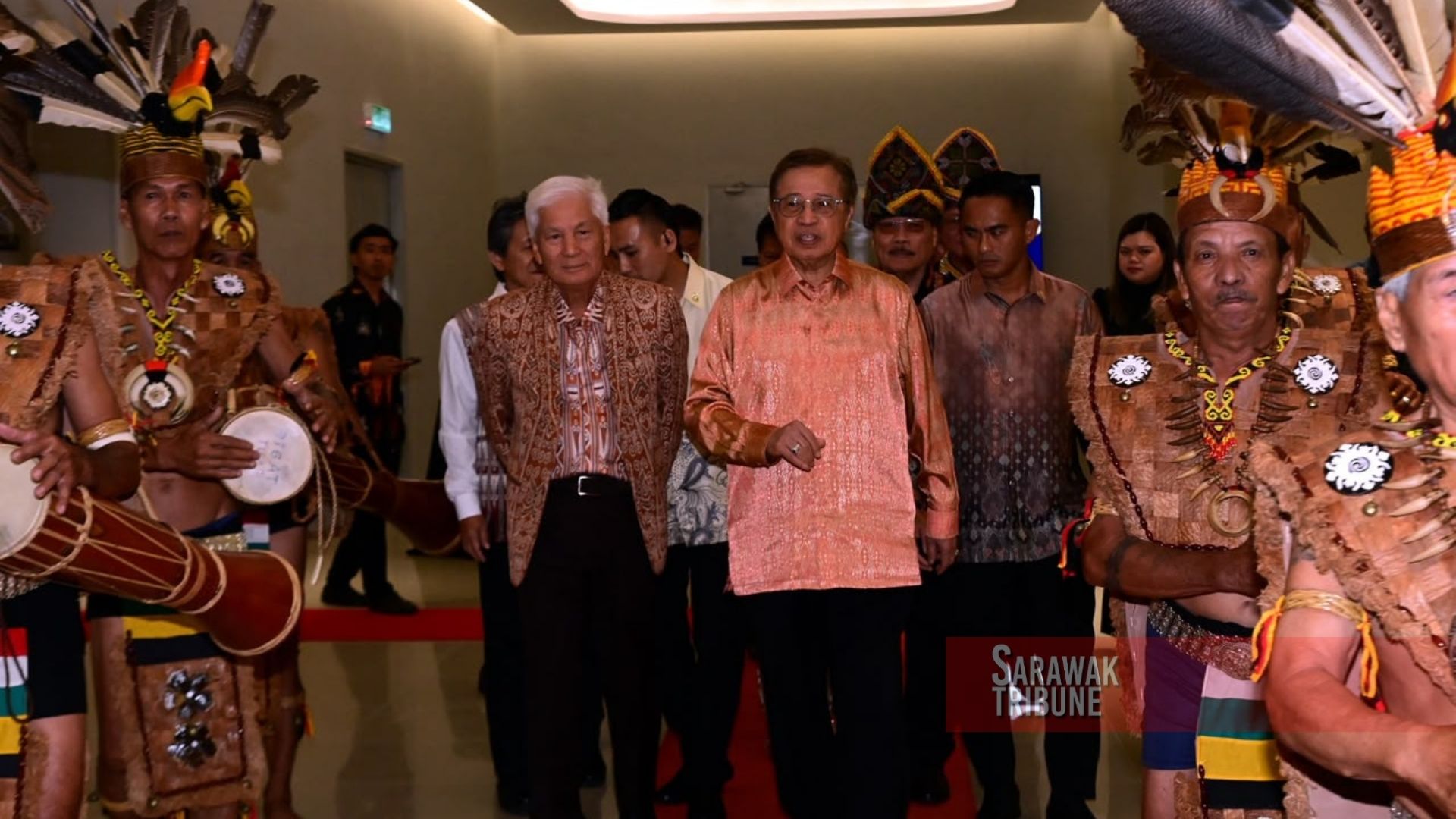
KUCHING: Sarawak and Sabah should receive 70 per cent of any carbon tax collected in Malaysia as both states play a dominant role in the country’s carbon policy by serving as its largest carbon storage areas.
Premier Datuk Patinggi Tan Sri Abang Johari Tun Openg said Malaysia’s ability to meet its climate commitments under the Paris Agreement depends heavily on the vast forests, peatlands and mangrove ecosystems in the two Bornean states, making them central to the nation’s environmental sustainability agenda.
“Sarawak and Sabah play a very dominant role in Malaysia’s policy.
“I told the federal government that before implementing a carbon tax, they have to consider the component of the tax that should be given to Sabah and Sarawak because we are the storage area of carbon.
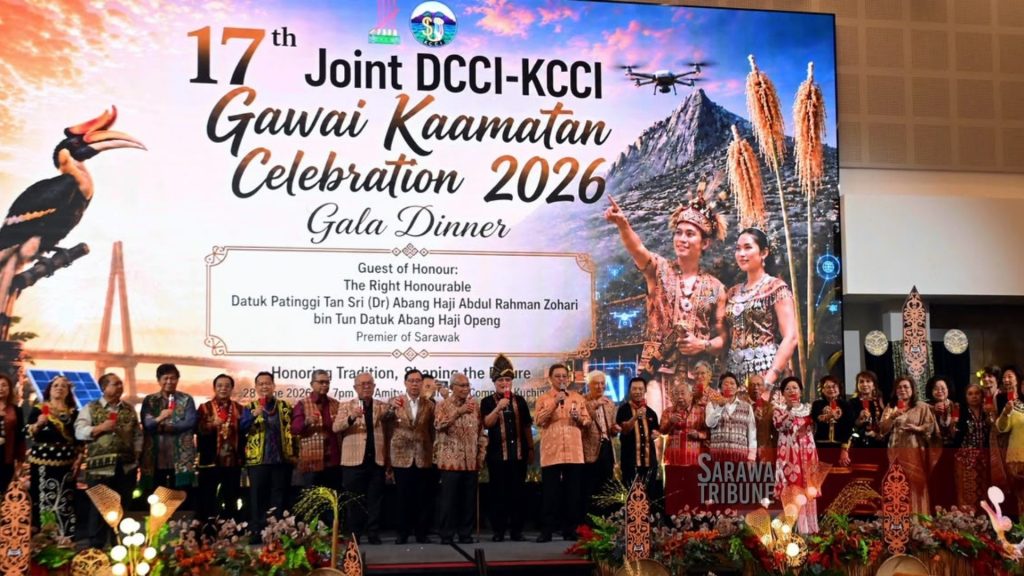
“If there is a tax, 70 per cent of that tax must come back to Sabah and Sarawak because we are the custodians of carbon and we are also producing oxygen through the process of photosynthesis,” he said during the 17th Joint DCCI-KCCI Gawai Kaamatan Celebration 2026 at the UNIFOR Complex here on Sunday (Jun 28).
Abang Johari said Sarawak had taken the lead by enacting legislation on greenhouse gas emissions two years before the federal government introduced similar legislation.
He added that when the Putrajaya was drafting its carbon emissions law, it consulted Sarawak on the state’s legislative framework.
Referring to the Paris Agreement, he said carbon emissions must be balanced by natural carbon sinks, with forests remaining the most effective means of absorbing and storing carbon.
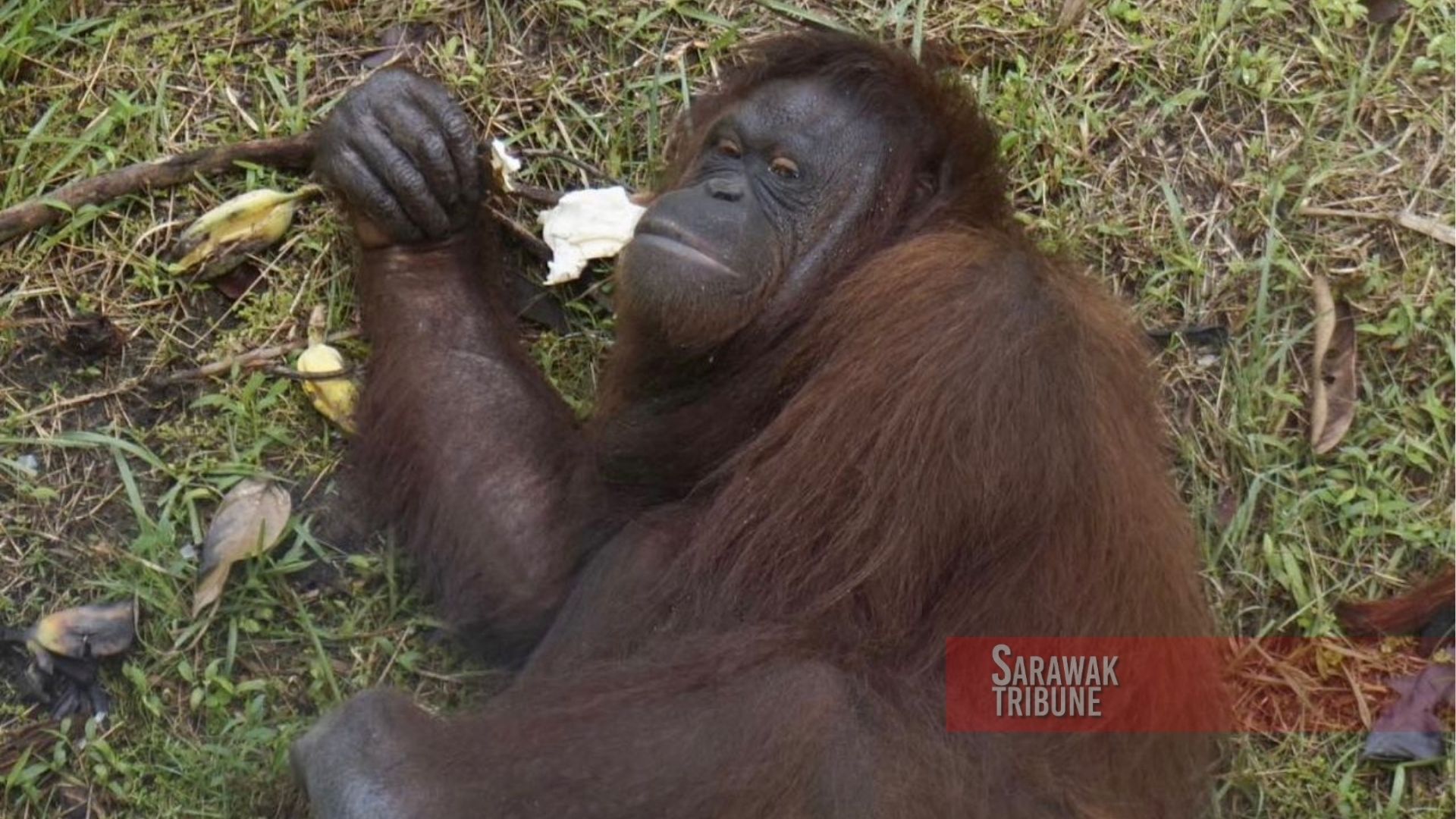
“In Malaysia, if there is no Sabah and Sarawak, there is no forest. The only state with sizeable forest, although not comparable to us, is Pahang.
“Therefore, the strength in storing carbon is Sabah and Sarawak. The law must recognise that Malaysia’s carbon policy depends on Sabah and Sarawak, and the law has to be fair,” he said.
He said that Sarawak’s extensive forests, peatlands and mangrove swamps represent strategic assets in the emerging green economy, pointing out that mangrove ecosystems can store up to four times more carbon than conventional forests.
“Against these resources, it is appropriate that we look at them as our strength in the new economy,” he said.
Abang Johari also linked carbon policy to the state’s Post COVID-19 Development Strategy (PCDS) 2030, which is anchored on social inclusivity, economic prosperity and environmental sustainability.
He said environmental sustainability and economic prosperity must be designed in a way that ensures every community benefits through inclusive development.
Responding to an earlier call by Dayak Chamber of Commerce and Industry (DCCI) president Datuk Allan Keripin Nangkai for indigenous communities to share in the benefits of carbon trading, Abang Johari acknowledged the important role played by indigenous communities in protecting forest resources.
“You (Dayaks) are there. You are the custodian of carbon and therefore you have the right to benefit from the carbon policy,” he said.