KUCHING: Sabah and Sarawak’s strong forest coverage positions both states as key “carbon sinks” for Malaysia, giving them a strategic advantage in the country’s push towards climate monetisation and carbon market development.
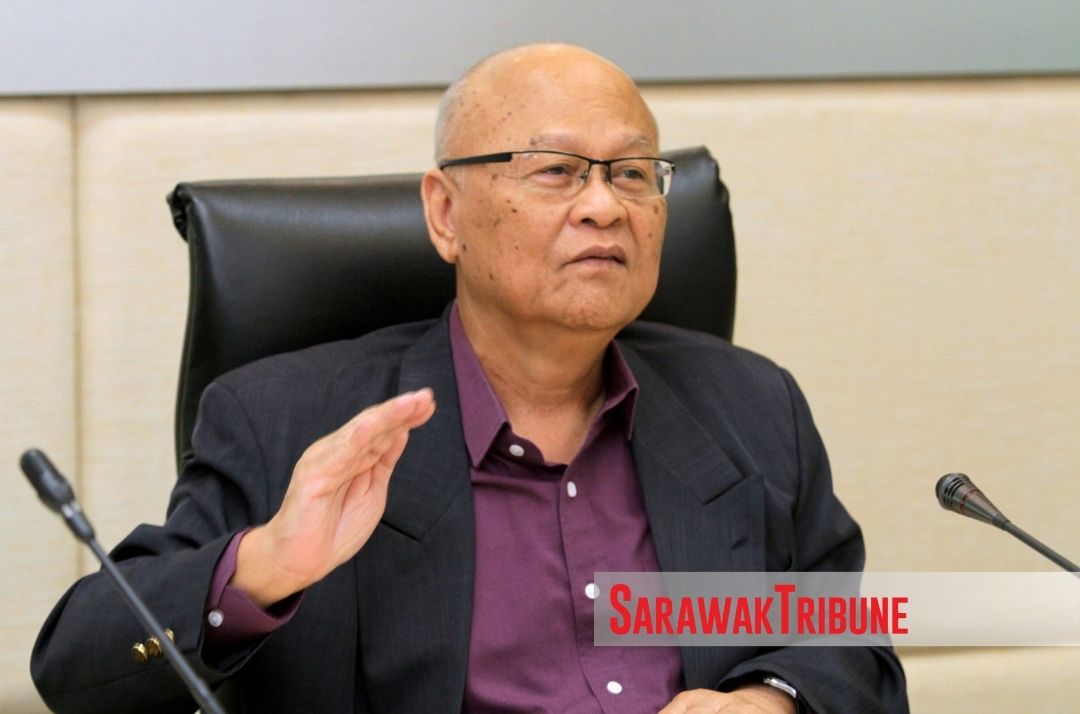
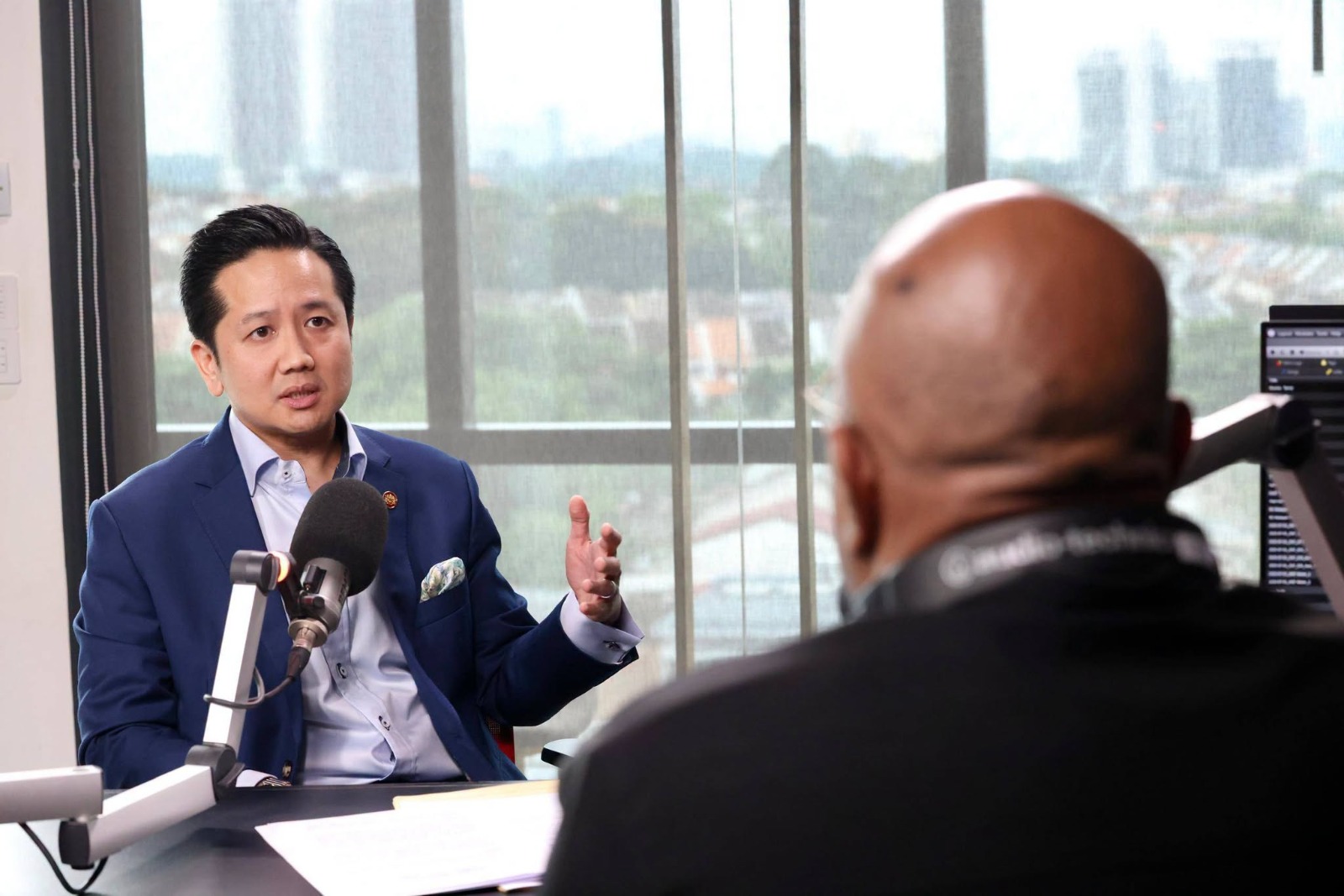
Natural Resources and Environmental Sustainability Minister Datuk Seri Arthur Joseph Kurup, speaking during The Breakfast Grille podcast by BFM recently, said Malaysia’s environmental policy direction remains unchanged despite global geopolitical tensions, including the ongoing Middle East conflict and its economic spillover effects.
He said the government’s climate agenda, including carbon credits and the eventual introduction of a carbon tax, will continue, although the timeline is being reviewed in light of current economic uncertainties.
“Our roadmap and policy objectives will still remain the same. We need to have our climate change agenda, we need to institutionalise our carbon credits, and we need to move towards the carbon tax. The only thing that’s being reviewed now is the timing,” he said.
Arthur stressed that Malaysia remains committed under the Paris Agreement to achieve carbon neutrality by 2050, adding that enforcement mechanisms such as a Climate Change Act are essential to support the transition.
He said Sabah and Sarawak play a critical role in meeting Malaysia’s international obligations due to their extensive forest coverage, which exceeds that of Malaya.
“In Semenanjung, you guys are actually down to about 43 percent. In Sabah, we are about 63 percent. In Sarawak, we’re about 64 percent,” he said.
He added that Sabah and Sarawak’s combined forest coverage has helped Malaysia surpass the minimum requirement of 50 percent, allowing the country to report a national forest coverage of about 54 percent under international commitments.
Arthur said that both East Malaysian states are effectively carbon sinks, absorbing more carbon dioxide than they emit, which presents an opportunity to generate revenue through structured carbon credit systems.
“This is an advantage for us because now we need to monetise that, and that’s why we need to set up the policy and the framework to institutionalise it,” he said.
On the carbon tax, Arthur said the policy, initially targeted for implementation this year under the previous Budget announcement may be delayed to next year depending on economic conditions.
He said the tax is expected to initially target key industries such as steel, energy and cement, but could have broader implications on the cost of living.
“It probably won’t be this year. It may be next year. We will have to see how the economic situation develops,” he said.
Arthur said the government is still pushing ahead with institutional reforms, including the proposed Climate Change Act, which is currently being fine-tuned at the Attorney General’s Chambers.
He expressed hope that the Bill could be tabled and passed this year, paving the way for the establishment of a Climate Change Entity to manage and verify carbon credits in Malaysia.
“This will avoid double counting, it will avoid greenwashing, and it will make sure that carbon credits can be traded in our country,” he said.
Arthur also acknowledged that both Sabah and Sarawak have already enacted their own climate change and greenhouse gas legislation in 2024 and 2025, but stressed the need for federal-state harmonisation.
He said a joint national committee involving Sabah, Sarawak and the federal government has been formed to standardise carbon credit pricing and prevent inconsistencies.
“This is an advantage for us, because Sabah and Sarawak, we are a carbon sink. We are generating revenue, but every day is an opportunity cost until we institutionalise and monetise it,” he added.