KUCHING: Speculation that Malaysia could head to early general election (GE) by October is gaining traction, with analysts saying the timing may allow the government to capitalise on stability before subsidy cuts reshape voter sentiment.
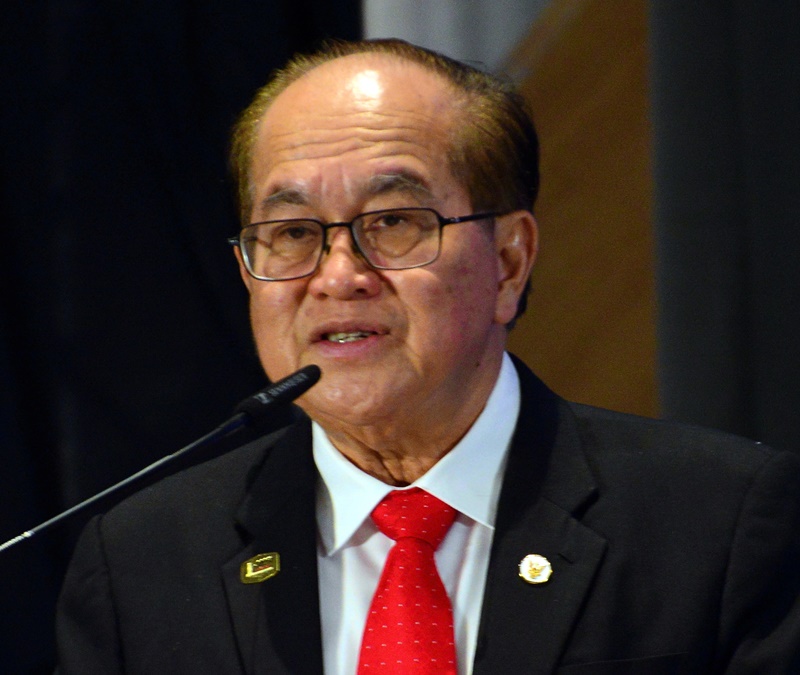
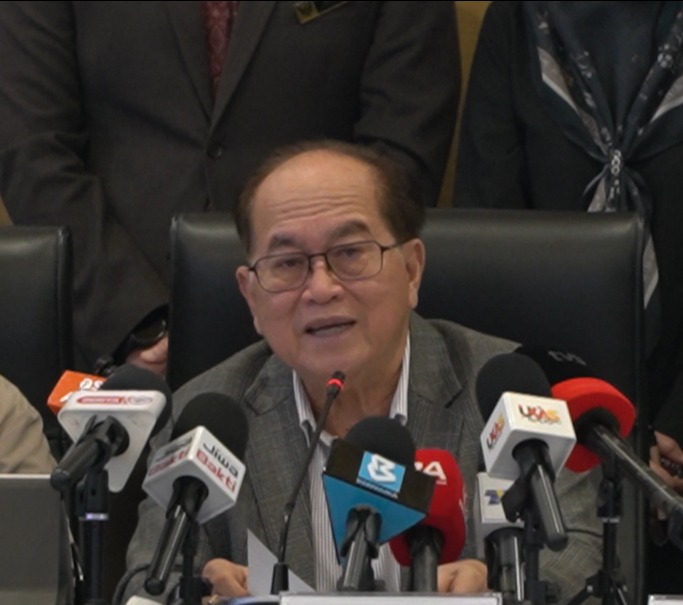
Prime Minister Datuk Seri Anwar Ibrahim was reported by Free Malaysia Today to have indicated the possibility of holding polls ahead of planned fuel subsidy rationalisation later this year, a move widely seen as politically sensitive.
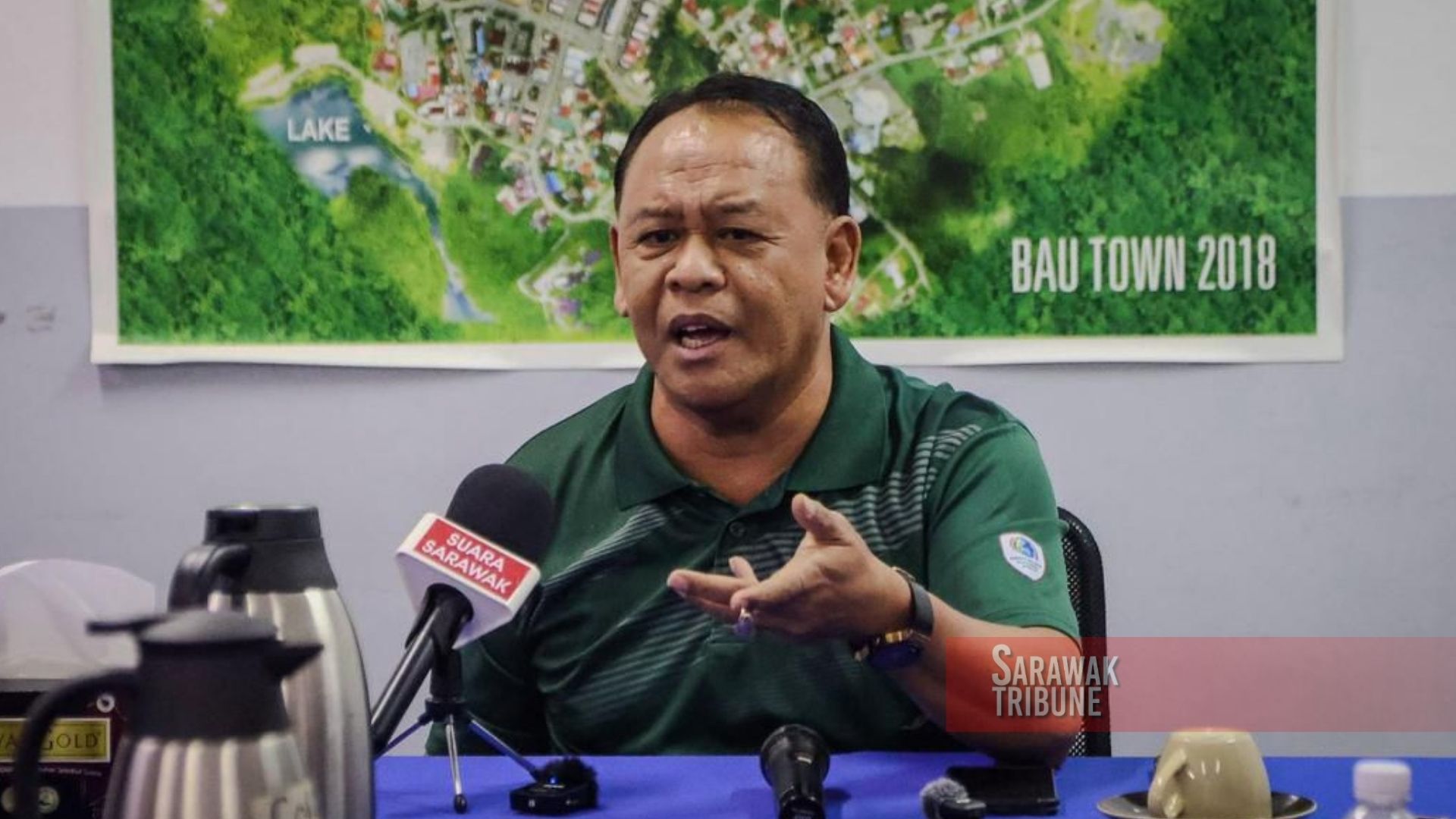
Political analyst Dr Mazlan Ali said the third quarter presents a “golden opportunity” for the government to call the 16th GE following a period of political stability, improving policy implementation and economic recovery, as well as stronger international recognition of Malaysia.
“After enjoying political stability, the success of public policies and economic recovery, as well as high international recognition of Malaysia, the third quarter is the most suitable period to hold the 16th general election,” he said.
He added that the timing could also align with the expiry of the Malacca state assembly later this year and the expected end of the Johor assembly term in early 2027, strengthening the case for earlier polls.
However, Mazlan cautioned that the opportunity may narrow if global energy pressures worsen amid the Middle East conflict, potentially forcing the government to reduce petrol and diesel subsidies.
“Cutting petrol and diesel subsidies is a very sensitive issue for Malaysians and will be made a big political issue by the opposition,” he said.
Echoing concerns over policy timing, political analyst Dr Ammar Redza Ahmad Rizal said bringing forward the election could reflect government confidence but also a strategic effort to secure a fresh mandate before implementing difficult fiscal measures.

“I think the proposed earlier date shows either the current government’s confidence or their intention to secure another term before planning a new direction for the country,” he said.
He noted that subsidy rationalisation and the possible return of the Goods and Services Tax (GST) could affect voter sentiment if introduced before polling.
“Implementing such measures now would be unpopular and could risk losing votes,” he added.
Ammar also warned that rushing an election during uncertain economic conditions could backfire politically.
“Rushing to do election, especially during turmoil, might raise suspicions among voters and, if translated at the ballot box, could cost the government dearly,” he said.
Both analysts said the rising living costs and fuel subsidy decisions are likely to be decisive factors shaping public sentiment ahead of the next GE.