KUCHING: The growing use of e-cigarettes in the country has raised concerns over unregulated products containing unknown ingredients that may pose serious health risks.
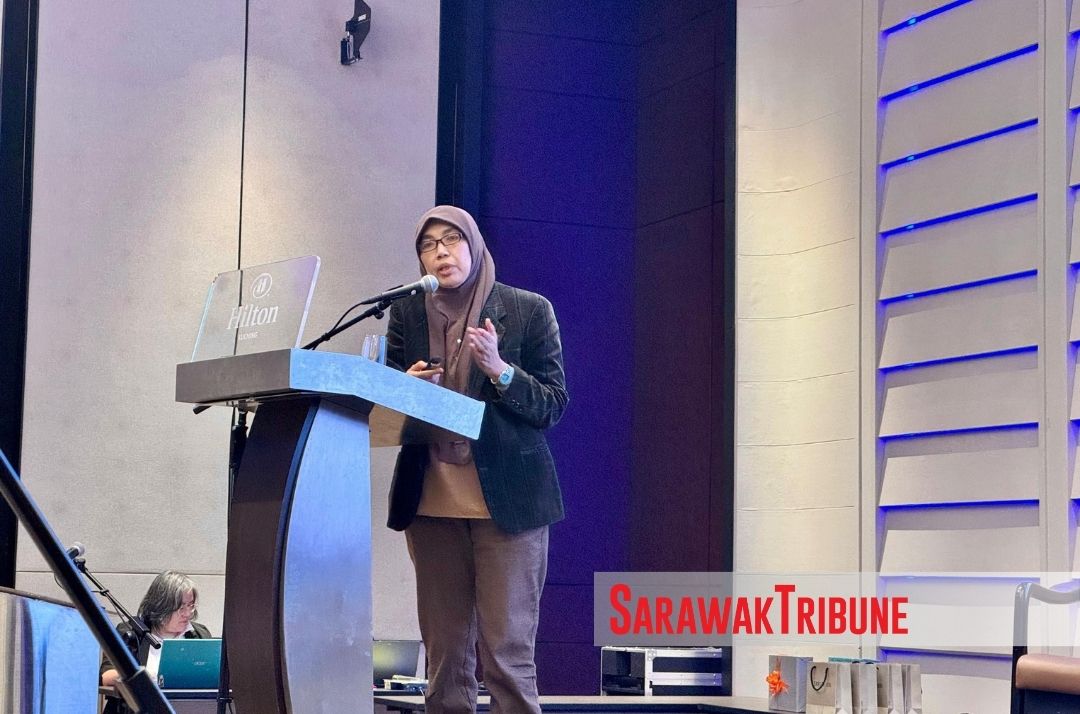
Public Health Specialist at the UKM Medical Centre Professor Dr Sharifa Ezat Wan Puteh said many vape products in Malaysia, particularly those sold online or through informal channels such as night markets, do not undergo proper laboratory testing.
“These products often come without ingredient disclosure, toxicology reports, or safety verification. We do not actually know what users are inhaling,” she said.
She aired these concerns at the “Sarawak’s Illicit Trade: Drivers, Risks & the Cost of Prohibition” programme, Session 2 Policy & Impact Fireside Chat: Ban vs Regulation – Public Health, moderated by Dayak Daily director Lian Cheng here.
Dr Sharifa added that this lack of regulation creates a stark contrast with countries like the United Kingdom (UK), where e-cigarettes are part of a controlled harm reduction strategy.
In the UK, vape products are strictly regulated and tested to ensure they are free from impurities, drugs, and harmful substances.
“In countries with strict regulations, e-cigarettes are tested in laboratories before being approved. That level of control is still developing in Malaysia,” she added.
She warned that weak oversight locally means some unregulated vape liquids may be contaminated or mixed with unknown substances, including drugs.
This can lead to adverse effects such as dizziness, hallucinations, and other abnormal reactions.
She stressed that these risks are not associated with properly regulated e-cigarettes, which in some studies have been shown to help smokers quit and can be more effective than Nicotine Replacement Therapy (NRT) such as patches or gum.
However, she emphasised that such benefits only apply to tested and approved products.
While acknowledging that vaping is increasingly used among teenagers and adults as an alternative to smoking, she added that national trends show cigarette use is declining while vape use is rising, raising new regulatory challenges.
Dr Sharifa also cautioned that strict bans without safer, controlled alternatives could push users towards illicit markets, where product quality is even more uncertain.
“Compared to cigarettes, properly regulated vape products are generally considered safer, but unregulated products can be dangerous as they may contain harmful substances, including drugs such as fentanyl, which is far more potent than morphine,” she added.
Comparing global approaches, she also said that countries like Japan use heated tobacco products, while Sweden promotes alternatives such as snus (snus is a traditional smokeless tobacco product used as a cigarette alternative), both designed to reduce harm by avoiding combustion.
“There are many harm reduction approaches used worldwide, though methods vary by country.
“The concern in Malaysia is the presence of unregulated vape products mixed with drugs, especially among youth who may be more vulnerable due to limited income,” she said.