SIBU: Sarawak is steadily positioning itself to become one of Southeast Asia’s most progressive and self-reliant economies by 2030, driven by expanding autonomy, a thriving green economy, and an enduring model of social harmony that continues to distinguish the state within Malaysia.
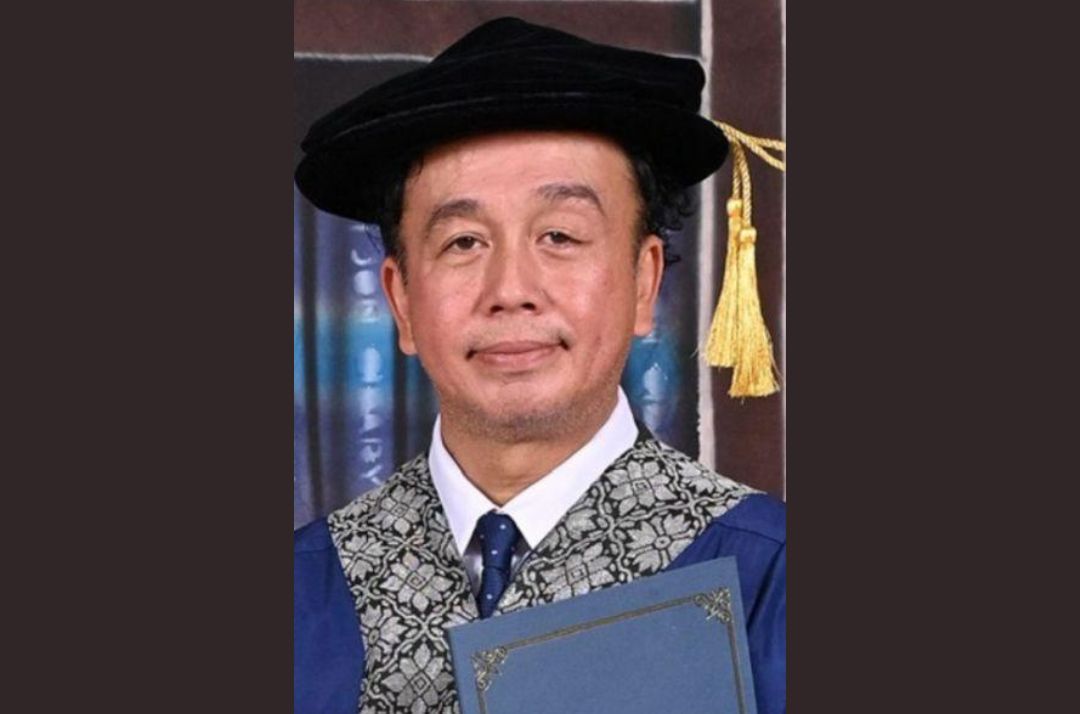
This assessment was shared by Prof Datuk Paduka Seri Is Dr Tunza Mohd Riduan, Panel Advisor on Political, Economic and Social Affairs to the Government of Malaysia, during his address in conjunction with the 2026 Sarawak Day celebration.
According to Tunza, Sarawak’s remarkable transformation over the past decade reflects not only strategic planning but also visionary leadership under Premier Datuk Patinggi Tan Sri Abang Johari Tun Openg, supported by the harmonious stewardship of Head of State Tun Pehin Sri Dr Wan Junaidi Tuanku Jaafar.
He described the state’s progress as a model of sustainable governance, economic resilience and multicultural unity that is increasingly attracting regional attention.
Tunza identified three key pillars underpinning Sarawak’s long-term development agenda.
Sarawak, he said, has moved beyond merely advocating for its constitutional rights under the Malaysia Agreement 1963 (MA63) and is now actively exercising greater administrative and economic authority.
By 2030, the state aims to assume broader control over education, healthcare and infrastructure, reinforcing its institutional capacity to manage strategic sectors independently.
Recent milestones—including the acquisition of strategic assets such as Bintulu Port and the establishment of AirBorneo—demonstrate Sarawak’s growing confidence in shaping its own economic destiny.
Tunza highlighted the Post COVID-19 Development Strategy 2030 (PCDS 2030) as the cornerstone of Sarawak’s economic transformation.
The strategy envisions Sarawak evolving into a hybrid petro-electro economy, with a targeted Gross Domestic Product (GDP) of RM282 billion by 2030.
The state continues to accelerate investments in renewable energy, particularly through hydrogen initiatives such as H2ornbill and H2biscus, while pioneering carbon-free urban mobility via its Autonomous Rapid Transit (ART) system.
These initiatives, he noted, are positioning Sarawak as the emerging “Green Battery of ASEAN”, supplying clean energy solutions to support regional decarbonisation.
Beyond economic development, Tunza stressed that Sarawak’s greatest strength lies in its unique social fabric.
Home to 31 ethnic communities, the state continues to demonstrate that diversity can serve as a catalyst for stability, prosperity and inclusive growth under the enduring spirit of Segulai Sejalai.
He said Sarawak is committed to narrowing educational disparities between urban and rural communities through initiatives such as the Free Tertiary Education Scheme (FTES).
Meanwhile, institutions including the Unit for Other Religions (UNIFOR) continue to reinforce interfaith harmony, while the establishment of the Sovereign Wealth Future Fund reflects a long-term commitment to safeguarding the welfare of future generations.
Tunza concluded that the close synergy between the Governor and the Premier has provided Sarawak with the political stability necessary to sustain economic expansion while preserving social cohesion.
“With the highest state leadership working in harmony, Sarawak continues to safeguard economic sustainability and strengthen unity among its people. This reflects the true spirit of Sarawak Maju Makmur and Segulai Sejalai,” he said.
As Sarawak commemorates Sarawak Day 2026, the state continues to reinforce its reputation as a forward-looking, innovation-driven and socially cohesive region—one that is steadily advancing towards becoming a high-income, autonomous economy and a leading force in ASEAN’s green transition by the end of the decade.