SINGAPORE: Sarawak will launch the Bintulu Transition Industrial Cluster (TIC) next July in collaboration with the World Economic Forum to accelerate its low-carbon industrial transformation.
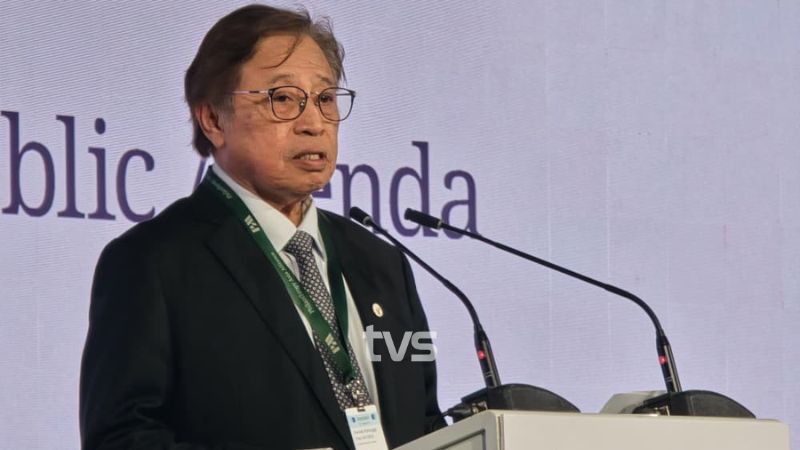
Premier Datuk Patinggi Tan Sri Abang Johari Tun Openg said the initiative marked a major step towards transforming the state’s industrial landscape into a sustainable and competitive low-carbon ecosystem.
He noted that the Bintulu-Samalaju corridor already hosts key industries including oil and gas, Liquefied Natural Gas (LNG), petrochemicals, hydrogen, fertiliser and renewable energy.
“TIC will align all these industries under one low-carbon industrial vision involving hydrogen production, Carbon Capture, Utilisation and Storage (CCUS), circular economy practices and digital manufacturing operating as an integrated system.
“This systemic approach can reduce investment risks while accelerating the adoption of clean technologies among industrial companies,” he said in a news report by TVS at the Philanthropy Asia Summit 2026 at Marina Bay Sands Expo and Exhibition Centre here yesterday (May 18).
Abang Johari said the collaboration with WEF would allow Sarawak to tap into a global network of experts to strengthen knowledge transfer and widen international cooperation opportunities.
He said the move would ensure the cluster is developed based on world-class sustainability standards and governance frameworks.
“It will also boost global investor confidence, reduce investment risks and accelerate green industry development, while signalling that Sarawak is not only adopting global best practices, but also helping to shape them,” he added.
The Bintulu TIC initiative, which has been elevated as a national agenda by the Federal Government, is expected to deliver significant economic benefits.
Initial projections show the cluster could contribute an additional RM12 billion to Malaysia’s Gross Domestic Product (GDP) and create more than 19,000 high-skilled jobs by 2040.
In environmental terms, the initiative is projected to reduce carbon emissions by up to 21.35 million tonnes over the same period, supporting Malaysia’s broader climate commitments and energy transition goals.
Recognition by the WEF places Bintulu among four rapidly developing low-carbon industrial clusters globally.
The cluster is supported by major companies and agencies including PETRONAS, Sarawak Energy, SEDC Energy, Shell, Sumitomo Corporation and Bintulu Port Authority.