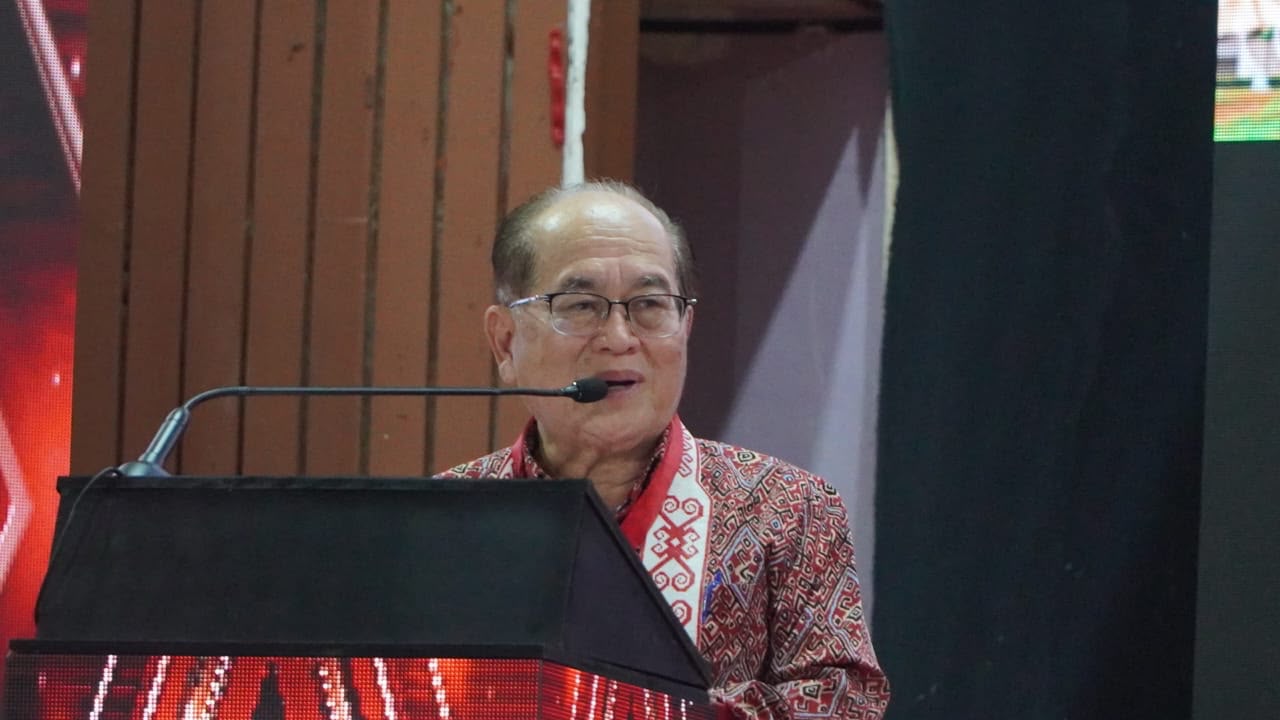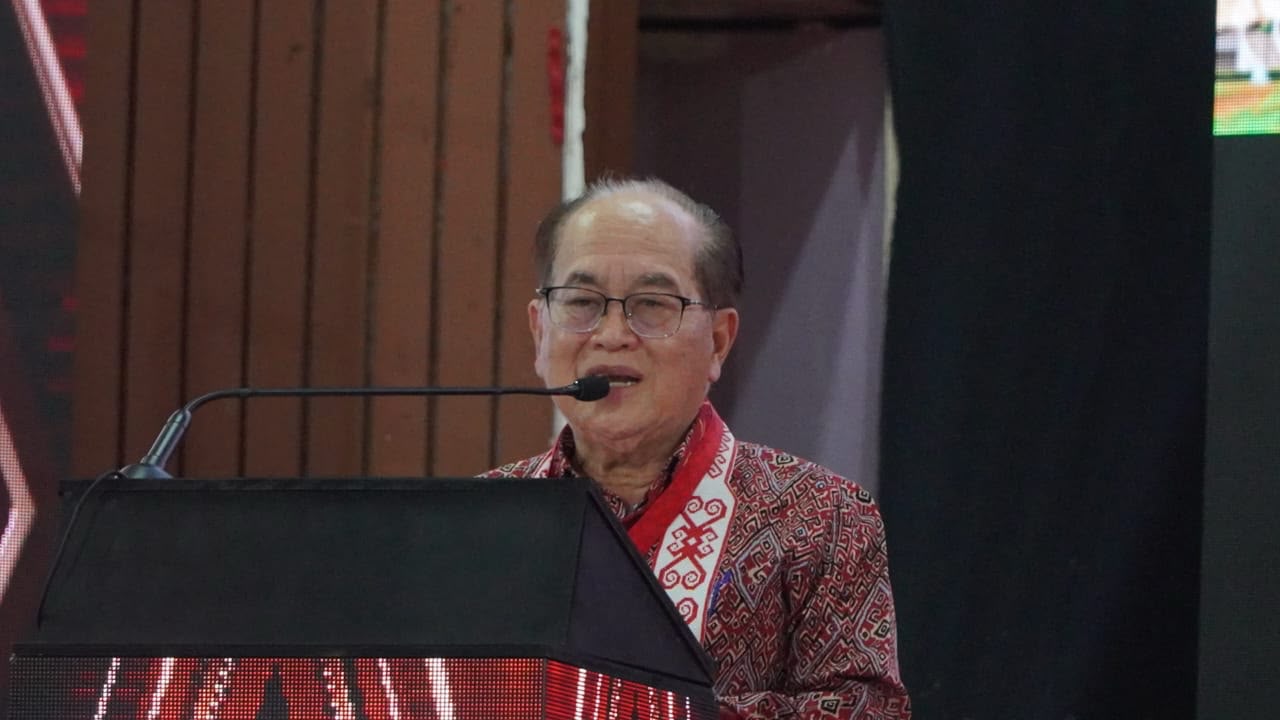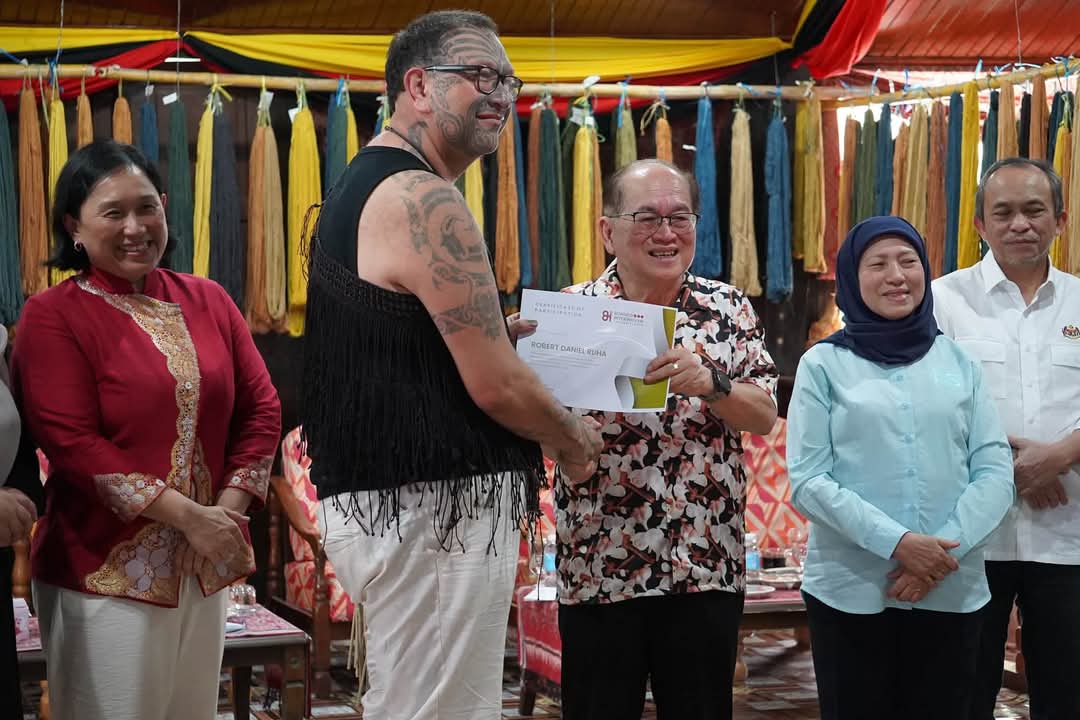
SPAOH: Bukit Saban has the potential to emerge as Sarawak’s hub for plant-based natural dye production by harnessing its rich biodiversity, said Deputy Premier Datuk Amar Douglas Uggah Embas.
He said the initiative could strengthen the State’s traditional weaving industry while creating new income opportunities for rural communities through research, innovation and international collaboration.
Speaking at the closing ceremony of the five-day ‘Borneo Interwoven: Jalinan Borneo 2026’ programme at Rumah Panjang Mendit Unsu, Penom, Ulu Paku on Friday (Jul 31), Uggah said the programme had opened new international opportunities to elevate Sarawak’s weaving heritage and promote sustainable natural dyes.
He said one of the programme’s most significant outcomes was the exchange of expertise on producing natural textile dyes from plants, soil and other organic materials, in line with the Sarawak Post COVID-19 Development Strategy 2030 (PCDS 2030).
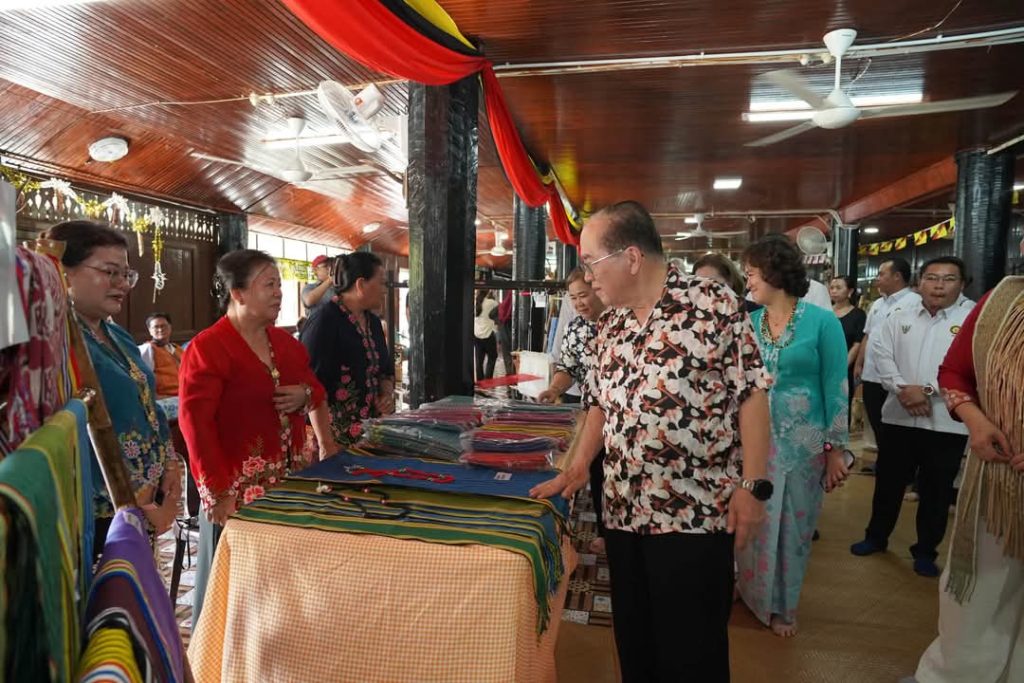
“Knowledge like this is invaluable and must be properly documented so that it is not lost over time. We want this knowledge to be passed on to future generations and translated into sustainable industry development that delivers tangible benefits to local communities,” he said.
Uggah said Bukit Saban’s abundant natural resources should be sustainably developed through collaboration involving research institutions, industry players and international partners.
“Bukit Saban possesses abundant natural resources that can be sustainably harnessed. If properly developed, these resources will not only strengthen the local weaving industry but also create new sources of income for rural communities,” he said.
He said Sarawak has strong potential to develop a natural dye industry based on its forest resources, provided biodiversity is utilised responsibly through research and technological development.
Uggah acknowledged that traditional weavers continue to face challenges, including limited raw materials, lengthy production processes and production constraints arising from economies of scale.
He stressed that collaboration must continue to introduce appropriate technologies and mechanisation without compromising the authenticity of traditional craftsmanship, while improving productivity and expanding market access.
He also expressed hope that international participants would become ambassadors for Sarawak’s woven textiles, natural dyes and handicrafts by promoting them in their respective countries.
The programme brought together textile experts, researchers, artisans and cultural practitioners from France, Ireland, Aotearoa New Zealand, Singapore, Indonesia and several regions across Borneo to exchange knowledge and strengthen efforts to preserve the region’s rich textile heritage.
Uggah said the Sarawak Government would continue to support human capital development, particularly by empowering women through skills training, technology transfer and entrepreneurship initiatives to further strengthen the State’s heritage textile industry.
“Infrastructure development, including roads, bridges and the Bebuling Spaoh STOLport, is expected to enhance connectivity and improve market access, creating greater opportunities for local entrepreneurs to expand heritage-based businesses,” he added.