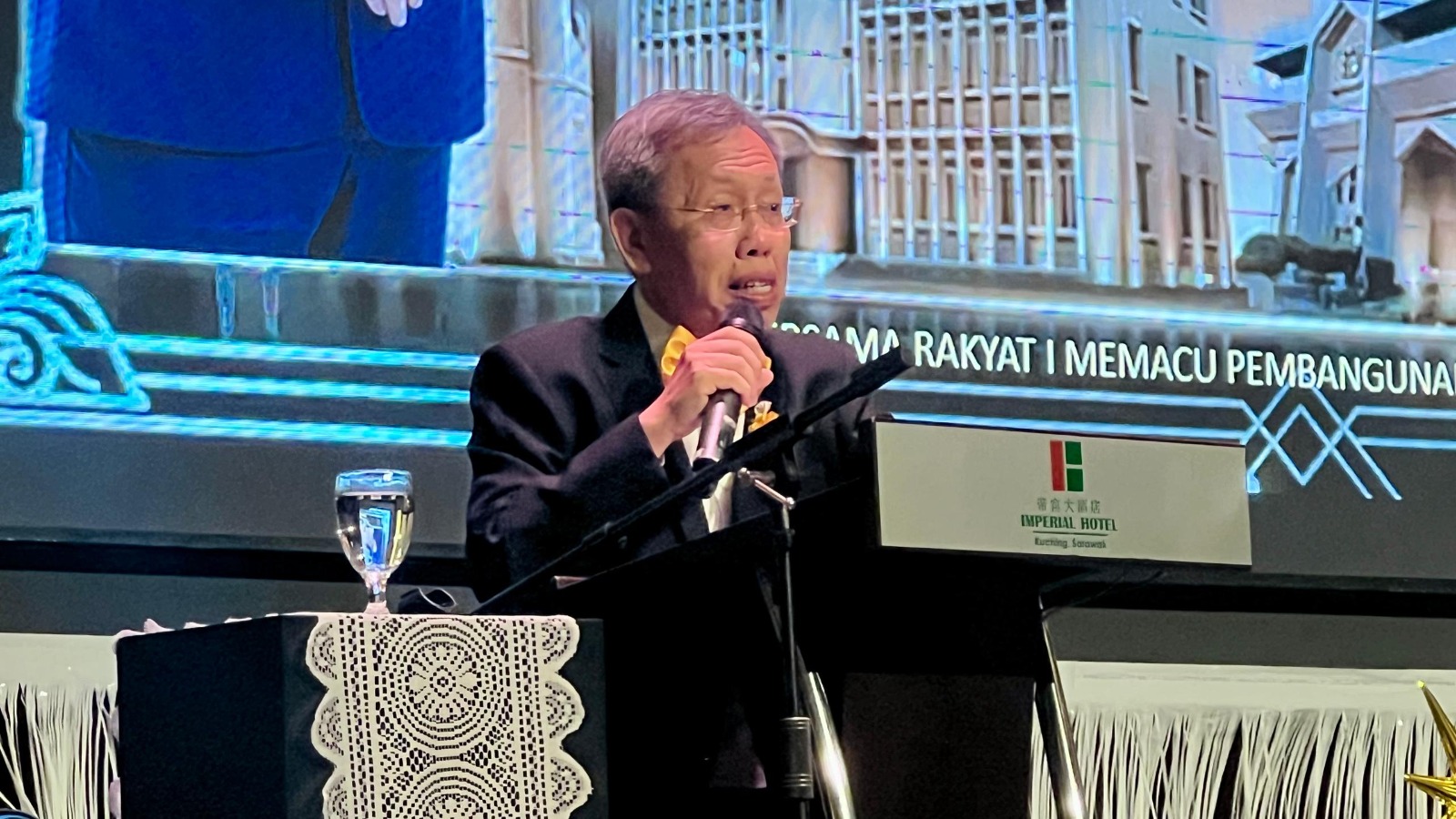
For many Malaysian small and medium-sized enterprises, the founder is the driving force behind sales. But as businesses grow, relying on one person can become a barrier to sustainable growth and expansion.
Beyond the founder’s network
For many Malaysian small and medium enterprises (SMEs), growth begins with a founder who knows the customers, makes the calls and closes the deals. But as a business expands, the very relationships that fuelled its early success can become a bottleneck.
With Malaysian businesses increasingly looking beyond traditional markets and pursuing larger corporate accounts and regional opportunities, sales are becoming more complex — involving longer decision-making processes, multiple stakeholders and increasingly demanding customers.
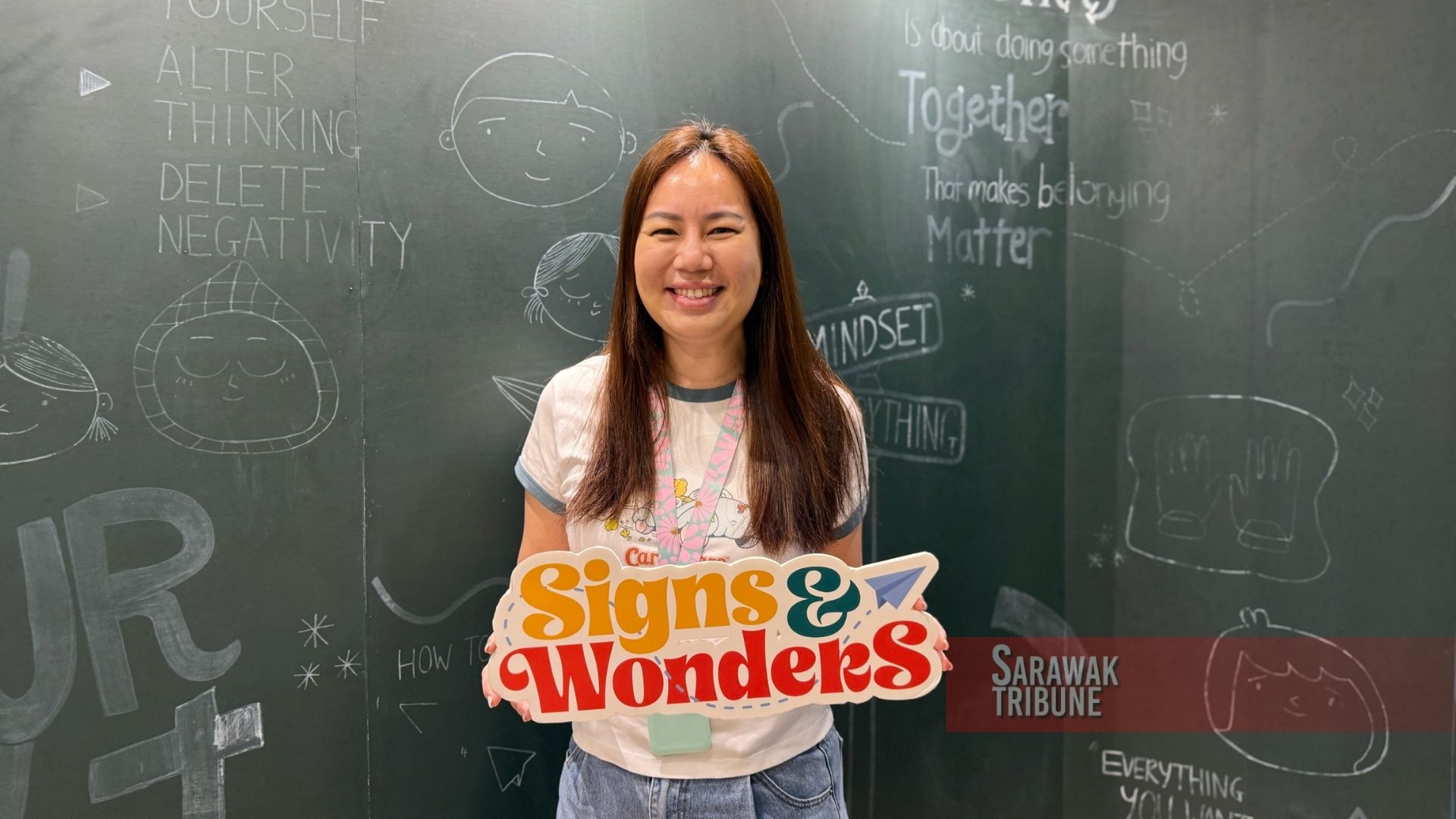
Therefore, the next challenge for many SMEs is not simply finding more customers, but rather building a sales function that can grow beyond the founder, opined global sales consultancy and training provider, Sales Geek Malaysia, Country Manager, Simon Suresh.
He further argued that structured sales strategies, stronger leadership and a more disciplined approach to managing opportunities will be critical for businesses seeking to turn growth ambitions into sustainable revenue.
Malaysia’s potential for growth
For Simon, Malaysia is not simply another market on an international expansion list. Here is a market where many businesses have already proven that they can build a customer base, develop products and generate revenue, but are now reaching a stage where the founder’s personal network and selling ability may no longer be enough to support the next phase of growth.
“Many capable businesses have now reached the point where stronger sales leadership is becoming essential to their next stage of growth,” he said.
This is becoming increasingly important as Malaysian companies look beyond their traditional customer base, whether by expanding into new states, pursuing enterprise accounts, franchising or entering regional markets.
But moving into bigger markets also changes the way a company has to sell.
“When sales stall, many founders aren’t sure whether to add headcount, change incentives, or buy more leads. A fractional sales leader diagnoses the true bottleneck first, ensuring the company builds the exact structure needed to scale,” said Simon.
And through this, Sales Geek Malaysia sees a gap that fractional sales leadership can address by bringing experienced sales expertise into a business without necessarily requiring a company to build a full senior sales function from the outset.
Simon also believes Malaysia has an advantage in its pool of commercial talent, particularly people who have experience managing teams, entering new markets and handling complex accounts.
The challenge, he said, is connecting that experience with businesses that need it while ensuring international sales practices are adapted to the Malaysian market.
“The objective is not to impose a British sales model,” he said. Instead, proven principles need to be translated into a local context where trust, reputation, hierarchy and personal relationships continue to influence how business is done.
The changing sales landscape for SMEs
As businesses struggle to make ends meet, numerous challenges include greater cost pressures, while customers have become more cautious about spending. This, Simon said, means SMEs can no longer depend solely on relationships or product quality to win business.
“Buyers are demanding clearer evidence of value, faster returns and lower risk before they commit. This makes it harder to compete purely on relationships or product quality, while competing mainly on price places even greater pressure on already thin margins,” he explained.
Furthermore, digital platforms, online research and artificial intelligence (AI) are reshaping how businesses find information and evaluate potential suppliers before speaking to a salesperson.
For SMEs, the challenge is therefore not simply whether to adopt another digital tool or AI solution, but whether that technology actually improves the way they attract, qualify and convert customers.
Simon said the growing complexity of the market is particularly evident when SMEs begin pursuing larger corporate accounts or expanding into new sectors and regional markets.
“These opportunities are attractive, but they involve longer buying processes, more stakeholders, different regulatory environments and stronger competitors. A sales approach that worked through the founder’s network in one market may not translate automatically into another,” he said.
When sales activity is not sales strategy
One of the problems Simon sees among growing businesses is the tendency to confuse being busy with having a sales strategy.
“A hardworking team, high meeting counts, and bigger marketing budgets create the illusion of momentum,” he said.
The real questions, he added, are whether a business knows which customers it should prioritise, what value it is offering them and how an opportunity should progress from initial contact to a final decision.
This distinction becomes even more important for SMEs, which typically have fewer resources and less room for wasted time and money.
A company targeting 20 per cent growth, for example, needs to know where that growth is expected to come from rather than simply setting a bigger revenue target.
For businesses operating in Malaysia’s relationship-driven environment, this can require a shift in mindset.
“Growing companies often become overly dependent on a founder or a star seller who holds all the customer knowledge. A structured strategy translates that individual insight into a repeatable system that defines how to qualify opportunities and progress deals systematically.
“The same logic applies to technology. A customer relationship management (CRM) system can track calls and proposals, but without a clear strategy behind it, you’re just getting better at recording activity,” he added.
Knowing when to step back
For many SMEs, the founder is often the company’s best salesperson. From understanding the product to knowing why the business exists, the founder has built the earliest customer relationships personally — this strength of a founder may ultimately become his weakness too.
Revealing this, Simon said that founders should know the cue to step back when their direct involvement starts delaying growth rather than driving it.
“A transition is necessary once the team depends on constant founder intervention to qualify leads, approve proposals, and close deals. In short, if revenue relies on founder effort rather than a repeatable system, the founder has become the bottleneck.”
And the warning sign comes when a sales team cannot move without the founder.
“If the founder takes a one-month leave, and the sales team cannot close deals independently, there is overdependence and delegation needs to happen before it limits company growth.”
However, the solution is not for founders to disappear from sales altogether. Instead, they need to move from closing every deal to building a system that allows others to close deals, Simon added.
“This shift must happen in stages, verified by whether sales continue without the founder’s daily oversight. Founders should still handle strategic accounts, key partnerships, and complex negotiations, but their primary job is to document their decision-making process for the team,” he said.
Growing beyond sales
As businesses move beyond founder-led selling, the challenge is also knowing where to turn for practical sales leadership and guidance.
Simon said sales leadership can often be an isolated responsibility, with founders and managers expected to make decisions on everything from pipelines and forecasting to recruitment and coaching.
“Sales leadership can be an isolated responsibility,” he said, adding that business leaders also need a space to test their decisions and receive constructive feedback.
This is where the Sales Geek Sales Club comes in, bringing business owners and sales leaders together to discuss real-world sales challenges and share experiences. Beyond peer support, Simon said fractional sales leadership can offer another option for SMEs that need senior sales expertise but are not yet ready to hire a full-time sales director.
“A fractional sales leader embeds directly within the business — setting strategy, fixing pipelines, coaching salespeople, and establishing proper sales governance to build a system the company can sustain over time,” he said.
The model can be particularly useful when a business is growing more complex, whether it is entering new markets, restructuring its sales team or moving away from founder-led selling.
Nevertheless, for Malaysian SMEs, the challenge is no longer simply about having a good salesperson, a strong network or a founder who knows how to close a deal. It is about building a sales function that can keep performing when the founder steps away.
And for a growing business, that could be the difference between simply selling more — and building something that can scale.