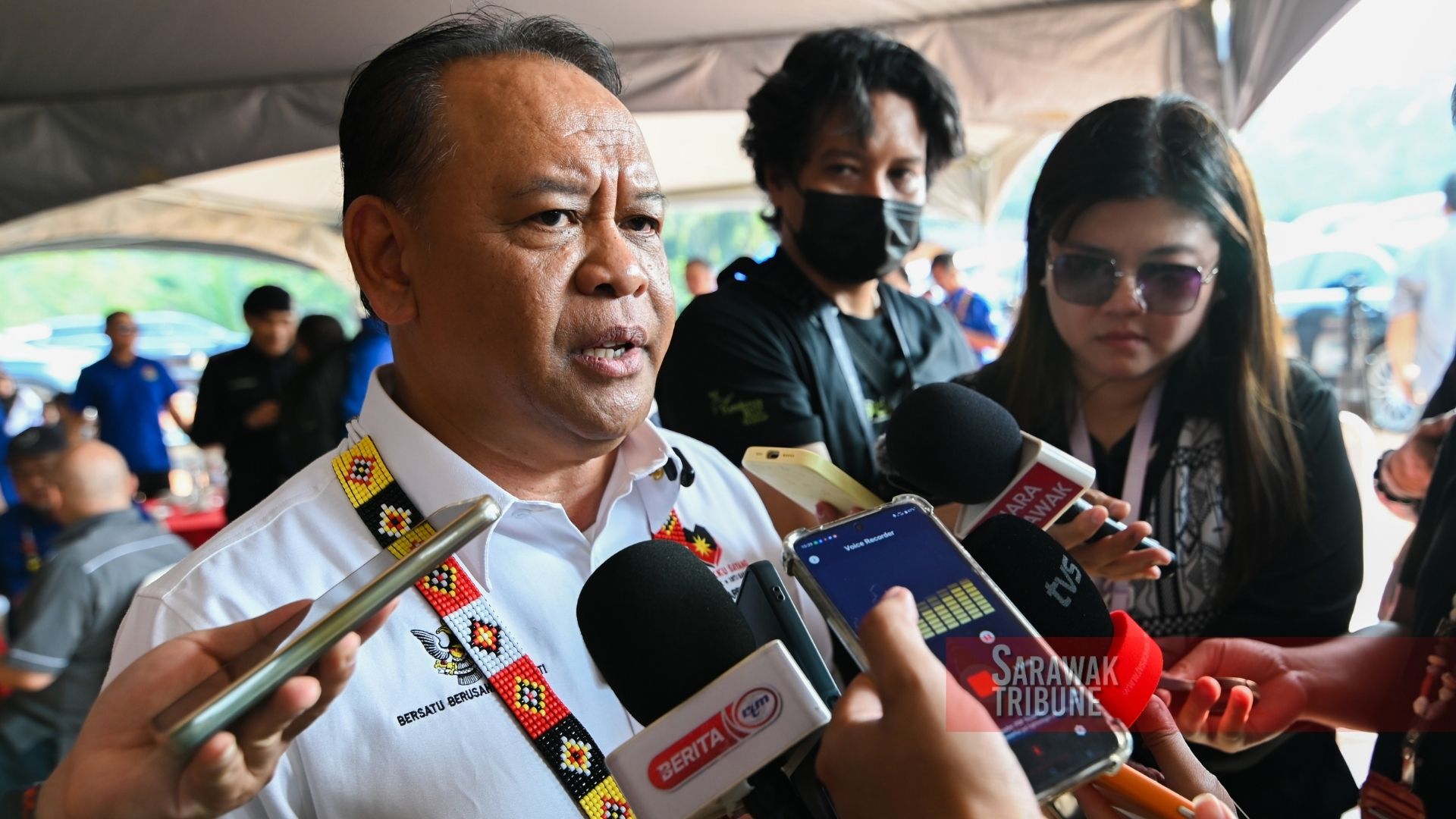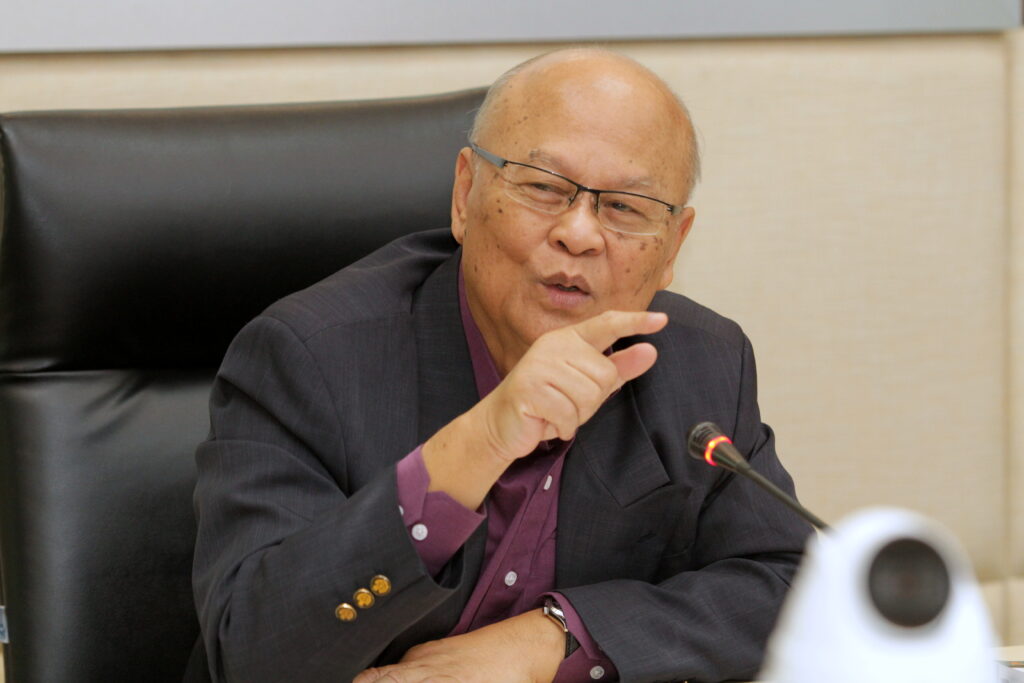
KUCHING: Political pundit Datuk Peter Minos says unity within Gabungan Parti Sarawak (GPS) is vital to safeguard Sarawak’s interests amid shifting political dynamics and possible realignments at the federal level.
He said Sarawak’s political strength depended on GPS remaining united and rallying behind Premier Datuk Patinggi Tan Sri Abang Johari Tun Openg, particularly if Barisan Nasional (BN) and Perikatan Nasional (PN) were able to secure a parliamentary majority in the next general election.
“Unity is our only defence. It is our only way of survival and doing more for our economy,” he said.
Minos said a united GPS would give Sarawak stronger political leverage in negotiations with any federal administration, regardless of which coalition eventually formed the government in Putrajaya.
He also described the current position of Pakatan Harapan (PH) as increasingly challenging, saying the coalition had only about a year to reassess its political strategy, regain public confidence and fulfil reforms it had promised.
“PH has only a maximum of one year-plus to look at itself and see what needs to be done to win voters and fulfil the many reforms it had promised to do,” he said.
Minos said speculation surrounding a possible decision by DAP to leave PH on Aug 16, coupled with the possibility of Umno also withdrawing, could further destabilise the unity government.
“If DAP decides to go out of PH on Aug16, PH may collapse immediately after that, especially if Umno too opts out. It is a really tough and sad time for PH and the unity government,” he said.
He attributed PH’s difficulties to several “self-defeating” political mistakes, including the failure to adequately address the rising cost of living.
According to Minos, the government should have considered broader subsidies for basic necessities such as rice, flour, sugar, cooking oil and milk instead of relying heavily on relatively small cash handouts.
He also cited the slow pace of reforms, perceived harshness towards political opponents, failure to sufficiently listen to Malay voters and underestimation of political rivals as factors contributing to PH’s difficulties.
“Certain words and actions from the PH side have hurt the feelings of many Malays in the peninsula. So, the Malays are trying very hard to unite. That benefits BN/PN,” he said.
Minos said PH’s recent electoral setbacks in Johor, Negeri Sembilan and Sabah had further complicated its prospects, while predicting that Malacca would also pose a major challenge given Umno’s traditional strength there.
He said PH would have to defend its strongholds, including Penang and Selangor, while PAS remained dominant in Kelantan, Terengganu, Perlis and Kedah, with Pahang continuing to be a strong Umno base.
Against this backdrop, he said predictions that BN/PN could secure at least 112 of the 222 parliamentary seats in the next general election should not be dismissed outright.
For Sarawak, Minos stressed that the lesson was clear — political unity within GPS would remain the state’s most important shield in navigating an increasingly uncertain federal landscape.