SIBU: Restoring diesel subsidies for Sarawak, devolving greater control over public health allocations and establishing a transparent formula for the state’s annual development funding are among Datuk Michael Tiang Ming Tee’s key wishes for the upcoming national budget.
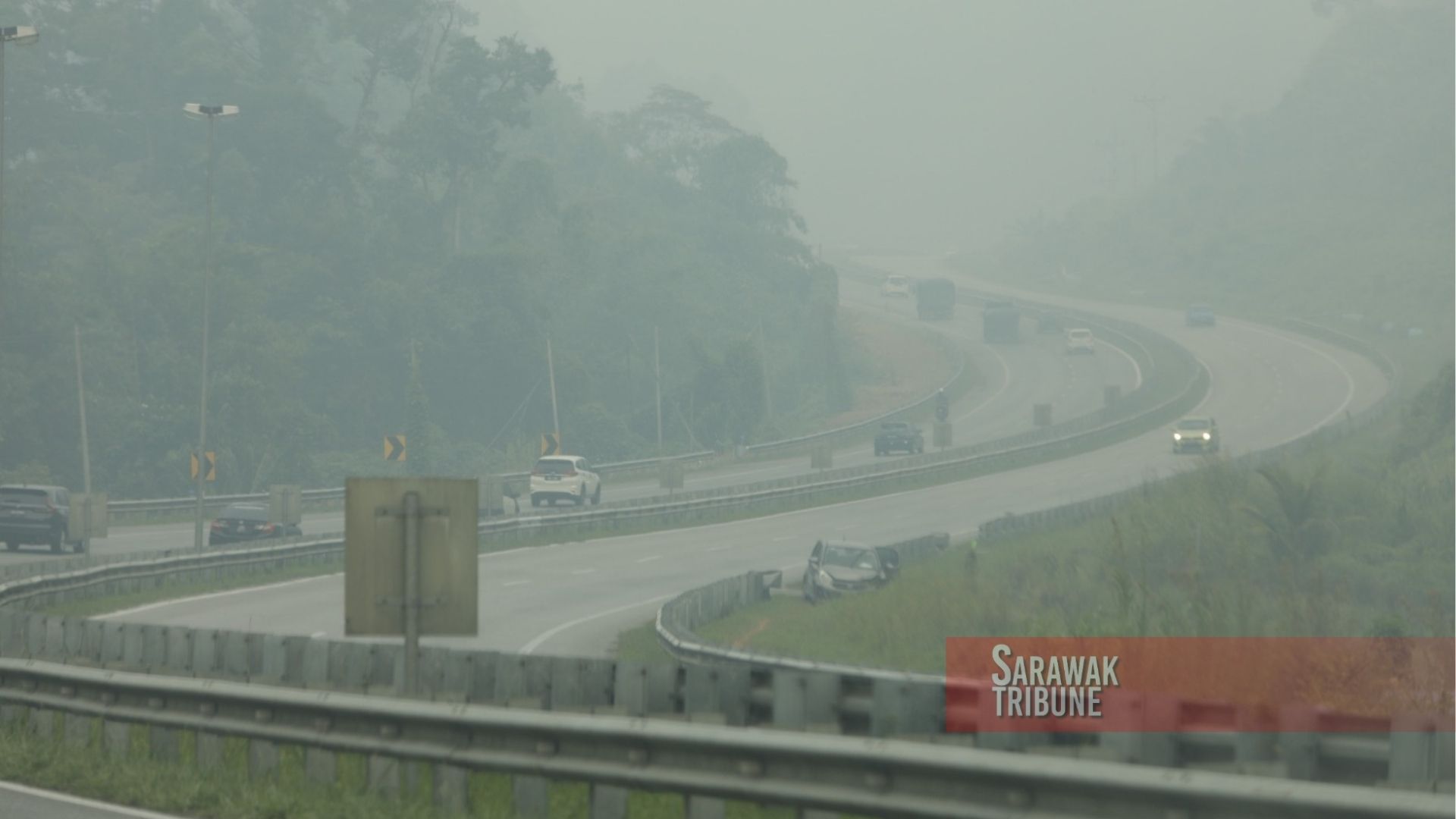
The Deputy Minister of Public Health, Housing and Local Government said the current diesel subsidy approach had placed Sarawak at a disadvantage, particularly affecting commercial operators, non-governmental organisations and religious groups whose activities often depend on transportation to maintain links between rural and urban communities.
He described the restoration of the previous diesel subsidy mechanism as his “number one plea”, stressing that affordable diesel was particularly important to Sarawak because of its vast geographical spread and dependence on road connectivity.
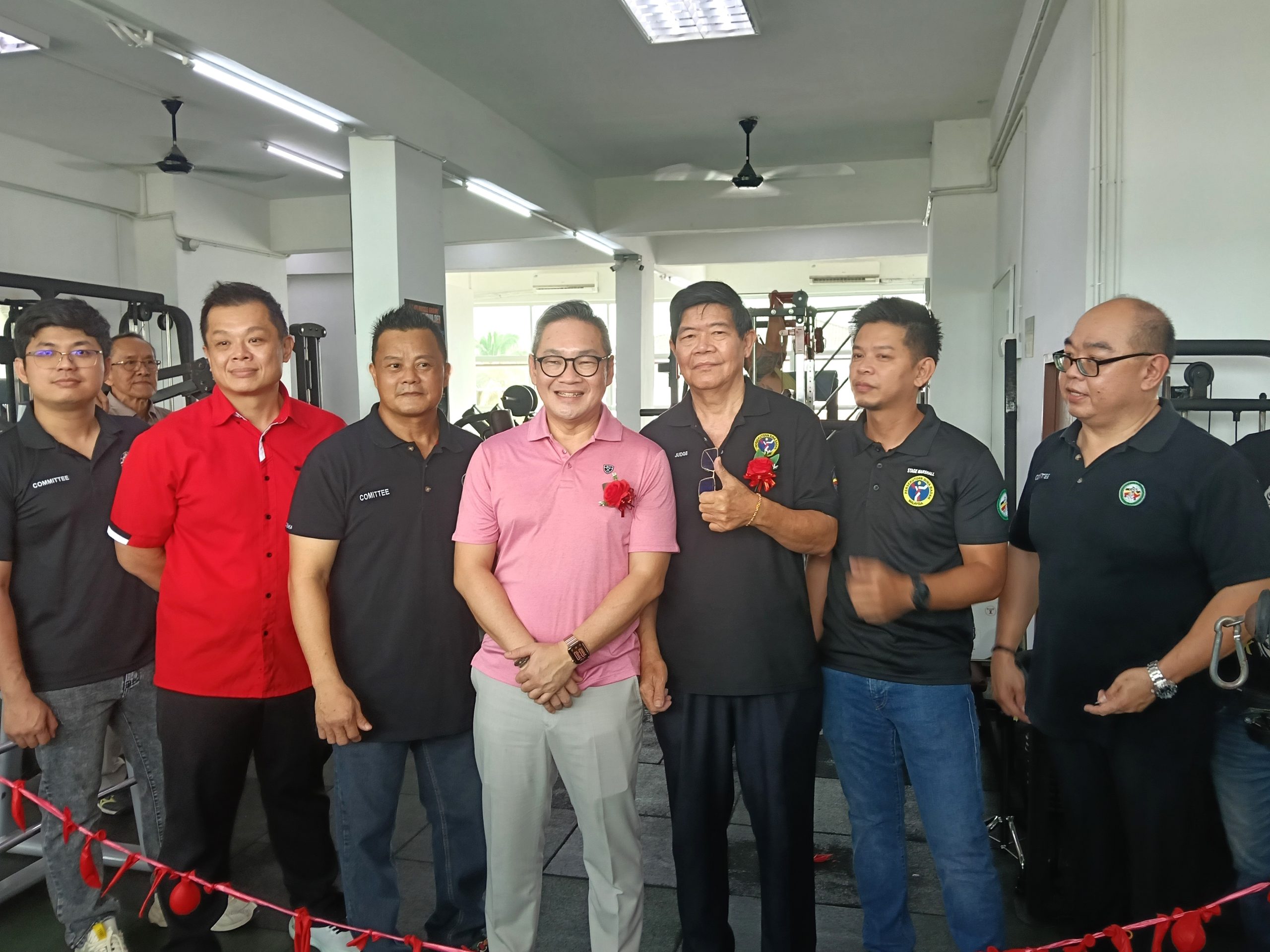
“The new diesel subsidy approach or policy is totally unfair to Sarawak,” he said when asked for his wishlist for the upcoming national budget, after officiating at Sibu Gym’s Grand Open Day organised by the Sibu Division Bodybuilding and Weightlifting Association (SDBWA) at its new premises, Jalan Igan here on Saturday.
Tiang, who is also Pelawan assembyman, said the impact was not limited to individual vehicle owners, pointing out that many organisations and operations involved in delivering services to rural communities also faced higher transportation costs.
He acknowledged Prime Minister Datuk Seri Anwar Ibrahim’s announcement allowing three vehicle owners to share the subsidy entitlement among three individuals, regardless of whether they were from the same family, but said the measure did not sufficiently address Sarawak’s broader needs.
“For Sarawak, we need to have a way to link rural and urban areas. It is very important for us,” he said.
According to Tiang, rising diesel-related costs could weaken the connectivity that underpins rural development, particularly where government services and community-based organisations have to travel long distances to reach residents.
His second request was for greater autonomy over public health funding allocated to Sarawak.
Tiang said federal allocations should be channelled to the state government with greater flexibility for local authorities to determine how the funds should be prioritised and spent according to Sarawak’s specific needs.
He argued that public health planning should not be managed entirely from Putrajaya, saying decentralised budgeting was practised in many developed countries and other jurisdictions.
“Give the budget to the Sarawak government to decide how to manage the allocation from the federal government. We make our own decisions because we know our place well and how to serve our people,” he stressed.
Tiang’s third request was for the federal government to establish a clear and permanent formula for determining Sarawak’s annual development allocations.
Backing the Premier’s call for such a mechanism, he said Sarawak should no longer have to negotiate or wait for year-end announcements to determine how much funding would be allocated.
Instead, he proposed a formula based on measurable factors, including Sarawak’s contribution to Malaysia’s revenue, economy and overall growth.
“There should be a formula, rather than pleading and guessing every year when we come to the end of the year and plan for the next national budget,” he said.
Tiang said a formula-based system would provide greater transparency and accountability while giving Sarawak more certainty for long-term development planning.
He maintained that the issue was ultimately about ensuring a fairer distribution of national resources between the federal government and Sarawak.
“We formed Malaysia together, and we should be entitled to a fair sharing of what we are entitled to and what we have contributed to Malaysia — the economy, the growth and the revenue,” he said.
Tiang said his three priorities for the coming national budget were therefore clear: restore a more suitable diesel subsidy mechanism for Sarawak, give Sarawak greater control over public health allocations, and establish a transparent and accountable formula for the state’s annual development funding.