KUCHING: Preparations are in their final stages for the state-level Iban Handicraft Competition 2025/2026 Prize-Giving Ceremony, which will be held on Aug 15 at the Riverside Majestic Hotel here.
The organising committee is currently coordinating award recipients, exhibition displays, programme arrangements and guest attendance to ensure the success of the event, which is expected to attract about 500 guests.
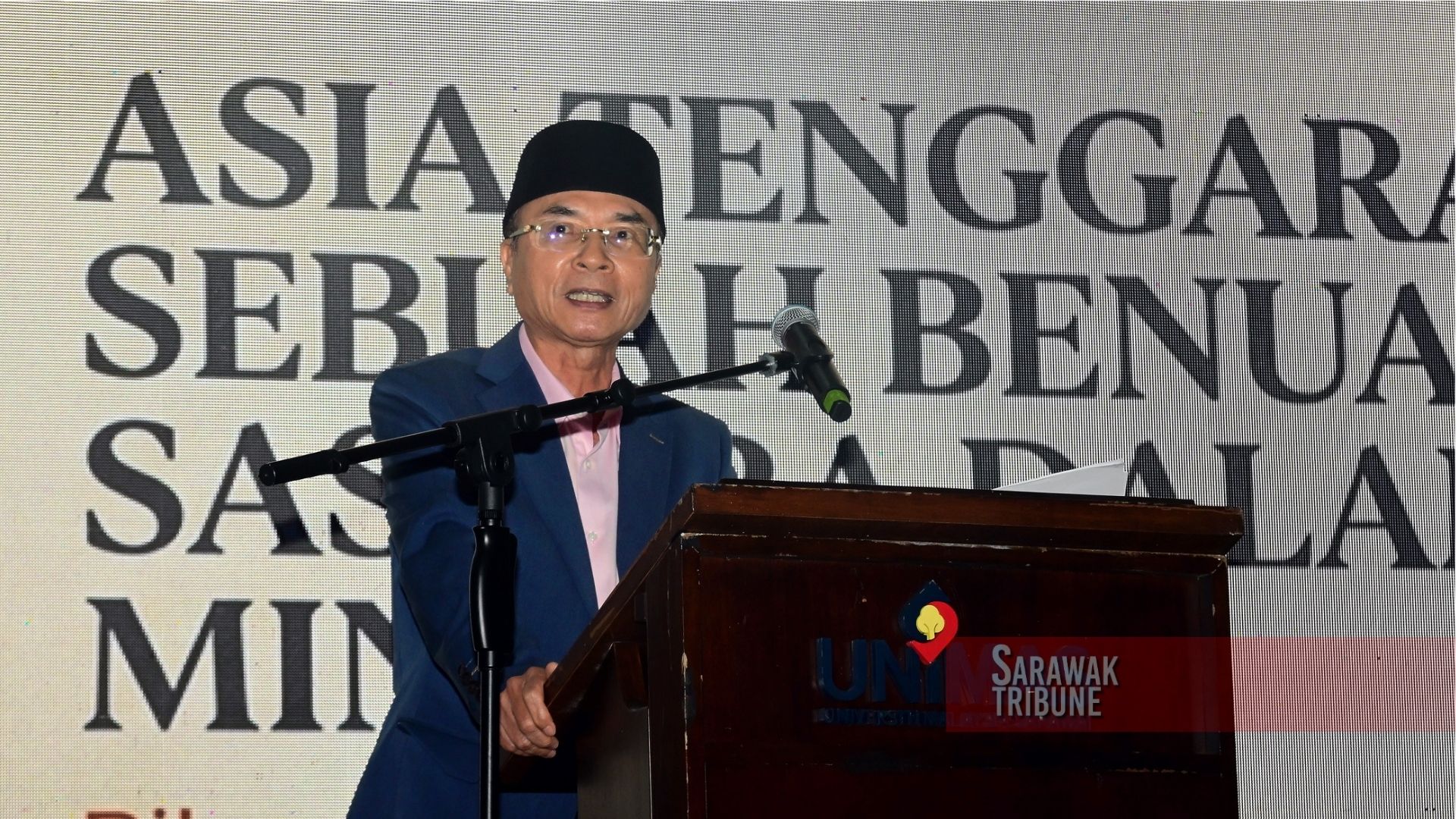
Organised by the Iban Women Charitable Trust (IWCT), the ceremony will bring together community leaders, artisans, cultural enthusiasts, government representatives and supporters of indigenous heritage. Sarawak Deputy Premier Datuk Amar Douglas Uggah Embas is scheduled to officiate the event as the guest of honour.
In addition to recognising outstanding artisans, the event will feature a special exhibition showcasing handcrafted pieces submitted throughout the competition. Visitors will have the opportunity to view traditional textiles, beadwork, ceremonial crafts and woven masterpieces that reflect the rich cultural heritage of the Iban community.
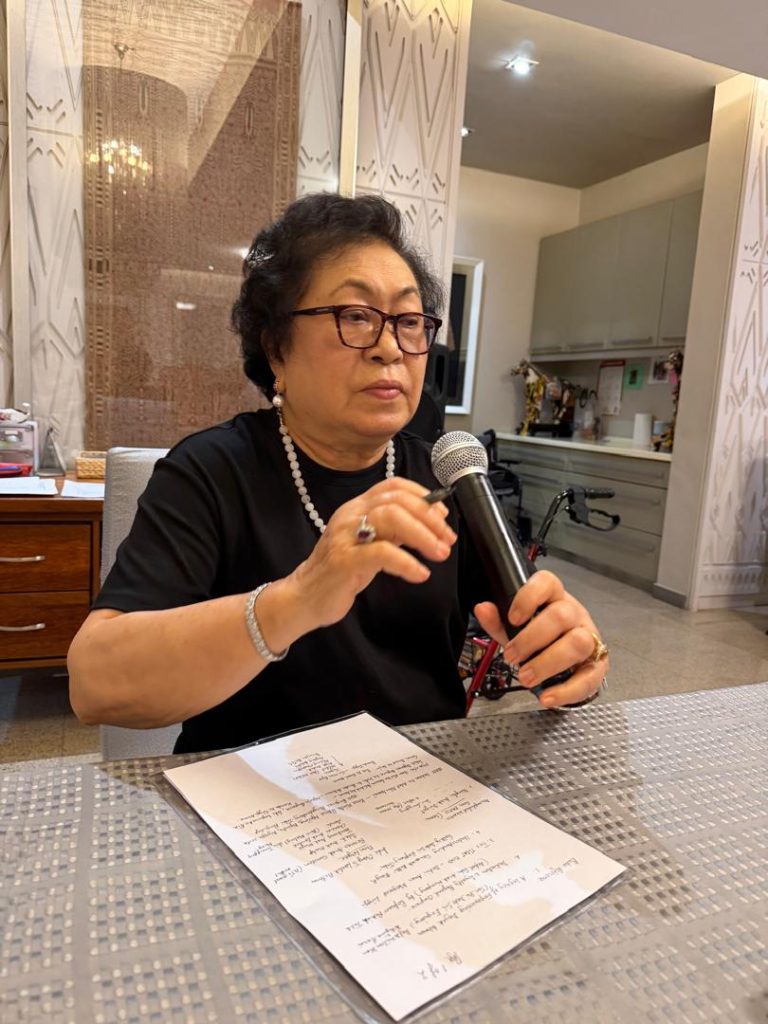
IWCT chairman Tan Sri Empiang Jabu said the competition continues to distinguish itself by placing artisans at the centre of the initiative.
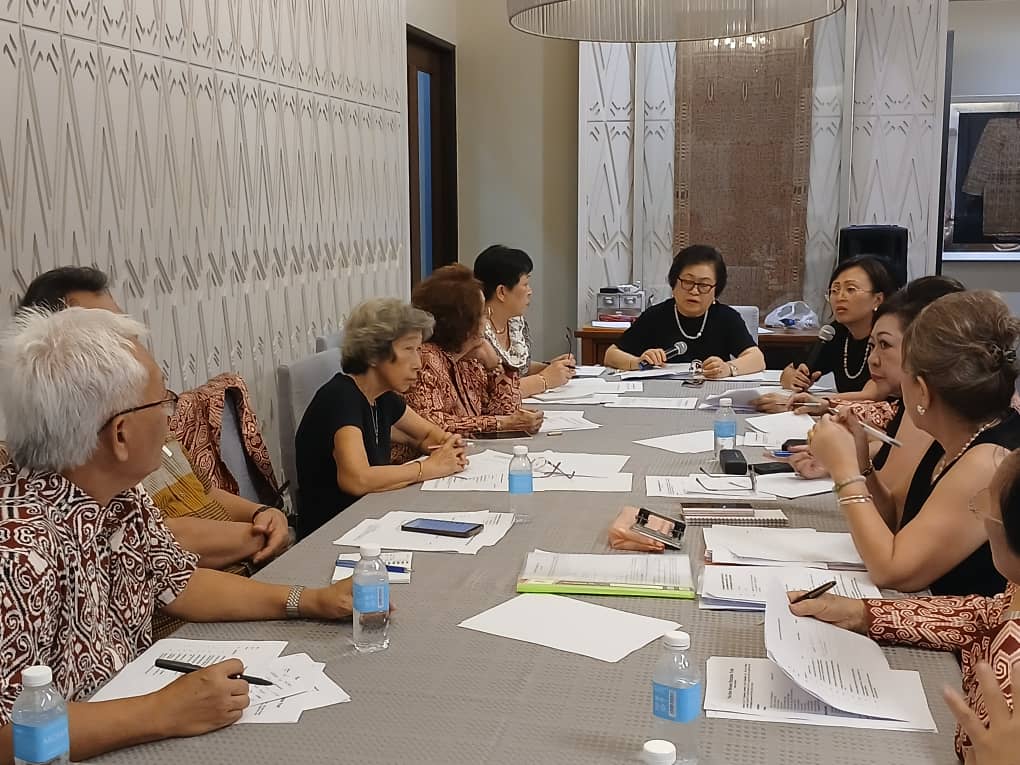
“We are proud to be the first organisation to introduce a competition where winners receive their prizes while retaining ownership of their winning handicrafts,” she said after chairing a meeting at her residence in Jalan Wan Alwi on Sunday.
Empiang said the approach differs from many other competitions, where winning entries become the property of the organiser.
“The artisans have invested countless hours, skills and passion into producing these masterpieces. They deserve not only the recognition but also the opportunity to keep what they have created,” she said.
She added that winners are free to sell their winning pieces should they wish to do so.
“If someone wishes to purchase a handicraft, it is entirely between the artisan and the buyer. The value of each piece should be determined through mutual agreement,” she said.
Empiang said the initiative not only honours traditional craftsmanship but also recognises the growing commercial value of indigenous arts, enabling artisans to transform their cultural skills into sustainable economic opportunities.
She added that the exhibition would also serve as a platform to promote greater public appreciation of Iban heritage while encouraging younger generations to preserve traditional handicraft-making practices.
The state-level Iban Handicraft Competition 2025/2026, organised by IWCT in collaboration with the Faculty of Applied and Creative Arts (FACA), Universiti Malaysia Sarawak (UNIMAS) and the Tun Jugah Foundation, attracted participants from across Sarawak in an effort to preserve and promote the rich cultural heritage of the Iban community.
The competition, which offered a total prize purse of RM75,000, awarded cash prizes to the top three winners in each category, together with consolation prizes. Winners in selected categories received top prizes of up to RM5,000.
Entries opened on Aug 18, 2025, with registration closing on Oct 18, 2025. Participants were then given until Apr 30, 2026 to complete and submit their handcrafted entries, accompanied by photographs documenting the production process to verify the authenticity of their work.
Nine categories were contested: Woven Bemban Mat (Fruit Motif), Pua Kumbu Weaving, Kebat Cloth Weaving (Women’s Traditional Wear), Karap Cloth Weaving (Women’s Traditional Wear), Marik Beadwork (Marik Empang), Traditional Iban Costume Making, Headhunter Sword (Duku Pengayau) Crafting – Women’s Nyabur, Headhunter Sword (Duku Pengayau) Crafting – Men’s Nyabur, and Headhunter Sword (Duku Pengayau) Crafting – Langgai Tingang.
The competition was organised to encourage the preservation of traditional Iban handicrafts while recognising the economic potential of indigenous craftsmanship, in line with the principles of the United Nations Declaration on the Rights of Indigenous Peoples (UNDRIP) 2007. It also aimed to provide a platform for artisans to showcase their skills, preserve cultural knowledge and generate income through their handcrafted works.