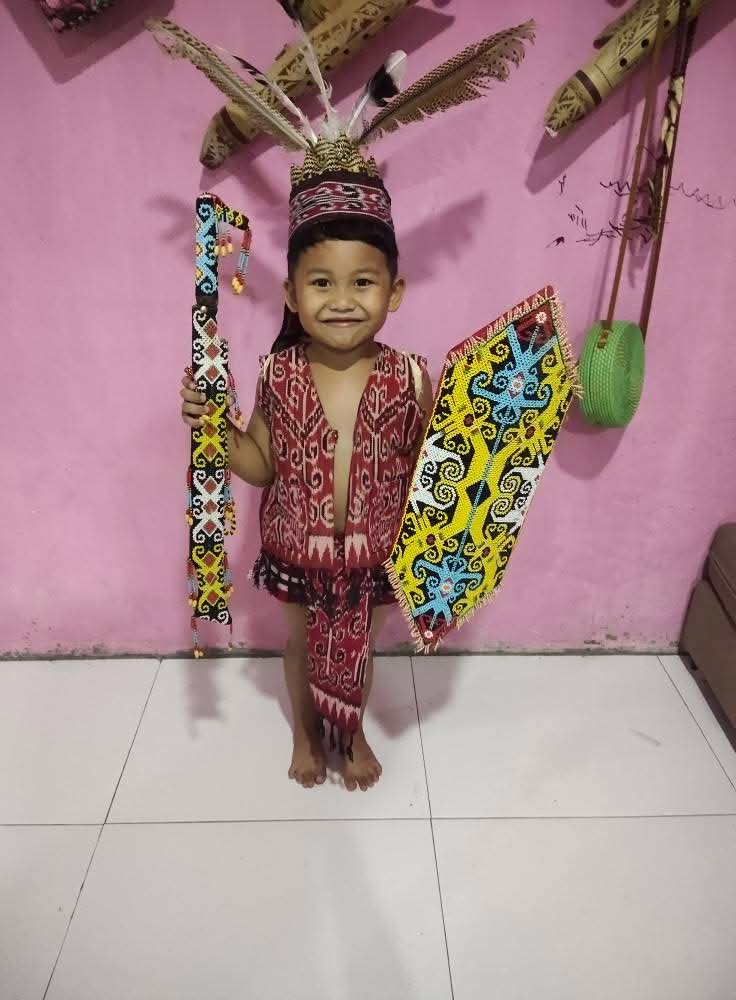
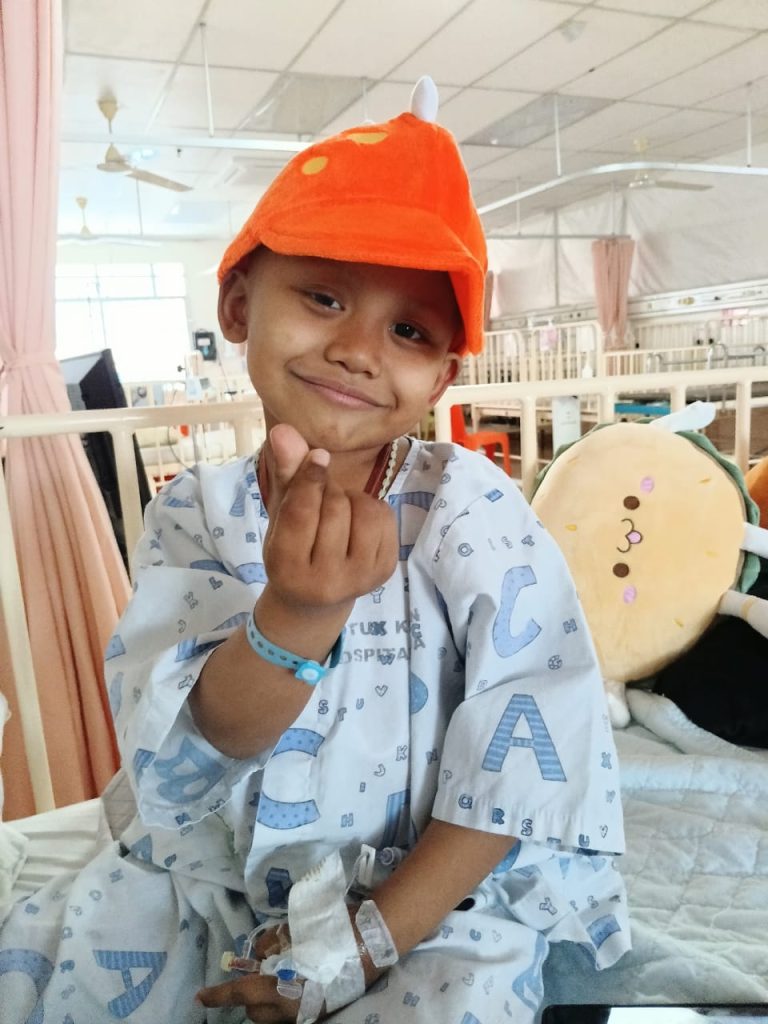
KUCHING: Six-year-old Richie Baxter dances through every daunting procedure, refusing to let stage four cancer silence his love for K-pop.
Whether undergoing stem cell collection or waiting to enter the operating theatre, dancing has helped the active and playful boy endure months of hospitalisation and intensive treatment.
Richie was diagnosed with high-risk neuroblastoma in April after an unexpected finding during a tuberculosis (TB) screening involving his family.
One of his relatives had been diagnosed with TB, prompting the entire family to undergo health checks. Although Richie had shown no obvious symptoms, a doctor detected an abnormality in his lungs.
Further examinations revealed that he had neuroblastoma, a cancer that develops in nerve tissue and primarily affects young children. By then, it had spread to other parts of his body.
The diagnosis led to an urgent journey to Hospital Canselor Tuanku Muhriz UKM in Kuala Lumpur for a transplant.
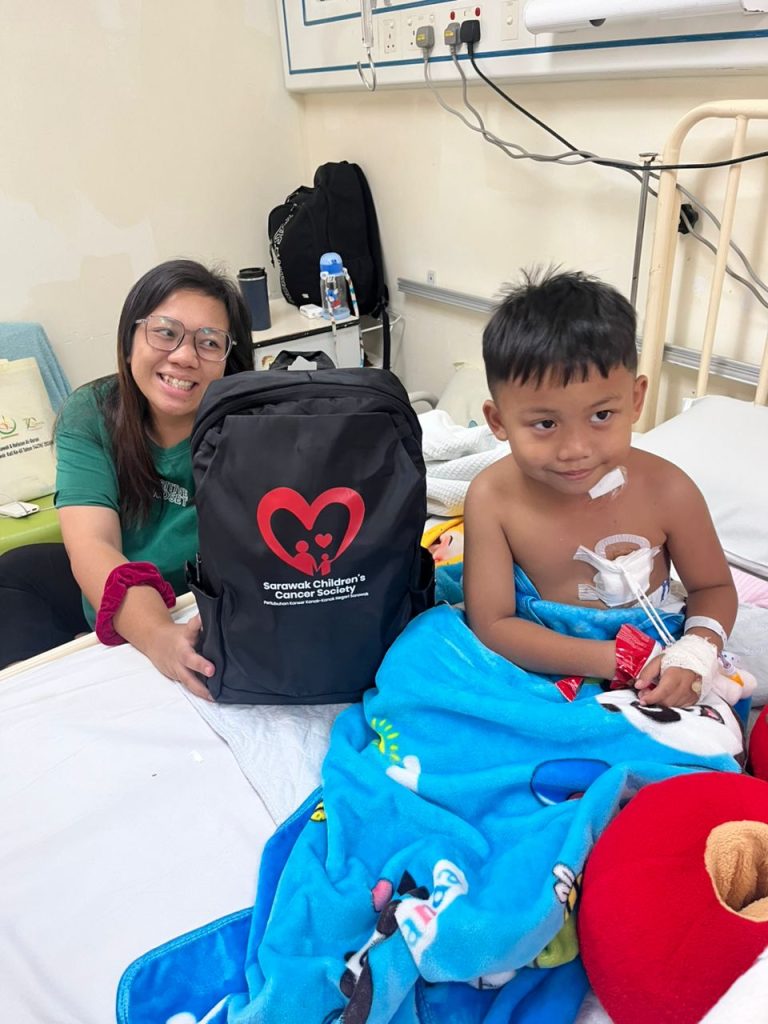
His mother, Sherolina Lutong, 34, said the journey was particularly difficult as Richie had recently undergone surgery at Sarawak General Hospital (SGH).
Still recovering and unable to understand what was happening, he often became distressed in the unfamiliar surroundings.
Sherolina also had to leave her three-month-old baby in Serian while accompanying Richie for treatment.
She gave birth just one month after his diagnosis and returned to the hospital following only two weeks of confinement.
Even while in the labour room, she said, her thoughts remained with Richie.
During the family’s extended stay in Kuala Lumpur, video calls became her only means of keeping in touch with her husband and children at home.
Sherolina also worried about Richie’s 10-year-old sister, who had become quieter as much of the family’s attention shifted towards his treatment.
Amid the strain, the Sarawak Children’s Cancer Society (SCCS) stepped in to fund Richie’s immunotherapy, surgery and transplant, as well as related laboratory tests and scans.
As of August, his estimated treatment cost stood at RM179,843.20, comprising RM59,843.20 for an autologous bone marrow transplant and RM120,000 for Dinutuximab immunotherapy. SCCS covered the full amount.
The society also arranged for a paediatric surgeon from Peninsular Malaysia to travel to Kuching to remove a tumour from Richie’s right thorax.
It covered the surgeon’s travel and accommodation, as well as the family’s meals and return flights between Kuching and Kuala Lumpur.
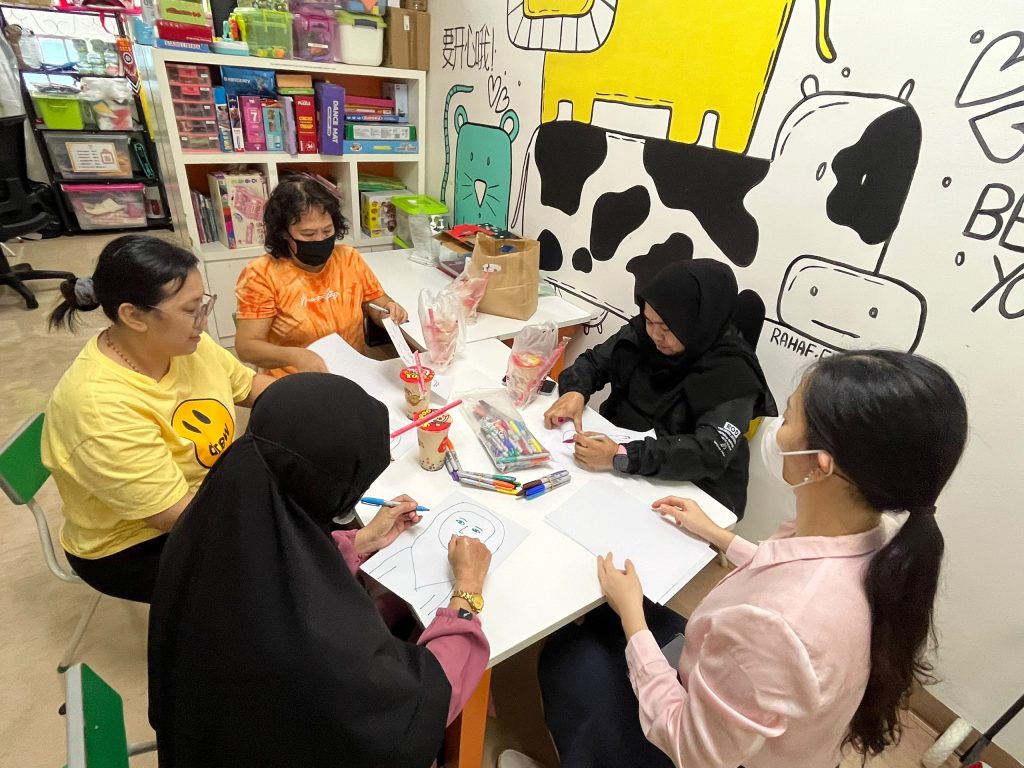
Sherolina said SCCS’ emotional support was equally meaningful, particularly its efforts to bring moments of normalcy to children receiving treatment in SGH’s Ward 2A.
The society organises birthday and festive celebrations, including for Gawai Dayak, to brighten the children’s lengthy hospital stays.
“These little things are very important because they make us feel that we are not alone and that people genuinely care about Richie and our family,” she said.
She urged other parents facing similar circumstances to continue supporting their children despite the difficulties and uncertainties of treatment.
SCCS president Mary Kiu Ai Ling said Richie’s experience reflected the challenges faced by many families with children undergoing cancer treatment.
She said the society spent about RM2 million on medical aid for more than 100 children last year—the highest amount recorded since its registration in 2001.
“Treatments today are more advanced, more targeted and more effective, but they are also significantly more expensive.
“Immunotherapy, in particular, can mean the difference between relapse and survival. We are here to make sure a family’s financial situation never determines whether their child gets to live,” she said.
Kiu said SCCS also helped families with accommodation, transportation and food, in addition to flights and weekly allowances for eligible families seeking treatment outside Sarawak.
After months of treatment in Kuala Lumpur, Richie returned to SGH on Aug 31 to continue his treatment closer to his family.
For the little boy who has spent much of the year in hospital, returning home also brings him closer to his siblings, friends and the K-pop songs that keep him dancing.