A nostalgic search through Kuching’s kopitiams and cafés in pursuit of the perfect kaya and toast – a humble breakfast classic that continues to tell stories of tradition, change and taste.
In pursuit of a simple pleasure
IT suddenly dawned on me that I had not eaten kaya and toast for quite some time. In Kuching, friends tend to call me out for laksa or kolo mee, leaving this humble classic somewhat overlooked.
It may not be the king of breakfast in the city, but kaya and toast remain a timeless staple in Malaysia. Typically served with soft-boiled eggs and a cup of strong coffee (kopi), it is a familiar offering in local coffee shops (kopitiams) as well as modern cafés.
Long before kaya rose to prominence, toast was enjoyed simply with butter and a sprinkle of sugar. Its transformation came with the arrival of Chinese immigrants to Nanyang, who developed kaya – a sweet, creamy spread made from coconut milk, eggs and sugar.
One popular account traces the origins of kaya toast to Hainanese immigrants working aboard British ships during the Straits Settlements era. In the absence of fruit jams, they created kaya as a substitute. As these communities later settled across Southeast Asia, particularly in Malaysia and Singapore, the habit of eating kaya and toast took root.
By the post–World War II period, around 1945, kaya and toast had firmly established itself as a breakfast fixture in kopitiams, becoming part of the region’s enduring food culture.
In my school days, white bread was not machine-made but kneaded by hand and baked in wood-fired ovens, which gave it a distinct texture and aroma that is difficult to replicate today. I remember having to slice off the crust before toasting the bread.
Today, most bread is factory-produced, and that old-world charm feels increasingly distant. I still miss the traditional bakery in Padungan, where we used to queue for loaves of white bread, butter buns and coconut buns. The shop has long since closed, making way for trendy cafés – a quiet reminder of how much the city, and its tastes, have changed.
Sellers today use electric grills or toasters instead of traditional charcoal fires, though a few cafés still hold on to the old methods. If you are hunting for good kaya toast in Kuching, you are in luck.
Kaya and toast run
Over a few days, I went on a quiet hunt across Kuching, trying different sets of kaya toast recommended by friends. Everyone has their own idea of the perfect slice. Some swear by tradition, others by texture, and a few by sheer nostalgia.
My first stop was one of the city’s well-known old-school spots. I arrived expecting the usual morning hum, but instead found a rather sleepy scene. No one else seemed to be having kaya toast, and I was the only customer ordering from a toast server who looked faintly disappointed when I asked for just a single slice.
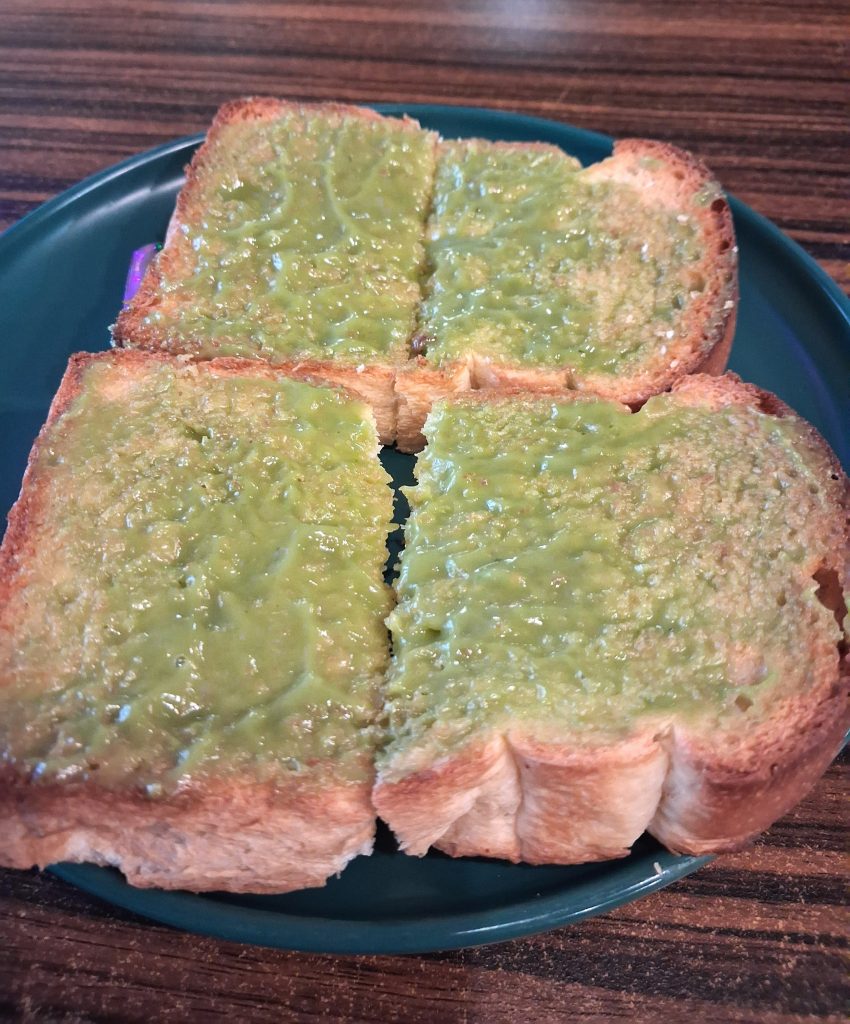
A small charcoal fire glowed nearby, raising my expectations. I anticipated that unmistakable toasty aroma, but none came. When the toast arrived, it lacked the crispness I had hoped for. The bread itself did not appear well baked and proved rather tough to chew.
As for the kaya, it was a letdown. It was pale and overly sweet, lacking the rich, eggy depth I associate with a good spread. One bite was enough. I shall not name the establishment, but it was clear that it no longer drew a crowd.
The next stop was in the evening – an unusual time for kaya and toast – but Sunnydale 1928 Café at the Chemsain Building came highly recommended after a busy afternoon of fashion shoots.
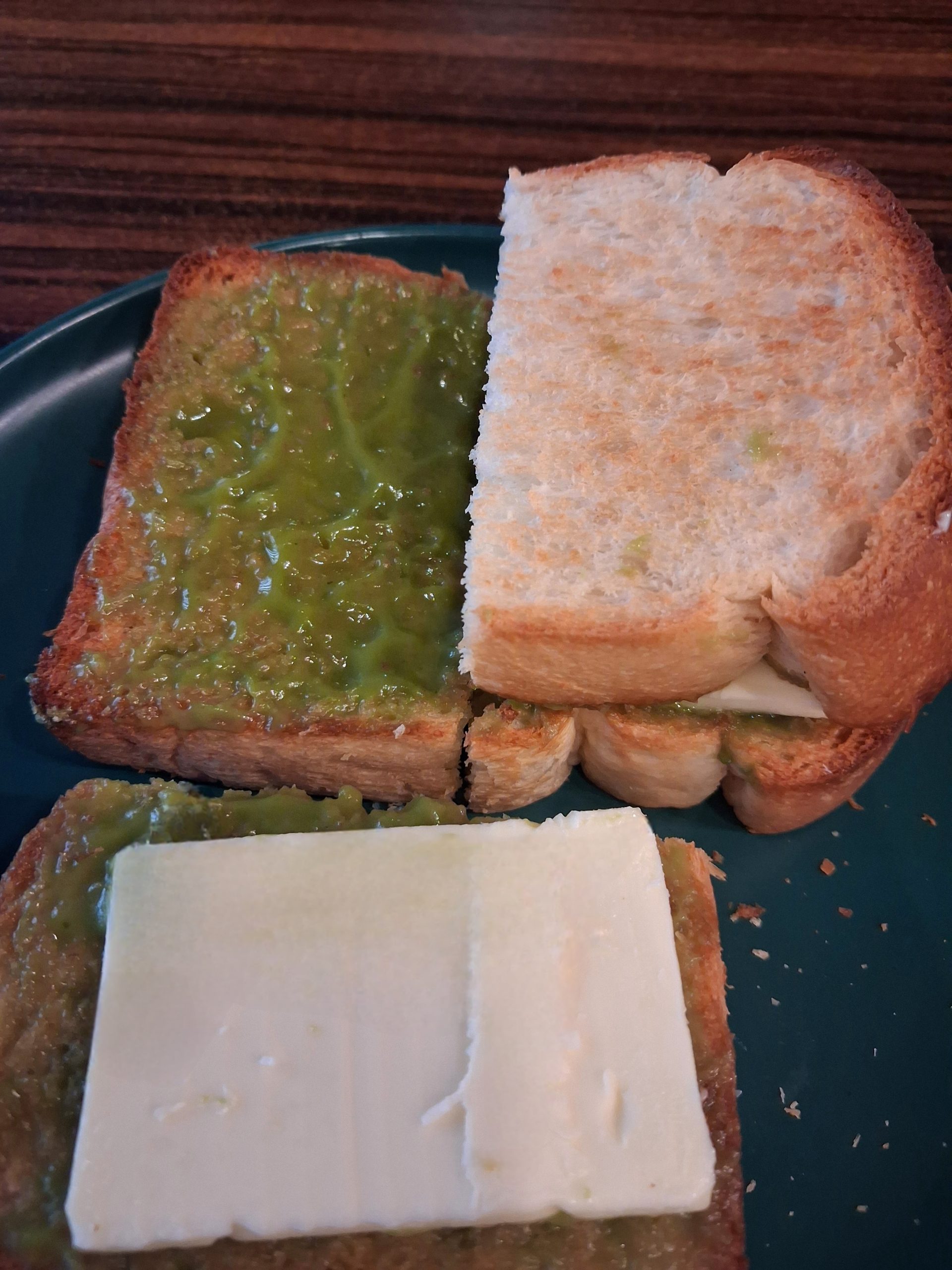
My order arrived quickly, and I was pleasantly surprised. The bread was cut thick and toasted to a satisfying crisp, yet remained light and airy in the middle. Each bite carried that contrast of crunch and softness that defines a good toast.
The kaya had a distinctly homemade taste – rich, fragrant and not overly sweet. Paired with a generous slice of butter that melted gently into the warm bread, it was simple, comforting, and exactly what I had been hoping to find. It is no wonder the dish is served there all day.
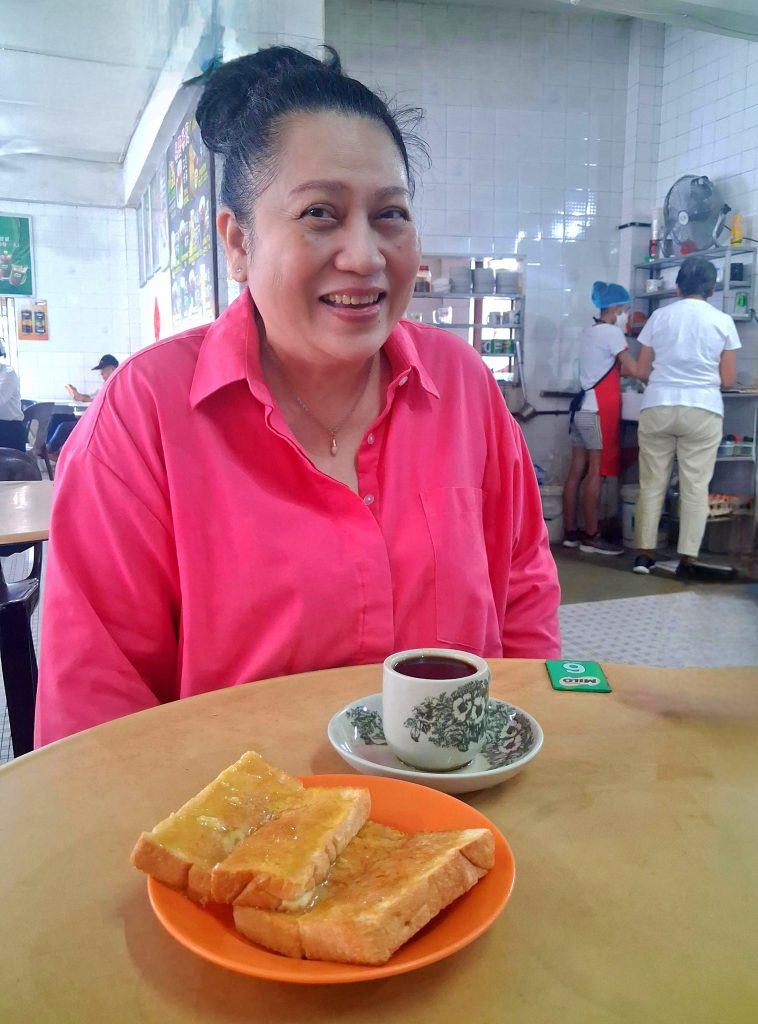
The next morning, it was toast time again at the familiar Choon Hui Café, long known for its brush with fame following Anthony Bourdain’s visit for Sarawak laksa. The place was bustling, filled with a mix of generations – from baby boomers to Gen Y – many of whom seemed to treat kaya and toast as a side order rather than the main event.
The toast here was fine: thinner slices, lightly crisped, with decent kaya. Yet, what stood out more was the atmosphere. The café carries the nostalgic charm of an old kopitiam, the kind that feels unchanged by time.
An old clock, made in Japan, still ticks away on the wall like a quiet witness to decades gone by. At over 60 years old, it is this sense of history, more than the toast itself, that lingers and completes the experience.
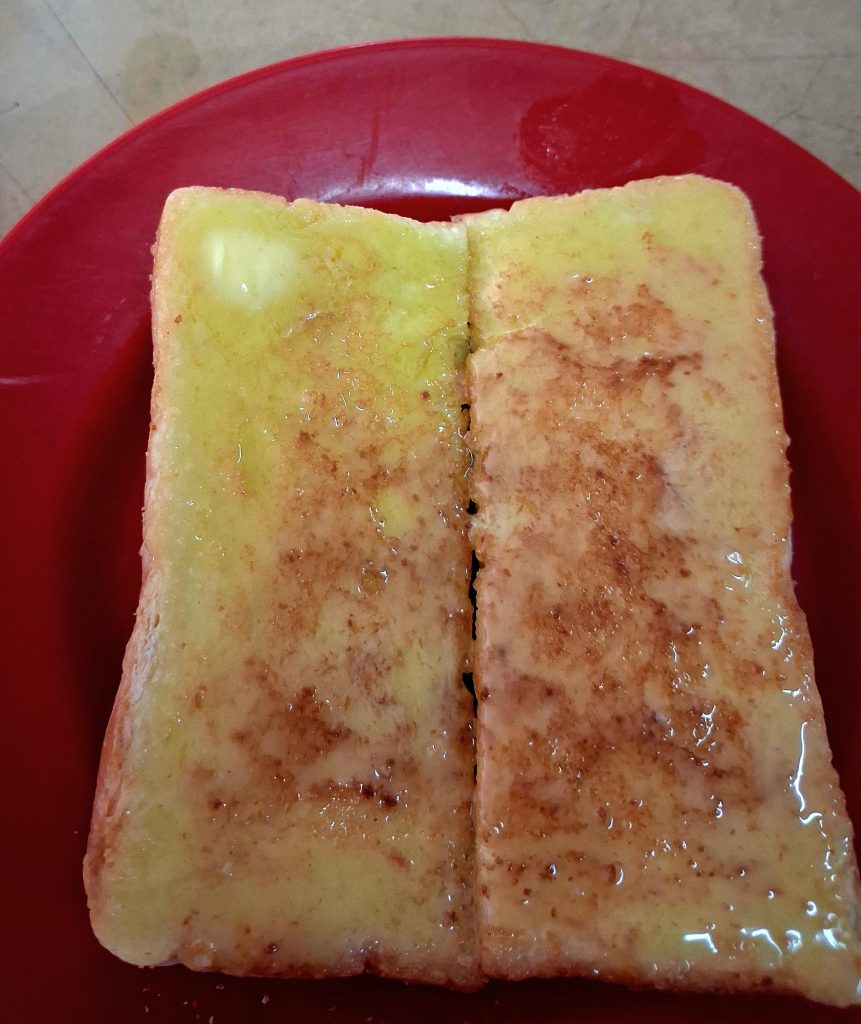

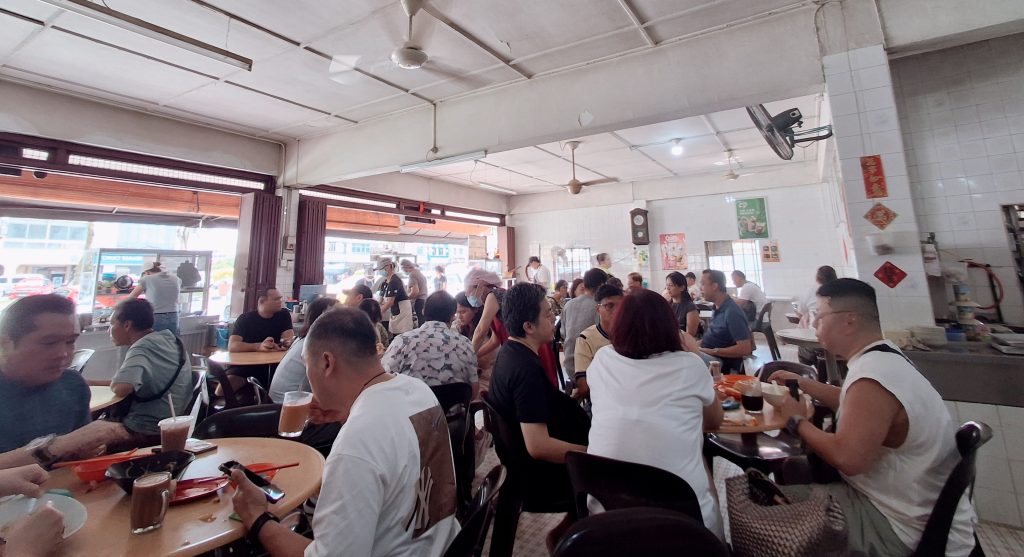
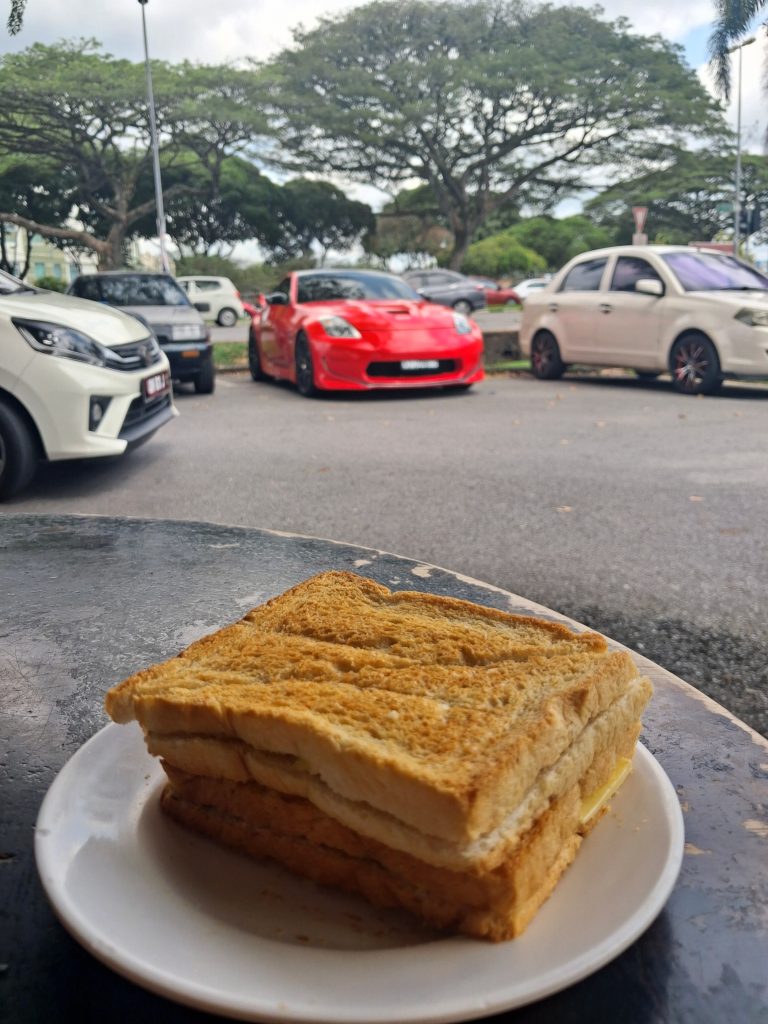
My last stop was Joo Seng, an old kopitiam that remains hugely popular for its variety of food stalls, including kaya toast. The thin, crisp bread had butter and kaya tucked neatly in the middle like a sandwich – simple and tasty, even as traffic hummed past our table.
And so, do I need to eat more kaya and toast? Perhaps not for now. I leave that pleasure to you. Wander through Kuching and discover your own favourite among its many familiar – and fading – kopitiams, as well as its newer, more fashionable cafés.