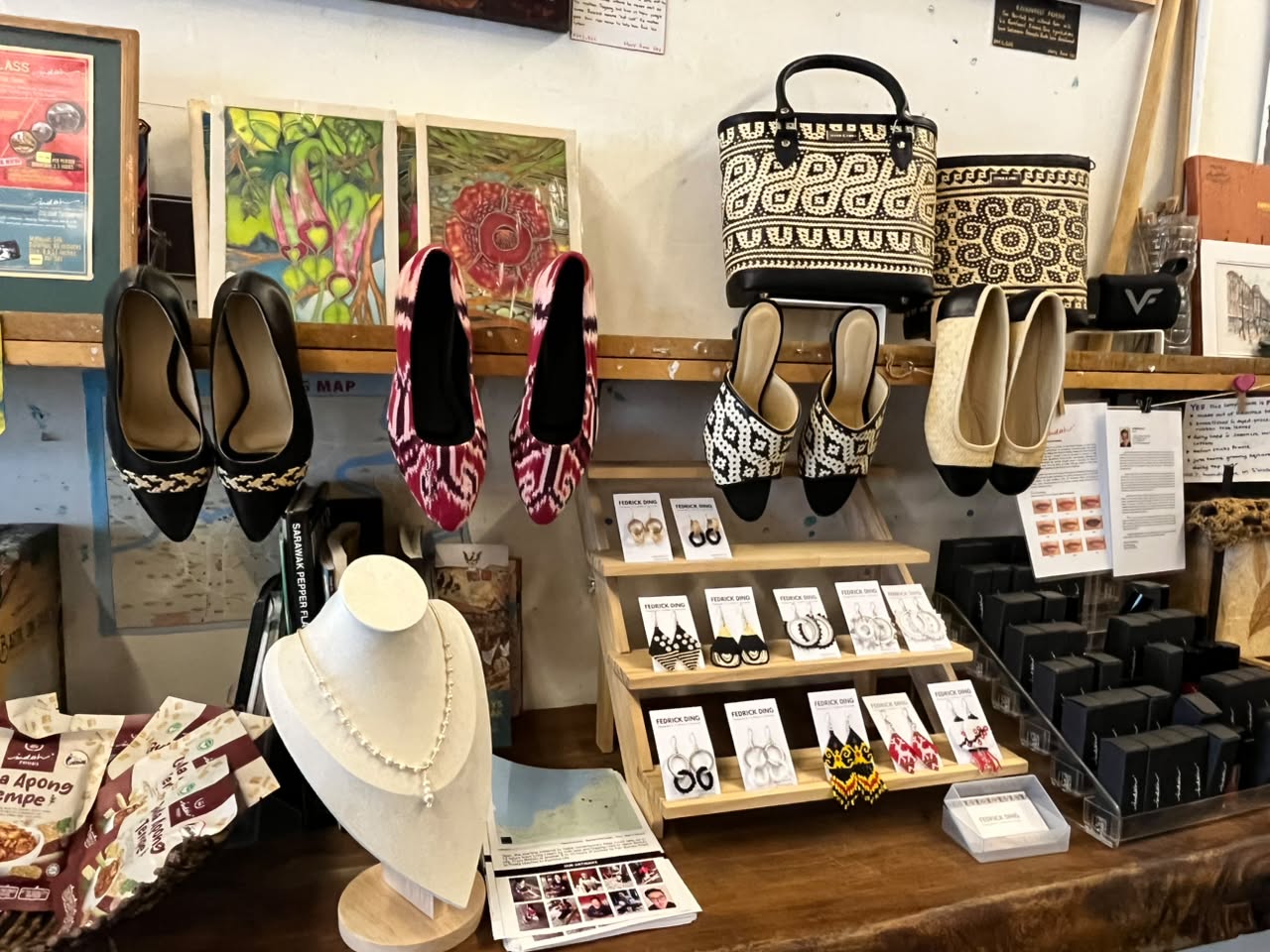
For 31-year-old Fedrick Ding, rattan is more than just a material, it is a family legacy woven into his identity. The Kayan artisan has reimagined the traditional craft into contemporary bespoke creations, building a brand that celebrates Sarawak’s heritage while appealing to clients seeking handcrafted bags, footwear, and jewellery.

Venturing into the rattan business during the end of COVID-19 pandemic with his parents’ investments, the Kayan entrepreneur’s intricate weaves proves that traditional craftsmanship of ajat (cylindrical backpack) can evolve into contemporary art while creating sustainable opportunities for local artisans.
Growing up in a family involved in weaving and supplying rattan materials, he would accompany his grandfather deep into the forest to harvest rattan, often helping to transport cartloads of the material back home.
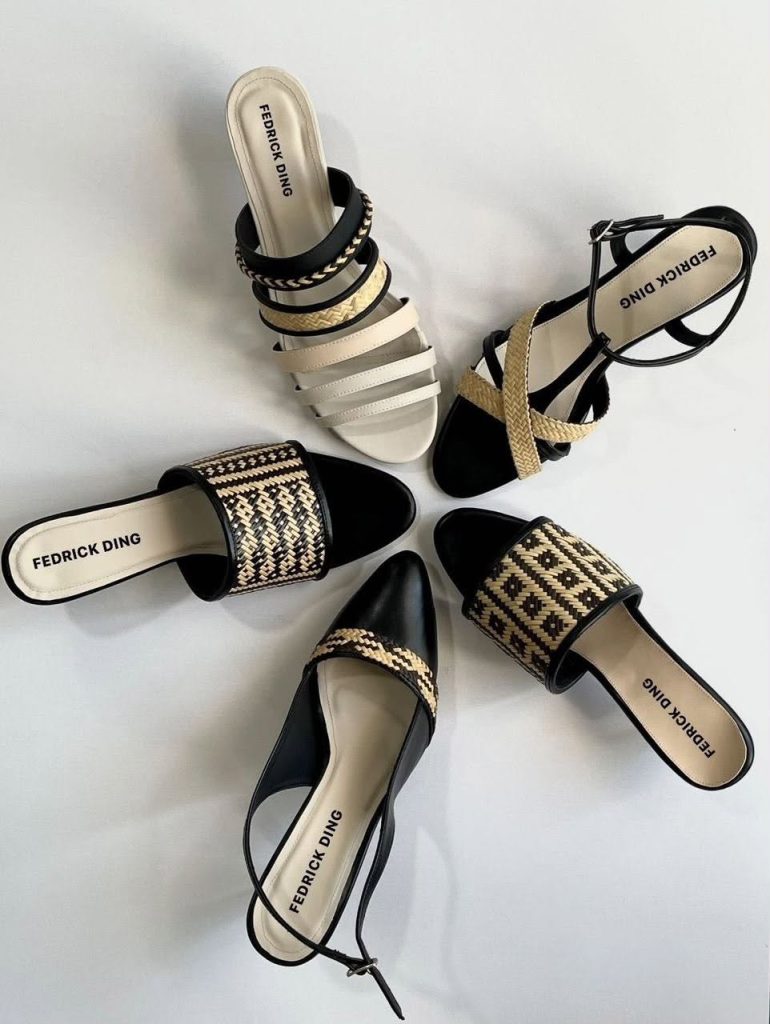
With years of experience in rattan weaving behind him, he has now expanded his craft into shoemaking, honing his skills under the mentorship of world-renowned Malaysian fashion icon Professor Datuk Dr Jimmy Choo, Officer of the Order of the British Empire (OBE) and learning the intricate techniques behind handcrafted footwear.
His growing presence on social media has also gained traction online, attracting admirers from abroad who are willing to travel to his atelier located above Indah Café, a vibrant hub for local arts and culture on China Street in Kuching.
In this exclusive with Sarawak Tribune, Fedrick Ding shared his journey of elevating traditional rattan craftsmanship into contemporary luxury while preserving its cultural roots.
Sarawak Tribune: Many know you today as a rattan artisan and entrepreneur, but how did this journey first begin?
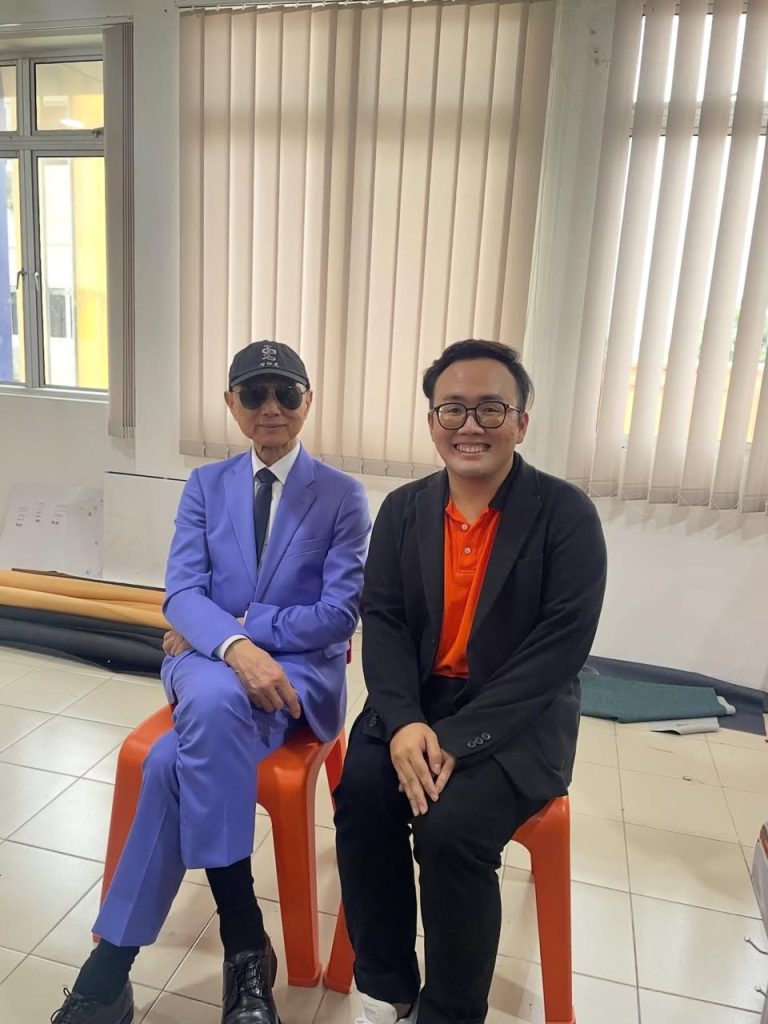
Ding: After the COVID-19 pandemic, I was juggling my role as a Chemistry teaching assistant at Universiti Teknologi Mara (UiTM) Samarahan, running my business and pursuing my master’s degree. Eventually, the workload led to burnout, leaving me exhausted and unmotivated for nearly three months.
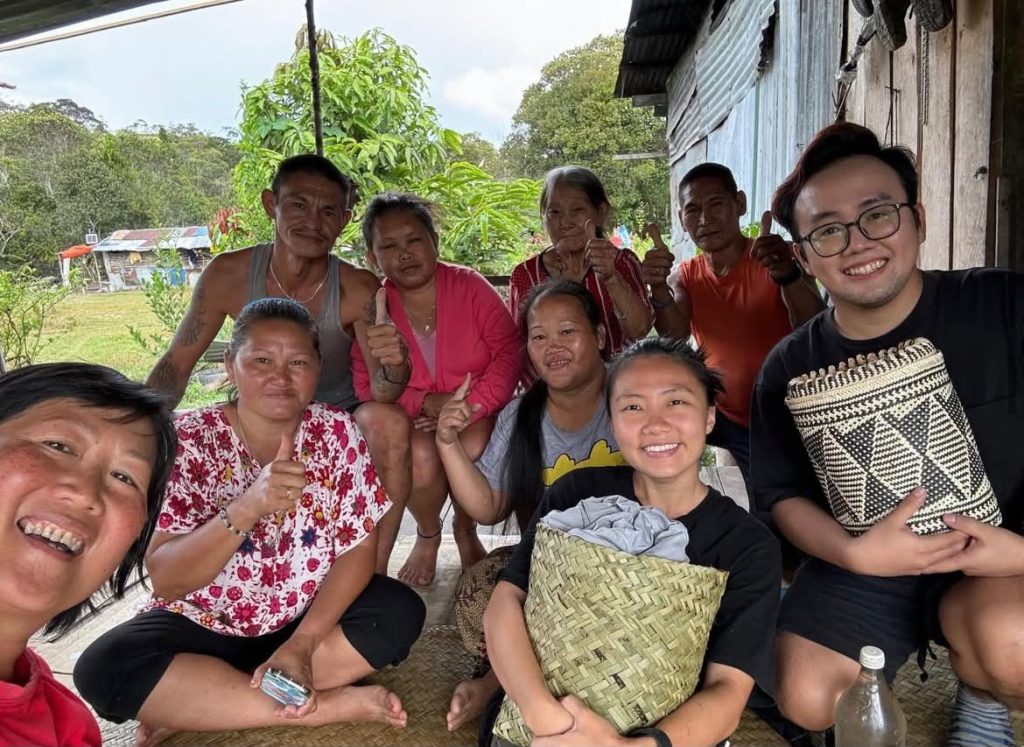
Then one day, my 86-year-old uncle who is a rattan weaver called me because he needed money to send his children to school. He asked if I could buy the rattan he had harvested. That moment became a turning point for me, reminding me that the work I do is not just about selling products but also about supporting the livelihoods of artisans who depend on this craft.
Whenever I feel like giving up, I think about the people who rely on me. If they cannot sell to me, they often have no choice but to deal with middlemen who bargain down the price of their work.
I’ve worked hard to build a market for these products, and I continue because I genuinely love the craft. More importantly, if no one carries this tradition forward, the younger generation may never realise that this rich heritage exists in Sarawak.
Your atelier is tucked in a busy historic spot and your products are mainly made on a pre-order basis. How did you build exposure for your business?
As my business gained more visibility online with increasing sales through digital platforms, people encouraged me to apply for a social enterprise grant because they saw my role as a bridge between the villagers and the market.
My goal is to help local artisans innovate their products and connect them with a wider customer base. That motivated me to apply for grant funding, and last year, I received the Hasanah Social Enterprise Grant from Yayasan Hasanah.
However, I set aside only a portion of the funds for my own business as a backup. The grant was primarily intended to benefit the villagers I work with, so the remaining was sufficient for my operations. We are now waiting for another round of funding so we can continue sustaining and expanding the cycle.
You have recently expanded into shoemaking under the guidance of Professor Jimmy Choo. How did that opportunity come about?
While waiting for my master’s convocation last year, I enrolled in the Certificate in Shoemaking Artisanry programme at the Centre of Technical Excellence Sarawak (CENTEXS), where I was mentored by Professor Jimmy Choo.
He taught us the fundamentals of shoemaking, from moulds and shoe shapes to market trends and consumer preferences. I joined because no one was really making bespoke shoes in Sarawak, and I saw an opportunity to fill that gap.
Unlike Jimmy Choo, who designs with market trends in mind, I create for the sake of art. Just like my rattan bags, I do not have a target market in mind, I make pieces for people who appreciate craftsmanship and connect with my work.
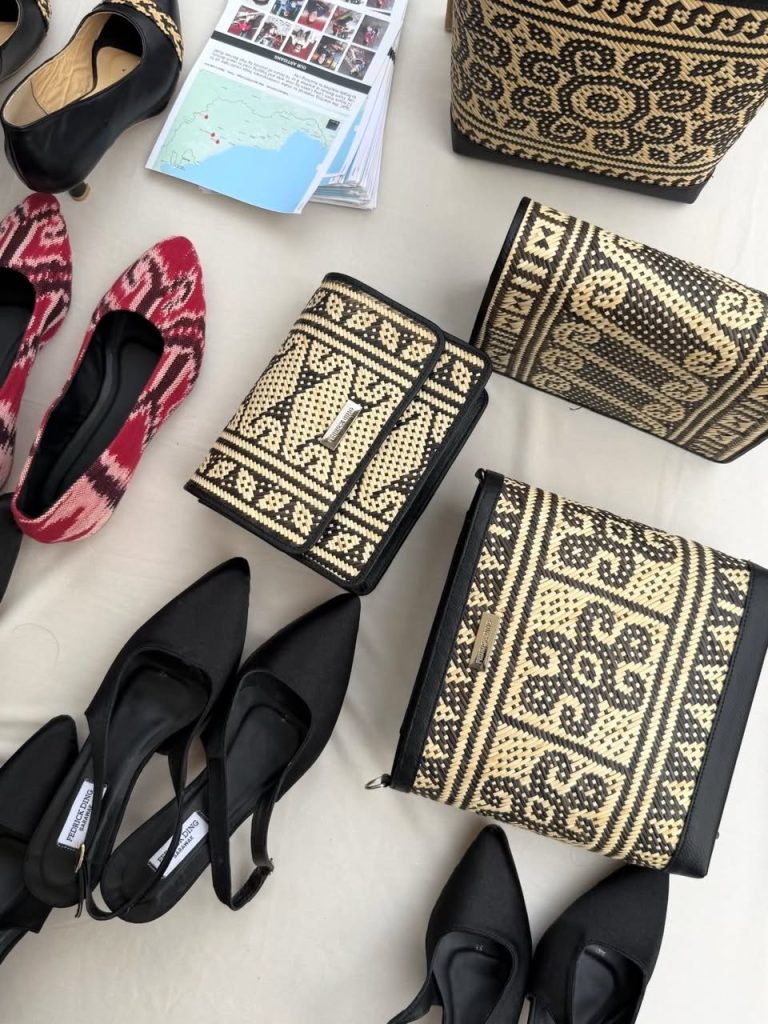
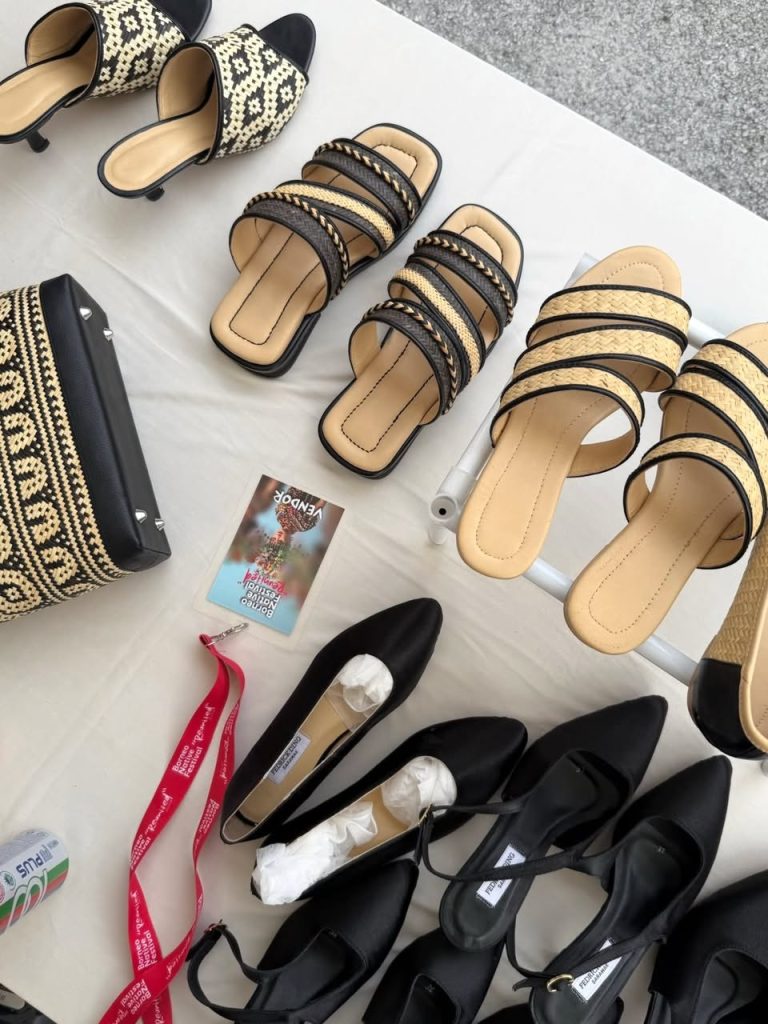
What inspires your products designs, and how do you incorporate Sarawak’s cultural heritage into them?
My designs are inspired by the natural qualities of rattan itself as it behaves differently depending on its type, so I always try to maximise its potential through the most suitable weaving techniques.
Each rattan variety lends itself to different patterns, and every design I create is made with intention, often incorporating elements of Sarawak’s cultural heritage in which I combine Orang Ulu and Dayak motifs. For example, I originally wanted a bag’s design to feature a daun ubi motif, but because the rattan strands were too thick, it naturally evolved into a four-petal floral pattern instead. Although unplanned, it became a unique design in its own right.
For me, every piece should tell the story of the material and where it comes from. The rattan I use is sourced from Linau in Belaga, while I also work with other traditional materials such as bemban, keringkam, songket, deer skin, sheep skin and Pua Kumbu fabric sourced from Sintang, Kalimantan.
What are the toughest challenges you face as your brand grows?
My customers are mainly from Kuala Lumpur, and I also have foreigners who are willing to fly here to purchase my bags, especially those who support vegan leather. However, I often explain to them that rather than rejecting leather entirely, it is better to use it sustainably, as the meat industry exists and materials should not go to waste.
At the same time, I’m concerned about the long-term supply of rattan, which takes up to eight years to mature, so I’m gradually incorporating leather into my work.
Other than that, the main challenge is not promotion, but perception. In some places, especially locally, people take this rattan craftsmanship lightly, and fashion is not yet fully appreciated. However, when I participated in the Borneo Natives Festival in Central Market, KL, I gained many new clients. Ultimately, it’s about awareness, whether people understand the workmanship and are willing to support it, because there are months where I don’t have any clients at all.
What is your long-term vision for your brand and for the future of Sarawak’s rattan industry?
One of my biggest hopes is for greater support for small artisans and independent entrepreneurs. I hope initiatives such as a mobility fund could help cover travel and accommodation costs for those looking to promote and sell their products overseas.
I’ve been working closely with the Sarawak Craft Council, Sarawak Tourism Board and the Ministry of Tourism, Arts and Culture (MOTAC) Sarawak to seek more opportunities for local artisans. Many micro-entrepreneurs struggle to make a sustainable living and have sacrificed stable career opportunities to keep traditional craftsmanship alive.
More support is needed for independent entrepreneurs, as we don’t have a fixed monthly income and work on very small profit margins. I am also working closely with village artisans who are weavers, and if I can’t continue buying from them, they lose a key source of income. We want to grow together, but sustaining the business is still a challenge.