KUCHING: Excitement fills the air as eager crowds gather, eagerly anticipating a spectacle that transcends cultures and brings boundless joy to all who witness it.
What draws them here is the enchanting lion dance – a tradition steeped in history and significance.
Their eyes eagerly follow the graceful movements of majestic lions adorned in intricate costumes, their every step a testament to centuries of tradition and cultural heritage.
The lion dance needs no introduction. Its roots date back to ancient China, where legend intertwines with history to tell the tale of a mythical creature – a lion, revered for its strength and courage.

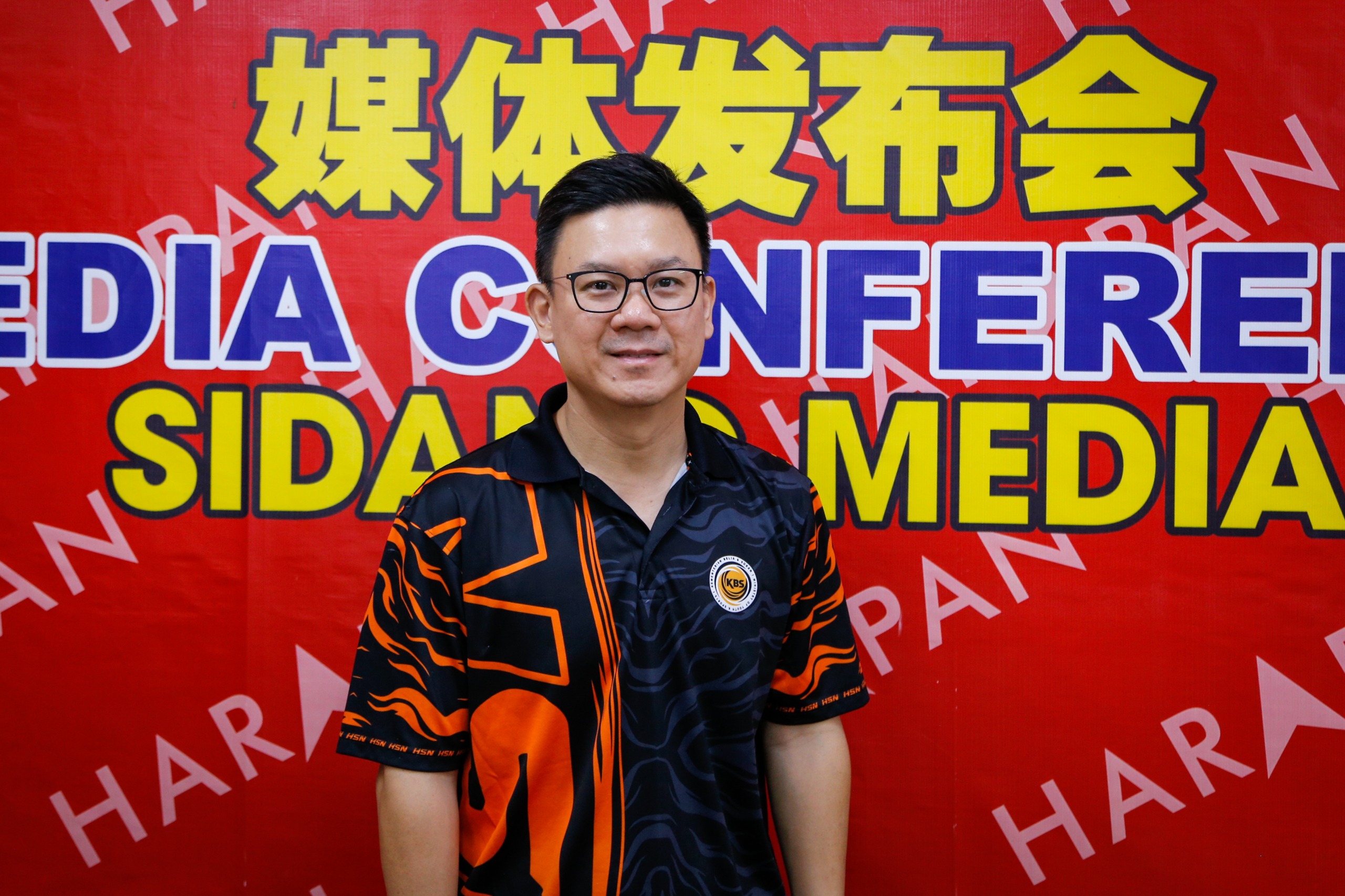
To delve deeper into this cherished art form, New Sarawak Tribune sat down with Chester Lim, president of the Chinese Martial Arts Association (CMAA), to explore its cultural significance, challenges, and resilience.
According to Lim, the dance originated as a means to ward off evil spirits and bring prosperity to communities but has since evolved into a form of entertainment to cheer up various occasions.
“When discussing Chinese New Year and the lion dance, it’s about dispelling negative energy and ushering in good fortune. It’s a cultural tradition that adds vibrancy to festivities.
“When it comes to the modern day, it has moved beyond festivities, it has become something to bring up the ambience of the various occasions.
“The Chinese wishes for prosperity, and the lion dance can bring that, it keeps the culture alive while uplifts any event the lion graces.”
Similarly, for the CMAA, their lion dance is not confined to just festivities such as the Chinese New Year or Mid-Autumn festival. They are active throughout the year, showcasing the art form during business launches, corporate events and even annual competitions.
Established in 1974, the association turned 50 this year, and has remained steadfast in its mission to uphold and promote the rich cultural heritage of the lion and dragon dance—an art form deeply rooted in Chinese tradition.
Lim shared that the association’s mission revolves around promoting and safeguarding traditional Chinese self-defence arts, particularly focusing on cultural treasures like dragon and lion dances.
Regarding their vision, it is about nurturing young individuals’ interest in these arts while instilling essential moral values such as respect for elders, discipline, good conduct, and righteousness, with the hope that these values will endure through generations.
However, despite its enduring legacy, the CMAA faces formidable challenges in the modern era.
With more sports and e-sports developing, the association must devise strategies to sustain its heritage amid the myriad of activities that resonate more with younger generations.
To address this, the association acknowledges the need for innovation, advocating for the integration of lion dance into school co-curricular programmes.
By repositioning it as a sport rather than solely a cultural practice, they aim to dispel misconceptions about its religious connotations.
“First, we needed to organise ourselves to bigger groups to have a synergy of ideas to promote the sports. Presently, we are registered with Sarawak Sports Commissioner as a sports body that is affiliated with Dragon and Lion Dance Federation of Malaysia.

“The sport is also recognised by the Ministry of Youth and Sports and Ministry of Education as a uniform body in schools, which legitimises the sport among the youths.”
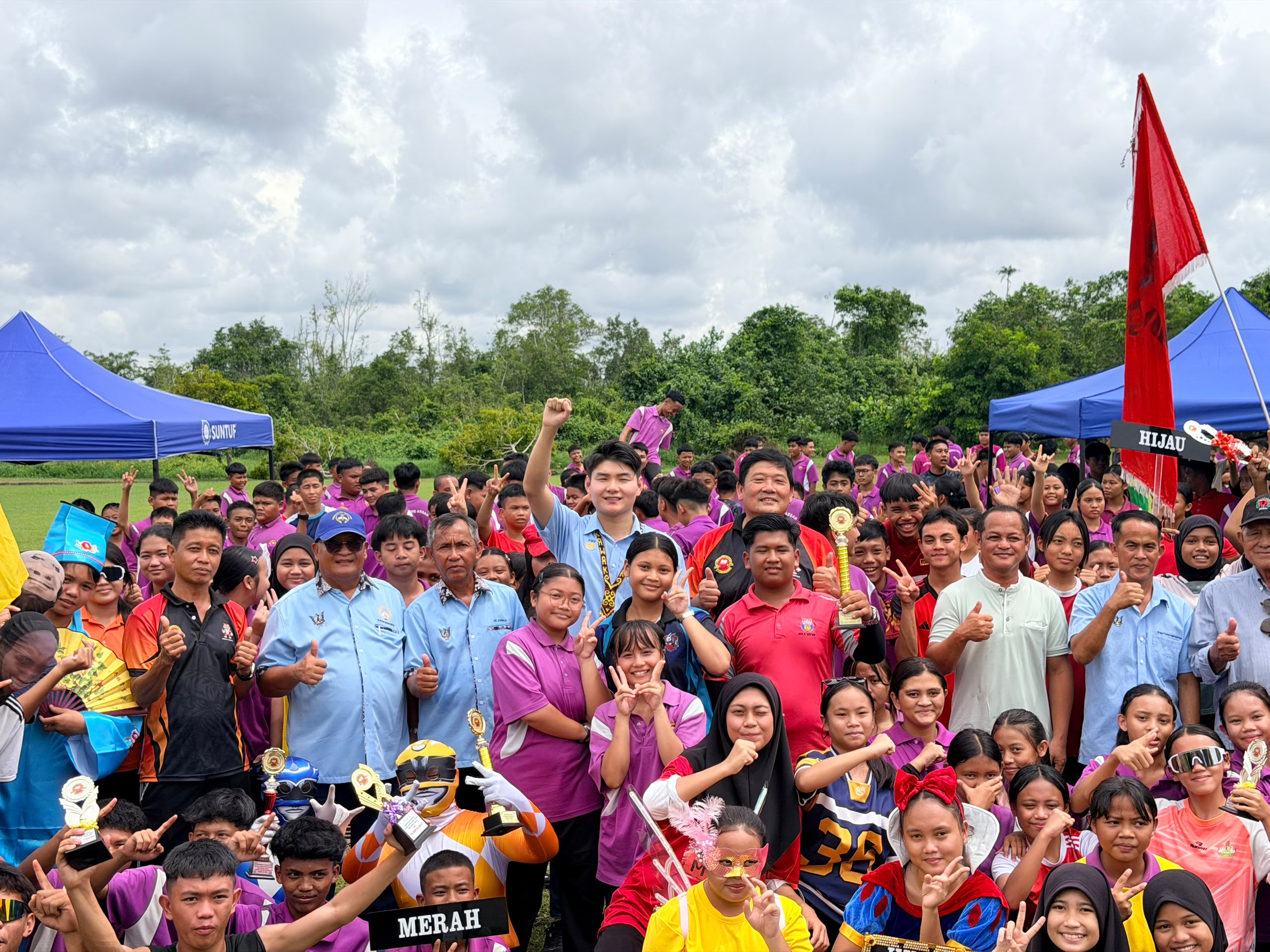
With the integration into schools, the sports have witnessed younger participants, which allowed the sport to have access to a wider talent pool in ensuring its survival into the next generation.
In addition, this shift toward sports also fosters inclusivity, as demonstrated by the diverse membership of the Sarawak Dragon-Lion Dance and Wushu Association across Kuching, Betong, Betong, Mukah, Sibu, Sarikei, Bintulu, and Miri.
Lim, who is advisor for the Sarawak Dragon-Lion Dance and Wushu Association, highlighted the involvement of different ethnicities, such as the significant participation of Melanau Muslims in Mukah.
“In our Mukah branch, we have a lot of Melanau Muslims taking part in this sport. The activities become notably diverse upon introduction into school settings, as we also cater to all other races who are interested in this sport.”
Apart from that, the association also hosts and participate in inter-school and inter-division lion and dragon dance competitions annually.
Meanwhile, Nelson Nguang, head coach of the CMAA, elaborated on the intricacies of lion dance.
He explained that in a traditional lion dance performance, the performing team would choreograph movements that fits the specific moods for each routine, typically lasting five to eight minutes.
These moods, such as bravery or fierceness, dictate the portrayal of emotions ranging from cheerfulness to caution and uncertainty, adding depth to the performance.
There are two main types of lion dances: southern and northern. The southern lion dance is the more prevalent of the two, while the northern lion dance, characterized by its playful nature and incorporation of acrobatic elements, is less common.
Furthermore, he explained that each and every one of the lions’ colours and variation are a representation of the various emperor from the Three Kingdoms era.
“Yellow represents Liu Bei, embodying qualities of nobility and leadership. Red symbolises Guan Yu, known for his righteousness and valour. Black signifies Zhang Fei, depicting fierceness and strength.

“Green represents one of the bravest knights from the Three Kingdoms era, renowned for his agility and bravery in battle. Meanwhile, the white lion, representing “Macao”, is less commonly used and is associated with morning, reflecting a path of revenge in its storyline, hence its limited usage.”
Notably, each lion dance is a narrative in itself, with unique storylines where every movement holds significance.
For example, he outlined a common storyline that involves the lion’s journey to “pick greens on the other side of the river.”
Beginning on a bridge, the lion is drawn to something across the river, sometimes startled by its reflection in the water. It cautiously assesses the bridge before engaging with the water playfully while crossing the bridge. After safely crossing, it joyfully explores the “greens”, ensuring security before indulging and eventually settling for a nap before returning.
While not necessary, these narratives enrich traditional lion dances, which still adhere to customs and etiquette.
During Chinese New Year, for instance, performances require adherence to rituals like greeting the “guardian spirits of the door” before entering a host’s home.
Similarly, at official functions, lions are expected to greet the guests respectfully before commencing their performance.
For CMAA, with around 120 members, training for lion dance performances is rigorous, typically occurring three times a week, with daily sessions in the two weeks leading up to competitions.
“Participants are organised into groups based on their performance and level, with the best performers selected to represent the team in performances or competitions.
“This inclusive approach ensures that every member has the opportunity to participate, regardless of skill level,” Nguang explained.
When prompted on the future plans for CMAA, Lim said maintaining the current momentum would be highly beneficial for their future plans.
Reflecting on clubs that have endured for over 50 years, he acknowledged the challenges they face in terms of management and funding to sustain the association’s operation, including rentals and allowances for members.
However, despite these obstacles, their commitment to showcasing and preserving this art form remains steadfast through the years and beyond.