The Sarawak government is taking a sustainable, long-term approach to reduce agricultural input costs, rather than rely solely on direct subsidy increases, the State Legislative Assembly heard today.
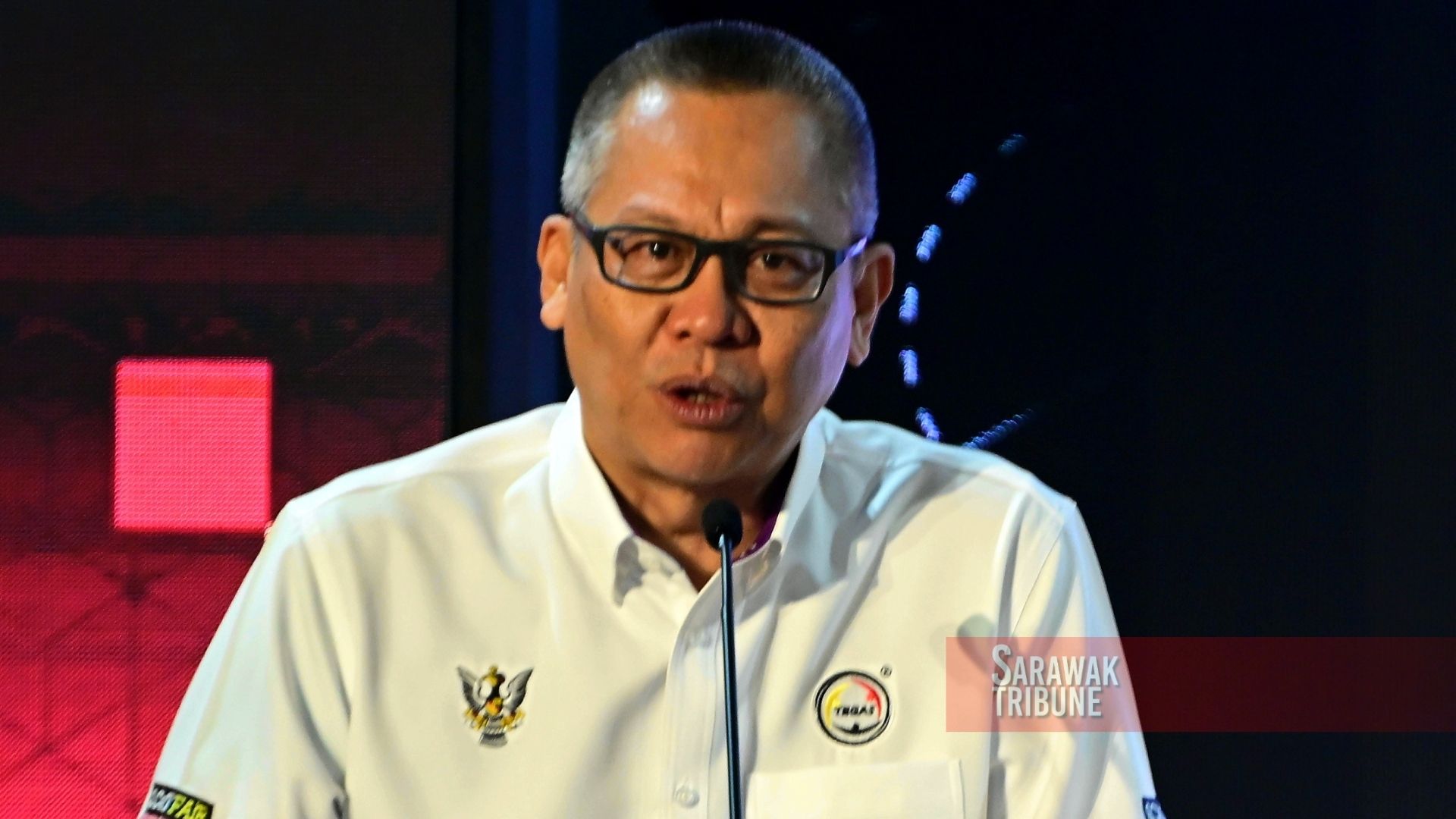
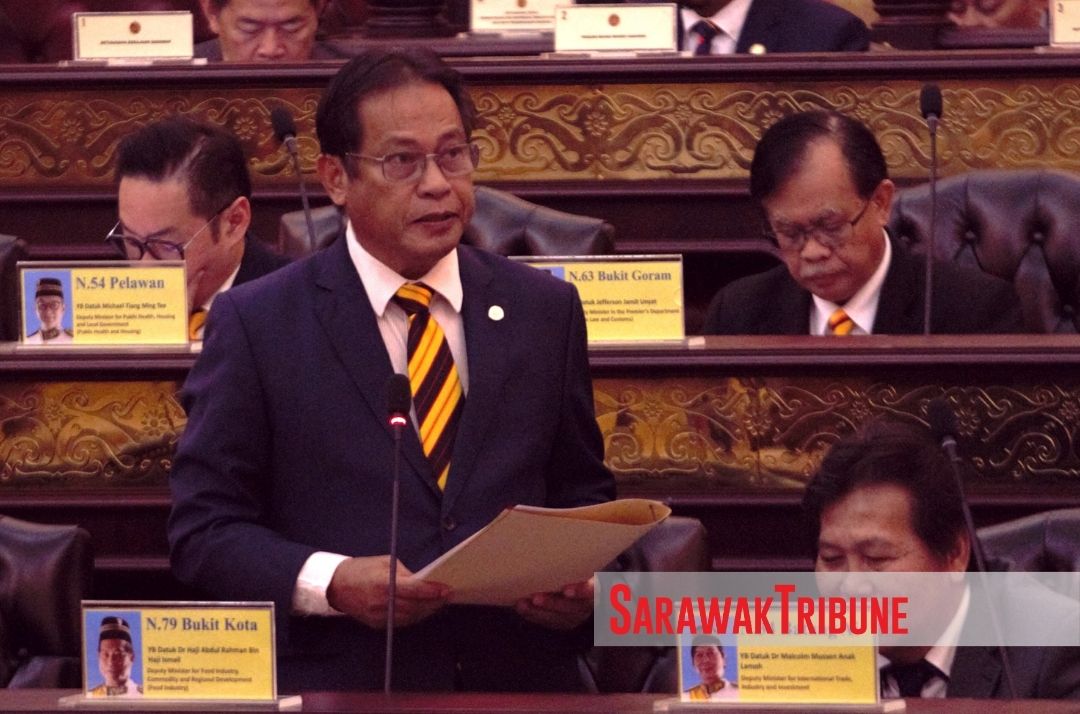
Deputy Minister of Food Industry, Commodity and Regional Development (Food Industry) Datuk Dr Abdul Rahman Ismail said the initiative, outlined under the state’s 2026 budget allocation, aims to improve farming productivity and reduce operational costs through four key strategies across Sarawak.
“The government will continue to implement targeted assistance programmes for those in need,” he said.

He was responding to Beting Maro assemblyman Datuk Razaili Gapor during the Q&A session.
Dr Abdul Rahman said the first measure involves strengthening the implementation of Good Agricultural Practices (GAP) as the foundation for improving productivity and efficient use of inputs among farmers.
He said the state government is also encouraging the adoption of alternative fertilisers based on the waste-to-wealth concept, which converts agricultural residue, livestock waste, and agro-industrial by-products into effective organic fertilisers.
“Modern technology and ICT adoption form the third pillar of the strategy, expected to improve operational efficiency and reduce dependence on manual labour, thereby lowering overall production costs for farmers,” he said.
Dr Abdul Rahman also said the fourth measure will focus on enhancing soil capability support services, including technical advisory services, soil suitability mapping, and recommendations for optimal crop types suited to local soil conditions.
“This approach is believed to be more effective in reducing production costs and strengthening the resilience of the agricultural sector in the long run,” he added.