KUCHING: Gawai Dayak has evolved beyond a cultural celebration into a key force strengthening Dayak political unity and collective aspirations in Sarawak.
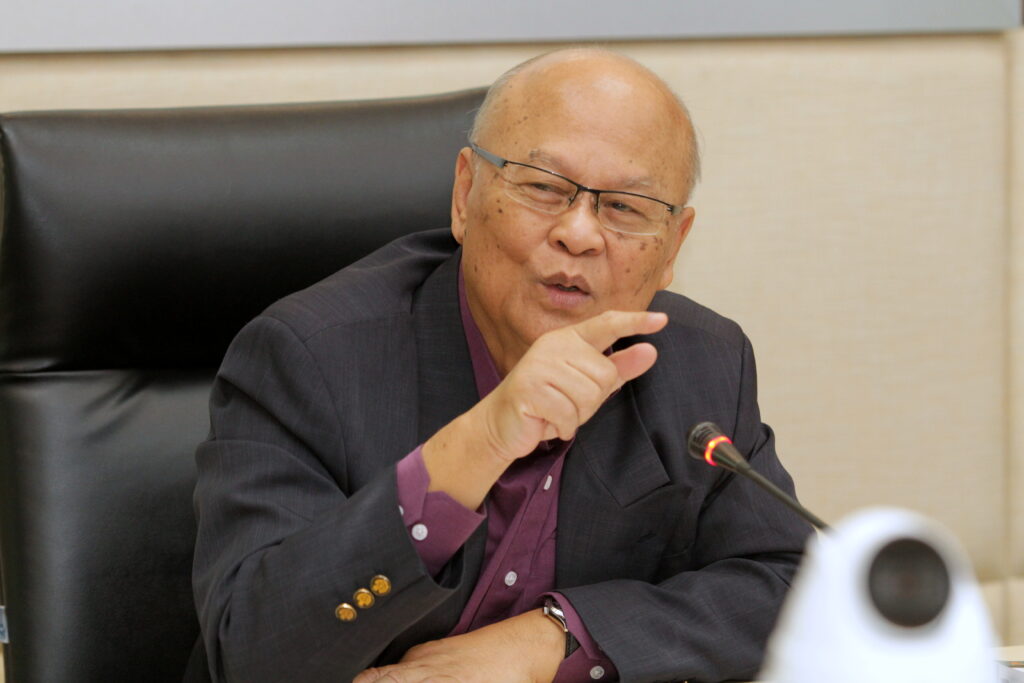
Political analyst Datuk Peter Minos said the harvest festival has played an important role in nurturing a shared sense of identity among Dayaks, which has in turn encouraged greater political cohesion among the community.
“From social and cultural unity, the Dayaks see fruitful logic in getting united politically, as they do now in Gabungan Parti Sarawak (GPS),” he said.
According to him, many Dayaks increasingly recognise the importance of standing together politically when they already share common roots, heritage and aspirations.
“Many had asked: why politically disunited when you are basically one community and one people? Why not unite for our common good and future?” he said.
Minos noted that the Dayak community has drawn valuable lessons from Sarawak’s political history, particularly from periods when political fragmentation weakened its collective influence and bargaining power.
“The Dayaks have learned from bitter lessons of the past, when political disunity gripped them. Now they do not want to repeat the same political problem of disunity,” he said.
He added that the growing emphasis on unity reflects a broader awareness among Dayaks that political cooperation is essential for safeguarding their interests and ensuring continued progress.
“The common talk now is unity,” he said.
Minos explained that the foundation for this political consensus stems from the social and cultural bonds reinforced annually through Gawai celebrations across Sarawak.
Apart from bringing joy and happiness to Dayak communities in villages and longhouses, he said Gawai serves as a powerful reminder that Ibans, Bidayuhs and Orang Ulus belong to the wider Dayak family.
“Gawai is one thing that tells the Dayaks — whether Ibans, Bidayuhs or Orang Ulus — that they are Dayaks and basically one people with many things in common,” he said.
He noted that the various Dayak communities share the same ancestral origins as the indigenous peoples of Borneo, while many aspects of their cultures, traditions and values remain closely connected.
At the same time, they face similar challenges arising from development, modernisation and changing social realities.
“Gawai keeps on reminding them of their roots and heritage. It is the foundation of their cultural and social unity,” he said.
Minos stressed that without Gawai, it would be easier for Dayaks to become separated by geography, dialects and differing local identities.
He pointed to the Bidayuh community, where dialect differences and historical distances between settlements once created barriers among sub-groups.
“Gawai truly makes them conscious of being Bidayuhs and feeling as one community and one people,” he said.
The same applies to Ibans and Orang Ulus, many of whom traditionally lived far apart along major river systems and remote interiors.
“Gawai in many ways unites them,” he said.
As Sarawak continues to develop, Minos believes the festival’s enduring significance lies not only in preserving heritage and culture but also in reinforcing the unity that underpins Dayak social strength and political stability.