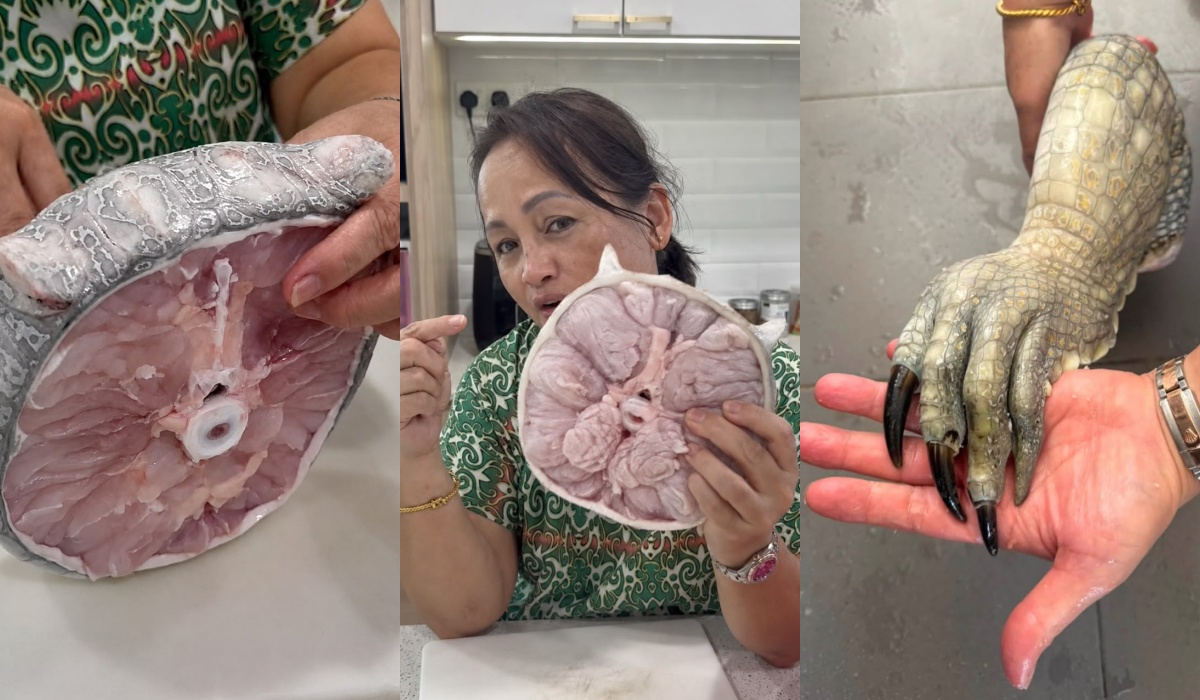
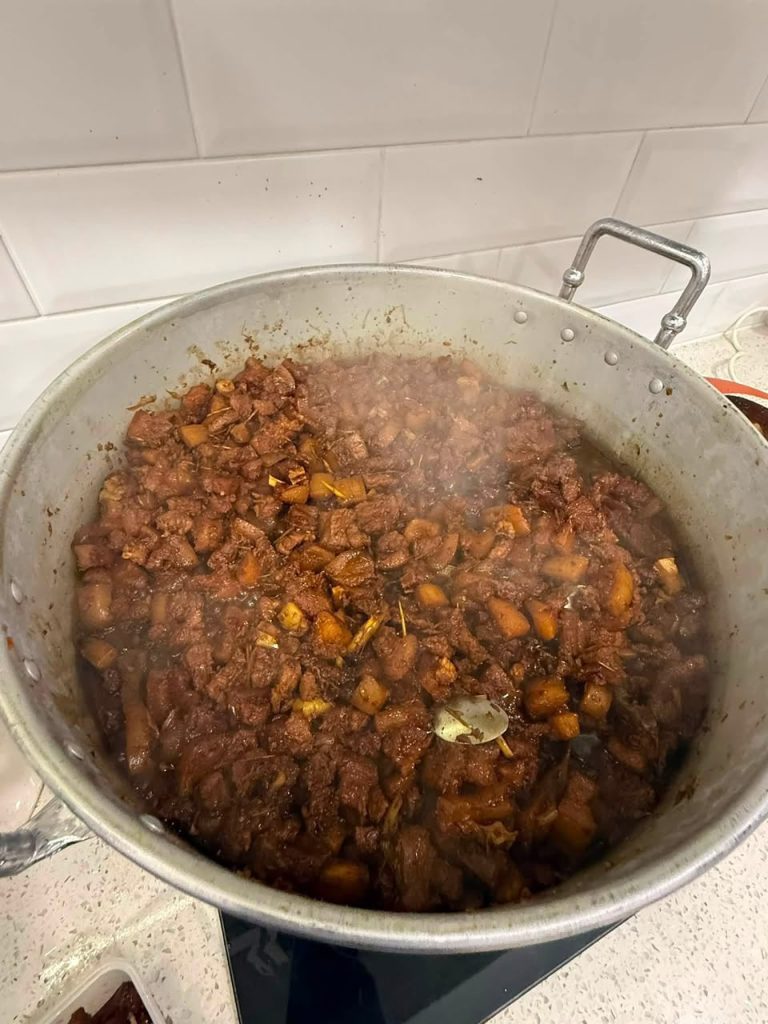
TO anyone casually scrolling past Mujan Lah’s cooking video, the chunks of meat simmering in a rich, dark sauce could easily be mistaken for an ordinary dish.
It is only upon taking a closer look that many viewers realise she is not cooking chicken, beef or any other familiar meat, but crocodile.
The unexpected revelation is enough to make some stop mid-scroll, while others head straight to the comments section with questions about its taste, texture and preparation.
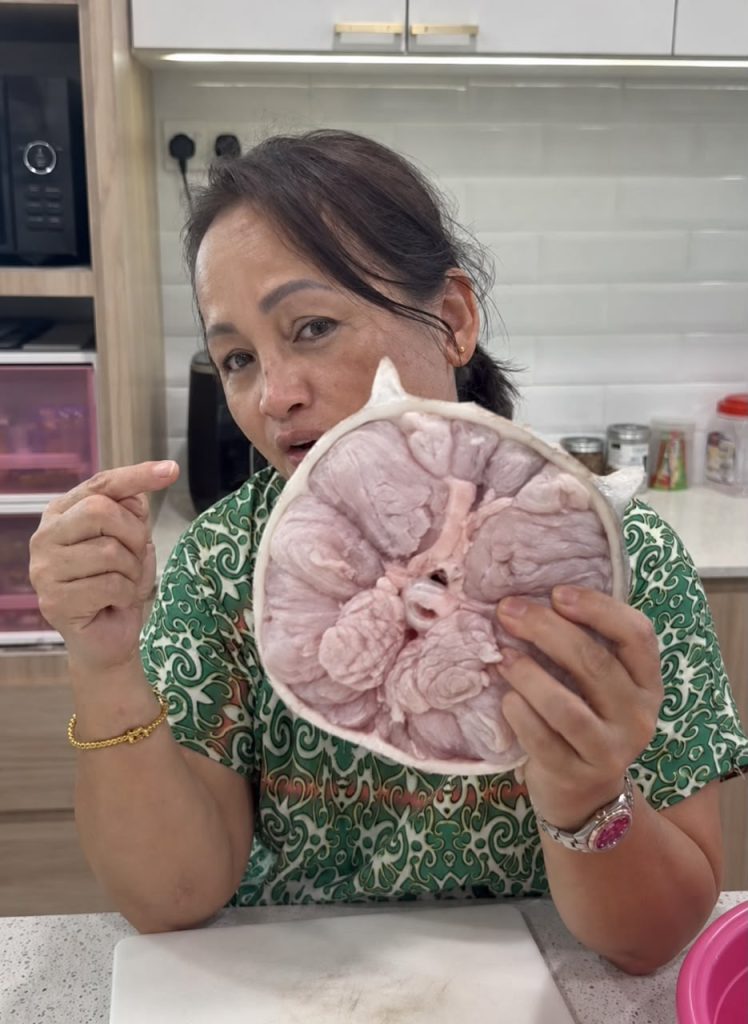
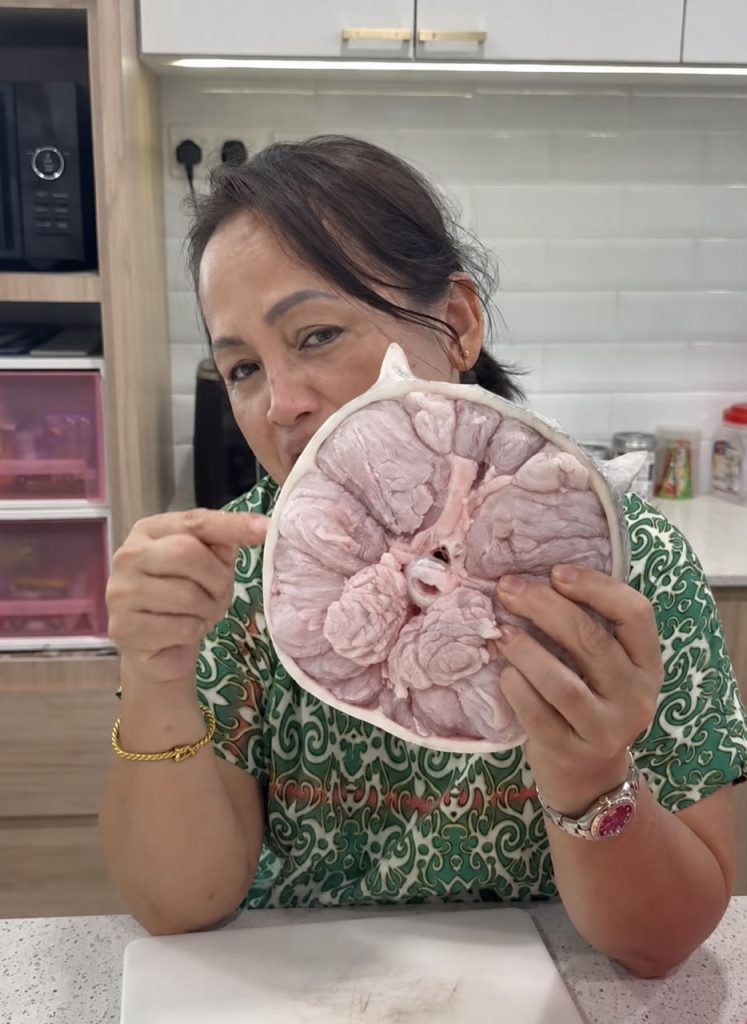
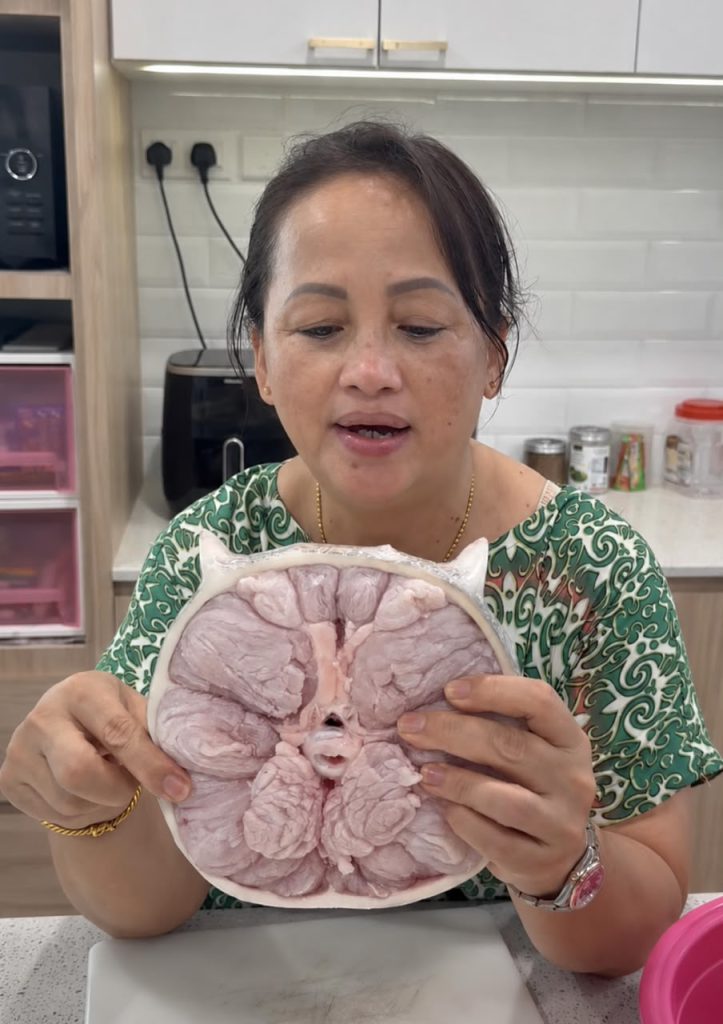
Mujan stressed that the meat featured in her videos was obtained from licensed crocodile hunters, who would either give it to her free of charge or sell it to her for RM30 per kilogramme.
For context, all crocodiles remain fully protected in Sarawak under the Wild Life Protection Ordinance 1998, regardless of their population size or any increase recorded locally.
According to the Sarawak Forestry Corporation (SFC), catching, harming or hunting crocodiles without official authorisation or a valid permit is illegal.
Having grown up hearing various beliefs and stories surrounding crocodiles, the Marudi resident had always regarded eating the reptile as taboo.
That perception changed on April 23 this year when she put aside her apprehension and tasted crocodile meat for the first time in her village
“At first, I tried it simply because I wanted to overcome my fear and satisfy my curiosity. I had never eaten crocodile meat before.
“But after tasting it, I was genuinely surprised because it was much more delicious than I had imagined. The meat was also tender when cooked properly,” she told Sarawak Tribune.
That first bite not only introduced Mujan to a new flavour but also challenged a belief she had carried for years, eventually inspiring her to explore different ways of preparing the meat.
Mujan, who is also Dewan Usahawan Bumiputera Sarawak (DUBS) Marudi branch’s chairwoman, has always enjoyed cooking and sharing glimpses of her daily activities on social media.
When she uploaded a video featuring one of her crocodile meat dishes, she expected it to be no different from the other cooking content she had shared.
Instead, it attracted considerable attention from viewers eager to learn more about the unfamiliar ingredient.
“Many people wanted to know what crocodile meat tasted like, how it should be cooked, and whether it was actually good. Some had never seen crocodile meat before, while others had never tasted it.
“To be honest, I did not expect the video to receive so much attention from social media users across Malaysia,” she said.
The extent of that curiosity was reflected in the numbers, with one video showing Mujan cutting crocodile meat garnering almost 500,000 views, while several of her other cooking videos attracted tens of thousands of views.
The response encouraged her to produce more content featuring crocodile meat and the various ways it could be prepared.
For her, the videos are not merely about presenting something unusual.
They are also a way of introducing a lesser-known part of Sarawak’s diverse culinary landscape.
“My content is not only about sharing recipes. I also want to introduce a unique food that has long been part of the food culture of certain communities in Sarawak.
“I hope it can open people’s minds to the fact that crocodile meat can be prepared in many interesting and appetising ways,” she said.
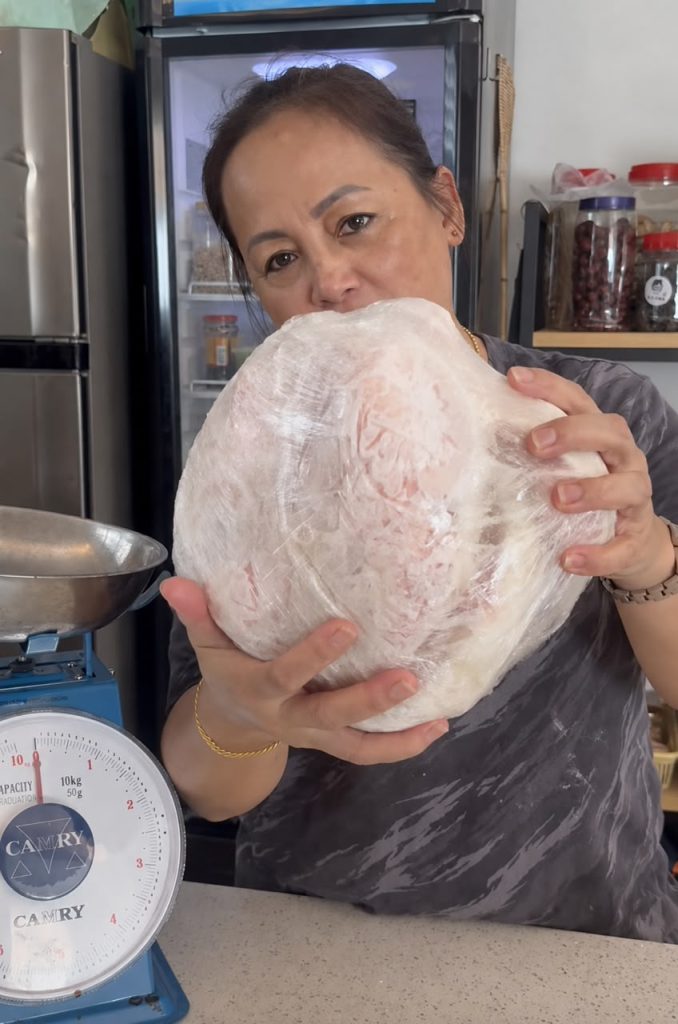
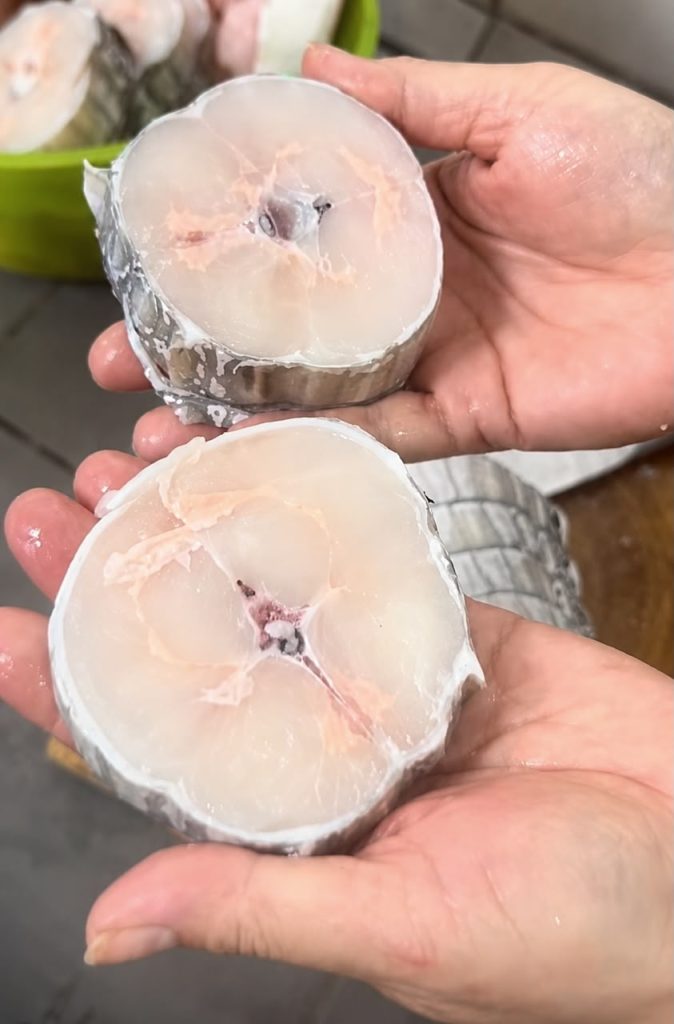
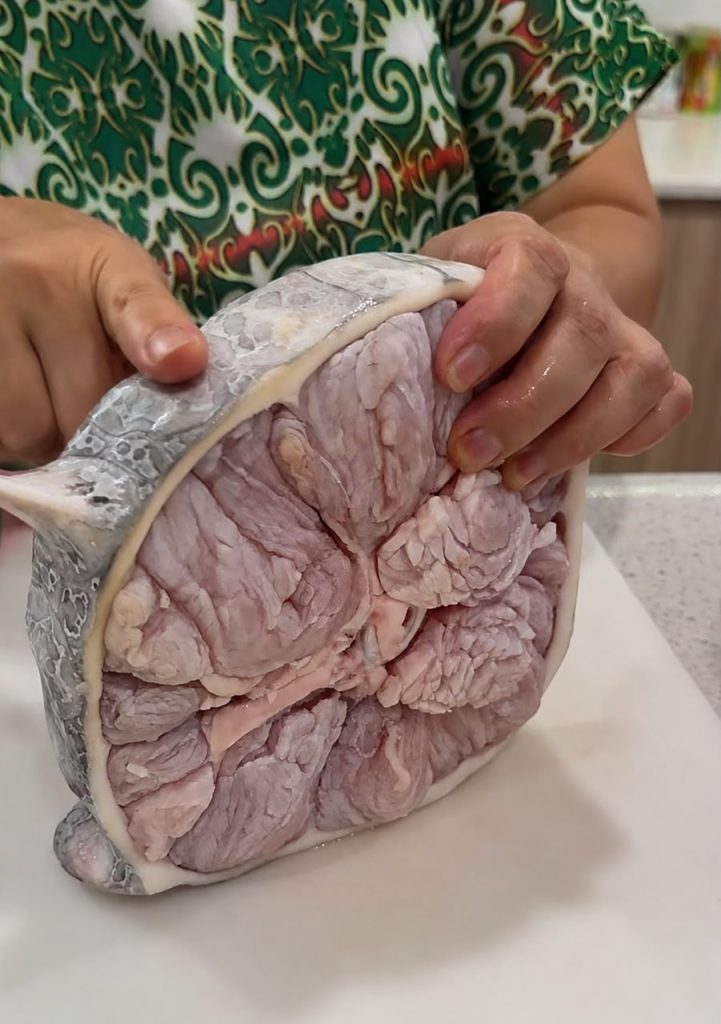
Describing its flavour, Mujan said crocodile meat does not have the fishy smell that some first-time diners might expect.
Instead, she described it as having a distinctive yet pleasant flavour, while its texture becomes tender when cooked properly, making it surprisingly easy for those tasting it for the first time to enjoy.
“Compared with other meats, I personally find it tastier. It is also different from chicken and fish because it has its own distinctive texture and flavour,” she said.
Mujan pointed out that crocodile meat does not require any elaborate preparation before cooking.
However, unlike the more familiar cuts of chicken or beef, some portions come in larger pieces around substantial bones and contain firmer muscle and connective tissue.
These tougher cuts therefore need to be cooked for longer to soften the meat and achieve the desired tenderness.
“There is no special preparation needed because the meat does not have a fishy smell. If it is tough, it simply needs to be cooked for longer,” she explained.
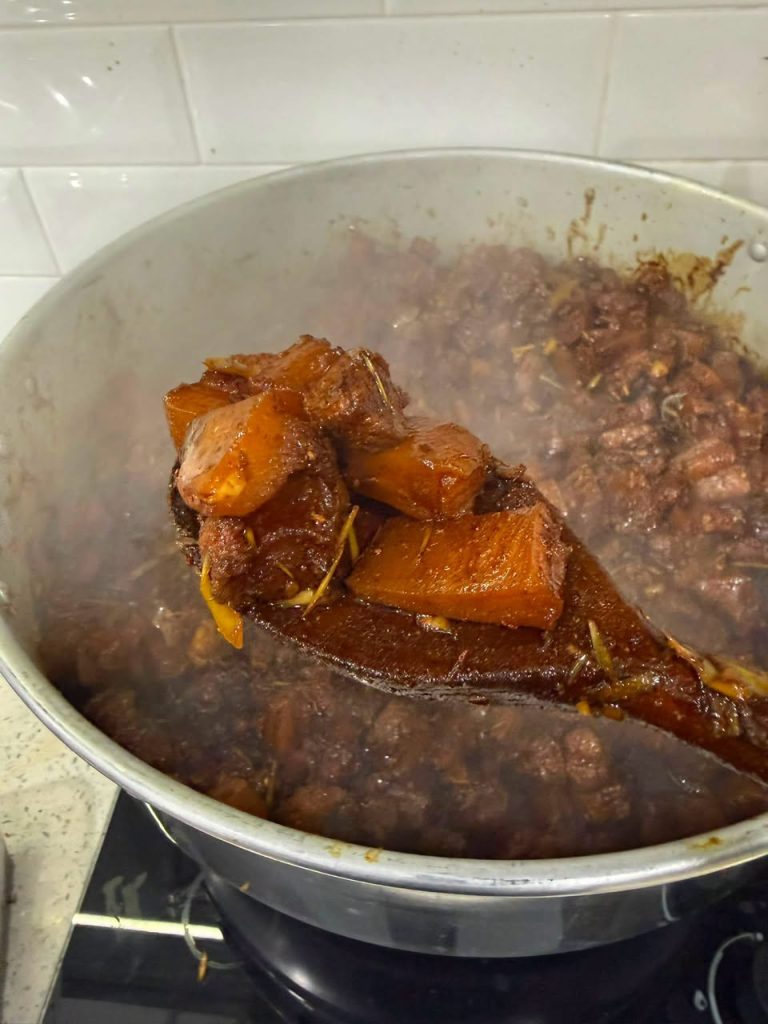
Among Mujan’s favourite recipes is crocodile meat cooked in spicy soy sauce.
She also enjoys preparing it with lemongrass and ginger, with the finished dish best served alongside hot white rice.
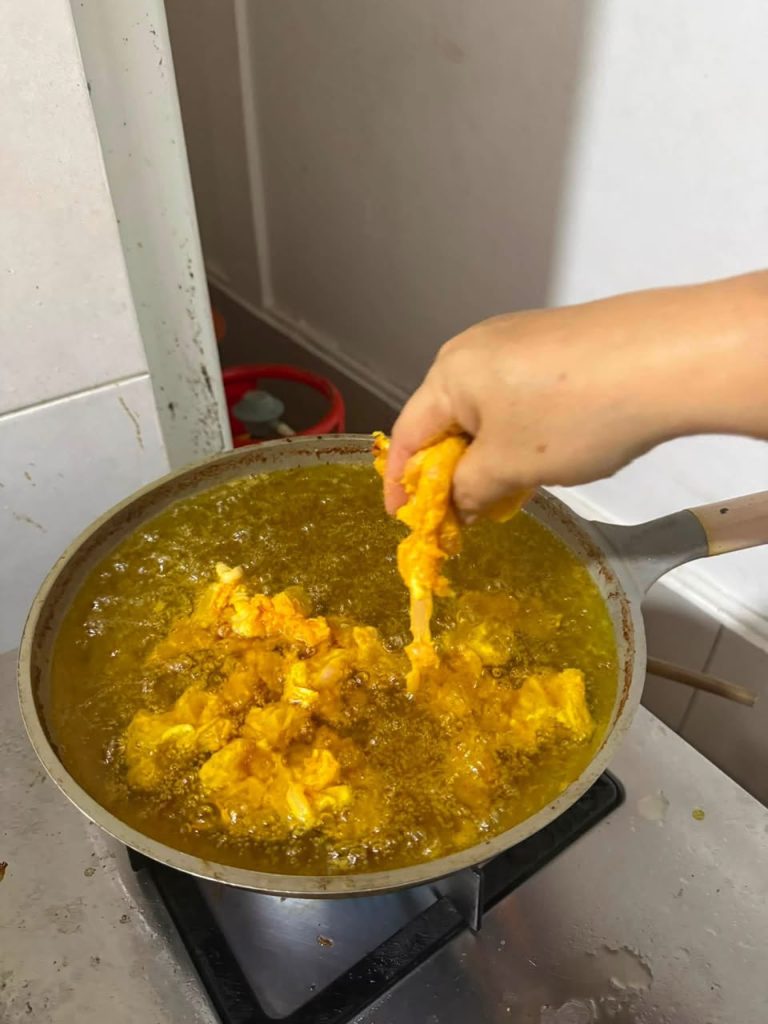
“I have also tried using crocodile meat in a butter chicken recipe, and my daughter really enjoyed it,” she said.
As interest in her videos grew, Mujan received a mixture of reactions.
While many viewers were intrigued and excited to learn more, others criticised her for preparing and consuming the meat.
Rather than allowing the negative comments to discourage her, she chooses to focus on those who respond with curiosity and an open mind.
“Some people like what I share, while others criticise me, but I choose to remain positive. There are more people who are interested and excited than those who condemn it,” she said.
Having once held similar reservations, Mujan understands why the subject continues to evoke strong feelings.
She acknowledged that eating crocodile meat remains taboo among certain communities, including some members of the Orang Ulu community, due to beliefs, customs and traditions inherited from earlier generations.
“I used to think that eating crocodile meat was taboo too. However, everyone has the right to hold on to their own beliefs and religion. I respect those views, and I have never forced anyone to eat crocodile meat,” she said.
One of the taboos Mujan often hears is that crocodiles will seek revenge against those who consume the meat.
Although she regards it as a myth passed down through generations rather than something supported by evidence, she does not dismiss those who continue to believe it.
“There is a belief that if someone eats crocodile meat, other crocodiles will hold a grudge and come looking for that person. In my opinion, it is a myth because there is no evidence to confirm it. Nevertheless, I still respect those who believe otherwise,” she said.
For Mujan, conversations about food and culture should leave room for curiosity without disregarding the religious, cultural and personal considerations that shape individual choices.
“What I share is simply my own experience and recipes for those who are interested. The most important thing is that we respect one another’s choices, cultures and beliefs,” she stressed.
Mujan’s advice to those curious about its taste is equally straightforward.
“Do not be afraid to try it if you do not have any restrictions or taboos against eating it,” she said.
Beyond introducing an unfamiliar dish, Mujan hopes her content will encourage younger Sarawakians to appreciate the breadth of the state’s culinary heritage.
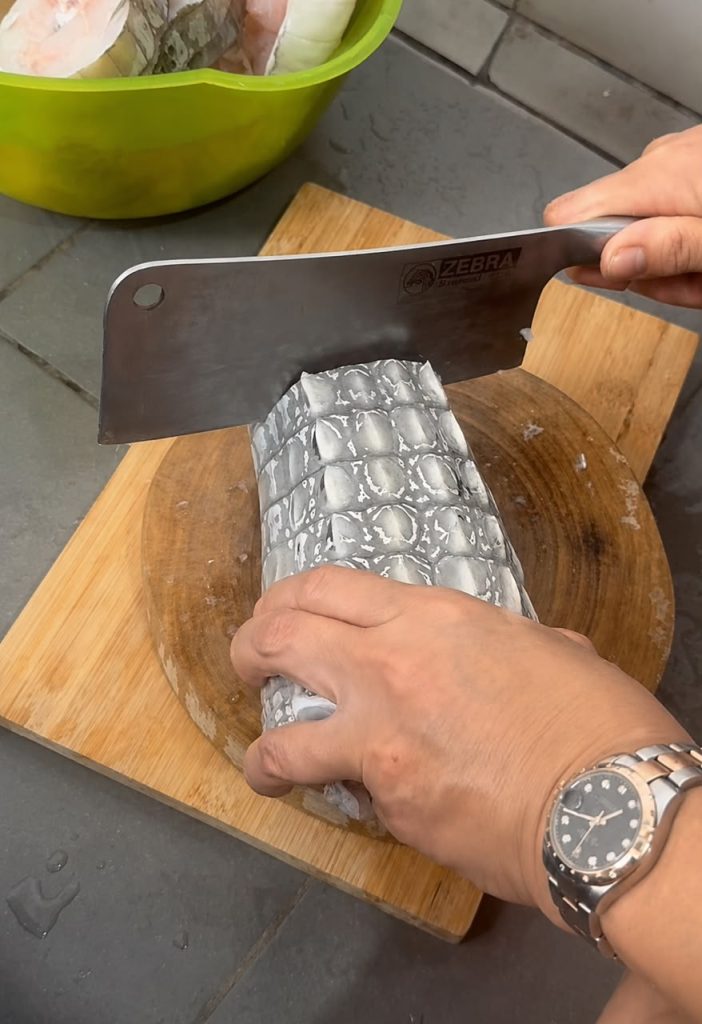
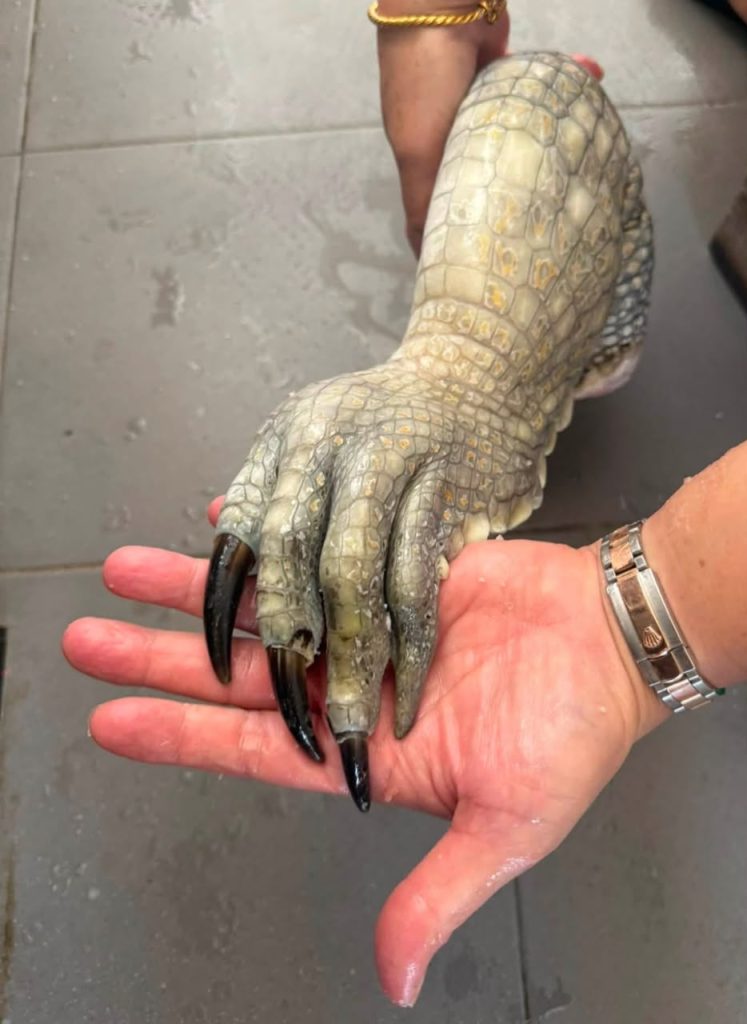
She believes there are still many local food and traditional preparation methods that remain largely unknown beyond the communities and places from which they originated.
“I hope my content can help promote the uniqueness of Sarawak’s local food to the younger generation and tourists. My intention is not to force anyone to try crocodile meat; I only want to share knowledge and introduce one of the unique aspects of Sarawak’s culinary heritage,” she said.
Mujan also views crocodile meat as an interesting alternative source of protein, although she is careful not to present popular beliefs about its nutritional and medicinal properties as established facts.
She has heard claims that it is high in protein and lower in fat than some other meat, while some people believe it may benefit those with asthma.
However, she stressed that she was not qualified to verify such claims.
“I am not a medical expert, so I cannot confirm whether those claims are true. For me, crocodile meat is best viewed as another food choice and an alternative source of protein,” she said.
What began with a hesitant first bite has since become an unexpected platform for Mujan to share recipes while opening wider conversations about Sarawak’s diverse food traditions.
She does not expect her videos to persuade everyone to place crocodile meat on the dining table.
For her, it is enough that they encourage people to pause, look beyond the unfamiliar, and discover another layer of the state’s rich culinary heritage.
After all, behind the unusual ingredient is a story not only about food, but also about curiosity, inherited beliefs, and learning to understand the traditions of others with an open mind.