KOTA SAMARAHAN: A new tapping technique using embedded devices can boost latex yield three-fold without any conventional cutting, said Deputy Minister of Rural and Regional Development Datuk Rubiah Wang.
She said the non-conventional extraction method, jointly developed by the Rubber Industry Smallholders Development Authority (RISDA) and the Malaysian Rubber Board (LGM), involves inserting a special kit into the tree trunk to allow latex to flow automatically.
She said the government is prioritising new technology adoption and commodity price monitoring so that smallholders can maximise their income rather than focusing solely on replanting.
“RISDA cannot just focus on rubber planting; it must consider market prices and modern technology.
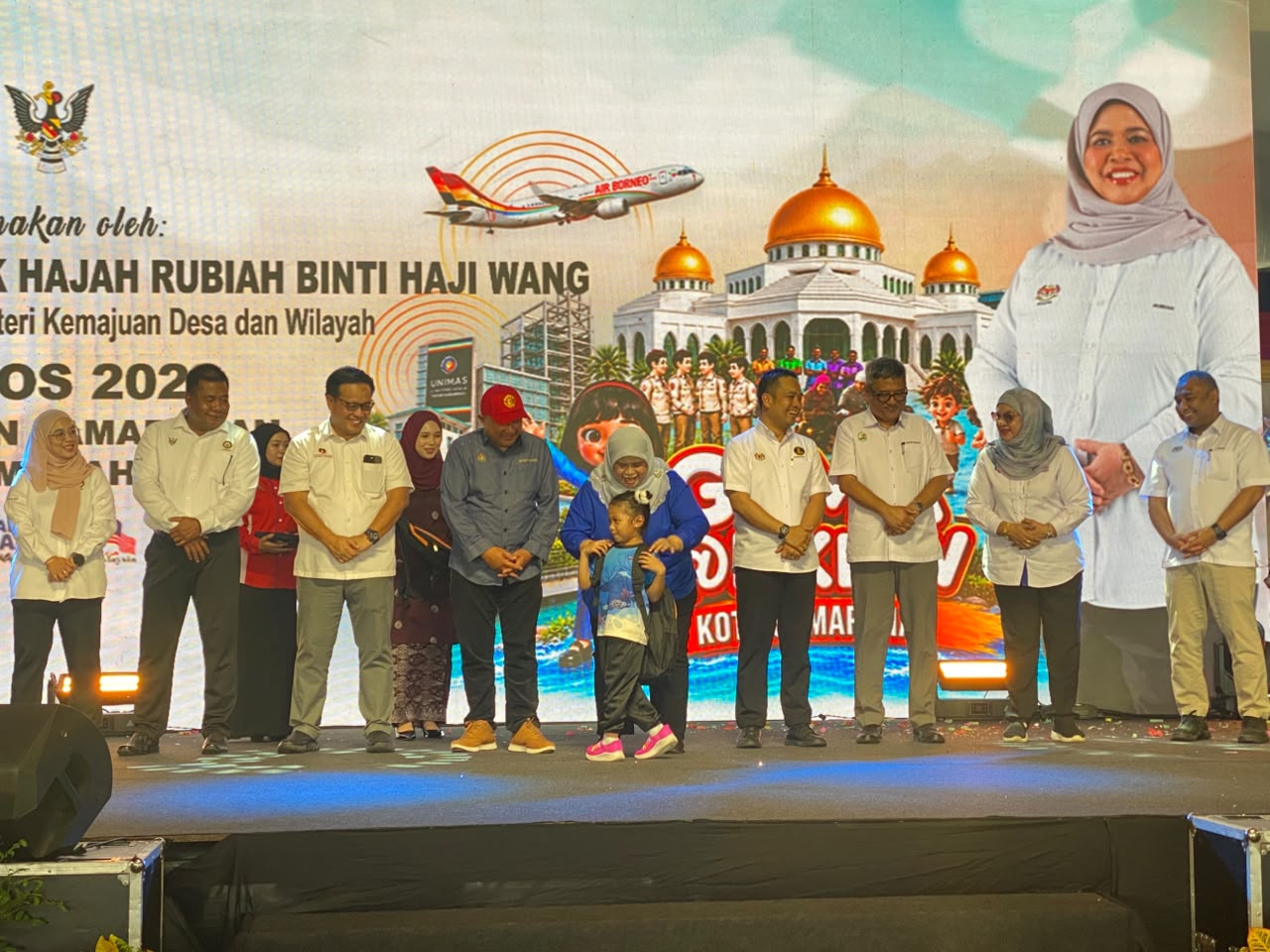
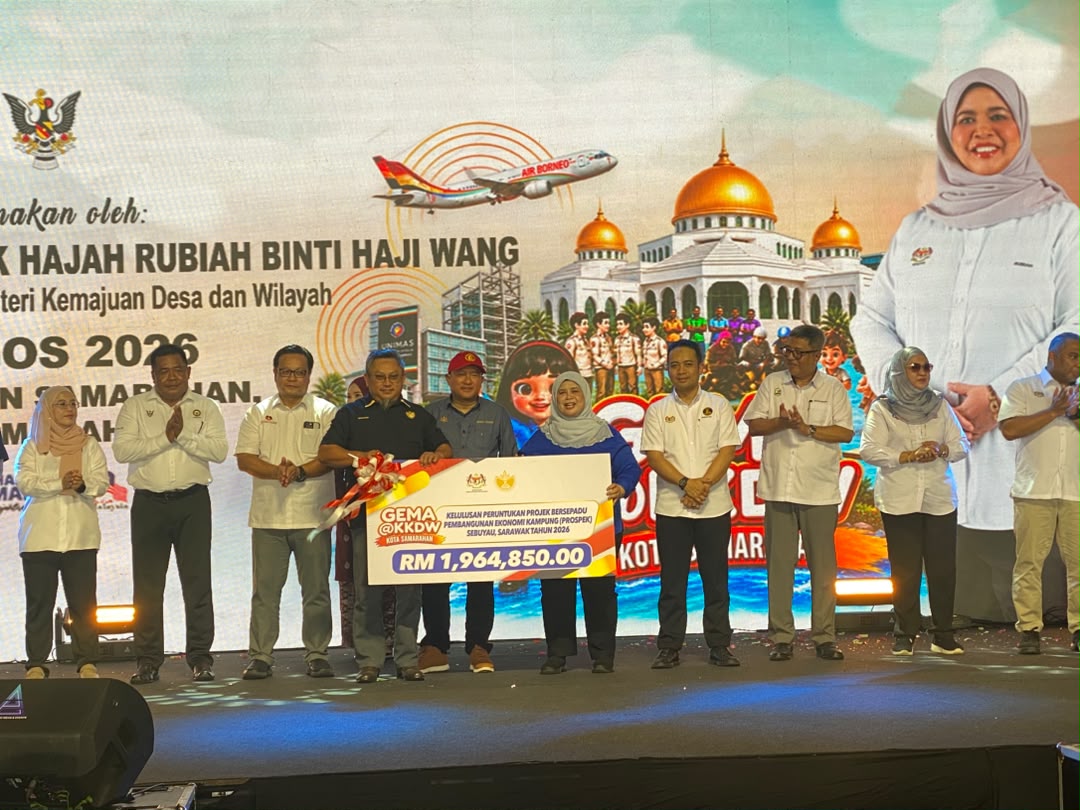
“Through this new LGM collaboration, latex flows automatically without conventional tapping, yielding more than three times the usual volume,” she told reporters after officiating the GEMA@KKDW Samarahan 2026 programme at the Kota Samarahan Municipal Council (MPKS) compound on Saturday (Aug 22).
Rubiah, who is also Kota Samarahan MP, noted that rising rubber prices—now reaching up to RM4.20 per kilogram compared to around RM2 previously—have driven landowners in Samarahan to reactivate previously abandoned holdings.
Earlier in her speech, Rubiah revealed that Sarawak has nearly 98,000 RISDA smallholders and stands as the largest contributor to the RISDA Rubber Replanting Programme 2026, covering 1,116.78 hectares or 28 per cent of the national total.
Through the Primary Rubber Purchaser initiative, 183 metric tonnes of rubber were purchased in Sarawak as of July 31, with Samarahan contributing 61.10 metric tonnes—the second-highest in the state behind Betong’s 66.22 metric tonnes.
She added that nearly 38,000 hectares of abandoned rubber land across the state still hold potential for rehabilitation.
“Our focus is clear: boost production, reactivate abandoned holdings, expand market reach, and ensure Sarawak’s smallholders secure better returns from their harvest,” she said.