KUCHING: A nutrition education programme that uses sports as a platform to promote healthy living among children is being expanded to selected schools in Sarawak and Sabah, marking its first rollout in East Malaysia.
The ‘Eat Right to Play Right’ (ERTPR) Programme by World Vision Malaysia will be implemented in schools in the Padawan and Bau districts in Sarawak, as well as in Dalit and Sook districts in Sabah, through collaboration with education authorities and local stakeholders.
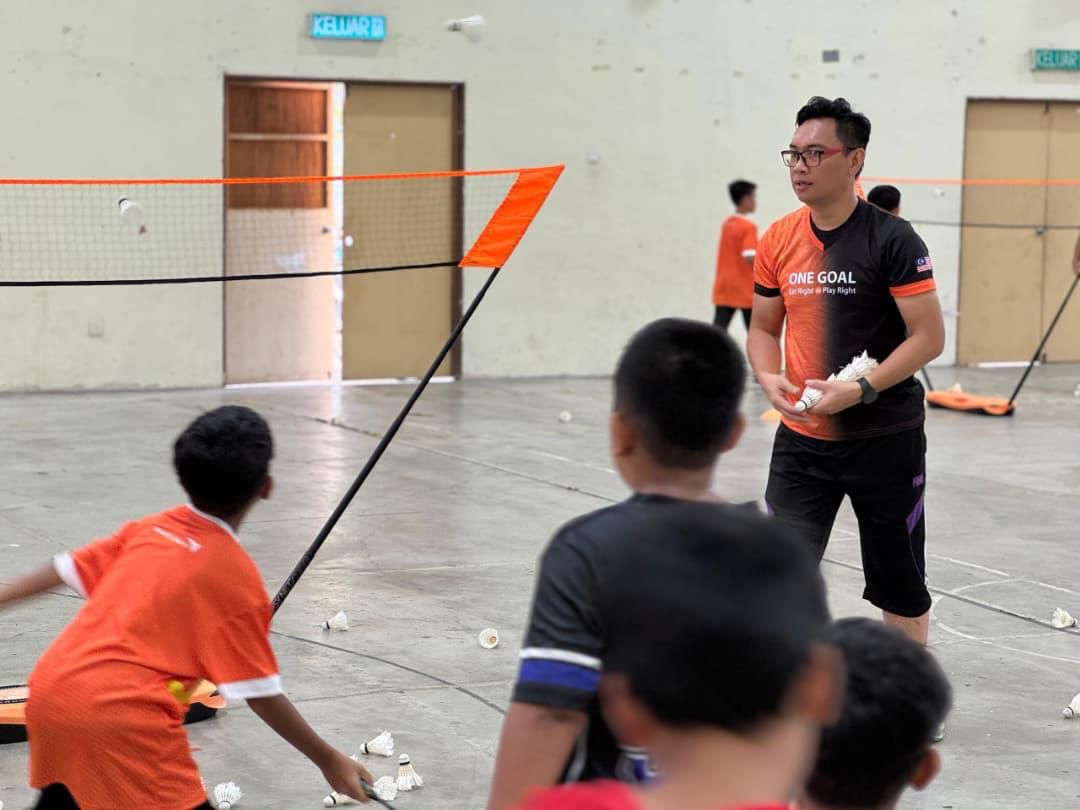
According to a statement, the programme aims to address malnutrition and encourage healthier lifestyles by combining nutrition education with sports activities, allowing children to learn through practical and engaging experiences.
“ERTPR is built on the belief that sustainable change happens when children, families and communities are empowered together.
“By combining nutrition education with sports and strong local partnerships, we are able to create an environment where children not only learn, but are motivated to adopt healthier habits that can last a lifetime,” said One Goal Malaysia Team Lead, Valentine Miasin.
Implemented under the ‘One Goal Malaysia’ initiative, the programme will work closely with the National Anti-Drug Agency (AADK) in Sarawak and State Education Departments in both states as part of a broader effort to support child well-being and community development.
Originally introduced in 2016 as a football-based nutrition programme for underserved communities, ERTPR has since evolved to use badminton as its primary sport and has recorded positive outcomes in urban communities in Selangor and Kuala Lumpur.
Previous programme cohorts showed improved awareness of balanced nutrition among children, while parents and caregivers gained greater confidence in preparing healthier meals at home.
The programme adopts a three-pronged approach comprising nutrition-through-sports sessions for children aged seven to 12, community kitchen activities for parents and caregivers, and training for volunteers and community coaches to ensure long-term sustainability.
Each participating school cohort is expected to involve between 30 and 50 students, allowing for more focused engagement and delivery.
Miasin said collaboration with schools and local authorities is essential to ensure the programme remains relevant, inclusive and sustainable while helping to nurture healthier and more resilient future generations.
The expansion also reflects World Vision Malaysia’s efforts to extend community-based health initiatives to vulnerable communities nationwide while encouraging greater participation from corporate and institutional partners through funding, expertise and volunteer support.