KUCHING: State ministries, departments and agencies must ensure that all procurement processes are conducted transparently and competitively while delivering value for money.
Premier Datuk Patinggi Tan Sri Abang Johari Tun Openg said every development project must also be monitored from the planning stage through to its handover to ensure compliance with approved costs, timelines, specifications and quality standards.
“I want every ministry, department and agency to ensure that all procurement processes are carried out transparently, competitively and guided by the principle of value for money. Every project must be monitored from the planning stage until its handover.
“We must ensure that costs are adhered to, timelines are met, specifications are fulfilled, and the prescribed quality standards are followed,” he said.
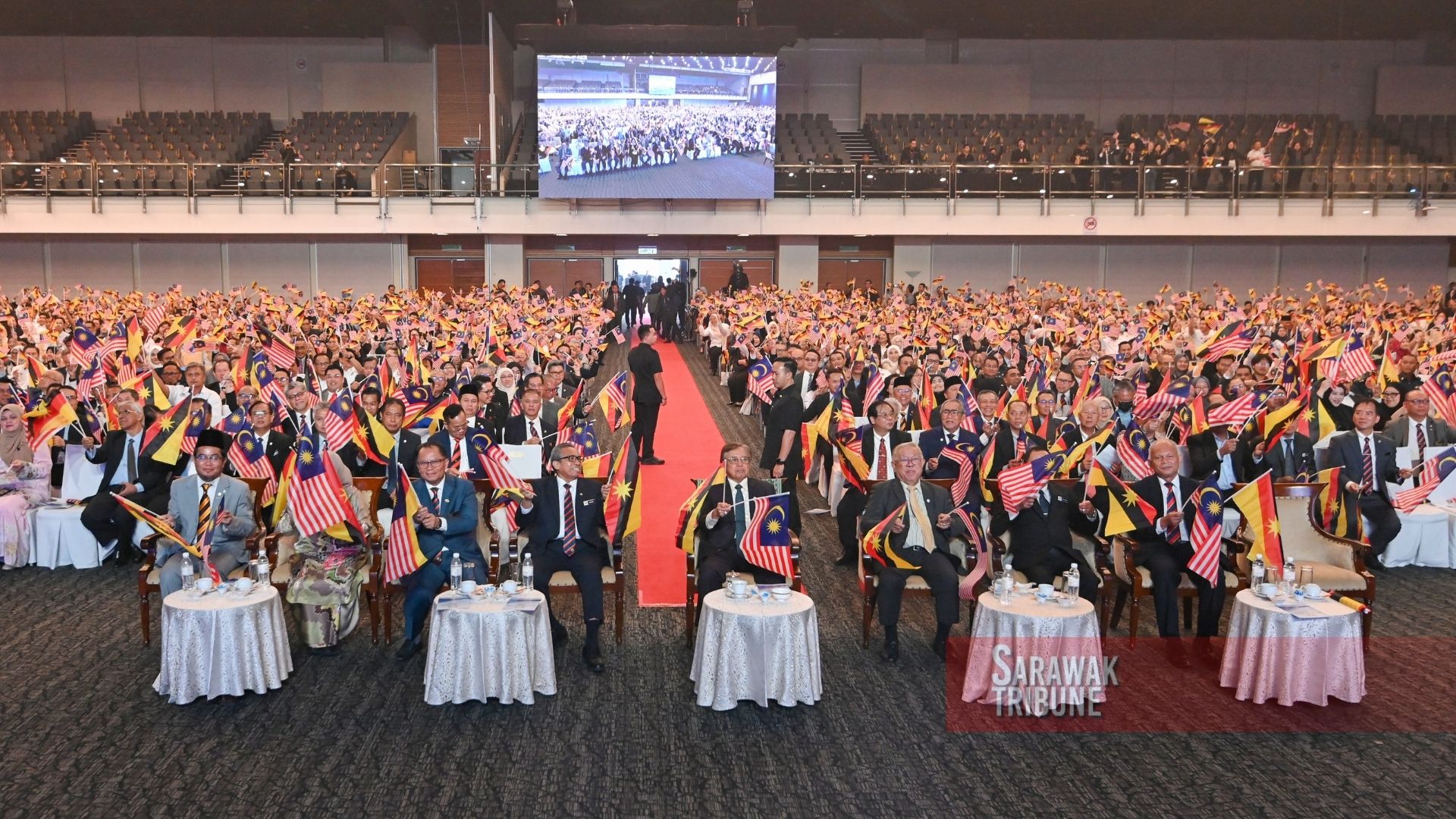
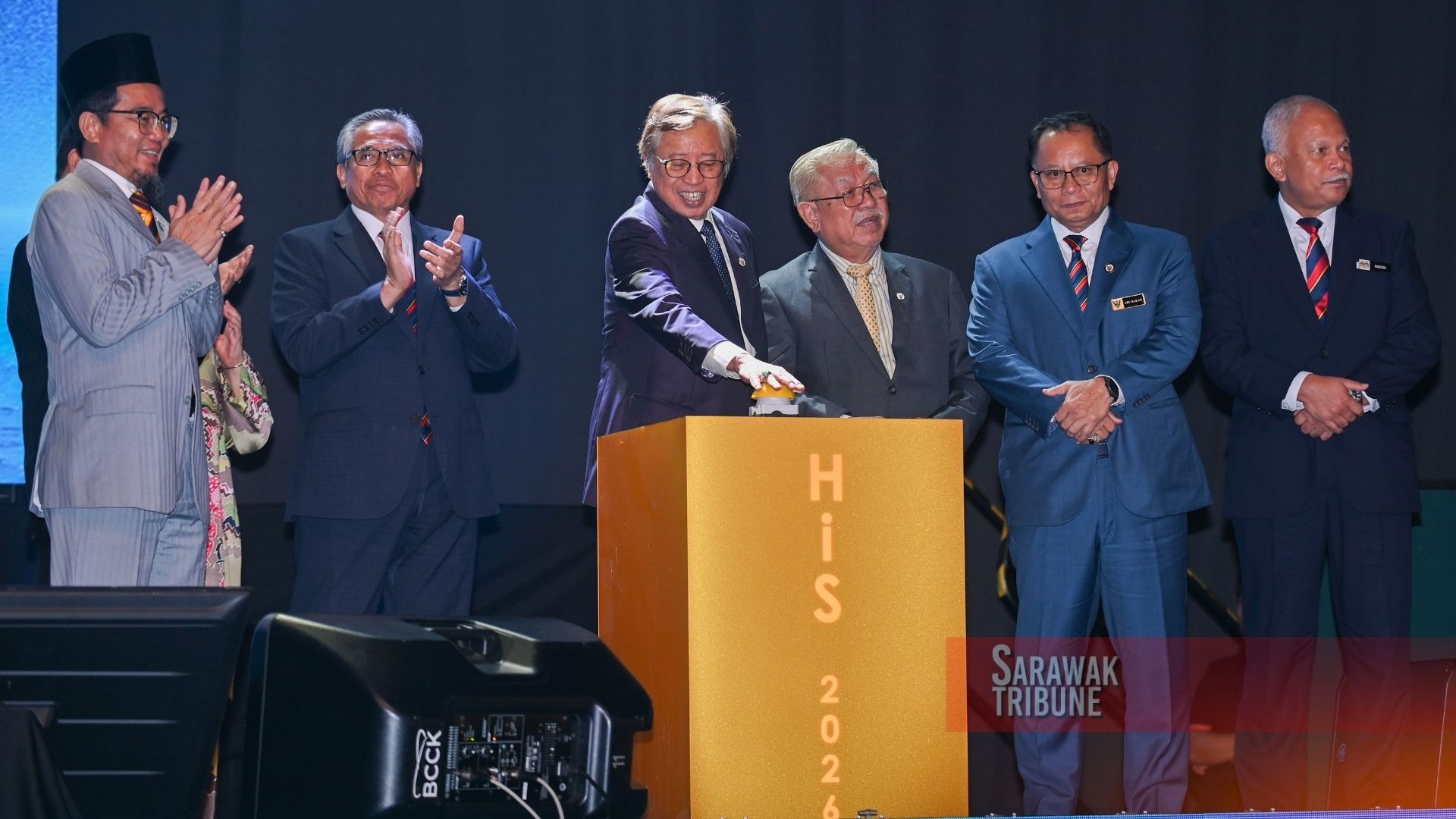
He said this in his address for the Sarawak Integrity Day 2026 celebration at the Borneo Convention Centre Kuching (BCCK) here today.
Themed ‘Integrity as the Foundation of Sarawak’s Prosperity’, the celebration reflected the state’s commitment to placing integrity at the heart of its development agenda.
Abang Johari stressed that a project should not be regarded as successful merely because its construction had been completed or its allocation fully spent.
Instead, he said, a project could only be considered genuinely successful when it was safe to use, of good quality, met the people’s needs and provided benefits proportionate to the amount of public money spent.
“Unreasonable delays, wastage, poor workmanship or negligence in monitoring are integrity issues because, ultimately, the people bear the consequences,” he said.
Abang Johari pointed out that integrity, accountability and transparency were essential to the implementation of the Post COVID-19 Development Strategy 2030 (PCDS 2030), which aims to transform Sarawak into a developed, high-income, inclusive and sustainable region by 2030.
He said the strategy was not simply about constructing more roads, bridges, schools or public facilities as it also required the government to ensure that every plan was based on the people’s actual needs, every ringgit was spent prudently and every benefit reached its intended recipients.
“A good policy will be meaningless if its implementation is weak, delayed, wasteful or misused,” he said.
Abang Johari also called for strong coordination and cooperation among ministries, departments, agencies, local authorities, statutory bodies, government-owned companies and the private sector in advancing Sarawak’s development agenda.
He said the agenda could not be driven by a single party, nor could organisations work separately or place their own interests above those of Sarawak and its people.
“We must move as one team, share the same objectives, and be collectively accountable for the outcomes we seek to achieve.
“When all parties move in the same direction, the government’s vision can be translated into changes that are genuinely felt by the people,” he said.